
Latest Version
November 16, 2026
TINYMAX HONGKONG LIMITED
Music
iOS
0
Report a Problem
More About :game
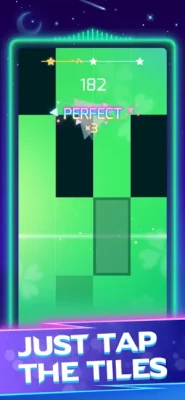
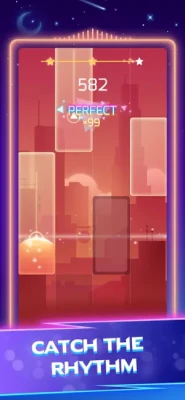
Piano Star - Tap Your Music brings music and interactive gameplay together in a simple but engaging mobile experience. Instead of learning complicated piano techniques, players follow musical patterns by tapping tiles that appear on the screen. Every successful tap contributes to the melody, turning each level into a rhythm-based challenge.
The game is designed for players who enjoy music, quick reactions, and timing-based challenges. Its controls are easy to understand, making it accessible to beginners while offering opportunities for experienced players to improve their accuracy and reaction speed.
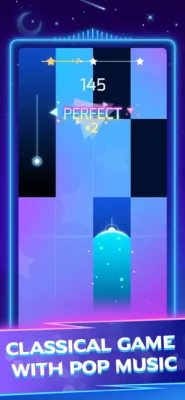
One of the main attractions is its selection of popular pop songs and classical piano compositions. Players can explore different musical styles, discover new tracks, and enjoy familiar melodies through interactive gameplay.
Piano Star also provides several ways to play. Those who prefer a relaxed experience can enjoy individual songs, while players looking for longer challenges can try Endless mode. Competitive players can explore the PvP mode and test their rhythm skills against others.
The availability of offline gameplay makes it possible to enjoy supported content without always needing an internet connection. Free coins also provide opportunities to unlock additional songs and expand the available music collection.
Specific Game Information
Game Title: Piano Star - Tap Your Music
Developer: TINYMAX HONGKONG LIMITED
Game Category: Casual / Music
Platform: iOS
Supported Devices: iPhone and iPad
Minimum Operating System: iOS 15.0 or later according to the current US App Store listing
Game Model: Free to download with optional in-app purchases
Main Gameplay Style: Piano tile tapping and rhythm challenges
Music Genres: Pop and classical piano music
Main Objective: Tap the correct tiles according to the rhythm without missing notes.
Game Modes: Song-based gameplay, Endless mode, PvP mode, and offline mode.
Special Features: Long-note tiles, double-tile sequences, unlockable songs, free coins, and regularly added music.
Age Rating: 4+
Languages: English, French, German, Japanese, Korean, Simplified Chinese, Spanish, and Traditional Chinese.
In-App Purchases: VIP Pianist subscriptions and packages, optional coin purchases, seasonal packages, and packages for removing pop-up advertisements.
Internet Requirements: Offline gameplay is supported, although certain features may require an internet connection.
Main Gameplay Features
Popular Pop and Classical Songs
Music is the heart of Piano Star. The game includes a selection of popular pop tracks and classical piano compositions, giving players different musical experiences.
Pop music provides familiar melodies and energetic rhythms, while classical compositions offer a different atmosphere and musical style. This variety helps keep the experience interesting and encourages players to explore different songs.
New songs are also added regularly, giving returning players additional music to discover.
Simple Piano Tile Controls
The main controls are straightforward. Players tap black tiles as they appear on the screen and follow the rhythm of the selected song.
Although the controls are simple, successful gameplay requires concentration and accurate timing. Missing tiles can interrupt a performance, so players need to remain focused throughout each track.
Long Notes and Double Tiles
Not every tile requires an ordinary tap. Some musical sequences introduce longer tiles that must be pressed and held.
Other sections feature double black tiles that require quick successive or coordinated taps. These mechanics add variety to the gameplay and make certain musical passages more challenging.
Endless Mode
Endless mode provides an opportunity to continue playing and test how long you can maintain accurate timing.
Instead of focusing only on completing individual songs, this mode encourages players to develop consistency and improve their reaction speed.
It is particularly useful for anyone who wants to practice before attempting more demanding musical challenges.
PvP Competitive Mode
Piano Star also includes a player-versus-player mode. This gives competitive players an opportunity to test their musical timing and tapping accuracy against other participants.
PvP adds another reason to improve your performance because success depends on maintaining concentration and avoiding unnecessary mistakes.
Offline Gameplay
The offline mode makes the game convenient for situations where an internet connection is unavailable.
Players can enjoy supported musical content without needing to remain connected. However, online competitions, certain updates, and other connected features may require internet access.
Free Coins and Song Unlocking
Coins provide an additional progression element. Players can collect available free coins and use them to unlock songs.
This creates an incentive to continue playing, explore the available content, and work toward expanding the music collection without immediately relying on optional purchases.
Complete Piano Star - Tap Your Music Strategy Guide
Understanding the Basic Gameplay
The first step toward becoming a better Piano Star player is understanding how the tile system works.
Each song presents a sequence of black tiles that move toward the tapping area. Your task is to interact with the correct tiles at the appropriate moments.
The objective is not simply to tap as quickly as possible. Timing is more important than speed alone.
A player who taps too early or too late can miss notes even when reacting quickly. Learning to recognize the rhythm and anticipate upcoming tiles is therefore essential.
Start with easier songs and become comfortable with the basic controls before attempting more complicated musical sequences.
Master the Timing of Every Tap
Accurate timing is the foundation of successful gameplay.
Listen carefully to the music instead of concentrating exclusively on the movement of the tiles. The melody provides useful timing information and can help you anticipate upcoming notes.
Try to develop a consistent tapping rhythm that follows the song.
Avoid tapping randomly or repeatedly pressing the screen in an attempt to catch every tile. Uncontrolled movements can make it harder to recognize the correct sequence.
A better approach is to remain relaxed, watch the tiles carefully, and tap when each note reaches the appropriate position.
Learn to Handle Long Tiles
Long tiles require a different technique from ordinary notes.
Instead of tapping and immediately lifting your finger, you must press and hold the tile for the required duration.
Releasing too early can interrupt the note and affect your performance.
To improve your handling of long tiles, pay attention to their length before they reach the tapping area. This helps you prepare for the hold action rather than reacting at the last moment.
Keep your finger steady and avoid unnecessary movements until the note is completed.
Once you become comfortable with this mechanic, longer musical passages will feel easier to manage.
Improve Your Double-Tile Accuracy
Double black tiles can make certain sections more demanding because they require faster and more coordinated input.
The best strategy is to prepare your fingers before the tiles arrive.
On a touchscreen, avoid placing your fingers too close together if doing so makes it difficult to distinguish between the two tiles.
Practice maintaining a comfortable hand position and use separate fingers when necessary.
Do not sacrifice accuracy simply to increase your tapping speed. Consistent, correctly timed inputs are more valuable than hurried movements.
Choose Songs That Match Your Skill Level
Song selection can make a significant difference in your progress.
Beginners should start with familiar melodies and manageable musical patterns. These songs provide an opportunity to understand the relationship between the music and the moving tiles.
Once you become comfortable with the controls, gradually explore more challenging compositions.
Classical tracks can provide a different rhythm experience from pop songs, so experimenting with both categories can help develop broader timing skills.
Avoid repeatedly attempting songs that are significantly beyond your current ability. Building a strong foundation first will make later challenges more manageable.
How to Improve Your Reaction Speed
Reaction speed is important, especially when several tiles appear close together.
However, fast reactions alone are not enough. You also need to recognize patterns and prepare for upcoming notes.
One useful technique is to look slightly ahead of the tile you are about to tap. This allows you to anticipate the next movement instead of focusing on only one tile at a time.
Keep your eyes moving naturally across the playing area and avoid staring at a single position.
Regular practice can help improve your ability to recognize patterns and respond more comfortably to faster sequences.
Develop Better Concentration
A moment of distraction can result in missed notes, particularly during demanding sections.
Before starting a difficult song, make sure you are comfortable and have enough time to concentrate.
Keep your device steady and use a position that allows your fingers to move naturally.
Avoid unnecessary interruptions while playing. If you make a mistake, do not allow frustration to affect the rest of your performance.
Maintaining concentration from the beginning to the end of a song is one of the most important skills you can develop.
Strategies for Endless Mode
Endless mode is an excellent opportunity to test your consistency.
The main challenge is maintaining accurate inputs as the gameplay continues.
Start by establishing a comfortable rhythm. Do not waste energy making exaggerated finger movements or tapping faster than necessary.
Pay attention to the changing tile patterns and prepare for difficult sections before they arrive.
If you notice that your accuracy begins to decline, focus on controlling your movements rather than attempting to recover through random tapping.
The goal is to maintain a stable performance for as long as possible.
Repeated attempts can help you understand which patterns cause the most difficulty and where you need additional practice.
Winning More PvP Challenges
PvP mode introduces a competitive element that makes accuracy even more important.
Before entering competitive matches, spend time practicing individual songs and improving your familiarity with different tile patterns.
A good PvP strategy includes:
Prioritizing accurate taps instead of unnecessary speed.
Practicing long-note sequences until they feel natural.
Improving your ability to handle double tiles.
Staying calm when the musical sequence becomes difficult.
Avoiding distractions during competitive matches.
Learning from unsuccessful performances.
Do not become discouraged by losing a match. Competitive gameplay provides useful experience and helps identify areas that need improvement.
With consistent practice, you can become more confident when competing against other players.
How to Collect Coins Efficiently
Coins are useful for unlocking additional songs and expanding your available music selection.
Take advantage of the free coins offered through the game's progression and available rewards.
Rather than spending every coin immediately, consider which songs you genuinely want to unlock.
Prioritize music that matches your interests and offers suitable opportunities to practice.
If you are working toward a particular song, keeping track of your available coins can help you reach that goal more efficiently.
Optional purchases are not necessary simply to enjoy the basic rhythm gameplay.
Make the Most of Offline Mode
Offline mode is particularly useful when traveling or playing in places with limited connectivity.
Before going offline, make sure your game is updated and that the content you want to play is accessible.
Remember that some features may depend on an internet connection. For example, PvP competitions and certain online services may not be available offline.
Using offline gameplay for individual practice can be a convenient way to improve your tapping accuracy without worrying about network interruptions.
Common Mistakes to Avoid
Tapping too early: Pressing tiles before the correct timing can lead to missed notes. Watch their movement and follow the rhythm.
Ignoring long tiles: Treating every tile as an ordinary tap can cause mistakes. Remember to hold longer notes for the required duration.
Rushing through double tiles: Trying to tap both tiles without proper coordination can reduce accuracy. Prepare your fingers before they arrive.
Watching only one tile: Focusing too closely on the current note makes it harder to anticipate upcoming patterns.
Playing difficult songs too early: Attempting challenging compositions before mastering the basics can lead to repeated mistakes.
Using unnecessary finger movements: Large or uncontrolled movements can slow down your reactions. Keep your hands relaxed.
Losing concentration after a mistake: One missed note should not affect the rest of your performance. Refocus and continue following the music.
Ignoring practice opportunities: Repeating familiar songs can help develop timing and consistency before moving to more demanding tracks.
Advanced Tips for Experienced Players
Once you have mastered the basic mechanics, you can start focusing on more advanced performance techniques.
Develop a sense of rhythm that allows you to anticipate notes before they reach the tapping area. This is especially useful when songs contain several closely spaced tiles.
Experiment with different finger positions to find the arrangement that provides the best control for your device.
Practice switching between ordinary taps, long holds, and double-tile sequences without losing your rhythm.
You should also learn to recognize recurring patterns. Many rhythm challenges become easier when you understand the sequence instead of reacting to every tile independently.
For competitive play, consistency should remain your priority. A reliable performance is generally more useful than occasional bursts of impressive speed followed by repeated mistakes.
A Practical Daily Practice Routine
A simple practice routine can help you improve without making the game feel repetitive.
Warm-up session
Begin with an easy song that you already understand. Concentrate on hitting ordinary tiles accurately and maintaining a comfortable rhythm.
Timing practice
Move on to songs with different musical patterns. Focus on recognizing the rhythm and preparing for upcoming tiles.
Special tile practice
Spend time improving your handling of long tiles and double black tiles. These mechanics require different finger movements and deserve individual attention.
Endless mode session
Try Endless mode to test your consistency and reaction speed over longer periods.
Competitive practice
If you enjoy multiplayer challenges, enter PvP mode after warming up. Apply the techniques you have developed during individual songs.
Final review
Think about the mistakes you made and identify which patterns need more attention during your next session.
Following this routine regularly can help you become more accurate, confident, and comfortable with increasingly challenging songs.
Is Piano Star - Tap Your Music Worth Playing?
Piano Star - Tap Your Music is a good choice for players who enjoy casual music games, interactive piano experiences, and rhythm-based challenges.
Its straightforward controls make it accessible to beginners, while long notes, double-tile sequences, Endless mode, and PvP provide additional challenges for players who want to improve their skills.
The combination of pop and classical music also gives the game variety, while free coins and regularly added songs provide reasons to return.
Whether you want to enjoy familiar melodies, practice your reaction speed, compete against other players, or simply spend a few minutes playing a relaxing music game, Piano Star offers an entertaining experience.
The most effective way to enjoy the game is to focus on rhythm, develop accurate tapping habits, explore different songs, and gradually challenge yourself with more demanding musical patterns.
Rate the Game
User Reviews




Popular Games



















 Android
 iOS
 Windows
 Xbox