


Latest Version
October 15, 2026
AMANOTES PTE. LTD.
Music
0
com.amanotes.pamacolorhop
Report a Problem
More About :game
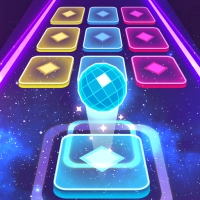
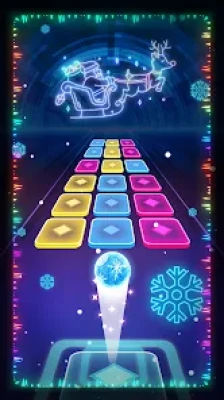
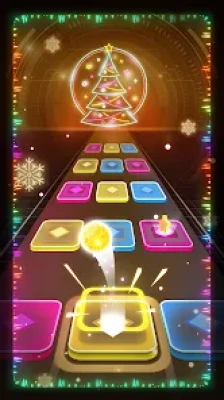
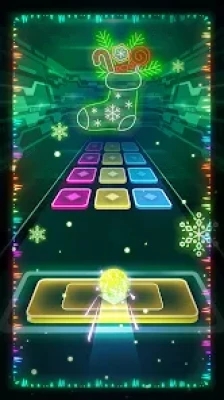
Color Hop 3D – Music Game puts your reflexes to the test as you move a bouncing ball along a colorful path. Your goal is to keep the ball landing on the correct tiles and continue through the level without making a mistake.
Unlike traditional arcade games that focus on enemies or complicated controls, Color Hop 3D makes music and movement the heart of the experience. Each track creates a different rhythm to follow, so listening carefully can be just as important as watching the screen.
The game is suitable for players who enjoy music games, rhythm challenges, casual arcade gameplay, and colorful 3D environments. Its straightforward controls make it easy to begin playing, although maintaining accuracy during faster sequences takes practice.
Main Features of Color Hop 3D
Music-Based Arcade Gameplay
Follow energetic electronic dance music while guiding your ball across a series of colored tiles. The soundtrack gives each run its own rhythm and atmosphere.
Simple One-Finger Controls
Swipe across the screen to move the bouncing ball toward the correct platforms. The controls are easy to understand, but precise movement is essential when the path becomes challenging.
Colorful 3D Visuals
Bright tiles and a changing path create a lively arcade presentation. The visual design helps make every movement feel connected to the music.
Rhythm and Reflex Challenges
Successful play requires attention, good timing, and the ability to react quickly when the next platform appears.
Music Selection
Explore the available tracks and find songs whose rhythms suit your reaction speed and preferred play style. Song availability may vary with the game's current version.
Casual Single-Player Experience
Play on your own, improve your performance, and work toward completing tracks more consistently. The game is easy to pick up for a short session but can become surprisingly demanding.
How to Play Color Hop 3D
The objective is to guide your ball across the color road without landing on an incorrect tile or losing control of its movement.
Choose a song. Start with a track whose rhythm you can recognize comfortably.
Watch the tiles. Pay attention to the color of the platforms and the direction of the upcoming path.
Swipe to move. Use one finger to guide the ball toward the appropriate tiles.
Follow the rhythm. Listen to the beat to help anticipate the timing of successive movements.
Stay focused. Avoid sudden, unnecessary swipes that send the ball too far.
Practice difficult sections. Repeat challenging tracks to learn their rhythm and improve your accuracy.
The most important skill is controlling the distance and timing of each swipe. Moving quickly without checking the next tile can be just as dangerous as reacting too slowly.
Complete Color Hop 3D Strategy Guide
1. Learn the Controls Before Chasing High Scores
Spend your first few attempts understanding how far the ball moves when you swipe. Some players naturally make movements that are too short, while others drag too far and overshoot their intended landing point.
Begin with controlled, deliberate swipes. Once you understand how the ball responds, adjust your movements to match the distance between tiles. Consistency is more useful than speed during the learning stage.
2. Use the Music to Predict Your Next Move
The soundtrack is more than background entertainment. Its rhythm can help you anticipate when the next movement will be needed.
Listen for repeating beats and musical patterns. If a section follows a steady rhythm, use that pattern to prepare your next swipe. When the music changes or becomes more intense, pay closer attention to the visual path rather than assuming every movement will happen at the same interval.
A good approach is to combine what you hear with what you see. Music helps with timing, while the tiles tell you where to move.
3. Look Ahead Instead of Staring Only at the Ball
Keeping your eyes fixed on the ball makes it harder to prepare for upcoming turns. Instead, watch the area just ahead of its current position.
Looking forward gives you more time to identify the next tile, judge the required direction, and prepare a controlled movement. This becomes especially valuable when the path changes direction quickly.
Do not look so far ahead that you miss the ball's current landing point. Find a comfortable viewing position that lets you monitor both the ball and the next few platforms.
4. Master Swipe Distance
Accurate movement is one of the most important skills in Color Hop 3D.
Use shorter, measured swipes when a small adjustment is enough. For larger gaps or changes in direction, move farther across the screen when necessary. Avoid assuming that a stronger swipe is always better.
If you repeatedly miss tiles by moving beyond them, reduce the distance of your gestures. If the ball consistently falls short, increase the movement slightly. Change one thing at a time so you can identify what improves your performance.
5. Keep Your Hands Relaxed
Tension can make your movements inconsistent. Holding your device comfortably and keeping your swiping finger relaxed can improve precision during longer sessions.
Avoid pressing harder than necessary. Smooth movements are generally easier to control than rushed gestures, particularly when the path becomes difficult.
If you begin making repeated mistakes, pause for a moment instead of continuing with increasingly frantic movements.
6. Practice One Difficult Track at a Time
Switching between songs constantly may make it harder to recognize their individual patterns. Choose one track and replay it until its rhythm and movement sequences become familiar.
During each attempt, identify the section where you lose control. Focus on improving that particular section rather than judging the entire run by its final result.
Once you can complete a track reliably, move to another song with a different rhythm or more demanding movement patterns.
7. Choose Songs That Match Your Skill Level
A familiar rhythm can make early practice more comfortable. Start with a song whose beat is easy to recognize, then gradually try tracks that require faster reactions or more precise movement.
Do not choose a song solely because it sounds exciting. The best practice track is one that lets you develop accuracy without feeling overwhelmed.
As your timing improves, challenge yourself with unfamiliar music to develop flexibility rather than relying entirely on memorized sequences.
8. Stay Calm During Fast Sections
Fast music can encourage rushed swipes. This often leads to overshooting tiles or losing track of the next movement.
Instead, divide a difficult section into smaller visual and rhythmic patterns. Concentrate on the next landing point, then prepare for the one after it.
If you make a mistake, avoid allowing frustration to affect your remaining movements. Staying composed gives you a better chance of recovering when the game permits it.
9. Reduce Distractions and Performance Problems
Rhythm games depend on consistent timing and responsive controls. Close unnecessary background applications if your device struggles to run smoothly, and avoid playing while notifications interrupt your concentration.
If the game begins stuttering or responding inconsistently, check your device performance and restart the game if needed. A lagging game can make even well-timed movements difficult to execute.
Use a comfortable screen brightness and hold your device in a position that allows clear visibility of the tiles.
10. Improve Through Deliberate Practice
Instead of repeatedly playing without a goal, give each session a specific purpose.
First session: Learn the swipe response.
Second session: Improve your timing with the music.
Third session: Watch the upcoming tiles more carefully.
Fourth session: Correct the movement that causes the most misses.
Later sessions: Combine these skills and aim for more consistent runs.
Track your progress by noticing whether you reach difficult sections more often and make fewer avoidable mistakes. Consistent improvement is a better measure of skill than a single successful attempt.
Common Mistakes and How to Fix Them
Swiping too far: Reduce the distance of your gesture and make smaller adjustments.
Reacting too late: Look farther along the path and prepare for the next tile before the ball reaches it.
Ignoring the music: Listen for repeating beats that can help you anticipate movement timing.
Following the rhythm without watching the path: Use the soundtrack to support your timing, but always check the tile colors and direction.
Changing songs too often: Practice a single track long enough to understand its patterns before switching.
Playing while frustrated: Take a short break and return when you can concentrate on controlled movements.
Blaming every miss on reaction speed: Check whether the problem is actually swipe distance, visual attention, timing, or inconsistent performance.
Is Color Hop 3D Difficult?
Color Hop 3D is easy to understand but can become challenging when the ball must move accurately across a changing sequence of colored platforms. Beginners may need time to become comfortable with the swipe sensitivity, while experienced rhythm-game players may find that recognizing patterns helps them progress.
The difficulty comes from combining several skills: visual tracking, timing, directional control, and concentration. Players who develop these skills gradually will generally have a more enjoyable experience than those who immediately attempt the most demanding songs.
Advantages and Disadvantages
Advantages
Simple controls that are easy to learn.
Electronic music that supports rhythm-based gameplay.
Bright, colorful 3D presentation.
Short arcade sessions suitable for casual play.
A combination of listening skills and quick reactions.
Repeated attempts that encourage gradual improvement.
Disadvantages
Sensitive movement controls may take time to master.
Fast sequences can be frustrating for beginners.
Advertisements may interrupt the experience.
Performance issues on some devices can affect timing.
Song availability and certain features may change between updates.
Who Should Play Color Hop 3D?
Color Hop 3D is a good choice for players who enjoy rhythm games, bouncing-ball challenges, electronic music, and casual arcade experiences. It may also appeal to people who want a simple game that tests concentration without requiring complicated button combinations.
Players who prefer long stories, character development, exploration, or deep strategy systems may find its straightforward rhythm-focused design less appealing.
Frequently Asked Questions
What is Color Hop 3D?
Color Hop 3D is a music-based arcade game from AMANOTES in which you guide a bouncing ball across colored tiles while following the rhythm of electronic music.
How do you play Color Hop 3D?
Swipe with one finger to move the ball toward the correct color tiles. Watch the path, listen to the music, and control your movements carefully.
Is Color Hop 3D free to play?
The game is listed as free to download on Google Play, with advertisements and in-app purchases.
Can beginners enjoy Color Hop 3D?
Yes. The basic controls are simple, and beginners can improve through practice. Learning swipe distance and timing is particularly helpful.
Does Color Hop 3D require good reflexes?
Quick reactions are useful, but accurate movement, anticipation, and rhythm recognition are also important. Players can improve these skills over time.
Is Color Hop 3D a rhythm game or an arcade game?
It combines both genres. Its core challenge is arcade-style ball movement, while the music provides the rhythm and timing that shape the experience.
Can you play Color Hop 3D offline?
Offline availability may depend on the current version and the feature you want to use. Check the game's behavior on your device rather than assuming every song or feature works without an internet connection.
Who developed Color Hop 3D?
Color Hop 3D was developed and published by AMANOTES.
What is the best strategy for Color Hop 3D?
Watch the upcoming tiles, use controlled swipes, listen to the rhythm, and practice difficult sections until their movement patterns become familiar.
Is Color Hop 3D suitable for children?
The game is listed with an Everyone content rating on Google Play. Parents should still review its advertising, in-app purchases, and current data-safety information before allowing children to play.
Final Verdict
Color Hop 3D delivers a straightforward combination of music, colorful visuals, and reflex-based arcade gameplay. Its simple controls make it approachable, but mastering swipe distance and reacting accurately to the changing tile path require practice.
For players searching for a music ball game, a colorful rhythm challenge, or a casual arcade game built around electronic music, Color Hop 3D offers an easy way to enjoy short, skill-based sessions. The best results come from staying calm, watching ahead, and using the beat to support accurate movement rather than relying on speed alone.
Rate the Game
User Reviews










Popular Games


















 Android
 iOS
iOS Windows
 Xbox
Xbox