
Latest Version
November 25, 2026
Netflix, Inc.
Educational
iOS
0
Report a Problem
More About :game
What Is Netflix Playground?
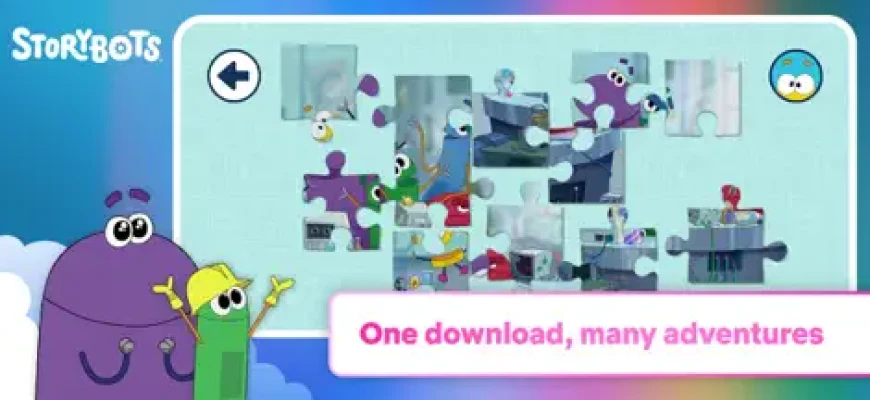
Netflix Playground is a kid-friendly mobile app developed by Netflix, Inc. It brings together a collection of games and activities inspired by popular children's entertainment. Instead of focusing on one storyline or gameplay system, it gives young players access to different experiences through a central hub.
Children can explore familiar worlds, interact with recognizable characters, discover simple educational challenges, and enjoy creative activities. The collection is designed primarily for toddlers and children in preschool and kindergarten, making it suitable for early learning and supervised entertainment.
The app combines entertainment with basic learning concepts. Some activities introduce letters, numbers, and shapes, while others encourage children to recognize patterns, remember pictures, solve simple puzzles, and experiment with creative tools.
One of the main attractions is its variety. A child can move from a memory game to a coloring activity, then explore a character-based adventure or watch a favorite show. This variety helps keep the experience fresh without requiring children to learn a complicated control system.
Main Features of Netflix Playground
A Collection of Children's Games
Netflix Playground offers different types of activities in one application. Rather than downloading several separate games, children can explore multiple experiences from a central location.
The available collection can include educational challenges, creative activities, puzzles, character adventures, and interactive mini-games. The selection may change as Netflix introduces new content and updates existing experiences.
Familiar Characters and Worlds
The app features characters from well-known children's entertainment properties. Depending on the available content, children can explore activities connected to:
PAW Patrol
Gabby's Dollhouse
Peppa Pig
Sesame Street
Blippi
Numberblocks
KPop Demon Hunters
Dr. Seuss's Horton!
My Very Hungry Caterpillar
PJ Masks
Each character collection offers a different style of interaction. Some focus on early learning, while others emphasize creativity, movement, music, or simple problem-solving.
Early Learning Activities
Several activities introduce basic concepts that are useful during early childhood development. Children can practice recognizing letters, identifying numbers, matching shapes, and understanding simple relationships between objects.
These activities turn basic learning exercises into interactive experiences. Instead of only looking at letters or numbers, children can engage with them through colorful challenges and familiar characters.
Coloring and Drawing
Creative activities allow children to experiment with colors, pictures, and visual expression. They can explore different combinations and enjoy making their own creations without needing to follow complicated instructions.
Memory and Matching Games
Memory-based activities encourage children to observe pictures, remember where objects appear, and find matching pairs. These simple challenges help develop attention and visual recognition.
Puzzles and Problem-Solving
The app includes puzzle-style experiences that introduce children to basic problem-solving. Players may need to match objects, complete simple patterns, connect elements, or work out what belongs in a particular place.
Music and Interactive Entertainment
Some experiences include music, movement, and character-based interactions. These activities provide a change of pace from traditional educational games and give children additional ways to engage with their favorite characters.
Ad-Free Experience for Netflix Members
Netflix Playground is included with a Netflix membership. According to Netflix, members can access the games without in-game advertisements or additional game fees. This makes the experience different from many children's apps that display advertising or repeatedly promote optional purchases.
Popular Activities and Character Experiences
PAW Patrol Academy
PAW Patrol Academy introduces young players to activities featuring familiar rescue pups such as Chase, Marshall, and Skye. Children can explore early learning challenges involving numbers, letters, shapes, and coloring.
The best approach is to let children explore each activity at their own pace. Repeating a familiar challenge can help them become more comfortable recognizing basic symbols and patterns.
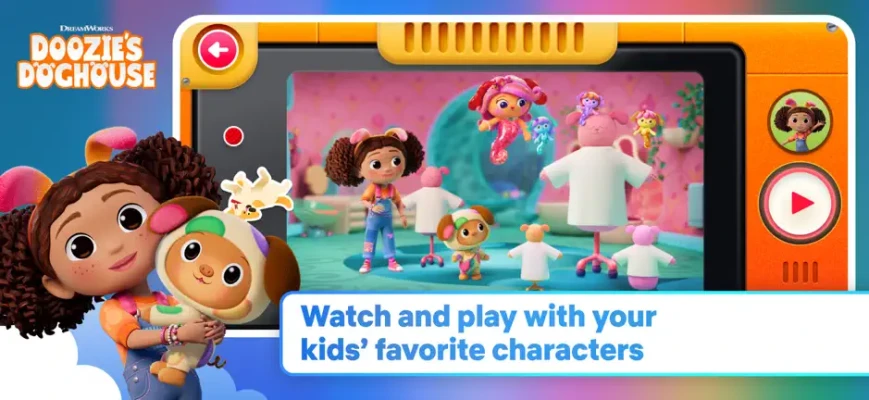
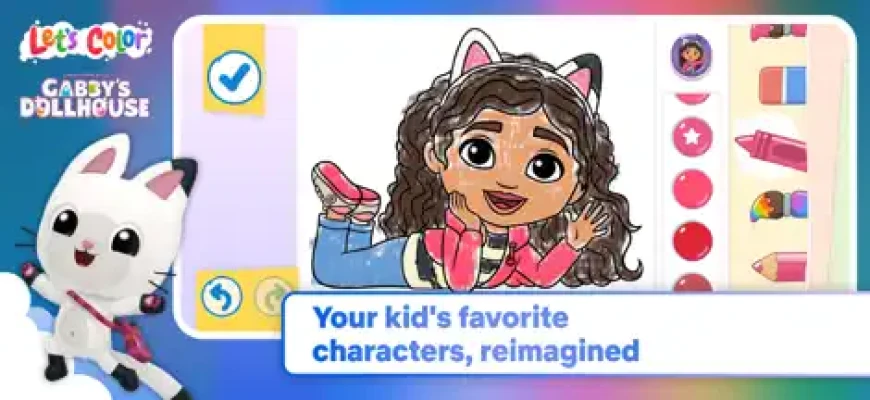
Gabby's Dollhouse
Gabby's Dollhouse offers playful experiences inspired by Gabby and her cat friends. Activities can include dressing up characters, matching pictures, and other simple learning challenges.
Children who enjoy customization can spend time experimenting with different outfits and combinations. Memory activities also provide opportunities to practice observation and recall.
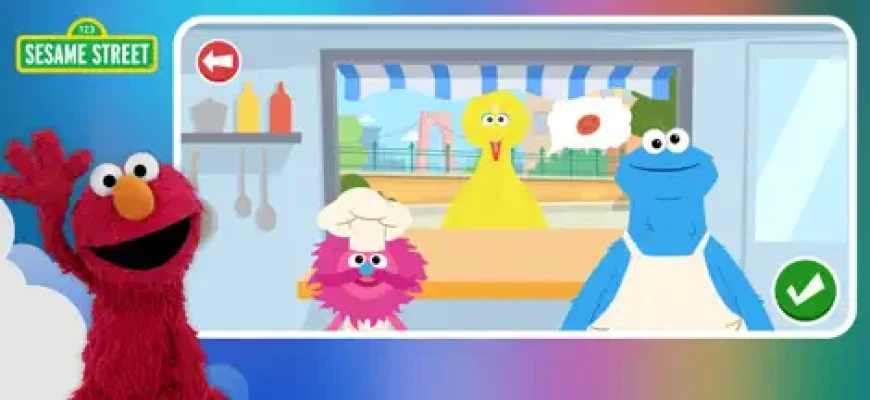
Sesame Street
Sesame Street brings familiar characters such as Elmo, Big Bird, and Cookie Monster into interactive activities. Memory cards and connect-the-dots challenges are examples of experiences that encourage matching and coordination.
Children can benefit from taking their time with each activity rather than trying to finish as quickly as possible.
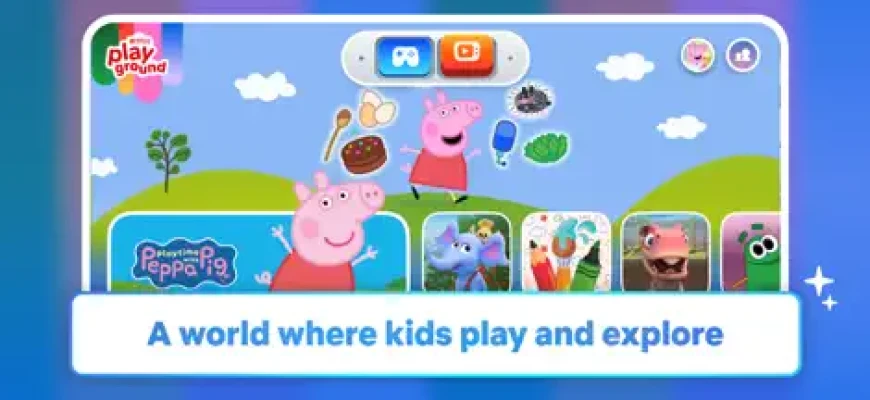
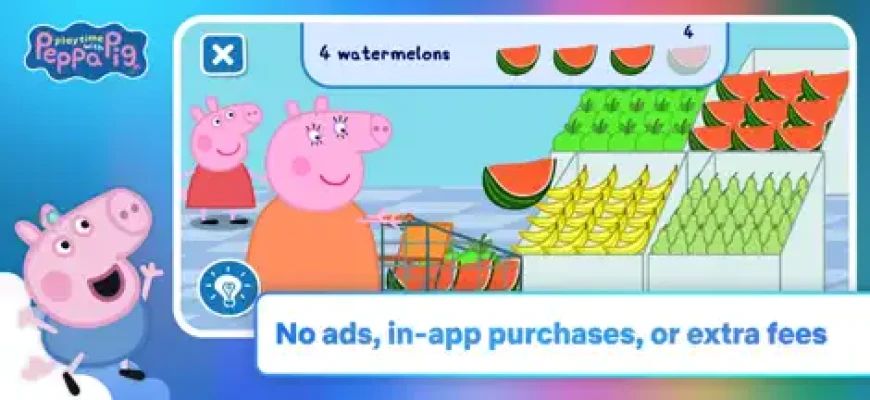
Playtime with Peppa Pig
Peppa Pig activities introduce a collection of everyday-themed experiences. Depending on the available activity, children can care for guinea pigs, drive a bus, make a smoothie, and explore other playful situations.
These activities are particularly suitable for imaginative play because they connect simple interactions with familiar situations.
Numberblocks
Numberblocks activities introduce early mathematics through colorful characters and playful number challenges. Children can explore number recognition, counting, and simple number relationships.
Parents can make these activities more useful by discussing the numbers on the screen and connecting them to everyday objects.
Blippi
Blippi and Meekah bring discovery-focused activities into the collection. Children can explore playful experiences involving subjects such as dinosaurs, rockets, and other areas of curiosity.
These activities can encourage children to ask questions and explore new ideas.
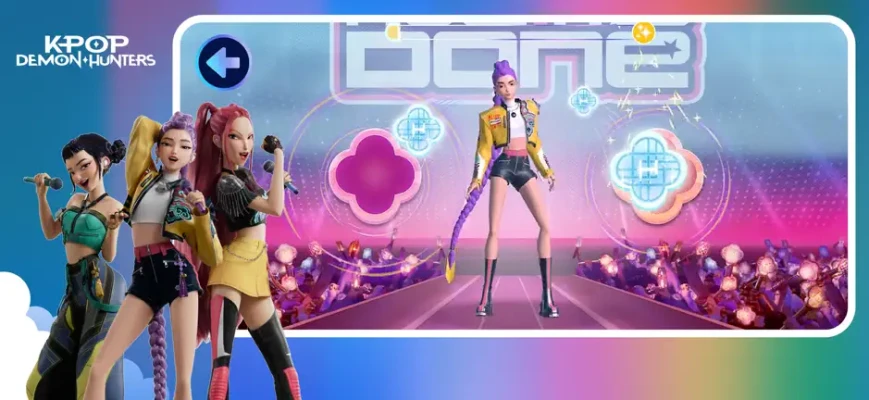
KPop Demon Hunters
The KPop Demon Hunters experiences add music, creativity, and character-based entertainment to the collection. Activities can include tracing shapes, using character stickers, and engaging with music-inspired content.
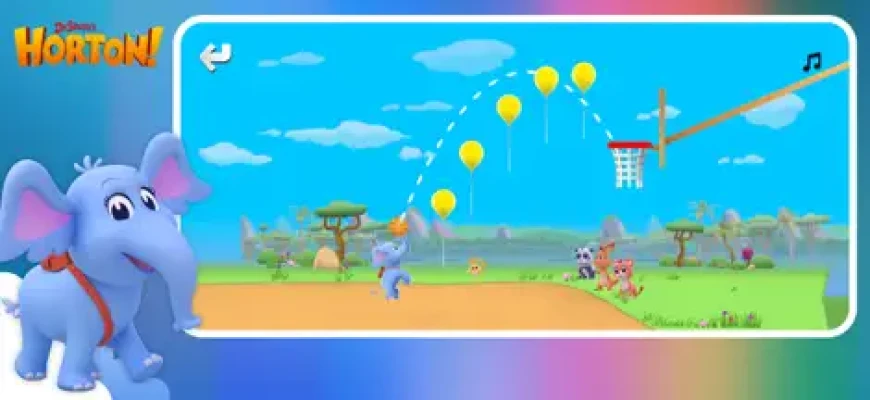
Dr. Seuss's Horton!
Horton's world introduces colorful environments and cause-and-effect activities. Children can experiment with simple interactions and discover how different actions produce different results.
The experience can also include playful activities such as skateboarding and basketball.
My Very Hungry Caterpillar
Inspired by Eric Carle's well-known children's book, this experience allows children to interact with a growing caterpillar and provide it with fruit.
It offers a simple introduction to caring for a character and observing how an experience changes through repeated interactions.
PJ Masks
PJ Masks brings action-oriented mini-games featuring characters such as Catboy, Owlette, and Gekko. Children can enjoy movement-based challenges involving racing through streets and navigating rooftops.
How to Play Netflix Playground
Start with the Main Screen
After installing the application and signing in with an eligible Netflix account, explore the main screen to see the available games and activities.
The app acts as a central library, so children do not need to follow one fixed sequence. They can choose an experience based on their favorite characters or the type of activity they want to try.
Choose an Activity
Select a game or character collection to open its available activities. Some experiences focus on learning, while others emphasize creativity, music, memory, or exploration.
For younger children, it can help to begin with activities that have simple visual instructions and straightforward interactions.
Learn the Controls
Most activities are designed around simple touchscreen interactions. Depending on the game, children may need to tap an object, drag an item, select a matching picture, trace a shape, or move a character.
Take a moment to understand the instructions before beginning. Demonstrating an interaction once can help a young child understand what to do next.
Explore at a Comfortable Pace
There is no need to rush through the collection. Children can repeat activities they enjoy, try something different, or return to a familiar character whenever they want.
The purpose is to encourage enjoyable exploration rather than competition or high scores.
Full Strategy Guide for Netflix Playground
Netflix Playground does not have one universal campaign, final boss, or traditional winning strategy. Each mini-game has its own objectives and interactions. The most effective approach is to understand the type of activity being played and help children build confidence through repetition and exploration.
Strategy for Learning Numbers
Start with activities that introduce a small group of numbers. Encourage children to recognize each number before moving to more challenging exercises.
Useful tips:
Practice counting objects on the screen.
Ask children to identify numbers they already recognize.
Repeat activities when a number is unfamiliar.
Connect on-screen numbers with everyday objects.
Introduce simple counting exercises during regular play.
For example, if an activity displays several objects, ask the child to count them aloud before selecting an answer.
Strategy for Learning Letters
Letter-based activities work best when children can recognize familiar symbols gradually.
Begin with letters the child already knows, such as the first letter of their name. Then introduce additional letters through short and repeated activities.
Helpful techniques include:
Say each letter aloud.
Connect letters with familiar words.
Look for the same letter in different places.
Repeat difficult activities without pressure.
Encourage children to recognize letters independently.
Strategy for Shape Recognition
Shape-based activities can help children understand basic visual differences.
Encourage them to identify circles, squares, triangles, and other shapes. Ask them to compare objects and explain what makes one shape different from another.
Rather than giving every answer immediately, allow the child a moment to observe the available choices.
Strategy for Memory Games
Memory challenges reward careful observation and remembering where pictures appear.
A useful method is to focus on a small number of cards at a time. Children can turn over a card, observe its picture, and remember its position before looking for a match.
To improve performance:
Pay attention to each picture before moving on.
Remember the location of familiar images.
Avoid tapping randomly.
Take time to study the available cards.
Repeat the activity to become more familiar with the patterns.
Young children may need several attempts before they become comfortable with memory games. Repetition is part of the learning process.
Strategy for Matching Challenges
Matching activities often require players to connect related objects, pictures, or symbols.
Look carefully at the available choices before selecting an answer. Encourage children to compare colors, shapes, and recognizable details.
If a child makes a mistake, use it as an opportunity to explain what makes two objects different.
Strategy for Puzzles
The best way to approach a puzzle is to identify its objective before interacting with the screen.
Children should examine the available pieces, notice obvious patterns, and try one action at a time. If the solution is unclear, experimenting with different possibilities can help them understand the puzzle's logic.
Parents can support the process by asking questions rather than immediately completing the challenge for the child.
Strategy for Coloring and Drawing
Creative activities are not about finding one correct answer. Children can experiment with different colors, explore the available tools, and create pictures according to their imagination.
Encourage creativity rather than focusing on whether a drawing looks perfect. Asking children to describe their creations can also make the activity more interactive.
Strategy for Character-Based Activities
When exploring a familiar character's world, begin by looking at the available activities and identifying their objectives.
For example, a dress-up activity may encourage experimentation with outfits, while a character adventure may require tapping objects or completing simple tasks.
Allow children to explore different interactions. They may discover additional details by trying objects and actions that initially appear unimportant.
Strategy for Music and Rhythm Activities
Music-based experiences can be enjoyed by listening carefully and following the instructions presented on the screen.
Encourage children to pay attention to sounds, recognize repeated patterns, and participate at their own pace. These activities should remain enjoyable rather than becoming stressful exercises.
Strategy for Cause-and-Effect Activities
Some experiences allow children to discover how actions produce different results.
The best approach is to experiment with one interaction at a time. Observe what happens, then try another action and compare the outcome.
This encourages curiosity and helps children understand basic cause-and-effect relationships.
Tips for Parents and Families
Choose Age-Appropriate Activities
Netflix Playground is designed primarily for young children, but not every activity will suit every child's interests or development level.
Choose activities based on the child's age, confidence, and familiarity with touchscreen controls.
Explore Together
Playing alongside a child can make the experience more meaningful. Parents can explain unfamiliar words, ask questions, and connect the activities with everyday learning.
For example, after a number game, count toys or household objects together.
Encourage Independent Exploration
Children should have opportunities to make their own choices and discover how activities work. Offer guidance when needed, but avoid completing every challenge on their behalf.
Keep Play Sessions Balanced
Digital games can be one part of a child's entertainment and learning routine. Balance screen time with reading, outdoor activities, physical play, and face-to-face interaction.
Use Parental Controls
Netflix Playground includes in-app controls, and parents should review the available settings to manage the experience appropriately.
Check the content available to the child's profile and make sure the selected activities are suitable.
Manage Device Storage
A collection of games can use a considerable amount of device storage. Check available space before installing the app and its content.
Netflix also provides guidance for managing installed games and storage through the app's settings.
Is Netflix Playground Suitable for Young Children?
Netflix Playground is designed for toddlers and young children, including preschool and kindergarten-age players. Its activities focus on simple interactions, familiar characters, early learning, and creative exploration.
The App Store lists the app with a 4+ age rating and additional in-app controls. Parents should still review the available content because individual experiences may have different themes and age suitability.
The app can be useful for introducing basic concepts, but it should not be considered a replacement for school instruction, reading with parents, or hands-on learning.
Does Netflix Playground Require a Subscription?
Yes. A Netflix membership is required to access the full experience.
The app can be downloaded from the App Store, but access to its games and activities is included with an eligible Netflix membership. Netflix describes the experience as ad-free, without additional in-game fees for members.
The exact subscription price depends on the country and plan.
Can You Play Netflix Playground Offline?
Netflix states that its Playground games can be played offline. However, downloading the app, signing in, and preparing the games may require an internet connection. It is sensible to open the app and make sure the desired content is ready before travelling.
Frequently Asked Questions
What is Netflix Playground?
Netflix Playground is a collection of children's games, educational activities, puzzles, and creative experiences featuring characters from popular shows.
Is Netflix Playground a single game?
No. It is a central app that provides access to multiple games and activities rather than one standalone game with a single storyline.
Is Netflix Playground free?
The app is available to download, but a Netflix membership is required to access its included games and activities.
Does Netflix Playground contain advertisements?
Netflix describes the experience as ad-free for members.
What age group is Netflix Playground designed for?
It is primarily designed for toddlers, preschoolers, and kindergarten-age children. The App Store lists it as 4+ with additional in-app controls.
Can children learn numbers and letters?
Yes. Some activities introduce number recognition, letters, shapes, and other early learning concepts through interactive challenges.
Does Netflix Playground include Peppa Pig?
Yes. The collection includes Playtime with Peppa Pig, with activities such as caring for guinea pigs, driving a bus, and making a smoothie.
Are PAW Patrol characters included?
Yes. PAW Patrol Academy includes activities featuring familiar rescue pups and introduces concepts such as numbers, letters, and shapes.
Does the app include memory games?
Yes. Some character experiences include memory and matching activities that encourage observation and recall.
Can children draw and color?
Yes. Coloring and creative activities are among the experiences available in Netflix Playground.
Can Netflix Playground be played offline?
Netflix states that its Playground games support offline play. An internet connection may still be needed for initial setup and account access.
Is Netflix Playground available on iPhone and iPad?
Yes. The app is available for compatible iPhone and iPad devices. Check the current App Store listing for the operating-system requirements that apply to your device and region.
Who developed Netflix Playground?
Netflix, Inc. is the developer and provider of the application.
Final Verdict
Netflix Playground is a convenient destination for families looking for a variety of children's games and interactive learning activities in one application. Its biggest strength is the combination of familiar entertainment characters with simple educational challenges, creative experiences, puzzles, and playful exploration.
The collection offers more variety than a traditional single-purpose learning game. Children can practice numbers and letters, experiment with coloring, solve memory challenges, and explore activities inspired by their favorite shows.
Its Netflix membership requirement means it is not a completely free-to-use app, but members can access the included experience without in-game advertisements or extra game fees.
For families with young children who enjoy interactive characters and simple learning games, Netflix Playground is a worthwhile app to explore. Parents can get the most value from it by choosing age-appropriate activities, playing together when useful, and balancing digital entertainment with other forms of learning and play.
Rate the Game
User Reviews

Popular Games















 Android
 iOS
 Windows
 Xbox