
Latest Version
October 20, 2026
SayGames Ltd
Simulation
0
com.h8games.littlefarmstory
Report a Problem
More About :game
Game Overview
Game information and gameplay overview
Game title: Little Farm Story: Idle Tycoon
Developer: SayGames Ltd
Genre: Farming simulation, idle tycoon, management
Platform: Android, with Windows availability through Google Play Games
Game modes: Single-player
Gameplay style: Casual, lighthearted, and progression-based
Main activities: Growing crops, clearing land, fulfilling orders, unlocking workshops, producing goods, and expanding the farm
Monetization: Contains advertisements and in-app purchases
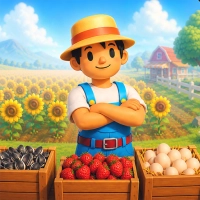
The game combines the relaxing atmosphere of a farming simulator with the steady progression of a tycoon game. Rather than focusing on strict deadlines, it encourages players to develop their property, manage resources, and gradually unlock more opportunities.
What Makes Little Farm Story: Idle Tycoon Fun?
The appeal of Little Farm Story comes from the way simple farming activities gradually develop into a larger business. Every improvement can help you unlock new possibilities, serve more customers, and make better use of your available land.
Build and Customize Your Farm
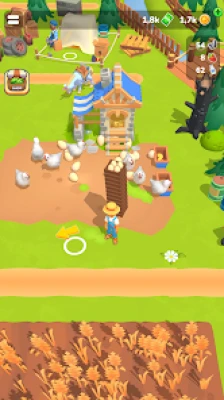
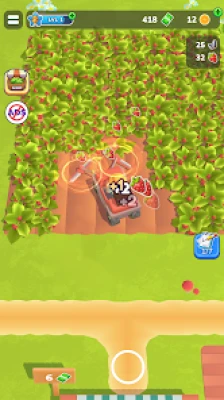
Your journey begins with a small property that can grow into a productive countryside farm. As you progress, you can clear land, unlock additional areas, construct buildings, and personalize your surroundings. Expanding thoughtfully helps you make room for more crops, production facilities, and other useful structures.
Grow Crops and Discover New Plants
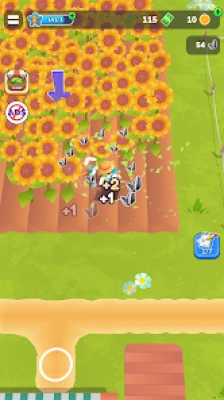
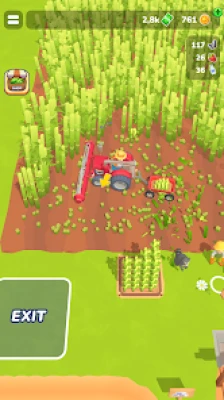
Plant cultivation is one of the central activities. Different plants expand your farming options and give you more ways to meet customer demands. Unlocking additional crops adds variety to your farm and creates opportunities to develop a wider selection of goods.
Open Workshops and Produce Goods
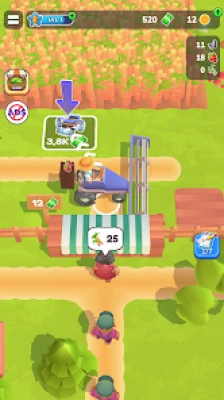
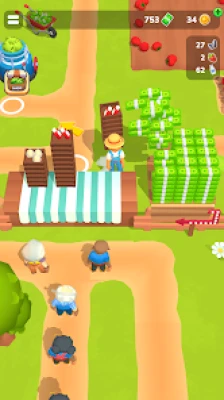
Workshops help turn farming into a broader business. Instead of concentrating only on harvesting crops, you can develop production facilities and create goods that satisfy customer requests. This adds another layer of planning because you must balance available resources with your production goals.
Complete Customer Requests
Customer requests give your farming activities a practical purpose. Fulfilling them helps you progress and encourages you to grow the crops or produce the goods your customers need. Paying attention to these requests can make your next upgrade decisions easier.
Enjoy Relaxed Farming Gameplay
Little Farm Story is designed for casual play. You can spend a short session collecting produce and making improvements or take longer to develop your property. Its relaxed approach makes it appealing to players who enjoy gradual progression without the pressure of demanding time limits.
How to Play Little Farm Story: Beginner's Guide
If you are new to Little Farm Story: Idle Tycoon, the best approach is to learn the basic farming and business systems before spending resources on larger projects.
Step 1: Learn the Basic Controls
Start by exploring the available fields, buildings, crops, and interactive objects. Pay attention to the instructions displayed by the game, as they introduce the actions needed to manage your farm.
Take a moment to understand how to plant and harvest crops, interact with buildings, collect rewards, and access upgrades. Becoming familiar with these basic actions makes later expansion easier.
Step 2: Focus on Your First Farming Tasks
Follow the initial objectives and complete the tasks that introduce you to the game's main systems. These activities help you understand how crops, customer orders, and farm improvements work together.
Avoid spending your early resources on unrelated upgrades before you understand which tasks will help you progress.
Step 3: Harvest Crops and Manage Resources
Regular harvesting keeps your farm productive and gives you resources for your next objectives. Collect available produce before deciding what to plant or develop next.
Try to avoid using all your resources at once. Keeping some flexibility allows you to respond to customer requests and unlock important improvements when they become available.
Step 4: Fulfill Customer Orders
Check which products customers want and use those requests to guide your farming decisions. If a particular crop or crafted product is needed, prioritize the activities that help you supply it.
Completing relevant orders can provide a clearer path forward than upgrading buildings without a specific goal.
Step 5: Unlock New Buildings and Workshops
As your farm develops, invest in new facilities when they support your current objectives. Workshops expand your production options and can help you turn basic resources into more useful products.
Read each building's requirements before committing resources, especially when several upgrades are available.
Step 6: Expand Your Land
Clearing additional land creates space for new crops and structures. However, expansion is most useful when you have a clear plan for the available space.
Open new areas when your existing farm is becoming restrictive or when a new objective requires additional room. This keeps your progress focused and reduces unnecessary spending.
Best Tips and Tricks for Faster Farm Progress
Growing a successful farm is about more than planting as many crops as possible. Good decisions about resources, customer orders, and upgrades can make your progress smoother.
Follow Objectives Before Making Major Purchases
Your current objectives provide direction. Before investing in a new building or clearing another area, check whether your next task requires a specific resource, crop, or facility.
This simple habit helps prevent wasted resources and keeps your farm moving toward useful milestones.
Prioritize Useful Upgrades
Not every available improvement needs to be purchased immediately. Focus on upgrades that help you complete tasks, increase production, unlock new content, or address a genuine bottleneck.
A useful upgrade should solve a problem or make your next stage of progression easier.
Keep Your Farm Productive
Make harvesting part of your regular routine. Collecting ready crops helps you maintain access to the resources needed for orders and production.
When returning to the game, start by checking which activities are ready for collection and which tasks need attention.
Balance Farming With Production
Crops are important, but workshops can be equally valuable as your farm expands. Plan your farming around the products you need rather than producing resources without considering how they will be used.
A balanced farm has both the resources needed for production and the facilities required to process them.
Save Resources for Important Milestones
It can be tempting to spend every available coin or resource as soon as you can afford an upgrade. A better strategy is to maintain a reserve whenever possible.
Saving resources gives you more flexibility when a new building, land expansion, or important objective becomes available.
Expand With a Purpose
More land is useful only when you can make productive use of it. Before clearing a new area, consider what you want to place there and whether your current resources can support the expansion.
This approach helps you build a more organized farm while avoiding unnecessary development costs.
Check Customer Requests Regularly
Customer needs can help determine which crops to plant and which goods to produce. Reviewing available requests before choosing your next activity reduces the chance of spending time on products that do not support your immediate goals.
Take Advantage of Available Rewards
Check the game for available rewards, special tasks, and optional bonuses. If an advertisement offers a reward you consider worthwhile, decide whether the time spent watching it is justified by the benefit.
You do not need to treat every optional reward as mandatory. Choose those that support your current priorities.
Avoid Rushing Through Every Unlock
Unlocking new content is exciting, but opening multiple facilities at once can stretch your resources. Develop one area at a time when doing so helps you maintain a steady supply of materials and complete your current tasks.
Return With a Clear Plan
A short, focused session can be more productive than repeatedly tapping through unrelated activities. Decide whether your next session will focus on harvesting, fulfilling requests, upgrading production, or opening new land.
Having a simple goal makes your progress easier to manage.
Crop Management Strategy
Crop management is a core part of building a profitable farm in Little Farm Story. The most effective approach is to grow what you need while maintaining enough flexibility to respond to new requests.
Choose Crops Based on Your Needs
Before planting, consider the products currently required by customers and any resources needed by your workshops. Prioritizing useful crops helps keep your production plans connected to your progression goals.
Avoid Unplanned Resource Use
Growing a large quantity of one crop may not always be the best choice. If your next objective requires several different products, concentrating too heavily on one resource could slow your progress.
Keep your immediate objectives in mind and adjust your farming decisions accordingly.
Build a Repeatable Harvesting Routine
A consistent routine helps you identify ready crops, collect resources, and prepare the next stage of production. Use each visit to review what is available and what you need next.
A practical routine is:
Collect ready crops and available goods.
Review current customer requests.
Identify the resources required for your next objective.
Plant or prepare the resources you need.
Spend remaining resources on useful upgrades.
This process creates a simple cycle of farming, production, and development.
Workshop and Production Guide
Workshops add a business-management element to Little Farm Story. They allow you to expand beyond basic cultivation and develop a wider range of products.
Understand the Role of Workshops
Workshops are useful because they connect farming resources with customer needs. When deciding which facility to unlock or improve, consider whether it supports your current objectives and expands your production options.
Prioritize Relevant Production Facilities
Rather than investing in every available workshop at once, focus on facilities that help you meet existing demands or unlock the next stage of progress.
Review the requirements of a new facility and make sure you understand the resources needed to use it effectively.
Plan Around Production Requirements
Production often involves more than one step. You may need to grow or collect the necessary materials before using a facility to create another product.
Planning ahead reduces interruptions and makes it easier to organize your farming activities.
Avoid Unnecessary Upgrades
Upgrading a facility simply because an improvement is available can leave you short of resources for more important tasks. Consider the practical benefit of each upgrade before purchasing it.
The best choice is the one that helps you overcome your current limitations.
Farm Expansion and Building Strategy
Expanding your property is an important milestone, but successful development requires a balance between available space and the resources needed to use it.
When Should You Clear More Land?
Consider expansion when your existing property no longer provides enough room for your next objective, when a new facility requires additional space, or when your current layout makes farming difficult.
If your present land is sufficient, improving existing production may be a better use of your resources.
How to Organize Your Farm
A practical layout keeps related activities easy to manage. Where the available building options permit, consider grouping crops, production facilities, and other structures according to their purpose.
An organized farm can make routine tasks easier to complete and help you identify which areas need attention.
Balance Buildings With Crops
Buildings and workshops support production, while fields provide the resources that many farming activities depend on. Expanding one side of your farm without considering the other can create an imbalance.
Try to ensure that your new facilities support a realistic farming plan.
Expand Gradually
There is no need to unlock every available area immediately. Gradual expansion allows you to learn each new system, understand its requirements, and build up the resources needed for the next milestone.
Resource and Money Management
Managing your resources carefully can make the difference between steady progress and repeated delays.
Spend on Progress, Not Just Appearance
Customizing your farm can be enjoyable, but when resources are limited, prioritize purchases that improve your ability to complete tasks or produce goods.
You can focus more on optional customization once your essential farming and production needs are covered.
Maintain a Resource Reserve
Keep some resources available for unexpected requirements and important upgrades. This gives you more freedom to react when new objectives become available.
The ideal reserve depends on your current stage of the game, so avoid following a fixed amount that may not suit your circumstances.
Evaluate Each Upgrade
Before spending, ask three questions:
Does this upgrade help with my current objective?
Will it improve production or unlock something useful?
Will I still have enough resources for my next important task?
If an upgrade does not offer a meaningful benefit, consider postponing it.
Be Careful With In-App Purchases
Little Farm Story includes optional in-app purchases. Paid items may provide convenience, but you can still make strategic decisions about farming, production, and expansion without automatically purchasing every offer.
Set a budget if you choose to spend money, and evaluate optional purchases based on your own needs rather than pressure to progress faster.
Advanced Strategy for Experienced Players
Once you understand the basic farming loop, you can make your progress more efficient by planning several actions ahead.
Use a Goal-Based Production Cycle
Instead of choosing activities randomly, identify your next major objective and work backward.
For example, if an objective requires a product from a workshop, determine which materials are needed, which crops provide those materials, and whether you have enough space and resources to produce them.
This creates a logical sequence:
Objective → Required product → Production facility → Materials → Crops and resources
Following this sequence helps reduce unnecessary actions and makes your decisions more purposeful.
Identify Bottlenecks
A bottleneck is the part of your farm that slows down everything else. It might be a lack of space, insufficient resources, an unavailable building, or a product you cannot yet manufacture.
Rather than upgrading several unrelated areas, focus on the specific limitation holding you back.
Make Expansion Support Production
When you unlock new land, consider how it will contribute to your wider farming operation. Additional space should support crops, production, or other useful activities instead of becoming an expensive area that does not help you progress.
Reassess Your Priorities
As you unlock new crops, facilities, and areas, your priorities will change. A building that was useful early in the game may no longer be the best investment later.
Regularly review your current objectives and direct your resources toward the systems that matter most at your present stage.
Common Mistakes to Avoid
Even a relaxed farming game can become unnecessarily slow when resources are used without a plan.
Expanding too early: Opening new land without enough resources or a clear purpose can delay more useful upgrades.
Ignoring customer requests: Growing and producing goods without considering current demands may lead to wasted effort.
Spending all available resources: Using everything on a single upgrade can leave you unprepared for the next objective.
Unlocking too many facilities at once: New buildings are most useful when you can support their requirements and make productive use of them.
Neglecting production: Concentrating exclusively on crops can limit your ability to develop crafted goods and fulfill certain requests.
Buying upgrades without checking their benefits: An upgrade should support your immediate needs or a clear long-term goal.
Treating optional rewards as essential: Advertisements and paid offers are choices. Evaluate them according to their usefulness and your preferences.
Playing without a goal: A simple plan for each session can help you use your time and resources more effectively.
Is Little Farm Story: Idle Tycoon Offline?
Little Farm Story: Idle Tycoon is listed as an offline-capable game on Google Play. This makes it a potential choice for players who want a farming game they can enjoy without a continuous internet connection.
However, some features, advertisements, purchases, or online community functions may require connectivity. Availability can also vary by platform and game version.
Does Little Farm Story Have Multiplayer?
The core game is presented as a single-player farming and management experience. However, the Google Play listing has also announced a Teams feature, allowing players to join or create teams, communicate with other farmers, and share resources.
Because features can change with updates, check the options available in your installed version to see which team activities are currently supported.
17. Is Little Farm Story: Idle Tycoon Free to Play?
The game is available through Google Play with advertisements and optional in-app purchases. Players can begin developing their farms without assuming that every upgrade or reward requires a purchase.
The experience of progression and advertising may vary depending on the current version and individual play style. If you prefer not to spend money, focus on completing objectives, using resources carefully, and evaluating optional rewards before choosing them.
Who Should Play Little Farm Story?
Little Farm Story: Idle Tycoon may appeal to several types of players.
Fans of farming games: Enjoy planting crops, harvesting resources, and expanding a countryside property.
Casual gamers: Play in short sessions without needing to focus on intense competition.
Tycoon game enthusiasts: Experiment with resource management, production, and business growth.
Creative players: Customize their farms and develop their own approach to expansion.
Players who enjoy progression: Unlock new crops, workshops, tools, and areas over time.
Relaxation seekers: Enjoy a lighthearted game that emphasizes gradual development.
It may be less suitable for players who want realistic agricultural simulation, complex economic modeling, or competitive multiplayer as the primary focus.
Frequently Asked Questions
What is Little Farm Story: Idle Tycoon?
Little Farm Story: Idle Tycoon is a casual farming simulation game in which you grow crops, clear land, develop workshops, fulfill customer requests, and expand a small farm into a larger agricultural business.
How do you progress faster in Little Farm Story?
Focus on current objectives, prioritize useful upgrades, keep your crops productive, and use customer requests to guide your production decisions. Avoid spending resources on expansion or buildings that do not support your next milestone.
What is the best strategy for beginners?
Follow the introductory tasks, learn the basic controls, collect available resources, and invest in improvements that help you complete objectives. Expand gradually as your production needs increase.
How can you earn and manage more money?
Build a consistent farming and production routine, complete customer requests, and avoid unnecessary purchases. The best resource strategy is to invest in improvements that directly support your current stage of progress.
Should you unlock new land as soon as possible?
Not necessarily. Expand when you need additional room for useful crops, buildings, or a specific objective. If your existing farm can support your current goals, improving it first may be more efficient.
Are workshops important in Little Farm Story?
Yes. Workshops expand the production side of the game and help connect harvested resources with customer demands. Prioritize facilities that support your current objectives.
Can you play Little Farm Story without an internet connection?
The game is listed as supporting offline play, although certain online features and services may require an internet connection.
Does Little Farm Story contain advertisements?
Yes. The game includes advertisements and optional in-app purchases. The availability and presentation of ads can vary by version and region.
Can you customize your farm?
Yes. Farm customization and building development are part of the experience, alongside crop cultivation, production, and land expansion.
Is Little Farm Story suitable for casual players?
Its relaxed pace, lighthearted presentation, and gradual progression make it a reasonable choice for players who enjoy casual farming and management games.
Is Little Farm Story a multiplayer game?
The main experience is single-player, while the game's announced Teams feature introduces community interactions. The specific features available depend on the current version.
Final Thoughts
Little Farm Story: Idle Tycoon offers a welcoming combination of farming, resource management, customization, and business progression. Its appeal comes from starting with a modest plot of land and gradually turning it into a productive farm with a wider variety of crops, workshops, and buildings.
The best approach is to make each decision serve a purpose. Follow your objectives, manage your resources carefully, fulfill customer requests, and expand when your farm is ready. With a little planning, you can enjoy a steady sense of progress without turning a relaxing farming game into a stressful task.
Whether you are looking for beginner tips, farm expansion advice, crop management strategies, or a complete Little Farm Story guide, understanding the relationship between cultivation, production, and customer demands will help you make better decisions throughout your farming journey.
Rate the Game
User Reviews














Popular Games



















 Android
 iOS
 Windows
 Xbox