

Latest Version
October 19, 2026
SayGames Ltd
Simulation
0
com.decor.life
Report a Problem
More About :game
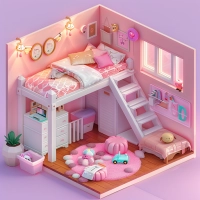
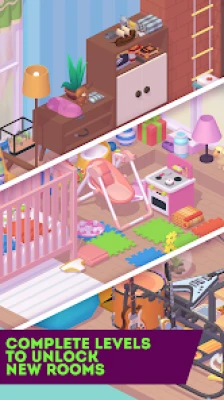
Decor Life is a casual home decorating game that lets players experience the process of renovating and organizing living spaces. Instead of focusing on combat, competition, or difficult puzzles, the game centers on creativity, furniture arrangement, and interior design.
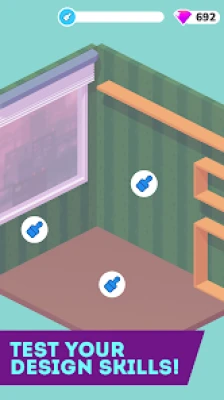
Each renovation begins with an existing room filled with furniture and personal belongings. Players sort the contents into boxes before selecting design options, unpacking items, and arranging everything in the renovated space.
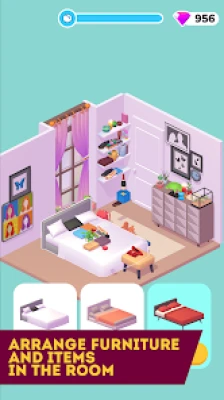
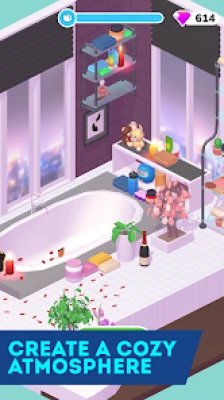
The freedom to experiment is one of the game's biggest attractions. You can try different furniture arrangements, combine decorative objects, and develop your own visual style. Whether you prefer a cozy bedroom, a tidy living room, or an unusual creative space, Decor Life gives you room to explore your ideas.
Decor Life Game Information
Full Name: Decor Life: Home Design Game
Developer: SayGames Ltd
Genre: Home design, renovation, simulation, and casual
Platform: Android and iOS, with availability on supported Windows devices
Game Mode: Single-player
Main Activities: Sorting, unpacking, furniture placement, room renovation, and interior decoration
Controls: Touchscreen tapping, dragging, and item placement
Progression: Multiple rooms and locations accessible through the game map
Monetization: Free to download, with advertisements and optional in-app purchases
Gameplay Style: Relaxing, creative, and open-ended
Main Features of Decor Life
1. Creative Home Decoration
Decor Life allows you to experiment with furniture, colors, and decorative objects without requiring professional interior design knowledge. You can explore different arrangements and create rooms that reflect your personal taste.
2. Complete Room Renovation
The game follows several stages of the renovation process, from clearing out the original room to placing the final decorative touches. This creates a satisfying sense of progress as each space gradually transforms.
3. Furniture and Decoration Variety
Players encounter a broad range of objects, including sofas, tables, beds, books, paintings, lamps, and other household belongings. Some rooms also feature unusual items that require creative placement.
4. Unpacking and Organization
Sorting objects into boxes is an important part of the gameplay. Organizing belongings before decorating helps make the renovation process feel more realistic and gives players a chance to plan the new layout.
5. Multiple Rooms and Locations
The game features a variety of spaces with different layouts and atmospheres. Exploring the available locations keeps the experience fresh and provides opportunities to try new decorating approaches.
6. Freedom of Choice
Decor Life does not require every room to follow a single design formula. Players can make their own choices and enjoy the results according to their preferences rather than chasing one universal decorating solution.
7. Relaxing Casual Gameplay
The simple controls and creative activities make Decor Life suitable for short breaks or longer decorating sessions. It is especially appealing to players who enjoy organization games, home makeover simulations, and interior design challenges.
How to Play Decor Life
Getting started is easy, even if you have never played a home design game before.
Step 1: Choose a room. Explore the available locations and select a space you want to renovate.
Step 2: Clear the original room. Pick up furniture and personal belongings, then sort the objects into the appropriate boxes.
Step 3: Explore the design options. Review the available furniture and renovation choices before deciding how you want the finished room to look.
Step 4: Prepare the space. Consider the room's layout and identify suitable locations for large furniture pieces.
Step 5: Unpack the belongings. Take the stored objects out of their boxes and begin returning them to the room.
Step 6: Arrange the furniture. Place beds, sofas, tables, shelves, and other major items where they make the most sense.
Step 7: Add decorations. Use lamps, paintings, books, and smaller accessories to give the room personality.
Step 8: Review the finished design. Look over the entire room, adjust any awkward placements, and enjoy your completed renovation.
Complete Decor Life Strategy Guide
Although Decor Life is designed to be relaxing, a thoughtful approach can make decorating faster, easier, and more satisfying. These strategies will help you organize objects, plan room layouts, and create attractive interiors.
1. Sort Items Before Decorating
One of the most useful habits is to organize belongings carefully during the clearing stage. Pay attention to which objects belong together and avoid treating every item as something to place randomly.
Grouping similar belongings mentally can make the unpacking process easier. For example, keep books, decorative accessories, and small personal items in mind as separate categories.
A well-organized start reduces confusion when the room is ready for furnishing.
2. Place Large Furniture First
Beds, sofas, wardrobes, and large tables have a major influence on the layout. Decide where these pieces should go before arranging smaller accessories.
Large furniture can determine how much open floor space remains and how easily you can organize the rest of the room. If you decorate around smaller objects first, you may later need to move several items to accommodate a larger piece.
Start with the room's most important furniture, then build the design around it.
3. Think About Function Before Appearance
A room should look attractive, but its arrangement should also make sense.
Place seating where it feels natural, position tables near the furniture they complement, and use shelves or cabinets in locations that suit their purpose. In bedrooms, keep the bed as the main visual feature and arrange nearby furniture around it.
This approach creates a more coherent design without requiring complicated rules.
4. Keep the Layout Balanced
Balance helps a room feel organized rather than overcrowded. If most of the furniture is concentrated on one side, consider whether another piece could help distribute the visual weight more evenly.
Balance does not require perfect symmetry. A large sofa on one side might be balanced by a combination of a table, lamp, and decorative objects on the other.
Look at the room as a whole rather than judging each item separately.
5. Use Colors That Work Together
Color coordination can make even a simple room feel carefully designed.
Choose a general color direction before arranging the final decorations. Soft neutral colors can create a calm atmosphere, while stronger shades can introduce personality and contrast.
You do not need every object to match exactly. A few contrasting accents can make a room more interesting, provided they complement the overall arrangement.
6. Decorate in Layers
A useful decorating method is to work from large elements to small details.
Begin with the main furniture, add secondary pieces such as side tables and shelves, and finish with paintings, lamps, books, and other accessories.
This layered approach helps prevent clutter and makes it easier to decide which details the room actually needs.
7. Avoid Overcrowding the Room
It can be tempting to display every decorative object in the same area. However, too many items can make a room look busy and reduce the impact of individual pieces.
Leave some open space between major furniture items and avoid filling every available surface with decorations.
A carefully chosen selection of accessories often creates a cleaner, more attractive result than placing everything together.
8. Match Decorations to the Room's Character
Different rooms benefit from different design approaches. A bedroom may feel more inviting with soft lighting and personal accessories, while a living room may benefit from coordinated seating and a balanced arrangement of tables and decorations.
Consider the purpose and atmosphere of each space before selecting the final layout.
This gives each room its own identity rather than making every renovation look the same.
9. Experiment With Unusual Objects
Decor Life includes more than standard household furniture. Some rooms contain distinctive belongings, such as musical equipment, unusual artwork, or objects that do not immediately seem to fit the space.
Instead of forcing every item into a conventional arrangement, look for a position where it feels intentional. An unusual object can become a focal point when surrounded by simpler furniture and decorations.
Creative placement is part of what makes the game enjoyable.
10. Explore Different Locations
The game map allows you to explore available rooms rather than necessarily following one fixed sequence. Take advantage of this freedom when you want a change of scenery or a different design challenge.
Switching between locations can also help you discover new furniture combinations and decorating ideas.
If a particular room feels repetitive, try another available space and return later with a fresh perspective.
Best Decor Life Tips for Beginners
If you are new to the game, these practical suggestions can help you build confidence.
Start with a simple layout: Place the largest furniture pieces before worrying about small details.
Organize as you go: Pay attention to the objects you remove from the original room.
Use a consistent style: Choose a general mood or color direction for each renovation.
Leave breathing room: Do not fill every corner simply because space is available.
Check furniture placement: Look at how tables, seating, and storage pieces work together.
Experiment freely: Try alternative arrangements instead of assuming there is only one attractive design.
Finish with accessories: Small details often make the completed room feel more personal.
Explore the map: Visit other available spaces when you want a different creative challenge.
The most important beginner tip is to avoid rushing through the decorating stage. Taking a moment to consider the layout can make the finished room look much more intentional.
Advanced Interior Design Strategies
Create a Clear Focal Point
An effective room often has one feature that attracts attention first. This might be a bed, sofa, prominent artwork, or distinctive decorative object.
Arrange the surrounding furniture so that it supports this focal point rather than competing with it. Smaller decorations should complement the main feature instead of overwhelming it.
Combine Different Furniture Heights
Rooms can look flat when every item has a similar height. Where the available furniture allows it, combine taller pieces such as wardrobes or bookcases with lower tables, seating, and floor-level decorations.
This creates more visual variety and helps the room feel thoughtfully arranged.
Use Open Space Intentionally
Empty space is not necessarily wasted space. It can make the room feel larger, help furniture stand out, and give the overall layout a calmer appearance.
Before adding another object, ask whether the room genuinely needs it. Sometimes leaving an area clear produces a better result.
Develop a Recognizable Style
You can experiment with different themes across rooms, such as minimalist, cozy, modern, traditional, or colorful interiors.
Try choosing a few recurring elements, such as a preferred color combination or a particular approach to accessories. This can help you develop a consistent design style while still allowing each room to feel different.
Revisit the Layout Before Finishing
After placing all the furniture, review the room from a broader perspective. Look for crowded corners, awkward gaps, or decorative objects that do not fit the surrounding arrangement.
Make small adjustments where necessary. Moving just one or two items can sometimes improve the overall appearance considerably.
Common Decorating Mistakes to Avoid
Placing Small Items Too Early
Arranging accessories before the large furniture can create unnecessary extra work. Establish the basic layout first and decorate afterward.
Ignoring the Purpose of the Room
A visually attractive arrangement may still feel unnatural if the furniture does not suit the room's function. Consider how each item relates to the space before placing it.
Using Too Many Colors
Combining too many unrelated colors can make the room feel disorganized. Choose a general palette and introduce contrasting accents selectively.
Filling Every Empty Corner
Empty space can improve the overall design. Avoid adding furniture simply to make every part of the room look occupied.
Treating Every Room the Same Way
Different spaces have different layouts and purposes. Adapt your approach instead of copying the same arrangement throughout the game.
Rushing Through Unpacking
Placing objects without considering their role can lead to a cluttered final result. Take time to identify where each item will be most useful or visually effective.
How to Make Your Decor Life Rooms Look Better
A successful renovation usually comes from combining organization with a clear design plan.
Begin by understanding the room's layout and choosing the most important furniture pieces. Arrange those items first, leaving enough space for movement and secondary furnishings. Next, coordinate the colors and introduce decorations that complement the main design.
Finally, step back and review the room. Check whether the furniture looks balanced, whether the accessories feel connected to the overall theme, and whether any area appears unnecessarily crowded.
You do not need expensive-looking furniture or an elaborate design concept to create an attractive room. A simple, coherent arrangement can be just as satisfying as a more detailed interior.
Is Decor Life Difficult to Play?
Decor Life is generally easy to learn because it relies on straightforward interactions such as picking up objects, sorting belongings, and placing furniture.
The main challenge is deciding how to organize each space in a way that feels attractive and practical. Players who enjoy interior design may find the creative freedom especially appealing, while those who prefer games with strict objectives may find the open-ended approach less structured.
There is no need to be an expert decorator. The game encourages experimentation, and you can develop your own approach as you explore more rooms.
Is Decor Life Good for Relaxing?
Yes. Decor Life is designed around low-pressure activities, including organizing belongings, choosing furniture, and creating comfortable-looking interiors.
The game can be enjoyed in short sessions or for longer periods when you want to focus on a decorating project. Its simple controls and freedom of choice make it suitable for players who enjoy casual simulation games.
However, advertisements may interrupt gameplay, and their frequency can vary by version and platform.
Frequently Asked Questions
What is Decor Life?
Decor Life is a home design and renovation simulation game in which players organize belongings, choose furniture, unpack objects, and decorate rooms according to their preferences.
Who developed Decor Life?
Decor Life: Home Design Game was developed by SayGames Ltd.
How do you play Decor Life?
Choose an available room, sort its existing contents into boxes, explore the renovation options, and place furniture and decorations to complete the new design.
Is Decor Life free to play?
The game is free to download and includes advertisements and optional in-app purchases. The exact purchase options can vary by platform and version.
Can you decorate rooms in your own style?
Yes. Decor Life encourages creative freedom and does not impose one universal decorating style. You can experiment with furniture arrangements and decorative combinations according to your preferences.
Does Decor Life have different rooms?
Yes. The game offers multiple spaces and locations, each with its own atmosphere, layout, and decorating opportunities.
What is the best way to decorate a room?
Start with large furniture, establish a balanced layout, coordinate the colors, and finish with smaller decorative details. Avoid overcrowding the room and consider its purpose before placing each item.
Can you choose which room to decorate?
The game map allows players to explore available rooms without always needing to complete them in a single fixed order. The accessible locations depend on the current game version and progression.
Is Decor Life suitable for children?
The game is listed for a general audience on Google Play. However, parents should consider its advertising, optional purchases, and the device's available parental controls when deciding whether it is appropriate for a child.
Does Decor Life require an internet connection?
The store listing identifies offline play as a supported feature. However, certain functions, advertisements, or other online-dependent features may require a connection.
How can you make a room look more realistic?
Choose furniture that suits the room's purpose, leave enough open space, coordinate colors, and arrange decorative objects in a natural-looking way. A clear focal point and a balanced layout can also improve the result.
What should you do if you run out of decorating ideas?
Try a different room, change your color palette, rearrange the main furniture, or experiment with an unusual decorative object. Exploring new combinations is one of the easiest ways to refresh your creativity.
Final Verdict
Decor Life: Home Design Game offers a relaxing way to explore home renovation, furniture placement, and interior decorating without the cost or effort of real-world projects. Its combination of sorting, unpacking, and creative room design makes each renovation feel like a small transformation.
The best approach is to organize belongings carefully, place large furniture first, maintain a balanced layout, and use decorative details to bring the room together. Experimentation is encouraged, so you can try different styles and develop your own approach as you progress.
Whether you enjoy home makeover games, interior design simulations, organization challenges, or relaxing casual gameplay, Decor Life provides an inviting space to express your creativity and turn ordinary rooms into personalized interiors.
Rate the Game
User Reviews















Popular Games



















 Android
 iOS
 Windows
 Xbox