

Latest Version
January 02, 2026
GoKids! publishing
Educational
Android
0
Report a Problem
More About :game
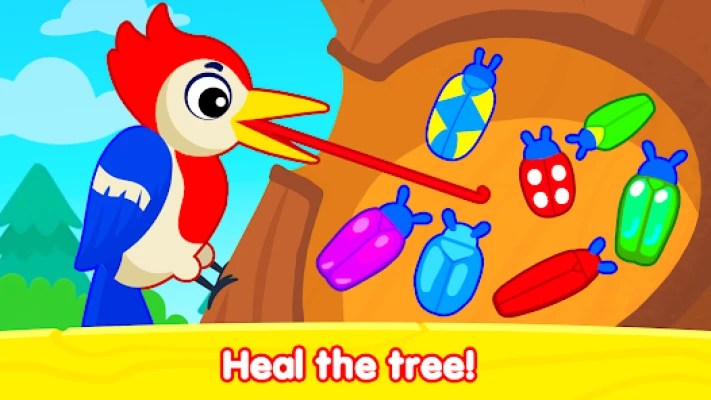
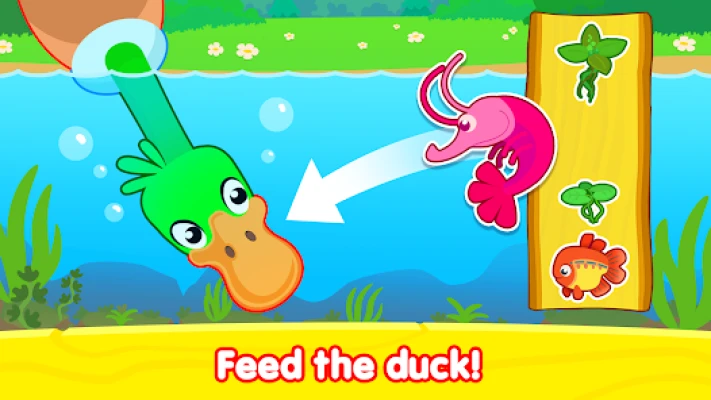
Rather than using difficult puzzles or competitive gameplay, the game focuses on short, easy-to-understand mini-games. Children can help a little spider catch insects, rescue a bear cub, guide a frog, help a beaver build a dam, care for a squirrel, protect ducklings, and feed baby rabbits.
The game is designed for children around 2 to 6 years old, with simple touch controls, bright artwork, animations, and nature sounds. Google Play currently lists it as an Everyone title and marks it as Teacher Approved.
What Is Forest Games. Animal Fun World?
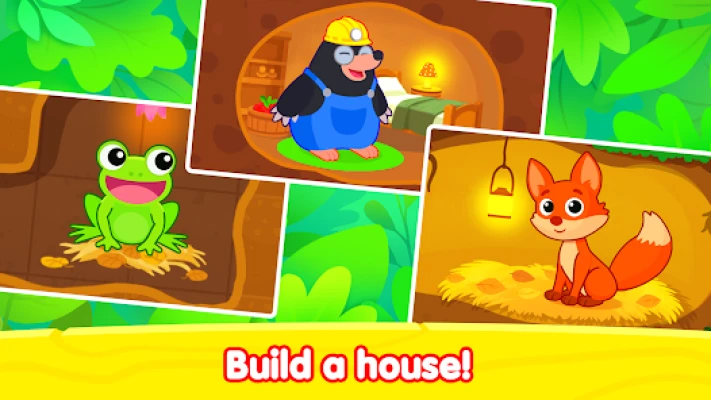
Forest Games. Animal Fun World is a collection of animal-themed mini-games set in a colorful forest.
The main idea is simple: the animals need help, and the child becomes their little helper.
Each activity introduces a different animal and a different task. Instead of trying to defeat enemies or achieve a high score, children complete helpful actions such as finding food, cleaning an animal, catching insects, or protecting smaller animals.
This creates a calm gameplay experience centered on exploration, observation, problem solving, and caring for animals.
Main Features
Friendly Forest Animals
The game features a group of cute forest characters, including:
- Spider
- Bear cub
- Frog
- Beaver
- Squirrel
- Ducklings
- Bunny and baby rabbits
Each animal has its own situation and mini-game.
Simple Mini-Games
Every quest is designed around a small objective that young children can understand.
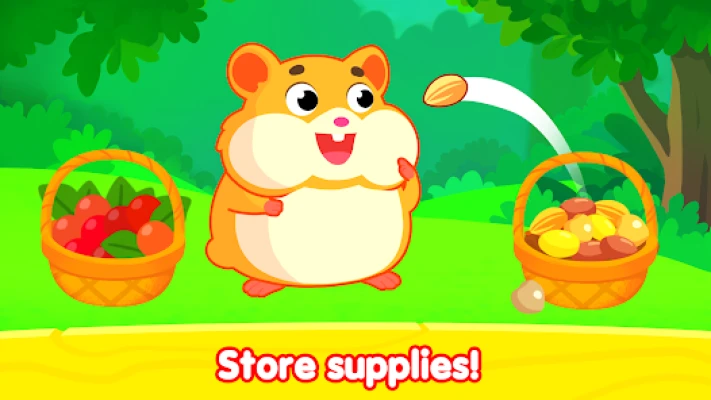
Examples include catching insects, finding food, building a dam, washing a squirrel, protecting ducklings, and feeding baby rabbits.
Animal Care Activities
Many of the activities revolve around helping animals.
Children can rescue, clean, feed, guide, and protect the forest characters.
Bright Cartoon Graphics
The forest is presented with bright, friendly artwork intended to be easy for young children to understand.
Nature Sounds and Animations
The game combines interactive animations with pleasant nature sounds, helping create a relaxed forest atmosphere.
Easy Touch Controls
The controls are designed to be intuitive enough for young children to use independently or alongside their parents.
Family-Friendly Gameplay
Parents can participate in the mini-games and talk with children about the animals, their needs, and the different tasks.
Forest Games Animal Fun World Gameplay
The gameplay is divided into individual animal quests.
Rather than progressing through complicated levels with enemies and bosses, children move between friendly forest situations and complete simple tasks.
A typical activity follows this pattern:
Meet an animal → Discover its problem → Complete the mini-game → Help the animal → Move to another forest activity
This structure makes it easy for a young child to understand what needs to happen next.
Animal Quests and Activities
Spider Web Mini-Game
The little spider needs help creating a web and catching mosquitoes and gnats.
Children participate in weaving the web and then use it to catch the insects.
This activity combines simple movement with a clear objective.
Strategy: Follow the spider's movements and focus on completing the web before worrying about catching every insect.
Bear Cub Rescue
The bear cub gets into trouble and needs help.
Children can help remove bees, treat its sore paw, and free it when it becomes stuck.
This quest is one of the game's more involved care activities because it contains several steps.
Strategy: Complete the rescue actions one at a time. Look carefully at the screen after each action because the next interaction becomes clear through the animation.
Frog Adventure
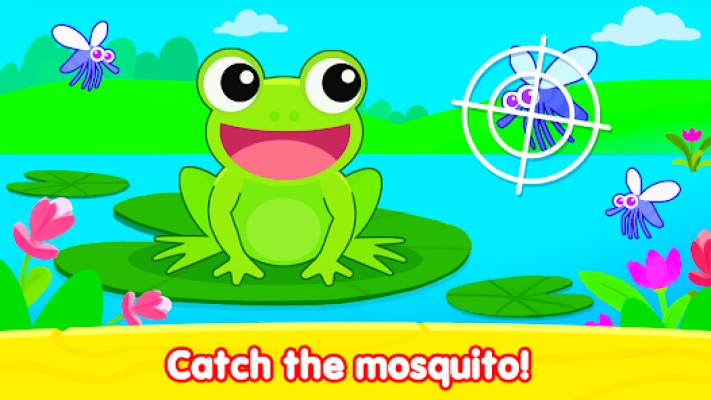
The frog needs help catching gnats and finding the way back to its burrow.
The activity combines collecting insects with guiding the frog toward its destination.
Strategy: Concentrate on the frog's immediate objective rather than tapping everything on screen. Follow the visual cues that indicate where the frog needs to go.
Beaver and Dam Building
A hungry beaver needs food and also needs help constructing a dam from twigs.
This activity introduces a simple gathering and building concept.
Strategy: Find the required items first and then focus on placing them where the game indicates. Completing the construction in sequence makes the activity easier to follow.
Squirrel Care
The squirrel needs nuts and a bath.
Children first help find food and then clean the squirrel so it becomes happy and comfortable.
Strategy: Treat this as two separate tasks: feed first, clean second.
The bath section is particularly useful as a simple interactive activity because children can see the squirrel change from dirty to clean.
Duckling Protection
The ducklings face danger from a predatory bird.
Children help protect them and organize the ducklings into a flight formation.
Strategy: Watch the movement of the ducklings and respond to the visual instructions rather than tapping randomly.
Bunny and Baby Rabbits
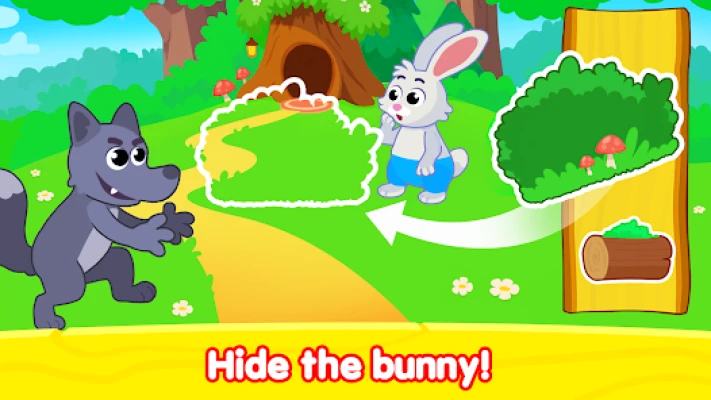
The bunny needs help picking ripe apples, reaching the baby rabbits, and feeding them.
This quest combines gathering and caring for animals.
Strategy: Complete the apple-picking activity before focusing on the baby rabbits. Once the food is ready, move on to the feeding part.
Full Strategy Guide
Although Forest Games. Animal Fun World does not have a conventional strategy system, the following approach can make the mini-games easier and more enjoyable.
1. Read the Situation First
Before touching the screen, look at what is happening.
An animal's animation usually provides a clue about what it needs.
If the bear looks uncomfortable, for example, the next objective is likely related to helping it.
2. Follow the Visual Cues
The game is designed for young children, so important actions are generally presented visually.
Look for:
- Moving objects
- Highlighted areas
- Animals pointing toward something
- Food items
- Tools
- Arrows
- Animated objects
These clues usually indicate the next interaction.
3. Complete One Objective at a Time
Don't try to solve the whole quest immediately.
Break it into small steps.
For example:
Find food → Feed animal → Complete the next activity
This approach works particularly well for the beaver, squirrel, and bunny quests.
4. Watch Animations Carefully
Animations often show what happened after an interaction.
If an animal changes position or begins another action, that can indicate that the previous step was successful.
5. Use Gentle Exploration
There is generally no reason to rush.
Let children tap and explore the environment while learning what each object does.
6. Encourage Observation
Parents can ask children to identify things in the forest.
For example:
- “Where is the squirrel?”
- “Can you find the apples?”
- “What does the frog need?”
- “Where are the ducklings?”
- “What is the beaver building?”
This makes the game more interactive.
7. Talk About Animal Care
Many of the quests involve helping an animal.
Use these moments to talk about basic ideas such as feeding animals, keeping them clean, protecting smaller animals, and treating living creatures gently.
8. Don't Rush to Complete Every Quest
The game is aimed at young children, so short sessions are perfectly appropriate.
A child can complete one or two mini-games and return later.
Educational Elements
Forest Games. Animal Fun World is built around several simple learning concepts.
Attention
Children need to notice animals, objects, and changes in the environment.
Memory
Repeated animal activities can help children remember characters and their different needs.
Logic
Some quests require children to understand a simple sequence of actions.
Fine Motor Skills
Touching, dragging, placing, and interacting with objects provide basic touchscreen coordination practice.
Problem Solving
Each animal presents a small problem that needs to be solved.
Empathy and Caring
The game's central mechanic is helping animals. The developer specifically describes the experience as encouraging children to care for animals and become more attentive and careful.
Difficulty
Difficulty: Very Easy
The game is designed for toddlers and preschoolers rather than experienced players.
There are no complicated controls, combat systems, difficult puzzles, or demanding time limits.
The challenge comes from understanding what each animal needs and completing the simple interaction that solves the problem.
Age Range
The developer describes the levels as being designed for children approximately 2 to 6 years old.
Younger children may benefit from playing with a parent, while older preschoolers may be able to complete many of the activities independently.
Graphics and Atmosphere
The game uses a bright, gentle cartoon presentation.
The forest environment is designed to feel friendly rather than dangerous, while the animals are presented as cute characters that need the player's help.
Nature sounds and animations add atmosphere without turning the game into an intense experience.
The overall mood is calm, playful, and family-friendly.
Controls
The controls are primarily touchscreen-based.
Children interact by:
- Tapping objects
- Touching characters
- Dragging items
- Following visual instructions
- Completing simple gestures
The developer describes the controls as simple and intuitive.
Game Structure
Instead of traditional combat levels, the game uses individual animal quests.
The main activities include:
| Animal | Main Activity |
|---|---|
| Spider | Weave a web and catch insects |
| Bear cub | Rescue and care for the bear |
| Frog | Catch gnats and find the burrow |
| Beaver | Find food and build a dam |
| Squirrel | Find nuts and take a bath |
| Ducklings | Protect and organize the ducklings |
| Bunny | Pick apples and feed baby rabbits |
These activities are all described in the current Google Play listing.
Tips for Parents
Play Together
Parents can help younger children understand what each animal needs without completing the activity for them.
Ask Questions
Simple questions make the experience more educational.
Try:
“Which animal needs help?”
“What food does it need?”
“Where should we take the frog?”
Encourage Independent Discovery
Once a child understands the controls, allow them to explore the mini-games independently.
Talk About Nature
The forest setting provides an opportunity to discuss animals, trees, insects, food, and the natural environment.
Keep Sessions Comfortable
Young children don't need long gaming sessions. A few completed activities can provide plenty of interaction.
Ratings and Current Google Play Information
Google Play currently lists 10K+ downloads and an Everyone content rating. The game is also marked Teacher Approved. It contains ads and in-app purchases.
The current Google Play listing shows an update dated August 11, 2026.
Because the game is relatively new, its public download and review history is much smaller than some of GoKids!'s older children's games.
Pros and Cons
Pros
- Designed specifically for toddlers and preschoolers
- Seven different animal-focused activities
- Simple touchscreen controls
- Bright and friendly graphics
- Calm forest atmosphere
- Nature sounds and animations
- Encourages animal care
- Develops attention and simple problem solving
- Supports parent-and-child play
- Suitable for children around 2–6 years old
Cons
- Very simple for older children
- Mini-games may feel repetitive after extended sessions
- Traditional gamers will find little challenge
- Contains ads and in-app purchases
- Younger children may need parental assistance
Is Forest Games. Animal Fun World Good for Kids?
Forest Games. Animal Fun World is built specifically around early childhood play.
Instead of focusing on competition, it gives children friendly animals to help and simple problems to solve. The combination of forest animals, mini-games, nature sounds, colorful graphics, and caring activities makes the game easy for young children to understand.
It can also work well as a parent-and-child activity because the quests naturally create opportunities to ask questions about animals and nature.
Best Way to Play
The most effective approach is to treat the game as an interactive story rather than something that needs to be rushed.
Start by meeting one animal, understand its problem, complete the task, and then move to another character.
A simple session could look like:
Spider → Frog → Squirrel → Bunny
On another day, children can explore the bear, beaver, or duckling activities.
This keeps the experience varied while avoiding too much screen activity at once.
Frequently Asked Questions
What is Forest Games. Animal Fun World?
It is an educational children's game where players enter a magical forest and help friendly animals through simple interactive mini-games.
What animals are in Forest Games. Animal Fun World?
The game features a spider, bear cub, frog, beaver, squirrel, ducklings, bunny, and baby rabbits.
What age is the game designed for?
The developer says the levels are designed for children approximately 2 to 6 years old.
What can children do in the game?
Children can weave a spider web, catch insects, rescue a bear cub, help a frog find its burrow, feed a beaver, build a dam, wash a squirrel, protect ducklings, pick apples, and feed baby rabbits.
Is Forest Games. Animal Fun World educational?
Yes. The developer describes activities intended to develop attention, logic, motor skills, and memory while encouraging children to care for animals.
Is the game difficult?
No. The game uses simple controls and short mini-games designed for young children.
Can parents play with their children?
Yes. The developer specifically describes the game as suitable for playing together with parents.
Does Forest Games. Animal Fun World have ads?
Yes. Google Play currently lists the game as containing ads and in-app purchases.
Is the game suitable for preschool children?
Yes. The developer specifically targets toddlers and preschoolers, with levels designed for approximately ages 2–6.
Final Thoughts
Forest Games. Animal Fun World turns a magical forest into a collection of simple activities for young children. Instead of focusing on competition, the game asks children to help its animal characters with small problems.
From weaving a spider web and rescuing a bear cub to feeding a beaver, washing a squirrel, protecting ducklings, and helping baby rabbits, every activity gives children a clear objective and an immediate visual result.
With its simple controls, gentle presentation, nature sounds, and animal-care theme, the game is particularly suited to toddlers and preschoolers who enjoy animal games, forest adventures, educational mini-games, and interactive learning activities.
Rate the Game
User Reviews












Popular Games



















 Android
 iOS
 Windows
 Xbox