




Latest Version
September 24, 2024
Sensor Notes Global
Music
0
Report a Problem
More About :game
Each level presents a different musical experience, featuring a mixture of electronic dance music, pop-inspired sounds, popular tracks, and independent music. The distinctive cat-themed audio adds a playful twist, combining familiar musical rhythms with entertaining meowing sounds.
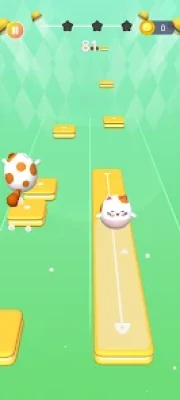
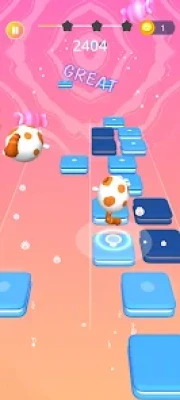
The objective is to follow the beat, control the cat's movements, navigate the musical path, and collect as many stars as possible. With colorful 3D environments, energetic songs, and increasingly challenging sequences, Dancing Cats: Duet Meow offers an entertaining experience for fans of casual arcade games and music-based challenges.
Specific Game Titles and General Information
Game Name: Dancing Cats: Duet Meow
Developer: Sensor Notes Global
Package Name: koto.guzheng.gayageum.hammered.dulcimer
Platform: Android
Category: Music and Rhythm
Game Genre: Rhythm Arcade, Casual Music, Cat Game
Game Mode: Single-player
Visual Style: Colorful 3D Cartoon Graphics
Main Theme: Dancing Cats and Electronic Music
Core Gameplay: Rhythm-based tile jumping
Main Objective: Guide cats across musical tiles, follow the beat, and collect stars.
Music Styles: EDM, pop-inspired music, trending songs, and independent music.
Main Controls: Touch, hold, and drag.
Monetization: Free to play, with advertisements and in-app purchases.
Content Rating: Everyone.
Developer's Main Features:
Cute cats with entertaining animations.
Catchy electronic music and playful meowing sounds.
Music-inspired levels with different challenges.
Interactive tile-jumping gameplay.
Colorful three-dimensional environments.
Different musical genres.
Star collection during gameplay.
Fast-paced rhythm challenges.
Offline availability according to the store listing.
Main Gameplay Features
Rhythm-Based Cat Gameplay
The central feature of Dancing Cats: Duet Meow is its combination of music and movement. Instead of simply listening to songs, players actively control a dancing cat as it travels across a path of musical tiles.
Every movement needs to match the rhythm and direction of the level. The challenge becomes more demanding when the music speeds up or the path requires quicker reactions.
The experience is designed to be easy to understand but increasingly challenging as players become familiar with its mechanics.
Cute Cats and Meowing Music
One of the most recognizable elements is the combination of adorable cats and electronic music.
The soundtrack mixes playful meowing sounds with energetic musical beats, creating a distinctive audio experience. This gives ordinary rhythm gameplay a humorous and entertaining personality.
The cat theme also makes the game appealing to players who enjoy animal characters and colorful cartoon environments.
Different Songs and Musical Styles
Dancing Cats: Duet Meow features a collection of songs covering different musical styles.
Players can enjoy electronic dance music, pop-inspired tracks, trending musical selections, and independent music.
Each song creates a different rhythm experience, encouraging players to adjust their timing and movement according to the soundtrack.
Interactive Musical Tiles
The musical tiles form the main path that the cat must follow.
Players need to control the character carefully, making sharp turns and jumping onto the correct tiles.
Missing a movement or reacting too late can interrupt a successful run. Learning to recognize upcoming turns and anticipate the beat is essential for better performance.
Colorful 3D Environments
The game uses colorful three-dimensional scenes to create an engaging atmosphere.
The visual presentation complements the music and gives each level a lively appearance. The combination of animated cats, musical effects, and changing environments makes the gameplay more enjoyable.
Star Collection
Stars provide an additional objective during gameplay.
Players should pay attention to collectible opportunities while maintaining control of the cat. Collecting stars can make a successful run more rewarding and encourage players to improve their performance.
Full Strategy Guide and Playing Tips
Understanding the Basic Controls
Before attempting difficult levels, spend some time becoming familiar with the controls.
Dancing Cats: Duet Meow uses simple touchscreen interactions. Players hold and drag the cat to guide its movement across the musical tiles.
The controls are easy to understand, but successful gameplay requires precision.
Avoid making sudden movements without considering the direction of the path. Smooth and controlled dragging generally makes it easier to follow the intended route.
Listen to the Music Before Moving
Music is one of the most important gameplay elements.
Instead of focusing exclusively on the cat and the tiles, pay attention to the soundtrack. The rhythm provides useful information about the timing of movements.
Listen for repeated beats, changes in tempo, and musical transitions. These elements can help you anticipate when the next movement is likely to occur.
Players who develop a strong sense of rhythm often find it easier to maintain consistent control.
Follow the Musical Beat
Timing is essential in any rhythm game.
Try to synchronize your movements with the music rather than dragging the cat randomly across the screen.
A useful technique is to identify the main beat of a song and use it as a reference for your movements.
When the soundtrack becomes faster, increase your attention and prepare to react more quickly.
Do not rush unnecessarily during slower sections. Maintaining control is more important than making movements as quickly as possible.
Learn to Make Sharp Turns
Some of the most challenging moments involve changing direction.
The cat must follow the musical path, and players need to react when the route changes.
Watch the upcoming tiles and avoid waiting until the last possible moment to adjust the direction.
Practice making short, controlled movements instead of large and unpredictable drags.
As you become more familiar with the controls, you will develop better instincts for handling sudden turns.
Focus on the Upcoming Tiles
One common beginner mistake is concentrating only on the cat's current position.
Looking ahead helps you understand where the path is going and prepare for upcoming movements.
Keep your attention slightly ahead of the character whenever possible.
This approach gives you more time to react to turns, changes in direction, and collectible opportunities.
Collect More Stars
Stars are an important part of the game's reward-oriented gameplay.
However, trying to collect every star without considering the path can lead to mistakes.
Prioritize safe movement first. When a star is positioned along a natural route, collect it while maintaining your rhythm.
If collecting an item requires a difficult movement, focus on controlling the cat rather than making an unnecessary risk.
With more practice, you will become better at combining accurate navigation with star collection.
Adjust Your Strategy to Different Songs
Not every song has the same rhythm or speed.
Some tracks may feature steady beats that make movement easier to anticipate, while others contain faster sections that demand quicker reactions.
Listen to a new song before attempting to achieve your best result.
Identify its rhythm, recognize the faster sections, and adjust your movement accordingly.
Learning how different musical styles affect the gameplay is an important part of improving your overall performance.
Improve Your Reaction Time
Quick reactions are especially important when the path becomes more complicated.
You can improve your reaction time by playing regularly and becoming familiar with the game's movement patterns.
Try to remain relaxed during challenging sections. Excessive tension can make touchscreen movements less precise.
Focus on the next movement instead of worrying about mistakes that have already happened.
Maintain a Comfortable Playing Position
Your physical interaction with the touchscreen can affect your performance.
Hold your device comfortably and make sure your fingers can move freely.
Avoid covering important parts of the screen with your hand.
A comfortable position helps you respond more consistently, especially during faster musical sections.
Learn From Failed Attempts
Making mistakes is a normal part of rhythm-based gameplay.
If you miss a tile or fail to complete a section, think about what caused the problem.
Perhaps you reacted too late, moved in the wrong direction, or became distracted by a collectible.
Recognizing the reason behind a mistake makes your next attempt more productive.
Rather than repeating the same movements without thinking, make small adjustments to your approach.
Develop a Consistent Playing Routine
Regular practice is one of the best ways to improve.
Spend time learning the basic controls, then gradually challenge yourself with faster songs and more demanding sequences.
A useful practice routine includes:
Playing a familiar song to warm up.
Practicing directional changes.
Paying attention to the soundtrack.
Improving star collection.
Replaying difficult sections.
Working toward more consistent results.
This approach helps develop better timing and control without making the experience feel unnecessarily difficult.
Advanced Tips for Better Performance
Use Small, Controlled Movements: Avoid dragging too aggressively. Smooth movements make it easier to control the cat and follow the musical path.
Anticipate Direction Changes: Watch the upcoming tiles and prepare for turns before reaching them.
Recognize Repeated Rhythms: Many musical patterns become easier to follow once you recognize their beat structure.
Prioritize Accuracy: A controlled run is more valuable than attempting risky movements to collect additional stars.
Stay Focused During Fast Sections: Faster music requires greater attention. Avoid distractions and concentrate on the upcoming path.
Practice Different Musical Genres: Playing different styles helps you become more comfortable with changing rhythms and tempos.
Learn From Every Attempt: Use unsuccessful runs to identify timing problems and improve your next performance.
Common Mistakes to Avoid
Moving Too Early or Too Late
Poor timing can cause the cat to miss the intended tiles. Pay attention to the music and coordinate your movements with the rhythm.
Ignoring Upcoming Turns
Looking only at the cat's current position makes it harder to react to sudden changes. Keep an eye on the path ahead.
Dragging Too Aggressively
Unnecessary movements can make controlling the character more difficult. Use smooth and deliberate gestures.
Concentrating Only on Stars
Collectibles are rewarding, but they should not distract you from navigating the path correctly.
Ignoring the Soundtrack
The music is more than background entertainment. It is an important part of understanding the timing and flow of each level.
Giving Up After Difficult Attempts
Some sections require several attempts to master. Replaying challenging sequences helps build familiarity and improve reaction time.
Is Dancing Cats: Duet Meow Suitable for Beginners?
Yes. Dancing Cats: Duet Meow is designed around straightforward touchscreen controls, making it accessible to players who have little experience with rhythm games.
The basic concept is simple: guide the cat across the musical tiles, follow the soundtrack, and collect stars.
However, mastering the game requires more than simply moving your finger across the screen. Players need to develop accurate timing, recognize upcoming turns, and respond quickly to changes in the musical path.
Beginners can start by learning the basic movement mechanics and gradually improve through repeated attempts.
Experienced rhythm-game fans may appreciate the faster musical sequences and the additional challenge of maintaining accurate movement throughout a song.
What Makes Dancing Cats: Duet Meow Different?
Dancing Cats: Duet Meow combines three entertaining elements: adorable cat characters, energetic music, and interactive arcade gameplay.
Its most distinctive feature is the playful combination of meowing sounds and electronic music. Rather than offering a conventional rhythm experience, it creates a humorous musical atmosphere built around dancing cats.
The 3D presentation adds personality to the levels, while the tile-jumping mechanics encourage players to stay focused on the rhythm.
The result is a casual music game that combines lighthearted entertainment with challenges that reward concentration and precision.
Is Dancing Cats: Duet Meow Worth Playing?
For players who enjoy music games, cute animal characters, and simple arcade mechanics, Dancing Cats: Duet Meow is an entertaining option.
Its easy-to-understand controls make it approachable, while the rhythm-based challenges provide opportunities to improve through practice.
The variety of musical styles also helps keep the experience interesting. Players can enjoy the unusual combination of electronic beats and cat sounds while navigating colorful three-dimensional environments.
The game is particularly suitable for short gaming sessions when you want something cheerful, music-focused, and easy to pick up.
Final Verdict
Dancing Cats: Duet Meow offers a fun combination of rhythm-based action, adorable cats, and energetic electronic music. Its touchscreen controls make the basic gameplay accessible, while its musical paths, sharp turns, and star-collecting objectives create opportunities for more challenging performances.
The most effective strategy is to listen carefully to each song, anticipate upcoming movements, and maintain precise control of the cat. With regular practice, players can improve their timing, navigate difficult sections, and achieve more consistent results.
Whether you are a cat lover, a casual arcade fan, or someone who enjoys music rhythm challenges, Dancing Cats: Duet Meow provides a playful mobile gaming experience with a distinctive musical personality.
Rate the Game
User Reviews












Popular Games



















 Android
 iOS
 Windows
 Xbox