







Latest Version
November 20, 2026
duong duc
Board
iOS
0
Report a Problem
More About :game
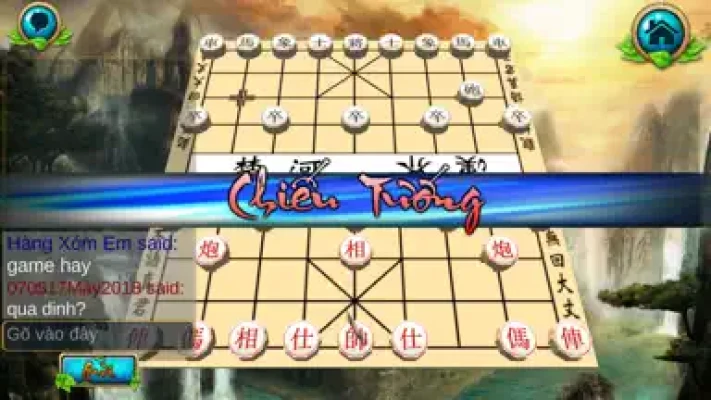
Chinese Chess : 3D Online brings the traditional game of Xiangqi to mobile devices. Known for its tactical depth and distinctive rules, Chinese Chess is a battle of positioning, calculation, and strategic decision-making.
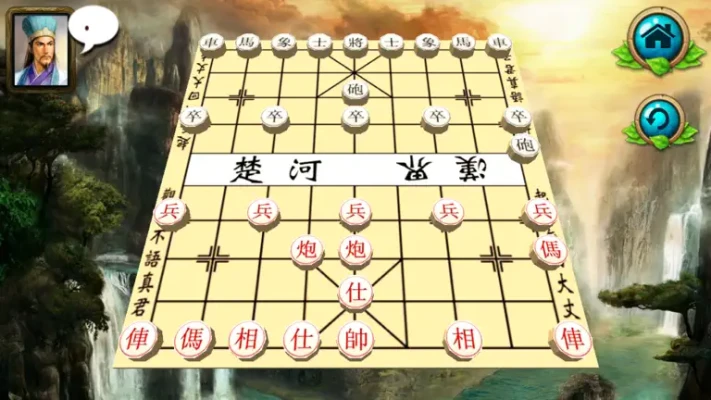
Unlike Western chess, Xiangqi is played on the intersections of a board rather than inside its squares. The board contains a river separating the two sides, while each player commands an army of different pieces with specific movement rules.
The main objective is to checkmate the opponent's general or create a position from which it cannot escape. Every move can change the balance of the game, so players must think carefully before advancing their pieces or leaving important positions unprotected.
One of the game's notable features is its artificial intelligence with five difficulty levels. Beginners can use easier settings to understand the rules, while more experienced players can select stronger opponents to test their tactical skills.
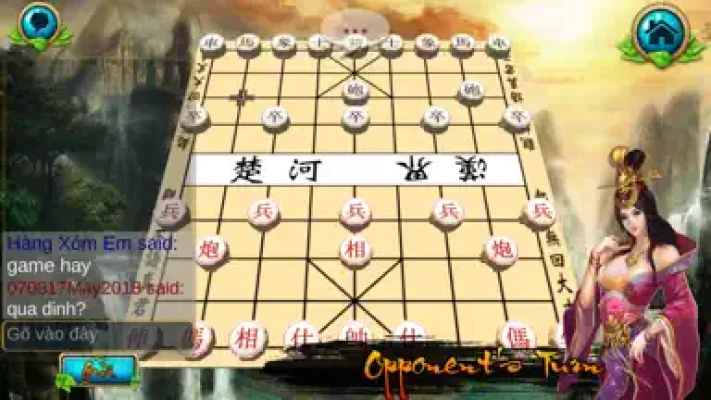
The online mode adds another challenge by allowing players to compete against opponents from around the world.
Main Features
Traditional Xiangqi Gameplay: Experience the classic Chinese board game with its familiar pieces, battlefield layout, and tactical rules.
Five AI Difficulty Levels: Challenge intelligent computer opponents with five levels of difficulty.
Online Multiplayer: Play against other people through the online mode.
3D Presentation: Enjoy a three-dimensional presentation of the traditional board game.
Strategic Challenges: Develop your ability to recognize threats, plan attacks, protect important pieces, and control key positions.
Accessible Mobile Gameplay: Play Chinese Chess on compatible iPhone and iPad devices.
Understanding the Xiangqi Board
Xiangqi uses a board with nine vertical files and ten horizontal ranks. The pieces are placed on the intersections of these lines.
A river divides the board into two territories. This river is an important part of the game because it affects the movement of certain pieces, particularly the soldiers and elephants.
Each player begins with an army consisting of a general, two advisors, two elephants, two horses, two chariots, two cannons, and five soldiers.
The objective is to defeat the opposing general while keeping your own general safe.
Understanding the Pieces and Their Movement
General
The general is the most important piece. It moves one point horizontally or vertically and must remain inside its palace, which is the marked area in the center of each player's side.
Protecting the general is essential because losing it means losing the game.
Advisor
The advisor moves one point diagonally and must remain inside the palace. Although its movement is limited, it is useful for defending the general and blocking attacking lines.
Elephant
The elephant moves exactly two points diagonally. It cannot cross the river, which means it remains on its own side of the board.
Elephants are defensive pieces that help protect important areas and restrict enemy movement.
Horse
The horse moves in an L-shaped pattern, similar to a knight in Western chess. However, its movement can be blocked by a piece occupying the adjacent orthogonal point in the direction of travel.
This blocking rule is important. Before moving a horse, check whether another piece is preventing it from reaching the intended destination.
Chariot
The chariot moves horizontally or vertically across any number of unoccupied points. It is one of the strongest attacking pieces because it can control long lines and threaten several targets.
Keeping your chariots active is an important part of a successful strategy.
Cannon
The cannon moves like a chariot when it is not capturing. However, to capture an enemy piece, it must jump over exactly one intervening piece.
This special rule creates unique tactical opportunities. Cannons can attack from a distance, but their effectiveness depends on the position of other pieces.
Soldier
Soldiers move one point forward. After crossing the river, they can also move one point horizontally. They never move backward.
Although soldiers are relatively limited, they can become valuable attacking pieces when supported by stronger units.
Complete Strategy Guide
Learn the Rules Before Playing Online
The first step toward improving is understanding how every piece moves. Many beginner mistakes happen because players overlook special rules, such as the horse's blocked movement or the cannon's requirement to jump over a piece when capturing.
Spend time practicing against the computer before entering competitive matches.
Control the Center
The central area of the board is strategically important because it provides opportunities to attack and defend across multiple directions.
Try to develop your pieces toward useful central positions without exposing them to unnecessary attacks.
Controlling important lines can make it harder for your opponent to organize an effective attack.
Develop Your Chariots Early
Chariots are powerful because they can travel along open horizontal and vertical lines. Keeping them blocked behind your own pieces limits their usefulness.
Look for opportunities to activate your chariots while maintaining protection around your general.
Use Cannons Carefully
Cannons are particularly dangerous when positioned behind a suitable screen. Since they need exactly one intervening piece to capture, the placement of other units becomes part of their attacking plan.
Before moving a cannon, examine the line between it and potential targets. A small change in the position of another piece can create or remove a capturing opportunity.
Protect Your General
Never focus so heavily on attacking that you forget to defend your own general.
Watch for open chariot lines, cannon attacks, and combinations involving horses. Keep your palace protected and avoid creating unnecessary weaknesses.
Coordinate Your Pieces
Strong Xiangqi play depends on cooperation between different pieces.
A horse can create pressure while a chariot controls an open file. A cannon can threaten a target from behind a screen, while soldiers restrict the opponent's movement.
Try to make moves that improve the position of more than one piece instead of moving units without a clear purpose.
Avoid Unnecessary Piece Exchanges
Trading pieces can be beneficial, but not every exchange improves your position.
Before capturing an opponent's piece, consider what happens next. You may be removing an important defender or allowing the opponent to activate a stronger unit.
Compare the tactical consequences of an exchange rather than capturing automatically whenever possible.
Think Several Moves Ahead
Good players do not evaluate only the move they are about to make. They also consider how the opponent might respond.
Before committing to an attack, ask yourself which pieces are threatened, what defensive moves are available, and whether your opponent has a stronger counterattack.
This habit helps reduce careless losses and improves your ability to recognize combinations.
How to Improve Against the Five AI Levels
Start With Easier Difficulty
If you are new to Xiangqi, begin with a lower AI difficulty. Use these games to understand the movement rules and practice basic defensive techniques.
Do not worry about winning every match. Learning why a move succeeds or fails is more useful than simply completing games quickly.
Increase the Difficulty Gradually
Once you can defeat easier opponents consistently, move to a stronger level.
More challenging opponents can help expose weaknesses in your opening choices, piece coordination, and defensive awareness.
Review Your Mistakes
After each game, think about the moves that changed the result. Consider whether you lost a piece unnecessarily, overlooked a threat, or left your general exposed.
Identifying recurring mistakes gives you a clear way to improve.
Practice Different Strategies
Avoid relying on the same opening and attacking pattern in every match. Experiment with different piece arrangements and learn how to respond when an opponent chooses an unexpected strategy.
Online Multiplayer Strategy
Online matches provide an opportunity to test your skills against human opponents.
Unlike computer opponents, people may use unusual openings, unexpected sacrifices, or complicated tactical ideas. This makes adaptability particularly important.
Keep your opening moves flexible, observe your opponent's intentions, and avoid committing to an attack before checking the defensive consequences.
A strong online player knows when to attack, when to defend, and when to improve the position of their pieces.
Common Beginner Mistakes
Moving Pieces Without a Plan: Every move should contribute to development, defense, or an attacking idea.
Ignoring the General: A powerful attack is useless if your own general becomes vulnerable.
Misusing Cannons: Remember that cannons need exactly one intervening piece to capture an opponent's unit.
Forgetting the Horse's Blocking Rule: A horse cannot complete its movement if the adjacent point in its path is occupied.
Leaving Chariots Blocked: Chariots are most effective when they have open lines.
Advancing Soldiers Too Quickly: Soldiers can create pressure, but unsupported advances may leave weaknesses behind.
Ignoring the Opponent's Threats: Always consider what your opponent can do after your move.
Is Chinese Chess : 3D Online Worth Playing?
Chinese Chess : 3D Online is a suitable choice for players interested in traditional Xiangqi and mobile strategy games. Its five AI difficulty levels provide a way to practice at different skill levels, while online play offers the opportunity to challenge other players.
The game is especially appealing to people who enjoy tactical board games and want to improve their concentration, calculation, and strategic planning.
Beginners can use the computer opponents to learn the rules, while experienced players can test their knowledge through more demanding matches.
Frequently Asked Questions
What is Chinese Chess : 3D Online?
It is a mobile version of Xiangqi, the traditional Chinese strategy board game.
What is the objective of the game?
The objective is to checkmate the opposing general while protecting your own general.
Does the game have AI opponents?
Yes. The App Store description identifies intelligent artificial intelligence with five difficulty levels.
Can you play against other people?
Yes. The game includes an online mode for competing against other players.
How many pieces does each player have?
Each player starts with 16 pieces: one general, two advisors, two elephants, two horses, two chariots, two cannons, and five soldiers.
What makes Xiangqi different from Western chess?
Xiangqi uses a board of intersections, includes a river and palaces, and has distinctive movement rules for its pieces. Cannons also have a special capturing rule.
Can beginners enjoy the game?
Yes. The five AI difficulty levels provide a way to start with easier challenges and gradually improve.
What is the best beginner strategy?
Learn the movement rules, protect your general, develop your chariots, and avoid leaving valuable pieces unprotected.
Final Verdict
Chinese Chess : 3D Online offers a mobile way to enjoy the traditional strategy of Xiangqi. Its five AI difficulty levels make it useful for practice, while online play gives players the opportunity to test their abilities against human opponents.
Success depends on understanding each piece, controlling important lines, coordinating attacks, and protecting the general. With regular practice and careful decision-making, players can develop stronger tactical skills and enjoy increasingly challenging matches.
Rate the Game
User Reviews














Popular Games



















 Android
 iOS
 Windows
 Xbox