

Latest Version
October 11, 2024
SayGames LTD
Simulation
iOS
0
Report a Problem
More About :game
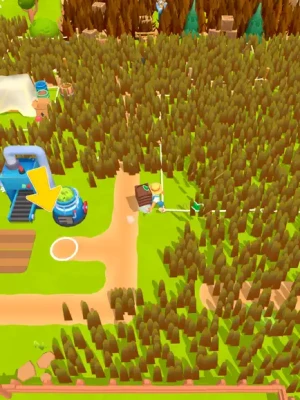
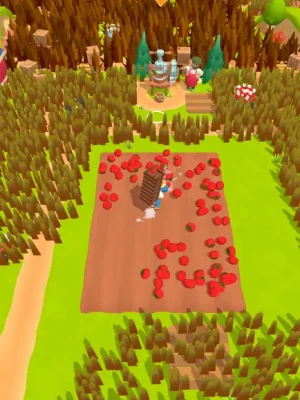
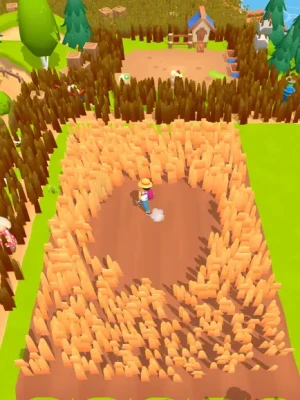
The game combines casual farming with resource management and business strategy. As your farm expands, you can unlock new plants, buildings, tools, and production opportunities while exploring additional areas. From harvesting fresh produce to crafting valuable goods and upgrading workers, every activity helps you develop a more productive farm.
With colorful environments, customizable farms, and a steady stream of progression goals, Little Farm Story: Idle Tycoon appeals to players who enjoy farming games, idle tycoon mechanics, and peaceful simulation experiences.
Game Overview
Game title: Little Farm Story: Idle Tycoon
Developer: SayGames Ltd
Genre: Farming simulation, idle tycoon, casual management
Platform: iPhone and iPad
Game mode: Single-player farming progression with additional event and community features
Main objective: Build, expand, and manage a successful farm
Core activities: Planting, harvesting, crafting, trading, upgrading, and land expansion
Customization: Farm buildings, outfits, equipment, and other unlockable content
Monetization: Free to play with advertisements and optional in-app purchases
Age rating: 9+ on the US App Store listing
Little Farm Story: Idle Tycoon is built around gradual development. Rather than completing a single short objective, players work toward a series of farming and business goals. Efficient resource use, sensible upgrades, and thoughtful production planning help make progress smoother as new systems become available.
Main Features of Little Farm Story: Idle Tycoon
1. Build and Expand Your Farm
Start with a small farm and gradually turn it into a productive agricultural business. Clear land, unlock new areas, and construct buildings that support your growing operation. Each expansion creates more opportunities to cultivate crops, gather materials, and fulfill customer requests.
2. Grow Crops and Harvest Resources
Planting and harvesting are central to the gameplay. Different crops provide resources for selling, trading, and crafting. As your farm develops, new plants and farming areas introduce additional ways to collect valuable materials.
3. Build Workshops and Produce Goods
Workshops allow you to transform basic resources into useful products. Managing the relationship between crop production and crafting is important because many valuable goods require several steps before they are ready for sale or delivery.
4. Complete Customer Orders
Customer requests provide direction for your farming activities. Fulfilling orders can help you earn rewards and advance your progress. Planning ahead makes it easier to gather the necessary materials without interrupting other important tasks.
5. Upgrade Tools and Workers
Tools and workers can improve productivity and reduce the effort required for repetitive activities. As new upgrade options become available, prioritize improvements that address your biggest bottlenecks.
6. Explore New Farming Areas
Progression introduces additional locations and farming opportunities. Expanded areas can feature new crops, animals, materials, and restoration objectives, providing fresh goals beyond your original farm.
7. Discover Animals and Special Activities
The game includes animal-related activities and additional resource systems as you progress. These features expand the range of products you can collect and give you more ways to develop your farming operation.
8. Enjoy Events and Community Features
Special events introduce limited-time challenges and rewards. The game has also added activities such as River Quest, restaurant competitions, and Teams, where players can connect and help one another.
The exact events and available features may depend on your current game version.
How to Play Little Farm Story: Idle Tycoon
The basic gameplay loop is easy to understand, but effective management becomes increasingly important as your farm grows.
Follow these steps to get started:
Complete the introductory tasks to learn the basic controls and farming mechanics.
Plant and harvest the crops available on your farm.
Collect resources and use them to fulfill customer orders.
Unlock and construct workshops as you progress.
Upgrade useful tools and workers to improve efficiency.
Clear additional land when expansion becomes available.
Explore new production chains and farming activities.
Complete daily tasks and participate in suitable events.
Balance your resource collection with crafting and trading.
Reinvest your rewards in upgrades and developments that support long-term growth.
The key is to keep production moving while avoiding unnecessary resource shortages. Every activity should contribute to a useful goal, whether that means completing an order, unlocking a building, or improving your farm's productivity.
Complete Strategy Guide for Little Farm Story: Idle Tycoon
1. Focus on Essential Tasks First
When you begin playing, it can be tempting to explore every available feature immediately. However, concentrating on the tasks that unlock new mechanics is usually a more efficient approach.
Follow the objectives presented by the game and learn which resources each task requires. This helps you avoid spending time gathering materials that are not yet useful.
Once you understand the basic production cycle, you can begin working on secondary goals without slowing your main progression.
Pro tip: Before starting a new activity, check whether it contributes to an active objective or provides a resource you will need soon.
2. Manage Crops Efficiently
Crop management is the foundation of a productive farm. You need enough produce to support customer orders, crafting recipes, and other activities.
Use the following approach:
Check your current inventory before planting.
Identify the crops needed for upcoming orders.
Replant resources that are frequently consumed.
Avoid harvesting large quantities of crops you have no immediate use for.
Maintain a practical balance between production and storage.
As new crops become available, learn how they fit into your production system. Some are useful as direct products, while others serve as ingredients for more valuable goods.
The best strategy is not simply to grow everything. It is to produce the resources that support your current priorities.
3. Plan Your Production Chains
Workshops add an important management layer to Little Farm Story. Basic resources can become ingredients for more advanced products, which may then be used to complete orders or unlock further progress.
For example, a production chain might involve growing a crop, processing the harvest in a workshop, and delivering the resulting product to a customer.
Before committing resources, check the recipe requirements and make sure you have enough materials to complete the process.
Best practice: Keep track of which resources are consumed by multiple production chains. These shared materials deserve extra attention because running out of them can interrupt several activities at once.
4. Choose Upgrades Based on Your Bottlenecks
Not every upgrade provides the same practical benefit. The most useful improvement is often the one that removes the obstacle slowing down your farm.
Consider upgrading tools or workers when gathering resources takes too long. Improve relevant production systems when workshops cannot keep up with demand. Expand storage or capacity when available options and your current progression make it worthwhile.
Use these questions to evaluate upgrades:
Does this improvement save time?
Will it help me complete frequent tasks more easily?
Does it support a production chain I regularly use?
Will I still have enough resources after purchasing it?
Is there a more important upgrade available?
Avoid spending every available coin as soon as you earn it. Keeping a reserve can make it easier to respond to unexpected requirements.
5. Complete Orders Strategically
Orders help guide your economic progress, but completing them without preparation can leave your farm short of essential materials.
Before fulfilling an order, check which items it requires and whether those items are needed elsewhere. If the order consumes resources used in important crafting recipes, consider replenishing your stock first.
A useful priority system is:
Orders that unlock essential progression.
Requests that provide resources needed for important upgrades.
Orders that consume materials you can replace easily.
Optional requests that offer less immediate value.
This is a general planning method rather than a fixed ranking of every order. The best choice depends on your current objectives and the rewards available.
6. Expand Your Land at the Right Time
Opening new land creates room for additional activities, but expansion is most useful when you can take advantage of it.
Before clearing another area, consider whether you have sufficient resources to develop it and whether your current farm is already operating efficiently.
An expansion that introduces useful crops, buildings, or production options may be worth prioritizing. However, expanding without the materials to use the new space can slow your progress.
Aim for steady development rather than opening every available area immediately.
7. Make the Most of Workers
Worker systems can reduce the amount of repetitive manual work required on your farm. Depending on the feature, workers may gather resources or improve the efficiency of specific activities.
To get the best results:
Identify which resources you collect most frequently.
Upgrade workers who support those activities.
Check where gathered materials are stored.
Monitor inventory capacity to avoid unnecessary interruptions.
Review worker abilities as new options become available.
Workers are especially useful when your farm becomes larger and manual collection starts taking more time.
8. Keep Your Warehouse Organized
Storage management becomes increasingly important as you unlock more crops, materials, and crafted goods.
A warehouse filled with less useful items may leave you without room for resources needed for immediate tasks. Regularly review your inventory and identify which materials should be retained.
Prioritize supplies required for active orders, important upgrades, and commonly used recipes. Where trading or selling is available, consider moving surplus materials that are unlikely to be needed soon.
Do not dispose of rare or difficult-to-obtain resources simply because you have a large quantity. Their future usefulness may outweigh their immediate value.
9. Complete Daily Tasks and Events
Daily tasks and limited-time activities can provide additional rewards and reasons to explore features beyond the main farm.
Check available objectives when you start playing. If an event requires resources you already produce, you may be able to make progress without disrupting your usual routine.
However, avoid sacrificing important upgrades or essential materials solely to complete an optional event.
Choose activities that fit naturally into your existing production schedule, and pay attention to event deadlines when deciding how to spend your time.
10. Explore New Regions Carefully
New areas can introduce different farming systems, special resources, and restoration projects. These activities expand the game beyond ordinary planting and harvesting.
Before committing to a regional objective, identify the materials required and the rewards offered. Collect the necessary resources in advance whenever possible.
Some areas may also contain specialized workshops, animals, or tools that support further development. Prioritize the features that offer useful long-term benefits instead of treating every new unlock as equally important.
11. Improve Your Trading Strategy
Trading helps connect your farm's production system with its economic goals. Whether you are fulfilling customer orders or exchanging materials, the important consideration is the value of the resources you give up.
Before completing a trade, check:
Which items will be consumed.
Whether those items are difficult to replace.
Whether the reward supports a current objective.
Whether the materials are needed for a more valuable production chain.
Avoid exchanging essential ingredients just to complete a minor request. Keeping a reserve of important resources can prevent unnecessary delays later.
12. Manage In-Game Currency Wisely
Coins and other currencies are valuable because they help fund upgrades, unlock content, and expand your operation.
A balanced approach is to invest first in improvements that increase productivity or remove persistent obstacles. Keep enough currency available for essential developments, and avoid purchasing optional items simply because they are available.
Before making a purchase, compare its immediate benefit with what you could achieve by saving the same resources.
The goal is to build a farm that becomes easier to manage over time, not merely to accumulate buildings and decorations.
Best Tips and Tricks for Beginners
New players can make their progress smoother by following a few simple habits.
Follow the tutorial: Learn the essential mechanics before exploring advanced features.
Check your inventory: Know what you have before starting a production chain.
Plant with a purpose: Grow crops that support orders and important recipes.
Prioritize useful upgrades: Focus on improvements that save time or increase productivity.
Keep essential supplies: Avoid using every resource on optional activities.
Upgrade workers thoughtfully: Improve the systems you rely on most often.
Manage storage: Make room for materials needed for upcoming tasks.
Complete daily objectives: Collect useful rewards when they fit your routine.
Explore new areas gradually: Make sure you have enough resources to develop them.
Review trade requirements: Avoid exchanging materials you need elsewhere.
Use optional purchases carefully: Decide whether paid features offer enough value for your playstyle.
Be patient: Gradual progress is part of the farming simulation experience.
Advanced Strategies for Experienced Players
Optimize Your Production Loop
Experienced players should look beyond individual tasks and consider how the entire farm operates.
Identify the resources entering your farm, the workshops processing them, and the products leaving through orders or trades. If one stage consistently runs out of materials, improve that stage before expanding other parts of the system.
A well-balanced production chain is often more useful than several disconnected upgrades.
Identify High-Demand Resources
Some materials are used repeatedly across different activities. Keeping a reliable supply of these items helps prevent production interruptions.
Review your recent orders and crafting recipes to identify frequently consumed resources. Then adjust planting, gathering, and workshop priorities to maintain an appropriate stock.
Reduce Unnecessary Travel and Repetition
When gameplay requires moving between fields, workshops, storage, or customers, group related tasks together whenever practical.
For example, gather several needed materials during one collection session rather than repeatedly returning to the same location. This approach can reduce wasted movement and make routine farming more efficient.
Coordinate Workers and Manual Tasks
Use workers for repetitive activities when possible, while focusing your own attention on tasks that require planning or direct interaction.
Check worker output and storage regularly. If a worker's activity does not support your immediate objectives, consider whether another upgrade or task deserves priority.
Prepare for Major Unlocks
Before pursuing a large expansion or expensive building, estimate the resources needed and compare them with your current stock.
Gathering materials in advance reduces the risk of getting stuck halfway through a project. It also makes it easier to continue normal farm operations while working toward a major milestone.
Balance Main Progression With Events
Special events can be rewarding, but they may compete with ordinary farming goals for your time and resources.
Choose events that complement your current production system. If an event demands rare materials needed for a major upgrade, consider whether its rewards justify the trade-off.
This helps you enjoy additional content without unnecessarily delaying your main farm's development.
Common Mistakes to Avoid
Spending All Your Coins Immediately
Using every coin on available upgrades can leave you unable to afford an important building or unlock. Keep a reserve whenever possible.
Producing Goods Without Checking Demand
Crafting large quantities of unnecessary products can waste ingredients and storage space. Check active orders and recipes before committing valuable resources.
Ignoring Worker Upgrades
As the farm grows, repetitive manual collection can become inefficient. Review available worker improvements and invest in the ones that address your biggest workload.
Expanding Too Quickly
New land is useful only when you have the resources and infrastructure to develop it. Expand at a pace that supports your existing operation.
Trading Away Rare Materials
A resource that seems unimportant today may be required for a later workshop, upgrade, or order. Retain difficult-to-replace materials until you understand their uses.
Neglecting Daily Tasks
Daily objectives and events may provide helpful rewards. Check them regularly, but avoid allowing optional activities to interfere with essential progression.
Ignoring Storage Limits
A full inventory can complicate resource collection and crafting. Review your stored items and make room for materials that support your current goals.
Farming, Workshops, and Resource Management
Successful farm development depends on coordinating several interconnected systems.
Crop Production
Crops provide the raw materials for many activities. Maintain enough stock to complete orders and keep workshops operating without unnecessary delays.
Workshops
Workshops transform basic resources into more specialized products. Check recipes and production requirements before allocating materials.
Animals and Specialized Resources
Animal-related features introduce additional products and collection opportunities. As these systems unlock, determine how their output fits into your broader production plan.
Trading and Customer Orders
Orders and trades help turn farm resources into rewards and progression. Evaluate the value of each exchange before committing important materials.
Tools and Workers
Tools and workers help improve the efficiency of regular tasks. Upgrade them according to the activities that consume the most time.
The strongest strategy is to keep these systems working together. A farm with balanced production and sensible resource allocation will generally be easier to develop than one focused entirely on a single activity.
Is Little Farm Story: Idle Tycoon an Idle Game?
Little Farm Story: Idle Tycoon combines farming simulation with tycoon-style management and some automation features. Players grow crops, gather materials, manage production, and improve workers as they expand their farms.
Despite the idle tycoon label, the game also involves active interaction, resource collection, crafting, and completing objectives. Players who enjoy a mixture of casual management and hands-on farming should find this combination appealing.
Can You Play Little Farm Story: Idle Tycoon Offline?
Offline functionality may vary across features and game versions. Although the game is designed for casual farming sessions, online events, community features, advertisements, and some reward systems may require an internet connection.
For the most reliable experience, check which features remain accessible when your device is offline.
Is Little Farm Story: Idle Tycoon Free to Play?
Yes. The game is listed as free to download on the Apple App Store and includes optional in-app purchases and advertisements.
Players can begin building their farms without purchasing premium items. However, some optional products and convenience features may cost money, and the frequency of advertisements can affect the overall experience.
If you prefer free-to-play progression, focus on regular objectives, efficient resource management, and upgrades that provide lasting benefits. Review purchase descriptions carefully before spending real money.
Frequently Asked Questions
What is Little Farm Story: Idle Tycoon about?
It is a farming and management simulation game where players grow crops, gather resources, construct workshops, fulfill orders, and expand a small farm into a larger agricultural business.
Who developed Little Farm Story: Idle Tycoon?
The game is published by SayGames Ltd.
How do you progress faster in Little Farm Story?
Focus on important objectives, maintain supplies of frequently used resources, and prioritize upgrades that improve productivity. Planning production chains before spending materials can also reduce unnecessary delays.
What should I upgrade first?
Start with the tools, workers, or production systems that create the biggest bottleneck in your current farm. The best upgrade depends on your progression stage and available resources.
How can I earn more coins?
Complete available orders, produce useful goods, and use trading opportunities strategically. Avoid wasting materials on unnecessary activities when those resources could support more important goals.
How do workshops work?
Workshops process raw materials into other products. Their recipes and requirements vary, so check the materials needed before starting production.
Are workers useful?
Yes. Worker systems can help automate resource gathering and reduce repetitive tasks. Upgrading the workers you depend on most can make managing a larger farm easier.
Can I unlock new areas?
Yes. Farm expansion and additional locations are part of the game's progression. New areas can introduce crops, resources, buildings, and other activities.
Does the game have events?
Yes. The game has featured special events and activities, including River Quest and restaurant competitions. The available events depend on the current version and schedule.
Can I play without spending money?
Yes. The game is free to download, and you can focus on its farming and progression systems without making optional purchases. Your experience may still include advertisements and progression requirements.
Is Little Farm Story suitable for casual players?
Yes. Its farming activities, gradual progression, and relaxed presentation make it suitable for players who enjoy casual simulation games. Some advanced systems require more planning as the farm grows.
Is Little Farm Story available on iPhone and iPad?
Yes. The game is available for iPhone and iPad, with compatibility requirements depending on the current App Store listing.
Final Verdict
Little Farm Story: Idle Tycoon offers a relaxing combination of farming, crafting, trading, and business management. Starting with a modest plot of land, players can develop increasingly complex production systems, unlock new locations, improve workers, and discover additional activities as they progress.
The best way to succeed is to manage resources carefully, prioritize meaningful upgrades, and coordinate crops, workshops, and orders. Avoid unnecessary spending, protect your supply of important materials, and expand at a pace your farm can support.
Whether you enjoy growing crops, optimizing production chains, collecting rewards, or building a thriving virtual agricultural business, Little Farm Story: Idle Tycoon provides plenty of goals to work toward at your own pace.
Rate the Game
User Reviews
"Constant ads!!!"
Steve
1 year ago
I really like the game, but I can’t upgrade my axe and I HATE, HATE, HATE that I have to watch 1+ minutes of ads for every couple of minutes of game play —- I don’t mind SOME ads, but fix this, I’m not going to pay 7 or 8 bucks to stop the CONSTANT ads!














Popular Games



















 Android
 iOS
 Windows
 Xbox