






Latest Version
November 22, 2026
Azur Interactive Games Limited
Puzzle
iOS
0
Report a Problem
More About :game
Game Overview
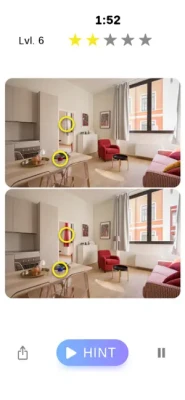
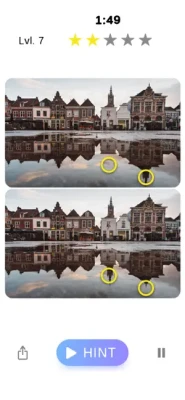
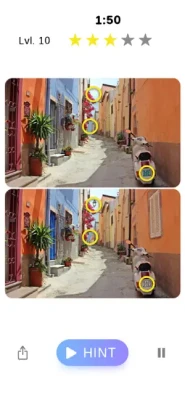
Spot the Difference: Find 5 is a casual brain-training puzzle game developed by Azur Interactive Games Limited. It brings the classic spot-the-difference challenge to mobile devices, giving players an opportunity to examine photographs carefully and identify small changes between two similar images.
The main objective is straightforward: look at two nearly identical pictures, find five differences, and complete the challenge before the timer runs out. Although the rules are easy to understand, some differences can be surprisingly difficult to notice. A small missing object, a different color, a changed shape, or a tiny detail in the background can make the difference between completing a level and running out of time.
The game is suitable for players who enjoy observation challenges, visual puzzles, and casual brain games. Its simple interface makes it easy to get started, while the timed format adds excitement and encourages players to improve their searching techniques.
One of the appealing aspects of the game is its use of real photographs. Instead of relying entirely on abstract shapes or traditional puzzle pieces, players investigate detailed images filled with objects and visual elements. This makes every challenge feel like a small detective investigation.
The hint system is another useful feature. When a particular difference becomes difficult to locate, players can use a special hint to receive assistance and continue progressing.
Main Features of Spot the Difference: Find 5
Find Five Hidden Differences
Every puzzle presents two nearly identical photographs containing five differences. Players must carefully examine both images and identify every changed detail to finish the level.
Beautiful Photographic Images
The game features attractive photographs with different visual elements. These pictures provide plenty of details to examine and make the searching experience more interesting.
Timed Puzzle Challenges
Each level includes a timer, encouraging players to work quickly while maintaining accuracy. Finding all five differences before time expires is the main challenge.
Helpful Hint System
Some differences can be difficult to recognize, especially when they are small or hidden among similar objects. Special hints provide assistance when players need an extra push.
Plenty of Levels
The game offers numerous picture puzzles, giving players plenty of opportunities to practice their observation skills and enjoy new challenges.
Simple Controls
The straightforward interface makes the game accessible to beginners. Players can concentrate on comparing photographs rather than learning complicated controls.
Casual Brain-Training Gameplay
Searching for visual differences encourages attention, concentration, and careful observation. It is an enjoyable activity for players who appreciate mental challenges.
Gameplay Mechanics and Basic Rules
The gameplay in Spot the Difference: Find 5 revolves around comparing two photographs displayed on the screen.
Both images initially appear almost identical, but five details have been changed. The player's responsibility is to identify these differences by carefully examining the pictures.
The game uses a simple selection system. When a player notices something unusual, they tap the corresponding area to identify the difference. Successfully finding a change contributes toward completing the five required discoveries.
The timer makes every decision important. Spending too much time examining one small section can make it difficult to discover the remaining differences before the countdown ends.
Players should therefore develop an organized searching method rather than randomly tapping different parts of the photographs.
When a difference becomes difficult to identify, the hint feature can help. Using hints strategically makes it easier to overcome particularly challenging moments without wasting too much time.
The level is completed after all five differences have been discovered. Players can then continue enjoying additional picture challenges.
Complete Strategy Guide for Spot the Difference: Find 5
Winning consistently requires more than simply looking at the pictures. A good strategy helps players recognize visual changes quickly, manage the timer, and use available hints effectively.
Understand Both Pictures Before Searching
Before tapping anything, take a moment to examine the overall composition of both photographs.
Look at the major objects, background elements, colors, and positions of different items. Understanding the general arrangement makes unusual details easier to recognize.
For example, if both photographs contain a table, several chairs, and decorative objects, remember their approximate positions. A missing chair or an object with a different appearance may become easier to notice when you compare the same area.
Avoid immediately focusing on tiny details. Start with the overall picture and gradually move toward smaller elements.
Divide Each Picture Into Sections
One of the most effective techniques is to divide the photographs into imaginary sections.
You can use a simple scanning pattern:
Upper-left section
Upper-middle section
Upper-right section
Middle-left section
Center section
Middle-right section
Lower-left section
Lower-middle section
Lower-right section
Examine each section in order before moving to another.
This systematic approach prevents you from repeatedly checking the same areas while overlooking other parts of the photographs.
It also makes searching more efficient when the differences are spread across the entire image.
Compare Objects Instead of Looking Randomly
Random searching can waste valuable seconds. Instead, concentrate on individual objects and compare their appearance in both photographs.
Pay attention to:
The number of objects in a particular area.
Differences in object colors.
Changes in shapes and sizes.
Missing or additional decorations.
Different positions of small items.
Changes in background details.
Objects with unusual patterns.
For example, a picture may contain three flowers while the other contains only two. Another photograph might show a window with a different number of sections.
Comparing individual objects makes these changes easier to recognize.
Look for Small Color Changes
Color differences are common visual clues in picture-comparison puzzles.
An object might appear blue in one photograph and green in the other. A small decorative item could have a different shade, or part of a background object might be colored differently.
Do not assume that every object has exactly the same appearance simply because its shape and position look familiar.
Examine colorful areas carefully, particularly when larger objects appear identical.
Pay Attention to Missing Objects
Sometimes the easiest way to discover a difference is to notice what is missing.
Compare groups of objects and count them individually. If one photograph contains four items while the other contains three, you may have found one of the hidden changes.
This technique is particularly useful when examining decorations, furniture, plants, food, and other objects that appear in groups.
Examine the Background Carefully
Many players naturally concentrate on the largest objects in a photograph. However, small background details can be equally important.
Look at walls, windows, doors, shelves, decorations, distant objects, and other elements that might be easy to overlook.
A tiny change in the background can count just as much as a large difference in the foreground.
Developing the habit of checking background details can make difficult levels much easier.
Watch the Timer
Time management is essential because every level is timed.
Avoid spending too long investigating one area when you cannot identify a difference. If a particular section looks identical after several seconds, move to another part of the photographs.
You can always return to the difficult section later.
A balanced approach is better than becoming stuck on one small detail while the countdown continues.
Use Hints at the Right Moment
Hints are valuable resources, especially when you have already discovered several differences but cannot locate the remaining ones.
Instead of immediately using a hint, first complete a careful search of the entire image.
If you are still unable to find the final difference and the timer is running low, consider using the available assistance.
Hints are most useful when they help you overcome a difficult obstacle rather than replace your own observation.
Develop a Consistent Scanning Pattern
Consistency is one of the best ways to improve your performance.
Use the same scanning direction in every level. For example, begin at the top-left corner, move horizontally toward the right, and gradually work downward.
Once you become comfortable with this pattern, you will spend less time deciding where to look next.
A consistent routine also reduces the possibility of overlooking an entire section.
Avoid Unnecessary Taps
Tapping random locations is not an effective strategy.
Every selection should be based on a visual clue. Before tapping, make sure you have noticed something that appears different between the two photographs.
Careful selections help you stay focused and avoid wasting time on guesses.
Use Zoom When Necessary
Some differences can be difficult to recognize because the photographs contain many small details.
If the game interface or your device provides a zoom option, use it when examining particularly crowded or detailed sections.
Magnifying an image can help reveal subtle changes in small objects, although you should avoid spending too much time examining one area.
Stay Calm During Difficult Levels
The timer can create pressure, especially when only one difference remains.
However, rushing often makes it harder to notice small visual changes.
Take a brief moment to organize your thoughts, identify the areas you have already examined, and concentrate on the remaining possibilities.
A calm and methodical approach is usually more effective than frantic searching.
Advanced Tips and Tricks for Better Results
Search From Large Details to Small Details
Begin by checking large objects and obvious changes. Once you have examined the main composition, concentrate on smaller decorations and background elements.
Compare Similar Shapes
When two objects look almost identical, examine their outlines. A slightly different shape or missing section may reveal a hidden difference.
Count Repeated Objects
Groups of similar objects are excellent places to search. Count flowers, windows, chairs, plates, trees, or other repeated elements.
Check the Edges of the Pictures
Do not ignore the outer edges of the photographs. Some differences may be positioned near corners or along the borders.
Remember Previously Checked Areas
Keep track of sections you have already examined. This prevents unnecessary repetition and allows you to concentrate on unexplored locations.
Save Hints for Difficult Situations
If you can find most differences independently, reserve hints for the final challenging discoveries.
Practice Regularly
The more picture puzzles you complete, the more familiar you become with common visual changes. Regular practice can help you recognize details more quickly.
Common Mistakes to Avoid
Searching Without a Plan
Moving randomly between different parts of the photographs often leads to missed details. Follow an organized scanning pattern instead.
Ignoring Small Background Objects
Focusing exclusively on large objects can cause you to overlook subtle differences in decorations and distant details.
Rushing Through the Pictures
Speed is important, but careless searching can make you miss obvious changes. Balance speed with accuracy.
Using Hints Too Early
Using assistance before making a serious attempt can waste valuable resources. Examine the pictures carefully first.
Repeatedly Checking the Same Section
Without a consistent searching method, players may spend too much time revisiting areas they have already examined.
Ignoring the Timer
Spending too long on one difficult difference can leave insufficient time for the remaining discoveries. Move on when necessary.
Is Spot the Difference: Find 5 Good for Beginners?
Yes. The game is particularly approachable for beginners because its basic objective is easy to understand.
Players do not need previous puzzle experience or complicated gaming knowledge. They simply compare two photographs and identify five differences.
The intuitive interface also makes it easy to start playing.
However, the timed challenges introduce an additional layer of difficulty. Beginners may initially struggle to find every difference before the countdown ends.
The best approach is to practice the basic scanning techniques, become familiar with common visual changes, and gradually improve searching speed.
What Makes Spot the Difference: Find 5 Enjoyable?
The main attraction is the combination of simple gameplay and visual investigation.
Every level gives players a small mystery to solve. Even though the photographs initially look almost identical, examining them carefully reveals that several details have been changed.
The satisfaction of discovering a difficult difference makes the experience rewarding.
The timed format also adds excitement, while the hint system provides assistance when players encounter challenging puzzles.
Another advantage is its accessibility. The game does not require complicated controls, extensive tutorials, or advanced gaming experience.
It is a convenient choice for anyone who enjoys casual picture puzzles and wants an entertaining way to spend free time.
Game Information
Category | Details |
|---|---|
Game title | Spot the Difference: Find 5 |
Developer | Azur Interactive Games Limited |
Publisher | Azur Interactive Games Limited |
Genre | Puzzle |
Game type | Picture comparison and observation |
Main objective | Find five differences |
Gameplay | Single-player puzzle challenges |
Main feature | Timed picture puzzles |
Assistance | Special hints |
Platform | iPhone and iPad |
Price | Free to download |
Monetization | In-app purchases |
Age rating | 4+ |
Minimum iOS | iOS 13.0 or later |
Frequently Asked Questions
What is Spot the Difference: Find 5?
Spot the Difference: Find 5 is a casual puzzle game where players compare two nearly identical photographs and locate five hidden differences in each challenge.
How many differences must you find in each level?
Players must discover five differences between the two photographs to complete the puzzle.
Is Spot the Difference: Find 5 timed?
Yes. The game features timed levels, so players must identify all five differences before the countdown ends.
Does the game provide hints?
Yes. Special hints are available to help players locate difficult differences when they need assistance.
Can beginners enjoy Spot the Difference: Find 5?
Yes. Its simple controls and straightforward rules make it accessible to beginners and experienced puzzle enthusiasts alike.
Who developed Spot the Difference: Find 5?
The game was developed by Azur Interactive Games Limited.
Is Spot the Difference: Find 5 free?
The game is free to download and includes optional in-app purchases.
What skills does the game encourage?
Its gameplay encourages concentration, visual observation, attention to detail, and careful comparison.
Is Spot the Difference: Find 5 available on iPhone and iPad?
Yes. The App Store listing supports iPhone and iPad devices.
Final Verdict
Spot the Difference: Find 5 is an enjoyable choice for players who appreciate visual puzzles, picture challenges, and casual brain games. Its straightforward objective makes it easy to understand, while the five hidden differences and countdown timer provide an engaging challenge.
The combination of beautiful photographs, intuitive controls, multiple levels, and helpful hints creates an accessible puzzle experience.
Whether you enjoy testing your observation skills, solving small visual mysteries, or simply playing a relaxing casual game during your free time, Spot the Difference: Find 5 offers an entertaining experience.
The best way to improve is to search systematically, pay attention to small details, manage the timer carefully, and use hints only when necessary. With practice, finding all five differences becomes a more familiar and rewarding challenge.
Rate the Game
User Reviews














Popular Games



















 Android
 iOS
 Windows
 Xbox