
Latest Version
November 22, 2026
Fruit Puzzle Games
Puzzle
Android
0
Report a Problem
More About :game
Specific Game Information
Detail | Information |
|---|---|
Game title | Smash Shoot |
Developer | Fruit Puzzle Games |
Category | Puzzle |
Platform | Android |
Main gameplay | Cannon shooting and physics puzzles |
Core objective | Clear objects from the table |
Controls | Tap to aim and shoot |
Difficulty modes | Normal, Hard, Super Hard |
Progression | Coins and unlockable fireworks |
Monetization | Free with ads and in-app purchases |
What Is Smash Shoot?
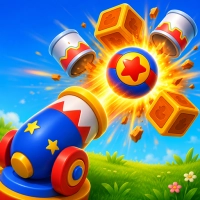
Smash Shoot combines simple touch controls with physics-based challenges. Players control a cannon and tap an object or target area to fire. The goal is to remove all required objects from the playing surface before running out of cannonballs.
The main challenge comes from deciding where to shoot. A direct hit may destroy one object, while a carefully selected impact point can send several objects moving, causing a chain reaction that clears much more of the table.
Every level introduces a new arrangement to study. Players encounter different materials, including cans, wooden boxes, jars, stones, ice blocks, and logs. These objects respond differently to impacts, making it important to understand how they interact.
The game also introduces moving and rotating tables, sliding or lifting platforms, and indestructible blockers. These obstacles add timing and positioning challenges to the basic shooting mechanic.
Main Features of Smash Shoot
Cannon Shooting Gameplay
The main control system is easy to understand. Tap a target on the table, and the cannon fires toward that location. This straightforward mechanic makes the game accessible to casual players while leaving room for more thoughtful strategies.
Physics-Based Chain Reactions
Smash Shoot focuses on collisions and movement. A cannonball can knock an object into another object, creating a sequence of impacts. Successful players learn to use these interactions instead of spending ammunition on isolated targets.
Different Objects and Materials
Levels feature several types of objects, including:
Cans that can be pushed by impacts.
Wooden boxes that can be smashed.
Jars that react to cannonball hits.
Stones that influence how objects move around them.
Ice blocks that add another type of physical interaction.
Logs that can affect nearby objects through collisions.
Multiple Difficulty Levels
The game includes Normal, Hard, and Super Hard challenges. These modes provide different levels of difficulty and test the player's ability to plan shots, manage ammunition, and react to more complicated layouts.
Moving and Rotating Tables
Some stages feature tables that rotate, slide, or lift. These moving surfaces make timing an important part of the puzzle. A shot that works at one moment may become less effective as the arrangement changes.
Coins and Fireworks
Completing levels rewards players with coins. Progression also allows them to unlock fireworks, which can destroy multiple targets at the beginning of a difficult level.
Visual Shooting Effects
Cannon shots produce flame, smoke, debris, and colorful impact effects. These visual details make each successful hit more satisfying.
How to Play Smash Shoot
The basic gameplay is simple, but completing difficult stages requires patience and planning.
Study the level before shooting
Look at the entire table and identify the objects that need to be removed. Notice which objects are close together, which ones are positioned near the edges, and whether any moving platforms or blockers affect the layout.
Choose your first target
Select an object that could create the most useful movement. Instead of automatically shooting the closest object, consider whether hitting another target could knock several objects away at once.
Tap to fire the cannon
Tap the desired target area to launch a cannonball. Watch how the objects react and use the result to understand what should happen next.
Manage your cannonballs
Ammunition is limited, so every shot matters. Avoid firing repeatedly without considering the consequences. A few well-planned shots are often more effective than several random attempts.
Clear the table
Continue using direct hits and chain reactions until the required objects have been removed. Successful completion earns coins and helps unlock additional progression rewards.
Full Strategy Guide: How to Win More Levels
Understand the Physics Before Shooting
The most important skill in Smash Shoot is understanding how objects react to impacts. Different materials behave differently, so the same shooting approach may not work for every target.
Pay attention to the direction an object moves after being hit. Observe whether it breaks, slides, falls, or pushes nearby objects. These reactions provide useful information for planning future shots.
Avoid treating every object as an independent target. The best opportunities often come from using one object to move several others.
Look for Chain Reaction Opportunities
Chain reactions are among the most valuable tools in the game. A single cannonball can potentially trigger multiple collisions if you choose the right target.
Before shooting, check whether the selected object is touching or positioned close to other objects. If an impact can move it into a group, you may clear several targets with one shot.
Try to identify objects that act as connections between different parts of the arrangement. Hitting these objects may create more movement than targeting something isolated.
Prioritize Targets Carefully
Not every target deserves immediate attention. Some objects may block access to others, while different objects can influence the movement of the entire arrangement.
A useful approach is to prioritize targets that:
Can trigger several collisions.
Are positioned near groups of other objects.
Prevent other objects from moving freely.
Can be knocked toward the edge of the table.
Create a clearer path for later shots.
This approach helps reduce unnecessary ammunition use.
Use the Edges of the Table
Objects near the edges can provide useful opportunities. A carefully selected impact may push an object over the side or cause it to collide with nearby targets.
Look for objects that are already close to falling. They may require less effort to remove than objects positioned securely in the center.
However, do not assume every edge target should be your first choice. Consider whether hitting it will help clear other objects or simply remove one target.
Learn How Different Materials Behave
The game includes wooden boxes, jars, cans, stones, ice blocks, and logs. Understanding their reactions can help you make better decisions.
Wooden boxes and jars are useful targets to study because they can be destroyed by impacts. Cans and logs can influence the movement of nearby objects. Stones and other solid objects may affect the direction of collisions.
Experiment with different impact points when you encounter unfamiliar arrangements. Learning from each result will make later puzzles easier to understand.
Adapt to Moving Tables
Rotating, sliding, and lifting tables introduce a timing element. You cannot always rely on the same shot position because the arrangement may change.
Watch the movement pattern before firing. Try to identify when an important target becomes exposed or when several objects line up.
Avoid rushing a shot when a moving platform is about to change position. Waiting for a more favorable arrangement can make a difficult level easier.
Handle Indestructible Blockers
Some levels contain objects that cannot be destroyed. Shooting directly at these blockers wastes ammunition if they do not react to cannonball impacts.
Instead, look at how the blocker affects the surrounding objects. It may restrict movement, create a barrier, or change the direction of collisions.
Use the available space around it to plan your shots. The goal is to work with the layout rather than waste attempts trying to remove something that cannot be broken.
Save Fireworks for Difficult Challenges
Fireworks are a progression feature that can destroy multiple targets at the beginning of a difficult level.
Because they can help with challenging arrangements, consider saving them for stages where several targets are difficult to clear efficiently.
Before using fireworks, inspect the layout and decide whether the extra destruction will meaningfully improve your position. Using a special resource strategically can make later attempts more manageable.
Improve Your Performance in Hard and Super Hard Levels
Higher difficulty levels demand more careful planning. Simple direct shots may not be enough when the table contains multiple obstacles, moving surfaces, or complicated object arrangements.
Use a more deliberate approach:
Study the complete layout before firing.
Identify the most useful chain reaction.
Check whether moving platforms affect your timing.
Avoid wasting shots on isolated objects when better opportunities exist.
Keep track of the remaining cannonballs.
Use fireworks when they provide a meaningful advantage.
The key is to make every shot contribute toward clearing the level.
Advanced Tips for Better Results
Think beyond the first collision. The initial impact is only part of a shot's value. Consider where the target will move and what it may hit afterward.
Watch the entire table. Do not focus exclusively on the object you are shooting. Other objects may move as a result of the collision.
Learn from unsuccessful attempts. A failed shot can still reveal useful information about object behavior, movement, and positioning.
Avoid unnecessary shots. If an object is already moving toward the edge or is likely to be removed by another collision, you may not need to target it directly.
Be patient with moving platforms. Timing can be more important than firing quickly when the table changes position.
Use rewards thoughtfully. Coins and fireworks support progression, so make good use of the resources you earn as the challenges become harder.
Common Mistakes to Avoid
Shooting Without a Plan
Random shooting can quickly use up your available cannonballs. Always consider the possible result before tapping a target.
Ignoring Nearby Objects
An object may be more valuable because of what it can hit than because of its own position. Check surrounding targets before choosing your shot.
Forgetting About Moving Platforms
A rotating or sliding table can change the position of important targets. Failing to consider movement may lead to poorly timed shots.
Targeting Indestructible Blockers
Do not waste ammunition trying to destroy objects that are designed to remain in place. Focus on clearing the objects around them.
Using Fireworks Too Early
Special abilities are more useful when they solve a genuine problem. Think about whether a level can be completed with ordinary shots before spending a valuable resource.
Rushing Difficult Levels
Harder stages reward careful observation. Take a moment to understand the arrangement instead of immediately firing the cannon.
Frequently Asked Questions
What type of game is Smash Shoot?
Smash Shoot is a physics-based puzzle game that combines cannon shooting, object destruction, and chain reaction challenges.
Who developed Smash Shoot?
The game is published by Fruit Puzzle Games.
How do you shoot in Smash Shoot?
Players tap an object or target area on the table to fire the cannon toward that location.
What is the main objective?
The main objective is to knock the required objects off the table before running out of cannonballs.
Does Smash Shoot have different difficulty modes?
Yes. The game features Normal, Hard, and Super Hard levels.
What objects appear in the game?
The listed objects include cans, wooden boxes, jars, stones, ice blocks, and logs.
What are fireworks used for?
Fireworks are unlockable progression rewards that can destroy multiple targets at the beginning of a difficult level.
Does the game require strategy?
Yes. Although the controls are simple, players need to plan their shots, understand collisions, manage ammunition, and consider moving platforms.
Is Smash Shoot Worth Playing?
Smash Shoot is a good choice for players who enjoy casual physics puzzles and satisfying object-destruction mechanics. Its tap-to-shoot controls make it easy to start playing, while limited ammunition and chain reaction challenges give each level a strategic element.
The variety of materials, moving tables, indestructible blockers, and different difficulty modes helps keep the gameplay interesting. Coins and unlockable fireworks also provide additional progression goals.
Players who enjoy experimenting with physics, finding efficient solutions, and completing increasingly difficult puzzles may find Smash Shoot particularly enjoyable.
Final Thoughts
Smash Shoot turns a simple cannon-shooting concept into a puzzle experience built around precision, timing, and physics. Each level encourages players to study the arrangement, choose effective targets, and use collisions to clear as many objects as possible with limited ammunition.
The best strategy is to think ahead, recognize chain reaction opportunities, understand how different materials behave, and avoid wasting shots. With practice, players can improve their accuracy and approach even the more challenging levels with greater confidence.
Rate the Game
User Reviews







Popular Games



















 Android
 iOS
 Windows
 Xbox