
Latest Version
November 12, 2026
BIRDLETTER Inc.
Role Playing
Android
0
com.birdletter.snap
Report a Problem
More About :game
Game Overview
GAME PROFILE
Game Title: Snap Arena: Autobattler RPG
Developer: BIRDLETTER Inc.
Package Name: com.birdletter.snap
Platform: Android
Genre: Role-Playing, Strategy, Auto Battler
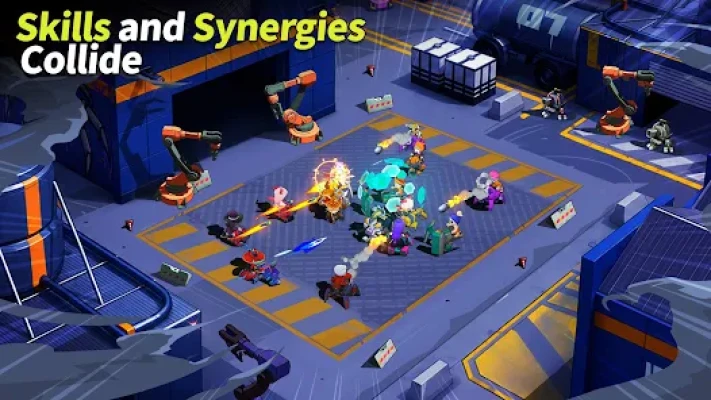
Battle Format: 7v7 automatic battles
Average Battle Duration: Approximately 3 minutes
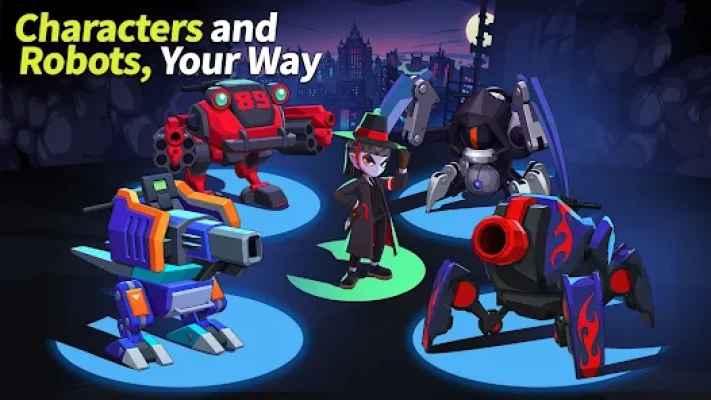
Character Collection: Villains and robots
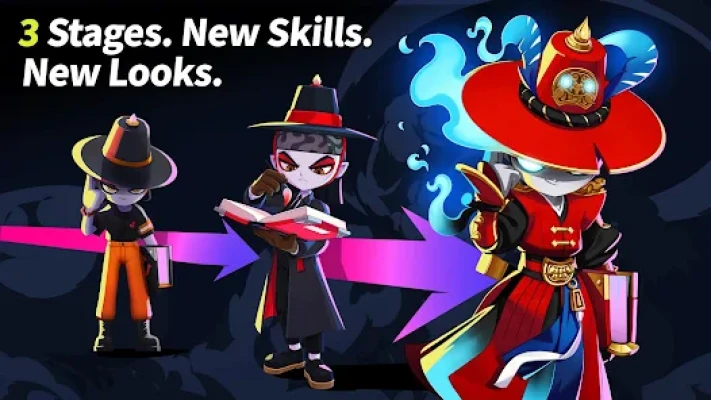
Progression System: Three-stage character evolution
Special Equipment: Powerstones
Game Modes: Story Mode, Boss Raids, Tournament, and Arena
Tournament Format: 32-player tournament
Monetization: Contains advertisements and in-app purchases
Content Rating: Teen
Google Play Availability: Android
What Is Snap Arena: Autobattler RPG?
Snap Arena: Autobattler RPG is a mobile strategy RPG that combines collectible characters, automatic combat, tactical positioning, and team-building decisions. Developed by BIRDLETTER Inc., the game challenges players to create powerful teams using an expanding collection of villains and robots.
Unlike traditional RPGs that rely on a fixed team or predetermined character selection, Snap Arena introduces changing character choices throughout each match. This system makes every battle feel different because players must adapt their strategies to the available options rather than depend on one permanent formation.
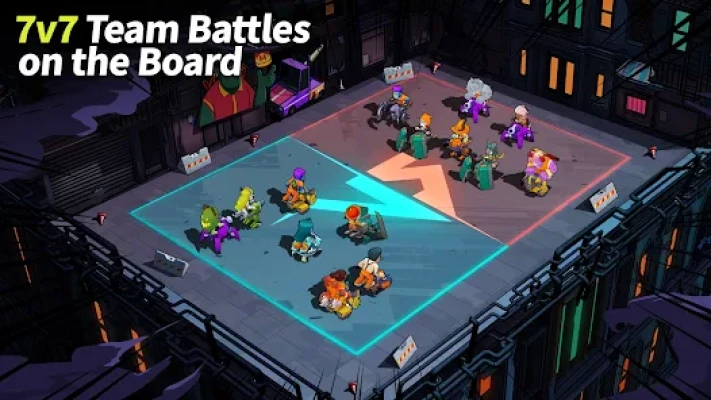
Matches take place in 7v7 automatic battles that last approximately three minutes. Although the characters fight automatically, victory depends heavily on the player's decisions before and during combat. Selecting suitable characters, positioning units correctly, combining complementary abilities, and choosing effective Powerstone traits are all important parts of the experience.
The game also features character development, different competitive activities, boss encounters, and a story campaign. These systems provide several ways to develop a collection and test different tactical approaches.
Main Features of Snap Arena
Fast 3-Minute 7v7 Battles
One of the main attractions of Snap Arena is its quick automatic combat system. Each battle features two teams containing seven units each.
Players concentrate on preparing their formations, selecting suitable characters, and finding effective combinations. Once combat begins, the selected units fight automatically.
The short match duration makes the game suitable for players who enjoy strategic decisions without spending a long time in every encounter.
Changing Character Selections
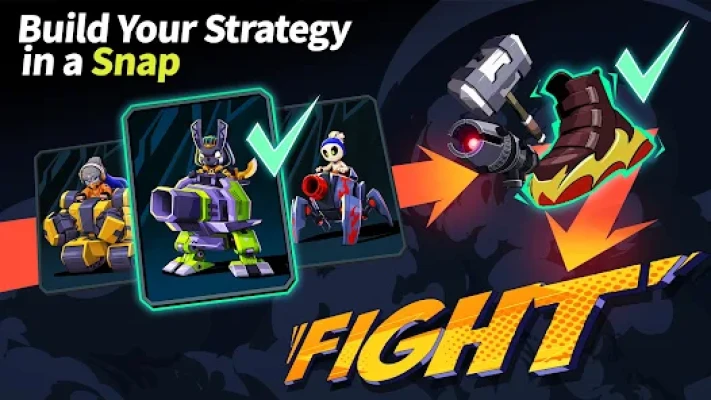
Snap Arena does not depend on a completely fixed character selection system. Available character choices change randomly during each round.
This feature creates an interesting challenge because players cannot always follow the same plan. Sometimes the available choices will support an existing strategy, while other times they will encourage players to experiment with an entirely different combination.
Successful players learn how to work with the options presented rather than waiting for one perfect lineup.
Collect Villains and Robots
The game features a collection system built around villains and robots.
Players can combine different characters to create teams with complementary strengths. Tanks, damage dealers, and support units each have different roles, making team composition an important part of preparation.
Robots add another dimension to team-building decisions, allowing players to experiment with different combinations and discover useful synergies.
Tactical Positioning and Counter Strategies
Character selection is only one part of winning.
Positioning determines how effectively units can use their attack ranges and abilities. Players must consider the opposing formation and identify which enemy characters represent the greatest threat.
A well-positioned team can sometimes defeat a stronger opponent by taking advantage of weaknesses in the enemy lineup.
Powerstone Customization
Powerstones introduce additional customization possibilities.
Their traits can change how individual characters perform, allowing players to develop different builds for the same unit.
Choosing suitable Powerstones requires understanding a character's role, abilities, and intended position. The right combination can strengthen a team's overall performance and help counter specific opponents.
Three-Stage Character Evolution
Snap Arena includes a three-stage character evolution system.
Character development is not limited to increasing numerical attributes. Skills become stronger, and characters receive visual changes as they advance through their evolution stages.
This progression system gives players additional reasons to collect characters and invest resources in their preferred units.
Multiple Game Modes
The game offers several activities beyond its regular battles.
Story Mode: Explore different regions and progress through the game's campaign.
Boss Raids: Challenge powerful enemies that require effective team preparation.
32-Player Tournament: Compete in a larger tournament format against other participants.
Arena: Test your team-building skills in competitive battles.
Each activity offers a different way to experience the game's combat and progression systems.
Villain-Based Storytelling
One of the game's distinctive creative elements is its focus on villains as the main characters.
Rather than presenting every villain as a simple enemy, Snap Arena explores their personalities, unusual backgrounds, and hidden stories.
Cinematics and comics add humor and character development, giving players more context about the individuals they collect.
Daily Rewards and Events
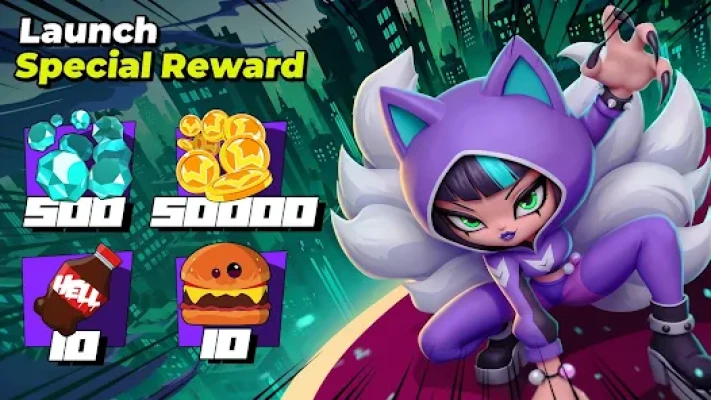
Daily check-ins, missions, achievements, and special events provide additional opportunities to collect rewards.
These activities help players develop their characters and robots while maintaining steady progress.
Understanding the Character Roles
Building a successful team begins with understanding the purpose of each unit.
Tanks
Tanks are designed to absorb damage and protect other members of the formation.
They are particularly valuable when facing opponents with powerful damage dealers. A durable frontline can give support units and offensive characters more opportunities to perform their roles.
When selecting a tank, consider its defensive capabilities and how effectively it can protect important teammates.
Damage Dealers
Damage dealers focus on eliminating enemy units.
They are essential for finishing battles efficiently, but their effectiveness often depends on positioning and protection.
Avoid placing fragile offensive characters where they can become easy targets. Instead, build a formation that allows them to attack while other units provide defensive support.
Support Characters
Support units help improve the performance and survival of the team.
Their abilities can complement tanks and damage dealers, creating a more balanced formation.
A team with strong offensive characters but insufficient support may struggle in longer or more demanding encounters.
Robots
Robots provide additional team-building possibilities.
Experiment with different robot combinations and consider how their abilities complement the characters already selected.
The strongest combination is not necessarily the one with the highest individual statistics. What matters is how effectively the entire team works together.
Complete Strategy Guide for Snap Arena
Getting Started as a Beginner
When starting Snap Arena, focus on understanding its main systems instead of immediately trying to build the strongest possible collection.
Learn how character selection works, explore the different unit roles, and pay attention to the positioning system.
Because character choices change between rounds, flexibility is essential. A strategy that works in one match might not be suitable for the next.
Start by building balanced teams and gradually experiment with more specialized combinations.
Build a Balanced 7v7 Team
Team composition is one of the most important factors in Snap Arena.
A successful formation should include units that perform complementary functions.
Avoid selecting seven offensive characters simply because they have impressive damage potential. Without enough defensive support, such a team may struggle against opponents with strong frontline units.
Similarly, building an entirely defensive team can make it difficult to eliminate enemy characters.
Try to maintain a useful balance between survivability, offensive pressure, and supporting abilities.
The ideal formation depends on the available characters and the opponents you encounter.
Adapt to Random Character Choices
The changing selection system is one of the most important mechanics to master.
Instead of entering every match with one rigid plan, develop several alternative team-building approaches.
If the characters you want are unavailable, examine the other options and identify combinations that can still work.
For example, if you cannot complete your preferred offensive combination, consider building around defensive strength or support abilities.
Being adaptable is often more valuable than repeatedly chasing the same character combination.
Master Character Positioning
Positioning can make a significant difference in automatic battles.
Before starting combat, examine the available formation positions and think about how each unit will interact with the opposing team.
Keep important damage dealers protected whenever possible. Place durable units where they can absorb incoming attacks, and consider the attack ranges of your characters when arranging the formation.
Do not automatically copy the same positioning in every battle.
Study the enemy lineup and make adjustments according to its strengths and weaknesses.
Focus on Target Priorities
Not every enemy character represents the same level of danger.
Some opponents may have powerful offensive abilities, while others provide important support to their teammates.
Identifying these key units is an important part of tactical planning.
Pay attention to enemy skills, attack ranges, and possible combinations. When possible, create a formation that can pressure the most dangerous opposing characters.
Removing an important support or damage-dealing unit can make the remaining battle much easier.
Understand Counter Picks
Counter strategies are particularly valuable when facing difficult opponents.
A character that performs well against one formation may struggle against another.
Consider the following factors when choosing your units:
Enemy character roles.
Attack ranges.
Skill interactions.
Defensive weaknesses.
Powerstone traits.
Team combinations.
Rather than selecting characters based only on their individual strength, consider how effectively they can challenge the opposing formation.
Create Effective Powerstone Builds
Powerstones offer opportunities to customize characters according to different tactical needs.
Do not treat every character as though it needs the same type of build.
Consider what the unit contributes to the team. A defensive character should support the formation's survivability, while an offensive character should benefit from traits that complement its damage-dealing role.
Experiment with different combinations and observe how they affect performance.
A carefully developed Powerstone build can make a familiar character more effective in a completely different team composition.
Prioritize Character Evolution
The three-stage evolution system is an important part of long-term progression.
Developing characters can improve their skills and change their appearance as they advance.
However, spreading resources across every available character may slow down your progress.
Instead, identify the units you use most frequently and concentrate on developing a reliable core collection.
Choose characters that offer useful abilities and fit multiple team combinations.
This approach can make your collection more versatile over time.
How to Progress Through Story Mode
Story Mode provides an opportunity to explore different regions and develop your collection.
Take advantage of this mode to understand the combat system and experiment with new team combinations.
If you encounter a difficult opponent, examine the enemy formation before trying again.
Look for weaknesses in its defensive structure and consider whether a different combination of characters could improve your chances.
Story progression is also a useful opportunity to become familiar with the game's character abilities and tactical possibilities.
How to Approach Boss Raids
Boss Raids introduce powerful enemies that can challenge your team preparation.
Before attempting a difficult encounter, examine your available characters and identify the strongest combination for the situation.
Focus on maintaining sufficient team durability while preserving enough offensive power to defeat the boss.
Avoid choosing a formation simply because it performs well in ordinary battles. Boss encounters may require a different balance of roles and abilities.
Experiment with character combinations and Powerstone builds until you discover an effective approach.
Winning More Arena Battles
Arena matches are an opportunity to test your understanding of the game's tactical systems.
Winning consistently requires more than collecting powerful characters.
Pay attention to team balance, positioning, attack ranges, and counter combinations.
After a defeat, consider whether the problem came from your character selection, formation, or customization choices.
Making small adjustments between matches can gradually improve your results.
Preparing for the 32-Player Tournament
The tournament format offers a larger competitive challenge.
Preparation should begin with developing a versatile character collection rather than relying on a single powerful combination.
A flexible roster allows you to respond to different opponents and changing character selections.
Focus on understanding which characters work well together and which Powerstone traits provide the greatest value to your preferred strategies.
Avoid making unnecessary changes to your entire team after every defeat. Identify the specific weakness and improve that part of your formation.
Daily Progression Strategy
Daily activities can help maintain consistent development.
Make time for the following activities:
Complete available daily missions.
Collect daily check-in rewards.
Participate in suitable events.
Review achievement objectives.
Develop important characters.
Improve useful Powerstone combinations.
Explore different team compositions.
Completing these activities regularly can help you collect resources and strengthen your roster over time.
Advanced Tips and Tricks
Think About Synergy, Not Just Individual Power
A collection of powerful characters does not automatically create a powerful team. Look for abilities and roles that complement one another.
Keep Multiple Team Strategies in Mind
Changing character selections mean that flexibility is essential. Learn several approaches instead of relying on one formation.
Protect Your Important Units
Offensive and support characters can be vulnerable without suitable defensive positioning. Build your formation around protecting the units that contribute most to victory.
Experiment With Powerstones
The same character can perform differently depending on its Powerstone traits. Try alternative builds to discover useful combinations.
Study Difficult Opponents
Pay attention to enemy positioning, character roles, and attack ranges. Understanding why an opponent is effective can help you develop a counter strategy.
Develop a Reliable Core Collection
Concentrating progression resources on useful characters can provide better results than upgrading every unit equally.
Do Not Ignore Support Characters
Support units can improve the performance of an entire team. Their contribution may be less obvious than direct damage, but it can be essential.
Use Short Matches as Learning Opportunities
Three-minute battles make experimentation relatively convenient. Each match can teach you something about positioning, character combinations, and tactical decisions.
Common Beginner Mistakes to Avoid
Choosing Characters Without a Plan
Selecting characters based only on appearance or individual strength can create an unbalanced team.
Consider how each unit contributes to the formation before making your selection.
Ignoring Positioning
Even a strong team can perform poorly when its units are placed inefficiently.
Consider attack ranges and defensive roles before starting a battle.
Using the Same Strategy Against Every Opponent
Different formations create different challenges.
Adapt your character choices and positioning instead of expecting one strategy to work everywhere.
Neglecting Powerstone Customization
Powerstones are an important part of character development.
Experiment with different traits to improve the effectiveness of your favorite units.
Spending Progression Resources Too Widely
Developing too many characters simultaneously can make it harder to establish a strong core team.
Prioritize units that provide consistent value across different activities.
Ignoring Daily Activities
Missions, events, and check-in rewards provide additional progression opportunities.
Missing these activities can slow down your collection development.
Frequently Asked Questions
What is Snap Arena: Autobattler RPG?
Snap Arena is a mobile strategy RPG where players collect villains and robots, create teams, and compete in automatic 7v7 battles.
How long does each battle take?
The game's advertised battles last approximately three minutes.
How many characters participate in a battle?
Each battle features two teams of seven units, creating a 7v7 combat format.
Does Snap Arena have automatic battles?
Yes. Characters fight automatically after players make their team-building and positioning decisions.
Can character selections change between matches?
Yes. Character choices change randomly each round, encouraging players to adapt their strategies.
What are Powerstones?
Powerstones are customization items with different traits that can change how characters perform in battle.
Can characters evolve?
Yes. The game features three-stage character evolution that improves skills and changes character appearances.
What game modes are available?
The advertised activities include Story Mode, Boss Raids, a 32-player Tournament, and Arena battles.
Does Snap Arena feature robots?
Yes. Players can collect and combine robots with villains to create different team compositions.
Who developed Snap Arena?
The game was developed and published by BIRDLETTER Inc.
Does Snap Arena contain in-app purchases?
Yes. The Google Play listing indicates that the game contains advertisements and in-app purchases.
Is Snap Arena suitable for strategy game fans?
Yes. Its combination of automatic battles, changing character selections, team positioning, counter strategies, and character development makes it particularly interesting for players who enjoy tactical RPGs and autobattlers.
Final Thoughts
Snap Arena: Autobattler RPG offers an interesting combination of collectible characters, tactical team-building, automatic combat, and RPG progression. Its changing character selections help make every match a new strategic challenge, while its three-stage evolution system and Powerstone customization provide additional ways to develop a collection.
The short 7v7 battles make the experience accessible, but winning consistently requires careful decisions. Players must understand character roles, create balanced formations, protect important units, and adapt their strategies to different opponents.
Whether progressing through Story Mode, challenging powerful bosses, or competing in the Arena and 32-player tournaments, there are several ways to explore the game's tactical possibilities.
For players who enjoy collectible RPGs, strategic autobattlers, robot characters, and competitive team-based gameplay, Snap Arena: Autobattler RPG offers a distinctive mobile gaming experience.
Rate the Game
User Reviews











Popular Games



















 Android
 iOS
 Windows
 Xbox