


Latest Version
October 04, 2025
Dream play games Inc.
Role Playing
iOS
0
Report a Problem
More About :game
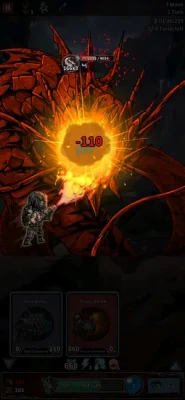
Slay the Titan: Deckbuild RPG challenges players to create effective card combinations and lead a team of adventurers through dangerous dungeons. Developed by Dreamplay Games Inc., the game blends traditional card-based combat with roguelike progression and character collection.
Success depends on more than collecting powerful characters. Players must understand how individual skills interact, build decks around a clear strategy, and adapt their choices to the enemies they face. A character that performs exceptionally well in one combination may be less effective in another, making careful deck construction essential.
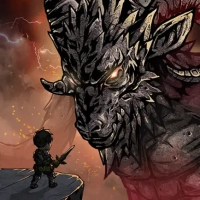
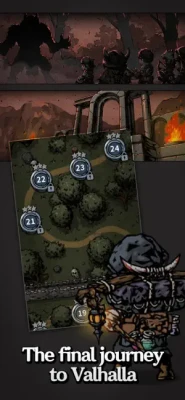
The adventure centers on the journey toward Valhalla, where seven powerful Titans stand between players and victory. Along the way, players can experiment with different character classes, strengthen their tactical understanding, and challenge other adventurers in multiplayer modes.
Whether you enjoy planning combinations in single-player dungeons or testing your deck against opponents, Slay the Titan offers a strategic experience built around experimentation and preparation.
Main Features of Slay the Titan: Deckbuild RPG
Strategic Deckbuilding
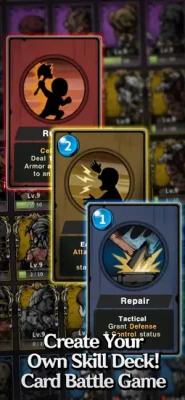
The deckbuilding system allows players to combine skill cards associated with recruited characters. Choosing compatible abilities can create effective combinations, while poorly matched skills may weaken the entire strategy.
The best deck is not necessarily the one containing the rarest characters. Strong synergy, consistent performance, and a clear combat plan are often more important than individual character strength.
Character Collection and Classes
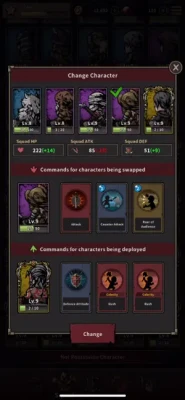
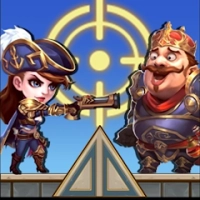
Players can collect adventurers from several occupations, including pirates, witches, knights, rogues, slayers, and crawlers. Each character brings skills that can influence the direction of a deck.
Experimenting with different classes helps players discover combinations suited to dungeon exploration, boss encounters, and competitive battles.
Single-Player Adventure and Dungeon Crawling
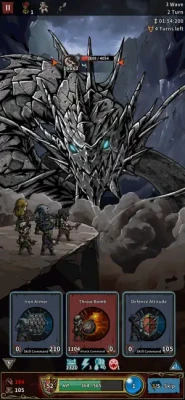
The single-player campaign takes players toward Valhalla through challenging encounters and powerful enemies. Seven Titans stand in the way of progress, requiring players to prepare carefully and adapt their decks to each challenge.
Multiplayer Card Battles
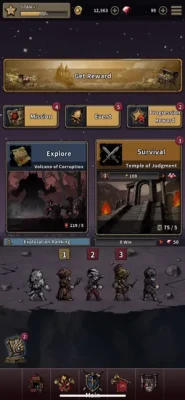
The Temple of Judgment provides opportunities to face other adventurers instead of fighting Titans. These encounters test how effectively a deck performs against another player's strategy.
Learning to recognize enemy strengths and weaknesses is essential for improving multiplayer results.
Tower of Competition
The Tower of Competition allows players to experiment with characters they may not own. As players progress, they must work with randomly offered characters and make the best of the available options.
This mode rewards flexibility, creativity, and the ability to build a functional strategy under changing conditions.
How to Play Slay the Titan: Deckbuild RPG
1. Recruit Characters
Begin by collecting characters with different abilities and skill cards. Avoid judging every character solely by rarity or apparent strength. Consider how each character could contribute to a larger combination.
2. Build a Cohesive Deck
Choose characters whose skills support the same general strategy. A collection of individually strong characters may still perform poorly if their abilities do not work together.
Look for complementary effects, useful combinations, and skills that help your deck maintain a consistent approach to combat.
3. Enter Dungeons and Battle Enemies
Use your prepared deck to advance through single-player encounters. Pay attention to enemy behavior and identify which parts of your strategy are working.
When a battle becomes difficult, review your deck before simply repeating the same approach.
4. Learn from Defeats
A loss can reveal problems with your character selection, skill combinations, or overall strategy. Identify the weakness that caused the failure and make targeted changes before your next attempt.
5. Test Your Strategy in Other Modes
Once your deck performs reliably in familiar encounters, explore multiplayer battles and the Tower of Competition. These modes provide different challenges and help you learn how to adjust your decisions when facing unfamiliar combinations.
Complete Strategy Guide for Slay the Titan
Build Your Deck Around a Main Strategy
One of the most important principles in Slay the Titan is deck consistency. Instead of selecting characters randomly, decide what your deck should accomplish and choose characters that support that goal.
Start by identifying the abilities you want to use most often. Then select other characters whose skills complement those abilities or help cover their weaknesses.
A focused deck is generally easier to understand, improve, and adapt than a collection of unrelated skills.
Prioritize Synergy Over Individual Power
Character strength matters, but synergy determines how well the full deck operates.
When comparing two characters, consider the following questions:
Does this character strengthen the deck's existing strategy?
Do their skills complement abilities already included?
Does the character solve a weakness in the current lineup?
Will adding this character make the deck more consistent or more complicated?
If a powerful character does not fit the deck, replacing another member with a better match may improve overall performance.
Prepare Specifically for Titan Battles
The seven Titans are major obstacles in the single-player adventure. Rather than relying on one unchanged deck for every encounter, pay attention to the characteristics of the Titan you are facing.
Review your previous attempts and identify which parts of your strategy were ineffective. Adjust your character selection and skill combinations to address the challenge.
A practical preparation routine is to examine the encounter, choose a suitable deck, test the strategy, and revise it based on the outcome. This process is more useful than making several unrelated changes after every defeat.
Improve Your Dungeon-Crawling Strategy
Dungeon progression rewards preparation and careful decision-making. Before entering a difficult encounter, make sure your deck has a coherent plan and that its characters contribute to that plan.
After each battle, evaluate whether your skills worked together as expected. If the deck consistently struggles, determine whether the problem comes from weak combinations, unsuitable characters, or a strategy that does not match the enemies.
Change one or two elements at a time whenever possible. This makes it easier to understand which adjustment improves your performance.
Develop a Multiplayer Counter-Strategy
Multiplayer battles require a different mindset because your opponent's deck may follow a strategy you have not encountered before.
Watch for patterns in the opposing lineup and consider what its characters are designed to accomplish. Use those observations to identify weaknesses and improve your own deck.
Avoid assuming that a strategy successful against dungeon enemies will automatically perform equally well against other players. Competitive opponents may use combinations that expose weaknesses your single-player deck rarely encounters.
When you lose a multiplayer match, review the opposing strategy and consider what your deck lacked. Over time, these observations can help you prepare for a wider range of matchups.
Make Smart Choices in the Tower of Competition
The Tower of Competition introduces uncertainty by offering characters that players may not own and presenting random recruitment choices during progression.
Because you cannot always rely on a familiar lineup, flexibility becomes especially important.
Use these principles when climbing the tower:
Evaluate each offered character in the context of your current deck.
Prefer characters that support your strongest existing combinations.
Avoid choosing a character simply because it looks powerful in isolation.
Adapt your plan when the available options do not support your original strategy.
Treat every run as an opportunity to learn how unfamiliar characters work together.
The tower is also a useful environment for discovering characters and skills that may inspire future deck experiments.
Best Beginner Tips
Learn Your Characters Before Chasing Rare Cards
Understand the role of the characters you already own. Familiarity with their abilities makes it easier to identify useful combinations and recognize when a new character would improve your deck.
Keep Your Deck Focused
Avoid adding characters without a clear reason. Every addition should support your main strategy or address a specific weakness.
Experiment With Different Classes
Pirates, witches, knights, rogues, slayers, and crawlers provide different possibilities for deck construction. Testing different combinations can reveal strategies that are more effective than your original lineup.
Use Defeats as Feedback
When a Titan or another player defeats you, look for a specific cause. A focused adjustment is more valuable than changing the entire deck without understanding the problem.
Practice in Multiple Game Modes
Single-player adventures help you learn the combat system, multiplayer battles test your ability to respond to opponents, and the Tower of Competition encourages flexible deckbuilding.
Manage Premium Currency Carefully
The game offers optional in-app purchases, including Ruby packages and other bundles. Consider your goals before spending and avoid treating purchases as a substitute for understanding the game's mechanics.
Common Mistakes to Avoid
Choosing characters without considering synergy: A powerful individual character may weaken the deck if its skills do not support the overall plan.
Using the same strategy against every Titan: Different encounters may require different approaches. Review your results and adapt when necessary.
Ignoring multiplayer opponents' strategies: Competitive battles become easier to understand when you study the opposing deck instead of focusing exclusively on your own cards.
Making too many changes at once: Replacing many characters simultaneously makes it difficult to identify which decisions helped or hurt your performance.
Relying entirely on character rarity: Rarity alone does not guarantee that a character fits your combination. Skill compatibility and deck consistency remain important.
Ignoring the Tower of Competition's random choices: A fixed plan can fail when the required characters are unavailable. Learn to build workable combinations from the options provided.
Spending without a clear objective: Before purchasing optional items, decide whether the purchase genuinely supports your preferred style of play.
Frequently Asked Questions
What is Slay the Titan: Deckbuild RPG?
Slay the Titan: Deckbuild RPG is a role-playing card game that combines deckbuilding, dungeon crawling, character collection, and multiplayer battles. Players build decks from character skill cards and use strategic combinations to defeat powerful enemies.
How many Titans are in the game?
The single-player adventure features seven Titans that players must overcome on their journey toward Valhalla.
Is Slay the Titan: Deckbuild RPG free to play?
The game is listed as free to download and includes optional in-app purchases. Players can decide whether to purchase additional items or progress through the game without spending money.
Does the game have multiplayer?
Yes. Multiplayer features include battles against other adventurers, where players test their decks and strategies against opposing lineups.
What is the Tower of Competition?
The Tower of Competition is a strategic mode where players can experiment with characters they do not own and make choices from randomly offered characters as they advance.
Which characters are best for beginners?
There is no single character that is best for every player or every deck. Beginners should focus on characters whose skill cards complement one another and support a consistent strategy.
How can I defeat difficult Titans?
Study the encounter, identify weaknesses in your current approach, and adjust your character selection and skill combinations. Improving synergy and making targeted changes can be more effective than repeatedly using the same deck.
Is deck synergy important?
Yes. Synergy is one of the central mechanics of the game. Characters with compatible skills can create stronger combinations than a lineup built only around individual character power.
Can I play Slay the Titan on iPhone and iPad?
The App Store listing supports iPhone and iPad devices running iOS 13.0 or later or iPadOS 13.0 or later, respectively. Check your device's compatibility before installing.
Final Verdict
Slay the Titan: Deckbuild RPG is a strong option for players who enjoy tactical card battles, character collection, dungeon exploration, and strategic experimentation. Its combination of single-player Titan encounters, multiplayer competition, and the Tower of Competition gives players several ways to test their deckbuilding skills.
The key to long-term progress is learning how characters and skill cards work together. Build around a clear strategy, adapt your lineup to difficult encounters, and use each defeat as an opportunity to improve.
For fans of card RPGs and dungeon-crawling games, Slay the Titan offers a challenging experience where thoughtful decisions and effective combinations matter as much as collecting characters.
Rate the Game
User Reviews












Popular Games



















 Android
 iOS
 Windows
 Xbox