

Latest Version
October 11, 2025
Ujoy Games Limited
Role Playing
iOS
0
Report a Problem
More About :game
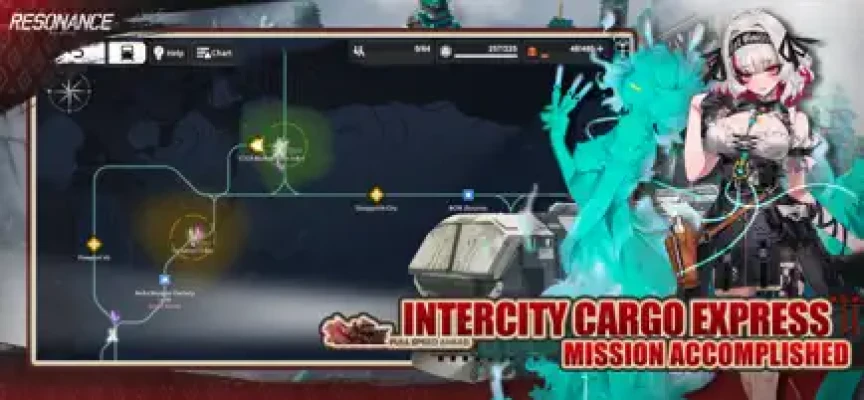
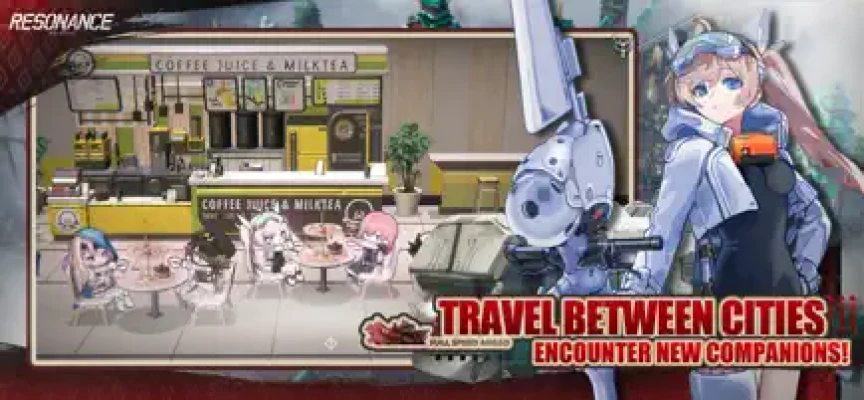
Instead of focusing only on battles, Resonance Solstice gives you several interconnected systems to manage. You can transport and trade goods between cities, improve your train, develop your crew, customize combat teams, and explore the game's story as you reconnect regions separated by the catastrophe.
The App Store lists the game as a free-to-play simulation title with in-app purchases and support for iPhone and iPad. It is developed by Ujoy Games Limited.
What Makes Resonance Solstice Different?
The biggest attraction of Resonance Solstice is the way its systems work together. Your train is more than transportation: it is part of your economy, progression, exploration, and combat preparation.
The main gameplay loop revolves around:
- Traveling between cities
- Buying and selling goods
- Completing transportation and trading activities
- Improving your Eternal train
- Recruiting and developing crew members
- Building teams for real-time card battles
- Exploring the post-disaster world
- Progressing through the main story
- Taking part in events and additional activities
The game's official description specifically highlights train customization, cross-city real-time trading, flexible team building, and real-time card battles.
The World and Story
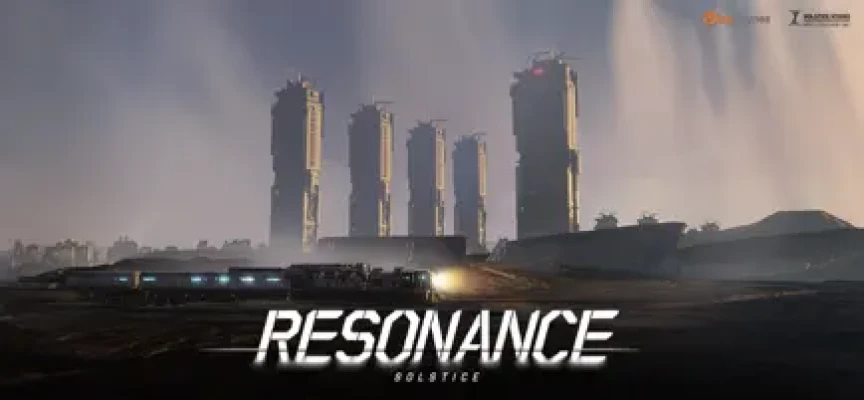
The story begins after the appearance of the mysterious Morphic Moon changes the world. Civilization becomes fragmented, factions compete for influence, and humanity is affected by strange transformations.
You become a conductor for COLUMBA, traveling between Bonfire Cities and helping restore the connections that keep these settlements alive.
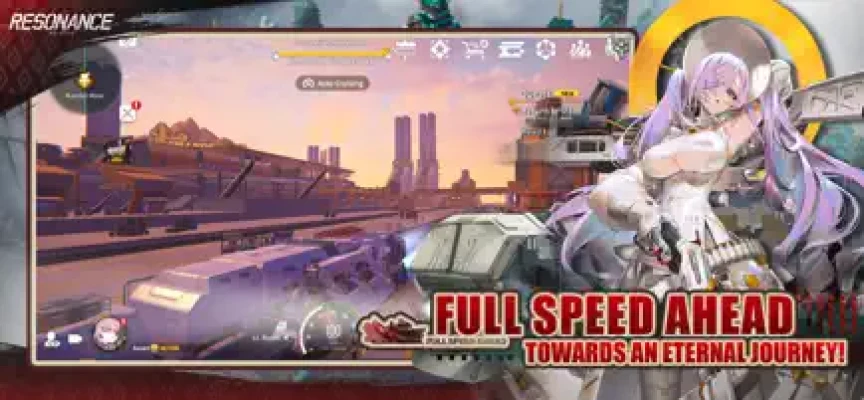
The Eternal becomes your mobile base as you travel through dangerous territories, meet characters from different factions, and uncover more information about the disaster.
The setting gives Resonance Solstice a distinctive combination of railway adventure, science-fantasy storytelling, character drama, and economic strategy.
Train Management
Your train is one of the most important parts of your progression.
The Eternal allows you to travel through the world while supporting your trading activities and other systems. Train customization and management become increasingly important as you progress.
When improving your train, think about what you actually need rather than upgrading everything immediately.
Focus on:
- Useful train upgrades
- Cargo and transportation efficiency
- Maintenance
- Equipment improvements
- Route efficiency
- Features that support your preferred trading style
A stronger train can make transportation and exploration smoother, but resources are limited, so upgrading with a clear purpose is more efficient than spending materials randomly.
Trading Strategy
Trading is one of the systems that separates Resonance Solstice from conventional RPGs.
The basic idea is simple: purchase goods where prices are favorable and transport them to locations where they can produce better returns. The beginner guide describes the trading system around the classic principle of buying low and selling high.
How to Trade More Efficiently
1. Learn city demand
Don't assume that every city offers the same opportunities. Pay attention to available goods and prices before committing your cargo space.
2. Compare prices before buying
A profitable-looking item is not necessarily worth transporting. Consider its purchase cost, expected selling price, cargo requirements, and travel route.
3. Avoid filling your train with one risky product
Spreading your cargo across several opportunities can reduce the impact of an unfavorable market.
4. Plan the complete route
Look beyond your immediate destination. A slightly smaller profit on the first sale can sometimes create a much better position for the next leg of your journey.
5. Reinvest intelligently
Early profits should help strengthen your trading operation rather than disappear into unnecessary upgrades.
A Simple Trading Routine
A useful routine for beginners is:
Check prices → identify demand → purchase selectively → travel → sell → compare the next route → reinvest profits.
As you become familiar with the cities and trading system, you can develop repeat routes that match your available cargo and travel requirements.
Real-Time Card Battle Guide
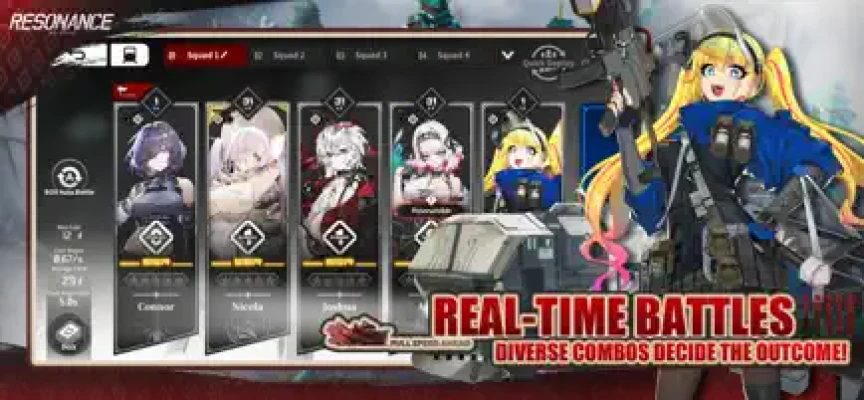
Combat uses a real-time card system rather than a traditional turn-based RPG structure. The official description emphasizes flexible team building and a large number of skill combinations.
This means winning is not simply about having the highest character levels.
Your team composition, skill selection, timing, and card usage can all affect the result.
Build a Balanced Team
When assembling a combat team, avoid creating a lineup where every character performs essentially the same function.
A balanced setup should consider:
- Damage output
- Survivability
- Support
- Healing or recovery
- Skill interactions
- Enemy weaknesses
- Skill timing
A powerful damage dealer can struggle if the rest of the team cannot keep the formation alive long enough to use that damage effectively.
Learn Your Skills
Don't immediately judge a character by rarity alone.
Read what each skill actually does.
Look for:
- Direct damage
- Area damage
- Healing
- Buffs
- Debuffs
- Crowd control
- Defensive effects
- Resource generation
- Skill combinations
Understanding how abilities interact is often more valuable than simply raising character levels.
Combat Tips for Beginners
Watch the Battle Instead of Auto-Playing Everything
Automated systems can save time, but difficult encounters are worth observing.
Pay attention to when your characters use important skills and how enemies respond.
Save Important Skills
Using every powerful ability immediately is not always the best strategy.
Sometimes it is better to wait for an enemy attack, defensive phase, or important combination opportunity.
Build Around Synergy
A team with several characters whose abilities support each other can perform better than a collection of individually strong characters.
Upgrade Your Core Team First
Rather than spreading every resource across your entire roster, establish a reliable main team and develop it consistently.
Adapt to Difficult Encounters
If a stage repeatedly defeats you, don't automatically assume that you simply need more levels.
Try changing:
- Team composition
- Skill priorities
- Character positions
- Equipment
- Upgrade focus
- Combat timing
Crew Development
Your crew is central to both combat and progression.
Resonance Solstice features numerous characters from different factions, each with their own personalities and abilities.
When developing characters, prioritize the members that actually form your main teams.
A practical progression strategy is:
- Select a core group.
- Learn their abilities.
- Upgrade their levels.
- Improve relevant equipment.
- Strengthen their important skills.
- Add specialized characters when a stage requires them.
Avoid spending all your resources simply because a new character looks interesting. Build a stable foundation first.
Equipment and Upgrades
Equipment upgrades should complement the role of the character using them.
For damage-focused characters, prioritize improvements that increase their ability to deal damage.
For defensive or support characters, prioritize the statistics and effects that help them survive and perform their intended role.
The game also includes deeper equipment progression and enhancement systems as your account develops, so keeping upgrade materials under control becomes increasingly important.
Beginner Progression Guide
When starting Resonance Solstice, it is easy to become distracted by the number of available systems.
Use this progression path:
Early Game
Concentrate on:
- Following the main story
- Learning the train system
- Understanding trading
- Building your first reliable combat team
- Completing available objectives
- Collecting progression rewards
Mid Game
Once the basic systems are familiar:
- Improve your preferred crew
- Develop your train
- Optimize trading routes
- Start paying closer attention to team synergy
- Improve equipment
- Participate in events
- Save resources for useful upgrades
Later Progression
At higher progression levels, efficiency becomes more important.
Instead of asking, "What can I upgrade?" ask:
"Which upgrade will improve my main team, train, or trading operation the most?"
That mindset helps prevent wasted materials.
Daily Routine
A simple daily routine can keep your account progressing without requiring constant play.
Check:
- Daily missions
- Available events
- Trading opportunities
- Train maintenance
- Crew development
- Equipment upgrades
- Story progression
- Limited-time rewards
The App Store version has continued to receive content and system updates, including new events, train skins, equipment progression, and additional gameplay features.
How to Make More Trading Profit
Trading becomes much easier when you start thinking in terms of complete routes instead of individual purchases.
Before buying anything, ask:
Where will I sell it?
Then ask:
What can I buy there for the return trip?
This creates a trading loop rather than a one-way trip.
Keep an eye on:
- Purchase price
- Selling price
- Cargo capacity
- Travel distance
- Available demand
- Potential return cargo
- Risk and opportunity cost
A smaller but repeatable profit can be more useful than a single large-looking deal that consumes too many resources.
How to Prepare for Difficult Battles
Before entering a challenging fight:
- Check your team's levels.
- Review equipment.
- Make sure your important skills are upgraded.
- Consider whether your team has enough survivability.
- Look for useful skill combinations.
- Adjust your lineup if the current setup is struggling.
- Enter the fight and observe enemy behavior.
- Change your strategy instead of repeatedly using the same approach.
This is especially important because Resonance Solstice's combat system gives considerable attention to skill combinations and team customization.
Common Beginner Mistakes
Spending Resources Too Quickly
Not every upgrade needs to happen immediately. Save valuable materials for your core progression.
Ignoring Trading
Combat is only one part of the game. Trading and train management are fundamental systems.
Building Too Many Characters
A wide roster is useful, but an underdeveloped roster can leave you without a strong core team.
Buying Without a Destination
Before purchasing goods, have an idea of where you intend to sell them.
Ignoring Train Maintenance
Your train is central to the gameplay loop, so keeping it properly maintained is important.
Using the Same Team Everywhere
Different situations can reward different combinations. Don't be afraid to change your lineup.
Resonance Solstice Tips and Tricks
Prioritize your main team. Concentrated investment gives you a stronger foundation.
Study the trading system. Profit comes from understanding routes and prices rather than simply buying large quantities.
Keep your train in good condition. Train management directly supports your wider progression.
Read character skills carefully. Skill interactions can matter more than raw rarity.
Don't rush difficult content. If a stage is giving you trouble, improve your strategy before spending large amounts of resources.
Check events regularly. Limited-time activities can provide useful progression materials and rewards.
Save premium resources when possible. A little patience can give you more flexibility when new characters or opportunities become available.
Resonance Solstice Features
- Train simulation and management
- Real-time trading between cities
- Real-time card battles
- Character and crew collection
- Team building
- Train customization
- Post-disaster world exploration
- Anime-style presentation
- Live2D character interactions
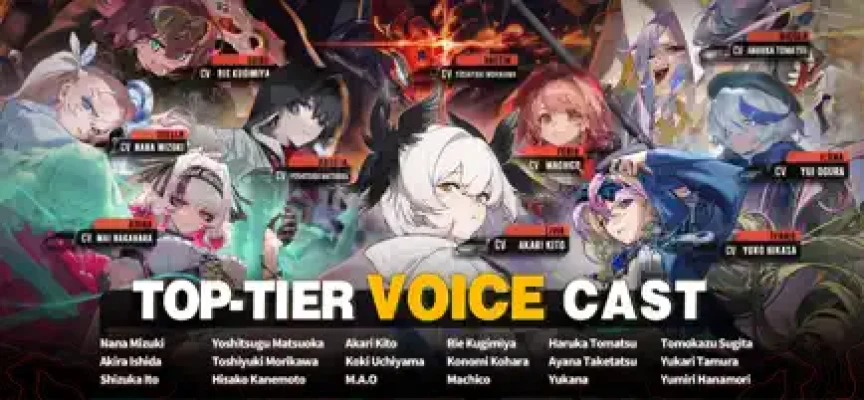
- Japanese voice acting
- Main story campaigns
- Events and additional activities
- Free-to-play progression with optional in-app purchases
The App Store lists Resonance Solstice at approximately 3.9 GB, with iPhone and iPad support and a 13+ age rating.
Resonance Solstice Pros and Considerations
Highlights
- Unusual combination of train simulation and RPG systems
- Trading provides an economic layer beyond combat
- Real-time card battles offer team-building depth
- Strong anime presentation
- Large cast of characters
- Train customization and progression
- Story-driven exploration
Things to Keep in Mind
The game contains multiple interconnected systems, so the opening hours can feel dense for players who prefer straightforward RPG progression. Player reviews on the App Store have also mentioned issues ranging from technical problems to the complexity of the interface, while the developer has continued releasing fixes and improvements.
Resonance Solstice FAQ
What is Resonance Solstice?
Resonance Solstice is a train simulation RPG combining trading, train management, real-time card battles, crew development, and story-driven exploration.
Is Resonance Solstice free to play?
Yes. The App Store lists it as free with optional in-app purchases.
What is the Eternal?
The Eternal is the train you operate as a COLUMBA conductor. It serves as your main means of transportation through the game's world.
What is the main gameplay loop?
The main loop combines traveling, trading goods, developing your crew, improving your train, fighting battles, and progressing through the story.
Does Resonance Solstice have card battles?
Yes. The game features real-time card battles where team composition and skill combinations play an important role.
Is trading important?
Yes. Trading is one of the game's core systems. Players transport goods between cities and attempt to generate profits by taking advantage of different market opportunities.
Can I customize my train?
Yes. Train simulation and customization are major parts of Resonance Solstice.
What is the Morphic Moon?
The Morphic Moon is the mysterious object whose appearance is central to the game's world setting and the catastrophe that transformed humanity.
Is Resonance Solstice available on iPhone and iPad?
Yes. The App Store listing supports both iPhone and iPad.
Final Strategy
The most effective way to approach Resonance Solstice is to treat it as several connected games rather than a conventional RPG.
Your train gives you mobility.
Your trading generates economic opportunities.
Your crew provides your combat strength.
Your cards and skills determine how your team performs in battle.
And your story progression gradually reveals the world behind the catastrophe.
Build a dependable team, learn the trading routes, invest in your train, and avoid wasting resources on upgrades that do not support your immediate goals. Once these systems begin working together, Resonance Solstice becomes much easier to understand and considerably more rewarding to explore.
Rate the Game
User Reviews






Popular Games



















 Android
 iOS
 Windows
 Xbox