


Latest Version
November 07, 2026
GOMBLE GAMES PTE. LTD.
Casual
iOS
0
Report a Problem
More About :game
Chop Chop! – Complete Game Guide and Strategy
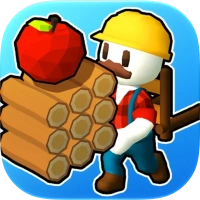
Chop Chop! is a casual tree-cutting and business simulation game developed by GOMBLE GAMES PTE. LTD. The game invites players to explore different forests, chop down trees, collect timber, sell resources, hire workers, and gradually build a successful lumber empire.
Unlike traditional action games, Chop Chop! focuses on satisfying resource collection and business growth. Players begin by cutting trees and earning money, then use their profits to improve production, expand their operations, and discover new environments inspired by different countries.
Specific Game Titles
Chop Chop! – Global Timber Adventure
Chop Chop! – Tree Cutting Simulation
Chop Chop! – Lumber Empire Building Game
Chop Chop! – Forest Exploration and Resource Collection
Chop Chop! – Woodcutting and Business Management
Chop Chop! – Timber Production and Crafting Simulator
All About Chop Chop!
Game Overview
Chop Chop! combines simple woodcutting gameplay with the progression systems of a business management simulator. The main objective is to transform a small logging operation into a thriving lumber business by collecting natural resources, selling timber, and investing earnings into improvements.
The adventure begins in a forest where players can cut down trees and collect the resulting wood. Every successful logging activity contributes to the business by providing materials that can be converted into money. These earnings become essential for expanding operations and improving productivity.
As players make progress, they can discover different forest environments and encounter various types of trees. Each map introduces a different visual setting inspired by locations around the world, making exploration an important part of the experience.
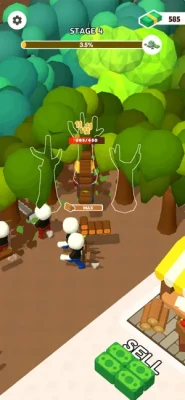
The game also introduces workers who help automate logging activities. Hiring additional employees allows the business to collect resources more efficiently, reducing the amount of manual work required from the player.
Product crafting and selling add another layer to the economic progression. Instead of focusing exclusively on selling collected timber, players can also explore the product system to develop their business further.
Main Gameplay Mechanics
Tree Cutting and Timber Collection
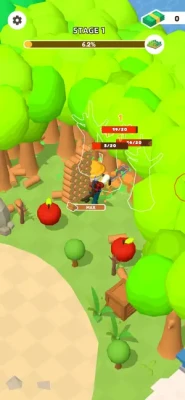
Cutting trees is the foundation of Chop Chop! Players explore forest areas and chop down available trees to gather wood. The collected timber becomes the primary resource used to generate income.
Different tree varieties appear across the game's maps, giving players new environments to explore while continuing their logging activities.
Timber Selling and Money Management
Collected wood can be sold to generate revenue. Selling timber is essential because almost every major improvement depends on having enough money available.
The more effectively players collect and sell resources, the faster they can develop their logging business.
Worker Recruitment
Workers are an important part of long-term progression. Instead of handling every logging task manually, players can spend their earnings to hire additional employees.
These workers help increase resource collection and make the business more productive.
Business Upgrades
Upgrades improve the efficiency of logging operations. Investing in improvements allows players to develop their business and increase the effectiveness of their resource-gathering activities.
Choosing upgrades carefully is important because spending money without improving production can slow down progression.
Forest Exploration
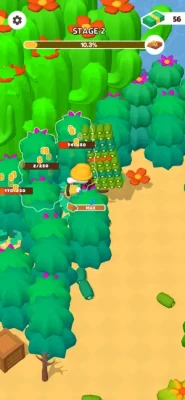
Chop Chop! features different maps inspired by countries around the world. Each environment offers its own visual identity and different varieties of trees.
Exploring new locations provides a refreshing change from repeatedly working in the same forest.
Product Crafting and Selling
The product crafting and selling systems provide additional economic opportunities. Players can use their collected resources to participate in product-related activities and expand the ways their business generates revenue.
These mechanics make resource management more interesting by introducing another purpose for collected materials.
Graphics and Visual Presentation
Chop Chop! uses colorful three-dimensional environments to present its forests, trees, workers, and logging activities.
The different map designs help create a sense of exploration. Rather than keeping players in one identical environment, the game introduces locations inspired by different countries.
The visual presentation complements the relaxed gameplay, making the experience accessible to casual players who enjoy simulation and management games.
Sound and Gameplay Experience
The game's main appeal comes from its satisfying woodcutting activities and steady business progression.
Chopping trees, collecting timber, selling resources, and watching the logging operation become more productive create a straightforward gameplay loop.
The overall experience is designed around gradual improvement rather than complicated controls or demanding competitive challenges.
Developer and Platform Information
Game title: Chop Chop!
Developer: GOMBLE GAMES PTE. LTD.
Genre: Casual and Simulation
Main theme: Woodcutting and Lumber Management
Platform: iPhone and iPad
Price: Free to download
Supported language: English
Age rating: 4+
Minimum operating system: iOS 12.0
Main activities: Tree cutting, timber collection, selling, hiring workers, upgrading, exploration, and crafting.
Complete Chop Chop! Strategy Guide
Understanding the Main Objective
The first thing to understand is that Chop Chop! is not simply about cutting down as many trees as possible. The real objective is to develop an efficient business that continuously generates resources and money.
Every activity should contribute to this goal.
Cutting trees provides timber, selling timber generates income, and investing that income improves future production. Workers help increase efficiency, while exploration introduces new environments and tree varieties.
Understanding how these activities connect will help you make better decisions throughout the game.
How to Get Started
When beginning your adventure, concentrate on learning the basic logging process.
Start by exploring the available forest and identifying the trees you can cut. Spend some time understanding how the woodcutting and collection mechanics work.
Once you have gathered enough timber, sell your resources to generate your first earnings.
Avoid spending your initial money without a clear purpose. Early progress is easier when you focus on establishing a reliable cycle of collecting resources and converting them into revenue.
Your first objective should be to develop a stable source of income before making larger investments.
Improve Your Woodcutting Efficiency
Woodcutting is one of the most important activities in the game, so improving its efficiency should remain a priority.
Spend time collecting timber consistently rather than allowing your logging operation to remain underdeveloped.
As you gain access to improvements, consider which upgrades will help you gather resources more effectively.
A more efficient logging process means more timber can become available for selling and crafting.
You should also become familiar with the different tree varieties found in each environment. Exploring new maps helps you understand how the available resources change as you progress.
Hire Workers at the Right Time
Workers can significantly improve the development of your business.
At the beginning, manual woodcutting is an important way to earn your first money. However, depending entirely on manual collection can make later progression slower.
Hiring workers allows you to increase the amount of logging activity happening within your operation.
A sensible approach is to establish a basic income source first, then recruit employees when you can comfortably afford them.
Do not spend every available coin on recruitment. Keep enough money available for other important improvements.
It is also worth observing your workers after hiring them. If an employee appears inactive or is not collecting resources properly, check the operation and consider restarting the game if the behavior appears to be a temporary glitch.
Prioritize Valuable Upgrades
Upgrades should be treated as investments rather than ordinary purchases.
Before spending money, think about how an improvement will affect your overall production.
Prioritize improvements that help you:
Increase logging efficiency.
Collect timber more consistently.
Reduce unnecessary manual work.
Improve the productivity of your workers.
Support faster business expansion.
Avoid making purchases simply because they are available.
An upgrade that directly improves your resource collection can be more useful than an improvement that provides little immediate benefit.
The best investment is one that helps you generate more resources and revenue over time.
Manage Your Timber and Money Carefully
Resource management is essential for building a successful lumber business.
It is tempting to sell every available piece of timber immediately, especially when you need money for upgrades. However, the crafting system introduces another consideration.
Think about how your collected resources can contribute to both direct sales and product production.
Use direct timber sales to maintain a steady flow of income. Explore crafting opportunities when they provide a useful alternative for developing your business.
The important thing is to avoid spending resources without understanding their potential value.
A balanced approach allows you to maintain operating funds while continuing to improve production.
Make the Most of the Crafting System
Product crafting adds variety to the economic side of Chop Chop!
Instead of treating timber exclusively as a resource for direct selling, players can explore opportunities to turn collected materials into other products.
The product system creates an additional reason to collect resources and manage them carefully.
To make better use of this feature, become familiar with the available crafting options and their requirements.
Avoid committing all your materials to one activity before understanding how the product-selling system works.
Experiment with the available options and use the approach that best supports your current progression.
Explore Every Available Forest
Exploration is another important part of the experience.
The game features different maps inspired by locations around the world, with various tree types appearing in different environments.
Do not treat new maps as merely visual changes. They are also opportunities to discover additional tree varieties and experience different stages of the logging adventure.
When a new location becomes available, take time to understand its environment and available resources.
Be prepared to adjust your resource collection strategy as you encounter different forests.
Exploring gradually also makes the game feel less repetitive because each new location introduces a different atmosphere.
Build a Balanced Logging Operation
A successful lumber business needs more than a large number of workers or frequent upgrades.
It needs a balanced combination of resource collection, employee recruitment, selling, crafting, and reinvestment.
If you focus entirely on hiring employees, you may not have enough money for important upgrades.
If you spend everything on improvements, you may struggle to expand your workforce.
Similarly, selling all your resources without considering crafting opportunities can limit how effectively you use the product system.
The best approach is to improve each part of the operation gradually.
Maintain a reliable source of timber, generate regular income, and reinvest your profits into improvements that support future production.
Avoid Common Beginner Mistakes
Spending money too quickly
Early earnings are important. Avoid purchasing every available upgrade immediately. Concentrate on improvements that provide meaningful benefits.
Ignoring worker productivity
Hiring employees is useful, but you should pay attention to whether they are actually performing their assigned activities.
Forgetting about product crafting
The crafting and selling systems provide additional economic opportunities. Explore these features rather than relying exclusively on direct timber sales.
Staying in one forest for too long
Different maps introduce new environments and tree varieties. Explore new locations when available to experience more of the game.
Neglecting resource management
Timber is valuable because it supports both selling and other business activities. Think carefully before using all your available resources.
Expanding without preparation
Business expansion is more effective when you have enough money and a reliable production system. Build a stable foundation before making larger investments.
Advanced Strategies for Long-Term Progression
Once you understand the basic mechanics, the next challenge is improving the overall efficiency of your business.
At this stage, your decisions should focus on long-term productivity.
Focus on sustainable income
Rather than making occasional large sales your only source of progress, develop a consistent resource collection and selling routine.
Regular income makes it easier to plan upgrades and recruitment.
Balance manual and automatic work
Manual woodcutting remains part of the gameplay, but hired workers can help maintain production.
Use your available resources to develop both sides of the operation instead of depending entirely on one method.
Invest in productivity before unnecessary expansion
Improving your existing logging operation can be more beneficial than expanding without sufficient resources.
A productive business creates a stronger foundation for future development.
Understand the value of crafting
Pay attention to the relationship between collected timber and crafted products.
Learning how the product system fits into your overall economy can help you make more informed decisions.
Explore strategically
New maps provide opportunities to discover different trees and environments. Make exploration part of your progression instead of treating it as an optional distraction.
Tips for a Better Playing Experience
Collect timber regularly to maintain your income.
Sell resources when you need money for important improvements.
Recruit workers when your finances allow it.
Check worker activity instead of assuming every employee is operating correctly.
Prioritize upgrades that improve productivity.
Explore different forests to discover new tree varieties.
Experiment with the crafting and product-selling systems.
Keep some money available for future investments.
Avoid unnecessary spending during the early stages.
Develop your business gradually instead of rushing every upgrade.
Frequently Asked Questions About Chop Chop!
What is Chop Chop! about?
Chop Chop! is a casual simulation game about building a lumber business. Players explore forests, chop down trees, collect timber, sell resources, hire workers, and improve their operations.
Who developed Chop Chop!?
The game was developed by GOMBLE GAMES PTE. LTD.
Is Chop Chop! free to play?
Yes. The iOS App Store lists Chop Chop! as free to download.
What is the main objective of Chop Chop!?
The main objective is to build a successful timber business by collecting wood, selling resources, recruiting workers, and investing in upgrades.
Can you hire workers in Chop Chop!?
Yes. Players can use their earnings to hire workers who help speed up logging and improve resource collection.
Does Chop Chop! have different environments?
Yes. The game features multiple maps inspired by different countries, with different types of trees appearing in different environments.
Can you upgrade your logging business?
Yes. Players can invest their earnings in upgrades that improve the efficiency of their logging operations.
Does Chop Chop! include crafting?
Yes. The game includes product crafting and product-selling systems, providing additional ways to use collected resources and develop the business.
Is Chop Chop! suitable for casual players?
Yes. Its straightforward woodcutting activities and gradual business progression make it accessible to players who enjoy relaxed simulation games.
Is Chop Chop! available on iPhone and iPad?
Yes. The game is available for both iPhone and iPad.
What is the best strategy for beginners?
Beginners should concentrate on collecting timber, generating their first income, hiring workers when affordable, and prioritizing upgrades that improve productivity.
Why are workers important in Chop Chop!?
Workers help automate logging activities and increase the efficiency of resource collection, allowing players to develop their businesses more effectively.
Final Verdict
Chop Chop! offers an enjoyable combination of tree-cutting, resource collection, and lumber business management. Its simple gameplay loop makes it easy to understand, while worker recruitment, upgrades, international forest environments, and product crafting provide additional reasons to keep progressing.
The most rewarding part of the experience is watching a small logging operation gradually develop into a more productive business. Every tree collected, resource sold, and improvement purchased contributes to that progression.
For players who enjoy casual tycoon games, woodcutting simulators, resource management, and relaxing business-building experiences, Chop Chop! is an interesting choice. The key to making steady progress is to manage resources carefully, invest in productivity, recruit workers strategically, and explore every available forest.
Rate the Game
User Reviews















Popular Games



















 Android
 iOS
 Windows
 Xbox