


Latest Version
October 25, 2024
SayGames Ltd
Simulation
Android
0
com.savetheworld.game
Report a Problem
More About :game
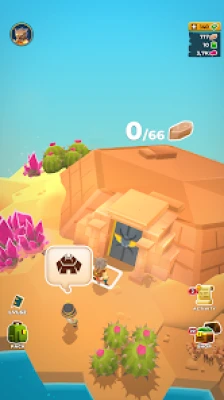
My Little Universe is a mobile adventure game that puts players in control of a small astronaut tasked with developing an entire universe. Starting with basic equipment and limited resources, you must gather materials, unlock new sections of land, construct facilities, and overcome hostile creatures to expand your world.
The game combines several gameplay styles. Mining and gathering form the foundation of progression, while crafting and industrial production turn raw materials into useful goods. Combat adds challenges to exploration, and upgrades make it possible to collect resources more efficiently and defeat increasingly dangerous enemies.
Rather than relying on a complicated control system, My Little Universe uses straightforward movement and interaction mechanics. Its depth comes from deciding which resources to collect, which upgrades to purchase, which areas to unlock, and when to prepare for combat.
As you progress, you discover new planets, different resource types, additional facilities, and increasingly challenging enemies. Each new environment introduces opportunities to expand your collection of materials and improve your equipment.
My Little Universe Game Information
Game title: My Little Universe
Developer: SayGames Ltd
Genre: Casual, action-adventure, mining, crafting, and world-building
Platform: Android
Gameplay style: Single-player exploration, resource gathering, construction, and combat
Main objective: Gather resources, develop planets, unlock territories, and defeat enemies
Core activities: Mining, logging, digging, crafting, smelting, gardening, and fighting
Resources: Multiple materials used for construction, manufacturing, and progression
Tools: Upgradeable pickaxe and other specialized equipment
Combat: Different weapon types, armor upgrades, enemies, and boss encounters
Exploration: Multiple planets, environments, dungeons, and unlockable locations
Additional systems: Home World development, portals, achievements, and special events
Monetization: Free to download, with advertisements and optional in-app purchases
Main Features of My Little Universe
1. Mine and Collect Valuable Resources
Resource gathering is the foundation of My Little Universe. Players use their tools to break rocks, mine minerals, chop trees, and collect materials scattered throughout the environment.
Different resources serve different purposes. Some are required to unlock new areas, while others support industrial production, equipment upgrades, or construction projects.
The game features numerous resource types, encouraging players to explore thoroughly and maintain a varied collection of materials.
The most effective approach is to collect resources according to your current objectives rather than spending too much time gathering materials that are not immediately useful.
2. Build and Expand Your Own Planets
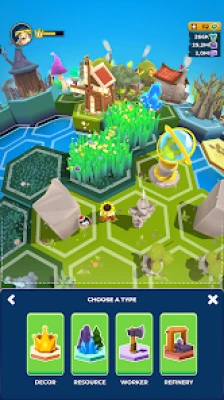
World-building is one of the defining features of My Little Universe. As you collect enough materials, you can unlock additional sections of land and develop previously inaccessible areas.
Each new section can reveal resources, facilities, paths, or enemies that influence your next decisions.
Expansion is closely connected to resource management. A new area may require materials that are difficult to obtain until you have upgraded your equipment or explored another section.
By planning your progress carefully, you can transform a small starting world into a much larger environment filled with useful structures and new opportunities.
3. Upgrade Your Pickaxe and Tools
Your pickaxe is one of the most important pieces of equipment in the game. It serves as both a mining tool and a weapon, making its improvement valuable for gathering and combat.
The pickaxe can be upgraded through eight levels, helping you improve your efficiency as you advance.
Stronger tools make resource collection more manageable, particularly when later areas require more demanding gathering efforts.
Upgrade your equipment whenever your current tools begin to slow your progress or struggle against the requirements of a new environment.
4. Craft Materials and Build Industrial Facilities
Collecting raw materials is only part of the progression system. My Little Universe also features industrial facilities that process resources into more useful products.
Smelting and refining help turn gathered materials into components needed for construction and equipment development.
These production systems create a connection between exploration and manufacturing. You may need to gather several different materials before you can complete a particular facility or unlock the next part of a planet.
Understanding this relationship helps you avoid collecting resources without a clear objective.
5. Fight Monsters and Powerful Enemies
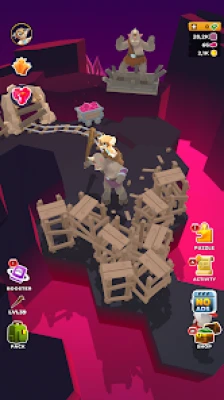
Dangerous creatures inhabit many areas of the universe. Players must defend themselves while gathering resources and exploring new territories.
The game includes eight enemy types, ranging from ordinary hostile creatures to more demanding opponents.
Combat requires you to consider your weapon strength, armor, positioning, and ability to avoid incoming attacks. Some encounters are easier when you upgrade your equipment before attempting them.
Defeating enemies can also help you access new areas and continue your exploration.
6. Discover Different Weapons and Armor
My Little Universe features eight weapon types, giving players different ways to approach combat.
Weapons become increasingly important as enemies grow stronger. An upgraded weapon can help you defeat threats more efficiently, while better armor improves your ability to survive difficult encounters.
The game also features the legendary Excalibur sword, which adds a special goal for players interested in completing additional objectives.
Instead of investing exclusively in gathering equipment, remember to improve your combat capabilities when exploration begins to involve stronger enemies.
7. Explore Multiple Worlds and Environments
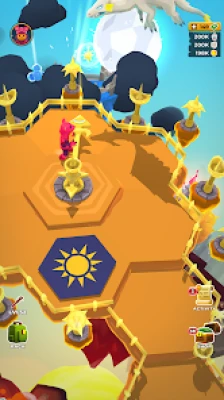
The universe contains ten different environment types to discover and develop. Each setting introduces opportunities to collect resources, unlock new terrain, and encounter different challenges.
Exploration can involve forests, winter landscapes, tropical regions, underground areas, and other distinctive environments.
Some locations also feature dungeons, special enemies, or additional objectives that reward careful preparation.
Moving between worlds keeps progression interesting because you must adapt your gathering and combat strategies to the challenges of each location.
8. Enter Dungeons and Defeat Bosses
Beyond ordinary resource collection, My Little Universe includes dungeons and powerful enemies that test your equipment and combat skills.
Dungeons encourage players to explore carefully, prepare for encounters, and make the most of their available weapons and armor.
Boss battles can require more patience than ordinary fights. Learning enemy attack patterns and avoiding unnecessary damage are essential when facing particularly dangerous opponents.
Completing these challenges adds variety to the gameplay and can help you progress toward further discoveries.
9. Develop Your Home World
The Home World system gives players an additional place to develop and customize their surroundings.
As you progress, you can unlock home-world blueprints and build structures that contribute to your personal planetary base.
Home World development provides a longer-term objective beyond simply unlocking new terrain. It encourages players to collect resources, complete construction requirements, and gradually create a more developed environment.
Certain progression systems also allow idle workers to gather selected resources over time, helping support ongoing development.
10. Enjoy Simple Controls and Relaxing Progression
My Little Universe combines uncomplicated controls with a steady progression loop. Players can spend a session gathering materials, upgrading equipment, opening new territory, or fighting enemies.
The colorful presentation and clear visual feedback make the game approachable, while the variety of resources and worlds provides longer-term goals.
Although combat and resource requirements become more demanding as you advance, the basic gameplay remains easy to understand.
How to Play My Little Universe
Step 1: Begin Exploring Your Starting Planet
Start by moving around the initial environment and identifying the available resources, paths, and construction points.
Use your pickaxe to gather the materials needed to unlock new sections. Pay attention to the requirements shown near inaccessible areas because they indicate what you need to collect next.
Avoid wandering too far from your current objective before you understand the resource requirements for the next stage.
Step 2: Collect the Materials You Need
Gather the resources required to open new routes, construct facilities, and improve your equipment.
Different materials may require you to visit different parts of the map. If you need several resources, plan your route so that you can collect them efficiently.
It is often better to focus on one immediate goal than to gather every available resource without knowing how it will be used.
Step 3: Unlock New Sections of Land
Use your collected materials to open new areas and continue exploring.
Each unlocked section can reveal more resources, new obstacles, and additional construction opportunities.
Before spending materials on optional activities, consider whether they are needed to open an important route or progress toward your next objective.
Step 4: Build and Activate Facilities
As you progress, construct the facilities required for manufacturing and other activities.
Some facilities process resources, while others support different aspects of your development.
Check the requirements before beginning a construction project. Making sure you have the necessary materials prevents unnecessary backtracking and helps you keep progressing.
Step 5: Upgrade Your Pickaxe
Improve your pickaxe when resource collection becomes slow or the demands of a new area increase.
Because the pickaxe supports both mining and combat, its upgrades can provide benefits across multiple activities.
Prioritize improvements that make a noticeable difference to your current situation, then continue gathering materials for future upgrades.
Step 6: Strengthen Your Combat Equipment
Prepare for dangerous areas by improving your weapons and armor.
If you encounter enemies that defeat you quickly or take too long to eliminate, consider upgrading your equipment before trying again.
Pay attention to enemy behavior and avoid repeatedly attacking without considering incoming damage.
Step 7: Explore New Planets
Once you have met the requirements to advance, explore the next available planet or environment.
New locations introduce different resources and progression requirements. Learn which materials are important before deciding where to spend your time.
Remember that your long-term progress depends on both exploration and equipment development.
Step 8: Complete Special Challenges
When you have suitable equipment, attempt dungeons, boss fights, and other special objectives.
These activities provide a change of pace from gathering and construction while encouraging you to use the combat skills you have developed.
Prepare before entering challenging encounters rather than assuming your ordinary equipment will always be sufficient.
Step 9: Develop Your Home World
As the Home World features become available, work toward its construction objectives and use the resources you have accumulated.
Developing your home base adds another progression goal and gives you more ways to organize your long-term resource collection.
Step 10: Continue Expanding Your Universe
Keep gathering, crafting, upgrading, and unlocking new areas. As your tools improve and your resource collection becomes more efficient, you can tackle increasingly demanding objectives.
The key to success is to maintain a balance between exploration, equipment upgrades, construction, and combat.
Complete My Little Universe Strategy Guide
1. Prioritize Progression Resources
One of the most common mistakes in My Little Universe is collecting materials without knowing which objective they support.
Some resources are needed immediately to unlock a path, while others are required for a later facility or equipment upgrade.
Use this simple strategy:
Identify the next accessible area or important upgrade.
Check its material requirements.
Collect the resources you are missing.
Unlock the area or complete the upgrade.
Reassess your next objective before gathering more materials.
This method gives each gathering session a clear purpose and reduces wasted effort.
2. Upgrade Your Pickaxe Consistently
Your pickaxe affects both resource gathering and combat, so it should remain a central part of your upgrade strategy.
If mining takes too long, a better pickaxe can make gathering more manageable. If you are struggling against enemies, the same equipment may also help improve your offensive capabilities.
Avoid neglecting your pickaxe while spending all your resources on unrelated improvements.
However, do not upgrade blindly. Check the requirements and consider whether the next upgrade will meaningfully improve your current progress.
3. Balance Exploration With Resource Collection
Exploring new terrain is exciting, but opening new sections without enough resources can leave you unable to complete the next objective.
Before moving forward, collect materials that are readily available and relevant to your current progression.
You do not need to gather everything in sight. Instead, maintain a practical balance between collecting what you need and discovering what lies beyond the next path.
4. Learn Which Resources Matter Most
The importance of a resource depends on your current stage of the game.
Basic materials may be essential early on, while processed goods and rarer resources become more important as you unlock advanced facilities and environments.
Keep track of materials that repeatedly appear in construction or crafting requirements.
When a resource is difficult to obtain, consider whether you can unlock a more convenient gathering route or improve the equipment used to collect it.
5. Build Production Facilities at the Right Time
Industrial facilities can help turn collected resources into the products required for further development.
Prioritize facilities that support your current objectives or unlock useful future options.
Before investing heavily in manufacturing, ensure that you can supply the necessary raw materials. A facility is less useful when you cannot gather enough resources to operate it effectively.
6. Prepare Before Entering Dangerous Areas
Combat becomes more challenging as you explore unfamiliar environments.
Before entering an area filled with hostile creatures, check your equipment and consider upgrading your weapon or armor.
During fights, observe enemy movements and avoid standing in the path of attacks. Move away from danger when necessary and look for opportunities to strike safely.
If a battle repeatedly ends in defeat, returning later with stronger equipment is often more productive than continuing without preparation.
7. Choose Weapons According to the Challenge
Different weapons provide alternative ways to approach combat.
Use the equipment available to you and improve it as you progress. When a particular enemy proves difficult, consider whether your current weapon is sufficiently upgraded and whether your approach to the fight needs to change.
The goal is to eliminate threats efficiently without taking unnecessary damage.
Remember that combat preparation also helps you explore more confidently, especially in areas where enemies can interrupt resource gathering.
8. Do Not Neglect Armor
Weapons are important, but surviving enemy attacks is equally valuable.
Armor upgrades can improve your ability to withstand damage during difficult encounters. This is especially useful when exploring dungeons or facing powerful opponents.
If you are dealing enough damage but still losing fights quickly, improving your defensive equipment may be more useful than investing exclusively in offense.
9. Explore Every Useful Branch of the Map
Some areas contain resources or objectives that are easy to overlook when you focus only on the main route.
Explore accessible paths when doing so supports your progression. Hidden or optional areas may lead to additional materials, challenges, or opportunities to advance.
However, exploration should remain purposeful. If a side route requires resources you urgently need elsewhere, consider returning after completing your main objective.
10. Use Portals Efficiently
Portals help you travel between locations as you unlock more of the universe.
As additional destinations become available, use the portal system to return to relevant planets rather than spending unnecessary time retracing long routes.
When planning your next session, consider which planet contains the materials or objective you need most. This makes travel part of your strategy rather than an afterthought.
11. Take Advantage of Idle Resource Collection
Certain Home World systems allow idle workers to gather selected resources over time.
When this feature is available, use it to support your ongoing resource requirements. Select resources that contribute to your next construction project or important upgrade.
Idle collection is most valuable when it complements active gameplay rather than replacing it entirely.
Check which materials are available through the system and remember that some rare resources may still require direct exploration.
12. Complete Dungeons When You Are Ready
Dungeons provide combat-focused challenges that differ from ordinary gathering and construction.
Before entering, make sure your equipment is appropriate for the challenge. During the encounter, pay attention to enemy patterns and avoid taking unnecessary damage.
Do not rush simply because the dungeon is available. If you struggle to defeat its enemies, strengthen your equipment and return later.
13. Manage Your Currency Carefully
Resources and currency can be valuable throughout the game, particularly when you need to improve your equipment or support progression.
Spend carefully and prioritize purchases that solve a genuine problem.
If you are struggling with mining speed, a relevant tool upgrade may be worthwhile. If combat is your main obstacle, weapon or armor improvements may offer better value.
Avoid spending everything on a minor convenience when a more important upgrade is within reach.
14. Make Progress Across Multiple Systems
The most effective players do not focus exclusively on mining, building, or combat.
Instead, they develop all three areas together. Better tools improve resource collection, useful facilities support construction, and stronger combat equipment makes exploration safer.
A balanced approach ensures that one weak part of your development does not prevent you from progressing elsewhere.
Best Upgrade Priorities in My Little Universe
The ideal upgrade depends on your current needs, but the following priorities provide a practical starting point.
| Upgrade | When to prioritize it | Main advantage |
|---|---|---|
| Pickaxe | When mining is slow or equipment requirements increase | Improves resource gathering and supports combat |
| Weapons | When enemies take too long to defeat | Improves offensive capability |
| Armor | When you take too much damage | Helps you survive difficult encounters |
| Industrial facilities | When processed materials are needed | Supports manufacturing and construction |
| Home World development | When its features and objectives are available | Adds long-term building and resource goals |
Best strategy: Upgrade the system that currently limits your progress. A stronger pickaxe is useful for gathering, but improved armor may be more important if difficult enemies are preventing you from exploring.
Beginner Tips for My Little Universe
Follow the current objective instead of gathering resources randomly.
Check the material requirements before unlocking new areas.
Upgrade your pickaxe regularly as the game becomes more demanding.
Collect useful resources while exploring accessible paths.
Build facilities when they support your next progression goal.
Improve weapons and armor before difficult combat encounters.
Learn enemy attack patterns rather than relying only on stronger equipment.
Explore dungeons when you are adequately prepared.
Use portals to travel between relevant locations.
Take advantage of idle resource collection when available.
Develop your Home World alongside your other progression goals.
Keep a balance between gathering, construction, exploration, and combat.
Common My Little Universe Mistakes to Avoid
Collecting Every Resource Without a Plan
Gathering everything can consume time without helping you reach the next objective.
Solution: Focus on the materials required for the next area, facility, or upgrade.
Ignoring Equipment Upgrades
Weak tools can slow mining and make combat more difficult.
Solution: Improve your pickaxe consistently and invest in weapons or armor when necessary.
Expanding Too Quickly
Unlocking new terrain without preparing for its requirements can interrupt your progress.
Solution: Gather the materials needed to continue before moving into unfamiliar territory.
Neglecting Defensive Equipment
A strong weapon does not guarantee success when enemies can defeat you quickly.
Solution: Improve armor and practice avoiding attacks when survival becomes a problem.
Forgetting About Industrial Facilities
Raw materials may not be enough to complete advanced construction requirements.
Solution: Build and use the facilities needed to process your collected resources.
Fighting Without Preparation
Repeatedly challenging powerful enemies with inadequate equipment can waste time.
Solution: Upgrade your gear, observe enemy behavior, and return when you are better prepared.
Ignoring Optional Exploration
Focusing only on the most direct route may cause you to miss useful resources or challenges.
Solution: Explore nearby branches when doing so supports your objectives.
Spending Resources Too Quickly
Using materials on less important improvements can delay major upgrades.
Solution: Identify your next important milestone and save the resources required to reach it.
My Little Universe Planet and Exploration Guide
Exploration is central to long-term progression. Each environment introduces new opportunities and may require a different combination of gathering, manufacturing, and combat.
Starting Areas
Focus on learning the basic mechanics, collecting essential materials, and unlocking the first construction points. This stage establishes the habits that will help throughout the game.
Forest and Natural Environments
Natural environments provide opportunities to collect resources such as wood and other materials needed for early development.
Explore accessible paths and pay attention to the resources required for nearby objectives.
Winter Environments
Cold and winter-themed locations introduce a different atmosphere and new progression challenges. Prepare by improving your equipment and collecting the materials required to continue exploring.
Tropical and Coastal Areas
Some environments introduce additional exploration routes and water-related challenges. Pay attention to accessible paths, available resources, and the requirements for reaching new sections.
Underground Areas and Dungeons
Underground locations and dungeons can emphasize combat and exploration. Prepare your equipment before entering dangerous areas, and investigate available routes carefully.
Later Planets
As you advance, expect greater demands on resource collection, crafting, and combat preparation.
Use the experience gained from earlier planets to make better decisions. Improve your equipment, prioritize important resources, and maintain a balanced approach to progression.
My Little Universe Home World Guide
The Home World adds a separate layer of development beyond exploring individual planets.
Players can unlock blueprints, build structures, and work toward creating a personal base. This system provides additional objectives for resources gathered during normal gameplay.
How to Develop Your Home World
Progress until the relevant Home World features become available.
Review the available blueprints and construction requirements.
Gather the materials needed for your chosen project.
Build the required structures and unlock further options.
Use available idle workers to support resource collection.
Continue exploring other planets to obtain materials that are difficult to find at home.
Home World Strategy Tips
Prioritize construction projects that contribute to your current objectives. Do not assume every structure must be completed immediately.
When idle collection is available, select resources that will be useful for your next important upgrade or construction goal.
Developing your Home World gradually can make the larger progression system feel more manageable.
Is My Little Universe Worth Playing?
My Little Universe is worth considering if you enjoy casual adventure games that combine exploration, resource gathering, crafting, and combat.
Its main appeal is the satisfying progression from a small starting area to a more developed universe. Mining provides the materials for expansion, industrial facilities support manufacturing, and equipment upgrades help you overcome tougher challenges.
The game also offers variety through different planets, enemy types, weapons, dungeons, and Home World development.
However, players should be aware that the game includes advertisements and optional in-app purchases. The repeated resource-gathering loop may also feel grind-heavy to players who prefer fast-paced action or unrestricted creative building.
For players who enjoy steady progress and the satisfaction of unlocking new areas, My Little Universe offers a rewarding mix of adventure and world development.
Frequently Asked Questions
What is My Little Universe?
My Little Universe is a casual mobile adventure game developed by SayGames Ltd. Players mine resources, craft materials, build facilities, explore planets, and fight monsters while expanding their universe.
Is My Little Universe free to play?
Yes. The game is free to download on Android and includes advertisements and optional in-app purchases.
How do you progress faster in My Little Universe?
Focus on resources required for your next objective, upgrade your pickaxe regularly, build useful facilities, and improve your combat equipment when necessary. Avoid unnecessary gathering and prioritize upgrades that solve your biggest bottleneck.
How many planets are in My Little Universe?
The game features multiple planets and environments, with ten environment types described in its game information. The available destinations and progression content can change with updates, so the exact number of accessible planets may vary by version.
What is the best upgrade in My Little Universe?
The best upgrade depends on your current challenge. The pickaxe is a strong general priority because it supports mining and combat, while weapons and armor become especially important when enemies prevent you from progressing.
How do you upgrade the pickaxe?
Collect the resources required by the available upgrade and use the game's upgrade system to improve your equipment. The pickaxe can progress through eight levels, making it an important long-term investment.
How many weapon types are available?
The game features eight weapon types. Different weapons support combat progression, and the legendary Excalibur sword is one of the notable special weapons.
Can you fight bosses in My Little Universe?
Yes. The game includes powerful enemies and dungeon challenges. Preparing your weapons and armor, learning enemy attack patterns, and avoiding unnecessary damage can improve your chances of success.
Does My Little Universe have crafting?
Yes. Crafting and industrial production are important parts of progression. Players collect raw materials and use manufacturing facilities to process resources into useful products for construction and development.
Can you build your own home in My Little Universe?
Yes. The Home World system allows players to unlock blueprints and construct their own base as they progress through the game.
Does My Little Universe have idle resource collection?
Certain features allow idle workers to collect selected resources over time. Availability depends on the progression systems unlocked in your game.
Is My Little Universe similar to Minecraft?
Both games include resource gathering and construction, but their main gameplay structures differ. My Little Universe emphasizes structured progression, unlocking terrain, upgrading tools, and fighting enemies. Minecraft focuses more heavily on open-ended building, crafting, and player-directed exploration.
Is My Little Universe suitable for beginners?
Yes. Its basic controls and gathering mechanics are easy to understand. New players can learn the game gradually by following objectives, collecting materials, and improving their equipment.
What should beginners focus on first?
Start by learning the resource requirements for nearby objectives. Gather the materials needed to unlock new terrain, upgrade your pickaxe when useful, and develop your combat equipment as stronger enemies appear.
How do portals help in My Little Universe?
Portals provide a way to travel between available locations. As more destinations become accessible, using portals can reduce unnecessary backtracking and help you return to the planet where your current objective is located.
How can you defeat stronger monsters?
Upgrade your weapons and armor, observe enemy attack patterns, and avoid standing in dangerous positions. If an encounter remains too difficult, gather more resources and improve your equipment before trying again.
Does My Little Universe include dungeons?
Yes. Dungeons provide additional exploration and combat challenges. Prepare your equipment before entering and approach difficult enemies carefully.
Final Verdict
My Little Universe combines mining, crafting, world-building, and action-adventure gameplay in a colorful mobile experience. Its interconnected systems encourage players to gather resources, develop production facilities, upgrade equipment, and explore increasingly challenging environments.
The most effective strategy is to approach each planet with a clear objective. Collect the materials needed for progression, invest in upgrades that improve your efficiency, and prepare your weapons and armor before entering dangerous areas.
With multiple environments, dungeon challenges, special weapons, and Home World development, the game offers plenty of goals for players who enjoy steady progression.
If you like casual crafting games, exploration, and the satisfaction of turning a small world into a thriving universe, My Little Universe is a strong choice to consider.
Rate the Game
User Reviews














Popular Games



















 Android
 iOS
 Windows
 Xbox