



Latest Version
October 25, 2024
SayGames Ltd
Simulation
0
com.mini.market
Report a Problem
More About :game
What Is Mini Market – Cooking Game?
Mini Market – Cooking Game turns everyday supermarket activities into an interactive mobile experience. Instead of focusing on complicated business systems, the game emphasizes selecting the correct ingredients, preparing food according to customer requests, sorting products, and completing purchases.
The gameplay is designed to be approachable for beginners while offering plenty of small tasks to keep players engaged. You must pay attention to what each customer wants, choose the appropriate food items, and complete orders accurately. As you earn money from sales, you can expand the available inventory with additional ingredients and continue serving different customers.
The combination of cooking, sorting, counting, and customer service makes Mini Market a suitable option for players looking for a casual game that rewards attention to detail rather than fast reactions alone.
Main Features of Mini Market Cooking Game
Fun Supermarket Management Gameplay
Mini Market offers a lighthearted supermarket experience built around completing everyday store activities. Players handle food items, fulfill customer requests, and earn money through successful transactions. Each task provides a simple objective, making it easy to understand what needs to be done while keeping the gameplay varied.
Cooking and Food Preparation Challenges
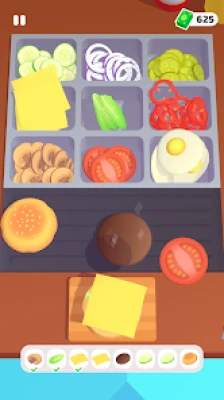
Food preparation is one of the main attractions of Mini Market. Players work with different ingredients to prepare burgers, smoothies, ice cream, salads, and other food combinations. Following the requested ingredients carefully is essential for completing orders correctly.
Ingredient Sorting and Recognition
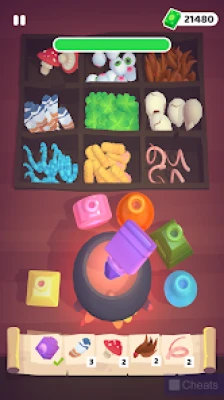
The game features colorful food items that players must identify and select. Fruits, vegetables, sweets, and deli products help create a variety of sorting challenges. Recognizing the correct ingredients quickly can make each order easier to complete.
Customer Orders and Cash Handling
Serving customers involves more than choosing food. Players must pay attention to individual requests and count the correct change when processing payments. These activities introduce basic counting and transaction skills through interactive gameplay.
Colorful Graphics and Relaxing Atmosphere
Bright visuals, friendly characters, cheerful music, and simple controls give Mini Market its approachable style. The presentation makes the game suitable for short play sessions, whether you want a relaxing break or an entertaining cooking challenge.
Progression Through Store Earnings
Money earned from customer transactions can be used to expand the available supermarket inventory with new ingredients. This creates a straightforward progression system in which successful service helps players access more variety and continue their supermarket adventure.
How to Play Mini Market
Understand the Customer's Request
Every successful order begins with understanding what the customer wants. Look carefully at the requested food or ingredients before making a selection. Avoid rushing through instructions, especially when a customer asks for a particular combination.
Select the Correct Ingredients
Identify the required fruits, vegetables, sweets, or deli products and select the appropriate items. Pay attention to visual differences between ingredients, as choosing the wrong item can interfere with completing the requested order.
Prepare Food According to the Order
When preparing burgers, smoothies, ice cream, or other available foods, follow the instructions shown on the screen. Use the requested ingredients in the required combination, and pay attention to the sequence of actions whenever the game provides specific preparation steps.
Complete the Transaction
Once the order is ready, follow the game's instructions to serve the customer and process the payment. If change is required, check the amount carefully instead of selecting coins or values at random.
Earn Money and Expand Your Inventory
Successful transactions provide earnings that help you progress. Use the available money to unlock or obtain additional ingredients when the game offers these opportunities. Expanding your selection gives you more options for serving future orders.
Complete Mini Market Strategy Guide
Learn the Gameplay Before Playing Faster
The best way to improve in Mini Market is to understand each activity before trying to complete it quickly. Spend your first sessions learning how ingredient selection, food preparation, and payments work.
Once you recognize the different tasks, you will make fewer mistakes and complete customer requests more confidently. Speed becomes useful only when it supports accuracy rather than replacing it.
Prioritize Accuracy Over Speed
Fast decisions can save time, but incorrect selections may slow down your progress. Read the order, identify the necessary ingredients, and confirm that the prepared food matches the request.
Develop a consistent routine for every customer. Check the request, choose the ingredients, prepare the food, and complete the transaction. Following the same pattern reduces confusion and helps you avoid unnecessary mistakes.
Improve Your Ingredient Recognition Skills
Memorizing the appearance of common ingredients is one of the easiest ways to become more efficient. Pay attention to differences in color, shape, and presentation between fruits, vegetables, candies, and other products.
As you become familiar with the available food items, you will spend less time searching for the correct ingredients. This is particularly helpful when several products look similar or when you need to switch between different types of orders.
Master Burger Preparation
Burger orders require attention to the ingredients requested by the customer. Check the displayed instructions before assembling the food, and avoid adding items simply because they are available.
Build a habit of confirming the order before serving it. This approach helps you maintain consistency and makes burger preparation easier as you become more familiar with the game's controls.
Handle Smoothie Orders Carefully
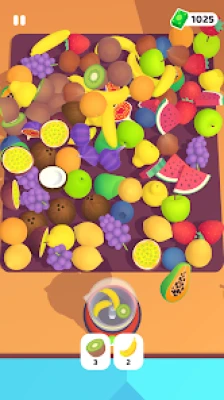
Smoothie preparation rewards careful ingredient selection. Examine the requested combination and make sure you choose the correct fruits or other displayed ingredients.
If you encounter an unfamiliar smoothie order, take a moment to study the instructions instead of relying on memory. Learning the combinations gradually will make future orders feel more straightforward.
Prepare Ice Cream Without Missing Details
Ice cream orders can involve different ingredient choices or combinations. Focus on the customer's exact request and follow the preparation steps presented by the game.
Avoid tapping too quickly when selecting toppings or other components. A deliberate approach helps you distinguish between similar options and complete the order more reliably.
Get Better at Sorting Food Items
Sorting is easier when you recognize visual patterns. Group your attention around similar categories, such as fruits, vegetables, sweets, and deli products, rather than examining every item without a plan.
Look for distinctive shapes and colors that help identify the requested product. With practice, you can recognize common items more quickly while maintaining accuracy.
Count Change Correctly
Payment tasks require careful attention to numbers. Before completing a transaction, identify the amount that must be returned and compare it with the available change options.
For example, if a hypothetical transaction requires returning five units, make sure the selected coins or notes add up to exactly five. The actual values used in the game may differ, but the same counting principle applies.
When a payment screen feels confusing, pause briefly and calculate the total before confirming. This is more reliable than making random selections.
Manage Your Earnings Wisely
Treat your in-game earnings as a resource for continued progression. When new ingredients become available, consider whether purchasing them will help you complete upcoming tasks or expand the available food selection.
Avoid spending currency without understanding what an upgrade or purchase provides. Check the available options first, then prioritize improvements that support your immediate progress.
The game does not require a complicated financial plan. A simple approach based on understanding each purchase and keeping enough currency for useful additions is sufficient.
Maintain a Consistent Customer Service Routine
A repeatable service routine can improve your overall performance. Start by reading the order, move to ingredient selection, complete the preparation process, and finish with the payment.
This structure reduces the likelihood of skipping an important step. It also makes the game easier to manage when customer requests change from one activity to another.
Stay Focused During Longer Sessions
Although Mini Market is designed for casual play, repeatedly switching between tasks can lead to careless mistakes. Keep your attention on the current order and finish each stage before moving to the next.
If you feel distracted, take a short break and return when you can focus comfortably. Short, attentive sessions are often more productive than prolonged play without concentration.
Learn From Mistakes
Mistakes can help you identify which parts of the gameplay need improvement. If you choose an incorrect ingredient, pay closer attention to product recognition. If a payment is wrong, slow down during the counting stage.
Rather than repeating the same action without thinking, identify what caused the error and adjust your approach. This simple method helps build confidence across cooking, sorting, and customer service activities.
Beginner Tips for Mini Market
Start With the Basic Tasks
Learn how to select ingredients, prepare simple foods, and complete payments before worrying about speed. Understanding the basic controls makes later activities easier to handle.
Read Every Order
Do not assume that two customers want the same food combination. Check each request individually, even if the orders appear similar.
Use Visual Clues
Colors, shapes, and ingredient placement can help you identify products. Observe these details carefully instead of selecting the first item that looks familiar.
Double-Check Payments
A quick review of the change can prevent avoidable mistakes. Confirm that the selected values match the amount required by the transaction.
Spend Earnings With a Purpose
Choose inventory additions that make sense for your current progress. Understanding what you are buying is more useful than spending currency immediately whenever a new option appears.
Practice Difficult Activities
If a particular food preparation task or payment challenge gives you trouble, pay closer attention the next time it appears. Repetition helps you recognize patterns and become more comfortable with the controls.
Advanced Tips for More Efficient Gameplay
Develop a Faster Decision-Making Process
Efficiency comes from recognizing familiar tasks rather than rushing through every interaction. Learn to identify common ingredients immediately and use a consistent order of operations.
As your familiarity improves, you can complete routine actions more smoothly without sacrificing accuracy.
Reduce Unnecessary Taps
Pay attention to where you tap and how the game responds. Avoid repeated selections when one deliberate action is enough, and allow the game to register each interaction before moving on.
If a tap does not appear to work, check whether the game is still processing the previous action. Repeated tapping can create confusion rather than solve the problem.
Adapt to Different Food Categories
Switching between burgers, smoothies, ice cream, and other food tasks requires flexibility. Instead of assuming every order follows the same preparation method, examine the instructions and adapt to the current activity.
This approach is particularly useful when the game introduces unfamiliar combinations or different preparation steps.
Balance Speed and Precision
Once you understand the mechanics, gradually increase your pace. Focus on the actions you can perform reliably, and slow down whenever an unfamiliar ingredient or payment appears.
A balanced approach is more dependable than trying to finish every order as quickly as possible.
Make Progress Through Regular Practice
Frequent, manageable play sessions help reinforce ingredient recognition, food preparation patterns, and counting skills. You do not need to master every activity immediately.
Concentrate on improving one aspect of gameplay at a time, then apply what you learn to the next customer or challenge.
Common Mistakes to Avoid in Mini Market
Selecting Ingredients Without Checking the Order
Choosing food based on appearance alone can lead to incorrect combinations. Always review the customer's request before selecting ingredients.
Rushing Through Food Preparation
Fast tapping may cause you to overlook a required item or preparation step. Follow the instructions carefully, particularly when dealing with unfamiliar recipes.
Guessing the Correct Change
Randomly choosing payment values can produce incorrect results. Calculate the amount first and verify the selection before completing the transaction.
Spending Currency Too Quickly
Using earnings without checking the available inventory options can make progression less efficient. Understand what an item offers before purchasing it.
Ignoring Visual Differences
Some food items may share similar colors or shapes. Look for distinctive features and take an extra moment to confirm your selection when necessary.
Continuing When You Are Distracted
Losing focus can affect both ingredient selection and payment accuracy. Take a break when needed rather than turning a relaxing game into a frustrating experience.
Is Mini Market Suitable for Kids and Families?
Mini Market is designed with simple controls, colorful graphics, friendly characters, and approachable activities. Its cooking and sorting challenges introduce basic concepts such as food recognition, counting, attention to detail, and handling simple transactions.
These features can make the game appealing to children and adults who enjoy casual cooking games. Younger players may also benefit from playing with an adult who can help explain ingredient choices and counting tasks.
The Google Play listing gives the game an Everyone content rating. However, the app includes advertisements and in-app purchases, so parents may wish to review the available settings and supervise purchases where appropriate.
The game can provide an enjoyable shared activity, particularly for families who like food-themed games that do not depend on complicated controls or competitive action.
Graphics, Sound, and Overall Gameplay Experience
The presentation of Mini Market emphasizes colorful food items, clear visual elements, and friendly customer characters. These design choices make the supermarket easy to understand and help distinguish the different ingredients used throughout the game.
Cheerful music and sound effects support the relaxed atmosphere, while the variety of customer requests keeps the basic activities from feeling entirely repetitive.
Because the game focuses on short interactions and straightforward objectives, it works well for casual sessions. Players can concentrate on individual orders without needing to learn an extensive set of controls or complicated management systems.
Is Mini Market Free to Play?
Mini Market – Cooking Game is listed on Google Play as a free download with advertisements and in-app purchases. The availability of particular purchases and features may depend on the current version of the game and the player's device.
The core experience revolves around preparing food, sorting ingredients, serving customers, and using earnings to expand the available inventory. Players should review any optional purchase carefully before spending real money.
Frequently Asked Questions About Mini Market
What Is the Main Goal of Mini Market?
The main goal is to serve customers by selecting the correct ingredients, preparing requested foods, completing transactions, and earning money to expand your supermarket's inventory.
How Do You Make Burgers in Mini Market?
Read the customer's order, select the requested ingredients, and follow the preparation instructions displayed on the screen. Check the completed burger before serving it.
How Do You Make Smoothies in Mini Market?
Identify the ingredients requested for the smoothie and select the appropriate items. Follow the game's preparation steps and verify the order before completing it.
How Can You Earn Money in Mini Market?
You earn money by completing customer transactions. The earnings can help you obtain additional ingredients and continue progressing through the available activities.
How Do You Get Better at Mini Market?
Practice recognizing ingredients, read each customer request carefully, learn the preparation steps, and double-check payment amounts. Accuracy and familiarity are the foundations of efficient gameplay.
Does Mini Market Require Advanced Gaming Skills?
No. The game uses straightforward interactions and focuses on sorting, cooking, counting, and attention to detail. Beginners can learn the basic mechanics without extensive gaming experience.
Can Mini Market Help Improve Counting Skills?
The game includes payment activities that involve counting change. These interactions can provide practice with basic numbers, although the amount of learning depends on the player and how they engage with the tasks.
Is Mini Market a Competitive Game?
Mini Market is primarily a casual, single-player experience focused on serving customers and completing activities rather than direct competition against other players.
Is Mini Market Suitable for Short Play Sessions?
Yes. Its simple tasks and straightforward controls make it suitable for brief sessions whenever you want a relaxing cooking or supermarket simulation game.
Final Thoughts on Mini Market – Cooking Game
Mini Market – Cooking Game offers an approachable combination of cooking, food sorting, customer service, and basic money management. Its colorful presentation and simple mechanics make it appealing to players who prefer relaxed mobile games with clear objectives.
The best strategy is to focus on accuracy first, learn the available ingredients, follow each customer's instructions, and count change carefully. As you become more familiar with the gameplay, you can complete orders more efficiently and use your earnings to expand the available inventory.
Whether you enjoy preparing virtual burgers, mixing smoothies, serving ice cream, or organizing supermarket products, Mini Market provides a cheerful casual experience built around small tasks and steady progress.
Rate the Game
User Reviews















Popular Games



















 Android
 iOS
 Windows
 Xbox