




Latest Version
Visit PageMore About :game
Mahjong Joy Solitaire Tiles – Complete Guide, Tips, Strategy & Walkthrough
What Is Mahjong Joy Solitaire Tiles?
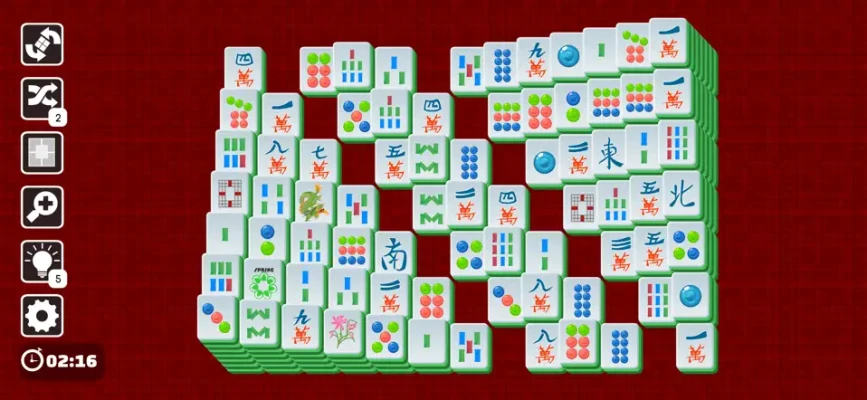
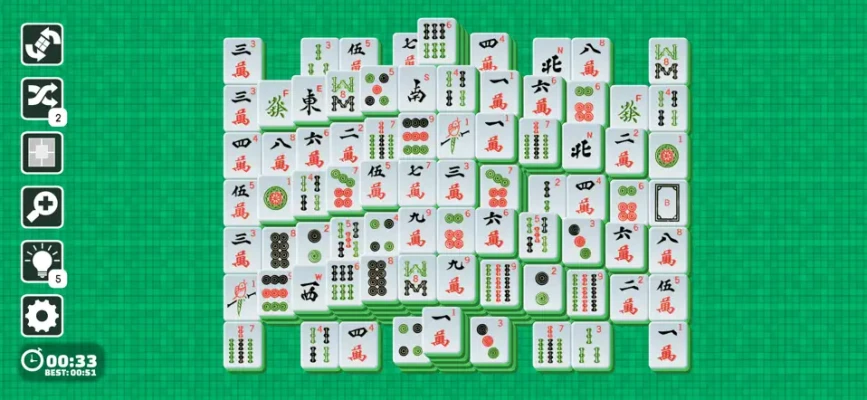
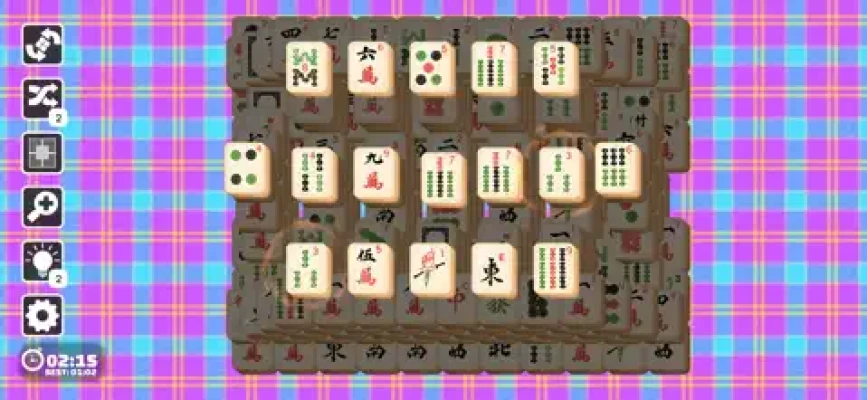
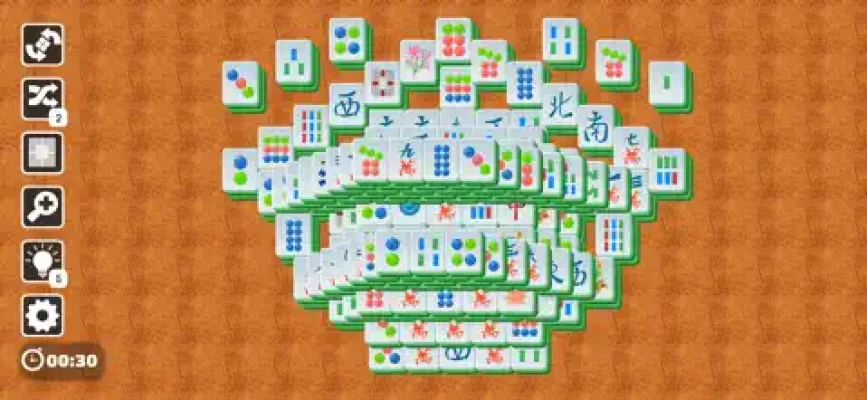
Mahjong Joy Solitaire Tiles is a single-player tile-matching puzzle game based on the popular Mahjong Solitaire format. The objective is to remove all tiles from the board by matching identical pairs. Players can only select tiles that are "free," meaning they are not covered by another tile and have at least one open side. The game features more than 500 playable boards, randomized layouts, multiple tile themes, hint and shuffle options, and a solvable-board generation system.
Unlike traditional four-player Mahjong, Mahjong Solitaire focuses entirely on puzzle-solving and strategic planning. Many Mahjong communities distinguish Mahjong Solitaire as its own puzzle genre because success depends on tile accessibility and long-term board management rather than traditional Mahjong hand-building.
Key Features
More Than 500 Levels
The game includes over 500 board layouts ranging from beginner-friendly puzzles to highly complex tile structures. Classic configurations such as Turtle and Pyramid are included alongside many original layouts.
Randomized Tile Placement
No two sessions are exactly alike. Tile arrangements are generated differently for each game while maintaining solvable starting conditions.
Hint and Shuffle System
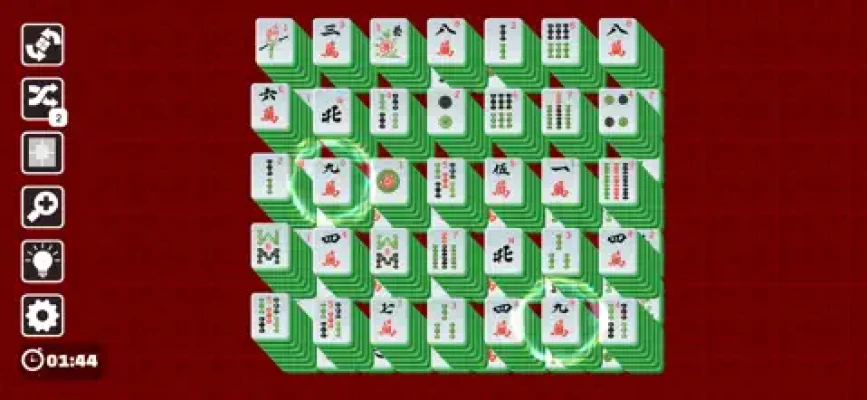
Players can use hints to locate available matches and shuffles to rearrange remaining tiles when progress becomes difficult.
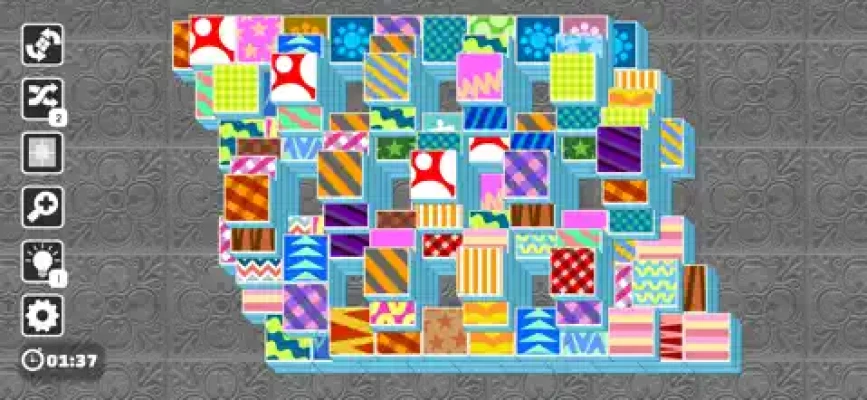
Multiple Tile Sets
Several visual tile themes allow players to customize the experience while maintaining classic Mahjong gameplay.
Relaxing Puzzle Experience
There are no mandatory timers, energy systems, or coins required to play through the hundreds of available boards.
How Mahjong Solitaire Works
The basic objective is simple:
- Find two matching tiles.
- Ensure both tiles are free.
- Remove the pair.
- Continue until the board is empty.
A tile is considered free when:
- No tile sits on top of it.
- At least one side is open.
Understanding tile accessibility is the most important skill in Mahjong Solitaire.
Beginner Walkthrough
Step 1: Analyze Before Matching
Most beginners immediately remove the first matching pair they see.
Instead:
- Scan the entire board.
- Locate upper-layer tiles.
- Identify rare symbols.
- Look for heavily blocked areas.
A few seconds of planning can save an entire game.
Step 2: Focus on Top Layers
Tiles on upper levels often block multiple pieces beneath them.
Prioritize:
- Highest tiles
- Edge tiles
- Corner tiles
- Central stacks
This creates the largest number of future moves.
Step 3: Unlock, Don't Just Match
Your goal is not simply removing tiles.
Your goal is creating new opportunities.
Ask before every move:
- Does this reveal hidden tiles?
- Does it open a blocked section?
- Will it increase future matches?
Step 4: Keep Options Open
Never clear one side of the board completely while ignoring the other.
Balanced progress prevents dead-end situations later.
Complete Strategy Guide
The Edge-First Strategy
One of the strongest Mahjong methods.
Focus on:
- Leftmost tiles
- Rightmost tiles
- Corner pieces
These often control access to large portions of the board.
The Layer Reduction Method
Rather than removing tiles horizontally, focus on reducing board height.
Benefits:
- Reveals hidden pairs
- Increases accessibility
- Prevents trapped tiles
Many advanced players prioritize reducing layers before clearing rows.
The Four-Tile Rule
When four identical tiles appear:
Do not instantly match the first available pair.
Instead:
- Compare all possible combinations.
- Determine which pair unlocks more tiles.
- Remove the most valuable pair first.
This technique significantly improves success rates.
Unique Walkthrough Strategy
The Board Expansion System
This strategy works exceptionally well on larger layouts.
Phase 1
Remove the highest accessible tiles.
Phase 2
Open both edges equally.
Phase 3
Reveal central hidden layers.
Phase 4
Clear bottleneck tiles.
Phase 5
Finish isolated groups.
This approach minimizes blocked matches and creates a smoother path toward completion.
Advanced Winning Techniques
Think Several Moves Ahead
Expert players rarely focus only on the current match.
They consider:
- Future accessibility
- Hidden layers
- Duplicate management
- Rare tile positioning
Planning ahead is often more important than speed.
Protect Rare Tiles
Special tile groups can become difficult to access.
Whenever possible:
- Keep rare symbols exposed.
- Avoid burying critical pairs.
- Maintain flexibility.
Create Match Chains
Strong players create sequences of moves.
Example:
- Match Pair A
- Unlock Pair B
- Reveal Pair C
- Access Pair D
One good decision can generate multiple future matches.
Control the Board Center
Many layouts hide important tiles near the middle.
Clearing central bottlenecks often unlocks entire sections.
Using Hints and Shuffles Effectively
Hints and shuffles are valuable tools, but experienced players use them strategically rather than immediately. First:
- Examine every layer.
- Check corner tiles.
- Look for overlooked matches.
- Search for duplicate sets.
Only then should hints or shuffles be considered.
Common Mistakes to Avoid
Matching Too Fast
Quick moves often eliminate better future opportunities.
Ignoring Elevated Tiles
Top-layer tiles frequently control the entire board.
Creating Isolated Sections
Always maintain access across multiple areas.
Mismanaging Duplicate Tiles
Four-of-a-kind groups require careful planning.
Overusing Shuffle
Good strategy should be the primary solution.
Expert Tips and Tricks
Open the Board Early
Focus on revealing as many tiles as possible during the opening phase.
Prioritize Bottlenecks
Certain tiles block entire sections of the board.
Use Hints as Learning Tools
Observe why the hint system selected a particular pair.
Replay Favorite Boards
Randomized layouts create new challenges every time.
Study Hidden Layers
Many difficult puzzles are solved by understanding what lies beneath visible tiles.
Why Players Enjoy Mahjong Joy Solitaire Tiles
Players appreciate the game because it combines:
- Classic Mahjong gameplay
- More than 500 layouts
- Relaxing puzzle-solving
- Randomized replayability
- Multiple tile themes
- Strategic depth
- No-pressure progression
The combination of simple rules and deep strategy makes it enjoyable for both newcomers and experienced Mahjong fans.
Frequently Asked Questions
How many levels are available?
The game includes more than 500 playable boards across a wide variety of layouts.
Are the puzzles randomized?
Yes. Initial tile arrangements are randomly generated, making each playthrough unique.
Can I get stuck?
Yes. While boards start solvable, poor choices can create dead ends. The shuffle feature can help recover from these situations.
Does the game include hints?
Yes. Hint and shuffle options are available to assist players during difficult puzzles.
Final Verdict
Mahjong Joy Solitaire Tiles delivers a polished and relaxing Mahjong Solitaire experience with over 500 boards, randomized gameplay, multiple tile sets, and strong replay value. Whether you're a beginner learning tile accessibility or a veteran searching for efficient board-clearing strategies, the game provides hundreds of hours of engaging puzzle-solving. By mastering layer reduction, edge clearing, duplicate management, and long-term planning, players can consistently complete even the most challenging layouts and improve their Mahjong skills.
Rate the Game
User Reviews















Popular Games



















 Android
 iOS
iOS Windows
 Xbox
Xbox