


Latest Version
September 07, 2024
GamoVation
Puzzle
0
com.gamovation.mahjongclub
Report a Problem
More About :game
Game Information
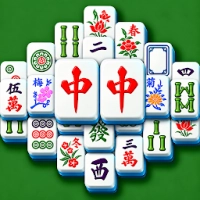
Game Title: Mahjong Club – Solitaire Game
Developer: GamoVation
Package Name: com.gamovation.mahjongclub
Platform: Android
Genre: Puzzle / Board Game
Game Type: Mahjong Solitaire
Gameplay Style: Tile Matching
Game Modes: Single-player gameplay with online community features and events
Number of Levels: More than 10,000
Maximum Tiles: Up to 144 tiles on a board
Internet Requirement: Supports online and offline play
Content Rating: Everyone
Monetization: Contains ads and in-app purchases
What Is Mahjong Club?
Mahjong Club is a classic Mahjong Solitaire game that combines traditional tile-matching puzzles with a relaxing atmosphere and a large collection of levels. Instead of competing against another player, you focus on clearing a board by finding and matching identical tiles.
Each puzzle presents a layout containing different Mahjong symbols. Your objective is to identify matching pairs, remove them from the board, and continue until every tile has been cleared. Once you successfully complete a puzzle, you unlock the next level and continue your journey.
The game is designed for players who enjoy thoughtful challenges without the pressure of a countdown timer. You can take your time examining the board, considering possible moves, and deciding which pairs to remove first.
One of the biggest attractions is its large level collection. With more than 10,000 board setups, Mahjong Club provides puzzles ranging from straightforward beginner layouts to more complicated arrangements that require careful planning.
Beyond the traditional solitaire experience, the game also includes player clubs, community conversations, special events, rewards, statistics, and different locations to unlock. These additions give players reasons to return even after completing several puzzles.
Main Features of Mahjong Club
More Than 10,000 Mahjong Levels
The game offers an extensive collection of Mahjong Solitaire puzzles. Each board introduces a different arrangement of tiles, giving players new opportunities to practice their matching skills.
The difficulty varies from easy layouts to medium, hard, and advanced challenges. This gradual variety makes the experience suitable for beginners while keeping experienced players interested.
Classic Mahjong Solitaire Gameplay
The central mechanic is simple: find two identical available tiles and match them to remove them from the board.
Every successful match brings you closer to clearing the entire layout. However, choosing the wrong pairs can leave useful tiles blocked, making some puzzles more difficult to finish.
Relaxing Gameplay Without a Timer
Mahjong Club does not place players under countdown pressure during its standard puzzle experience. You can examine the available tiles, think about your next move, and enjoy the game at your own pace.
This makes it a suitable choice for short breaks or longer sessions when you want a calm mental challenge.
Clubs and Social Features
Players can join clubs and interact with other members through community features. These groups provide opportunities to communicate, share advice, and work toward different rewards.
The social elements add another layer to the experience beyond simply completing individual puzzles.
Events and Special Rewards
In-game events give players additional activities to enjoy. Depending on the event, rewards can include coins, completed puzzle images, club chests, butterfly gifts, and other items.
Participating regularly can make progression more rewarding and provide extra goals between ordinary levels.
Travel and Unlock New Locations
As you complete puzzles, you can progress through different destinations around the world. New locations introduce a sense of journey and visual variety as you advance.
Personal Statistics and High Scores
Mahjong Club tracks personal statistics and high scores, allowing you to follow your progress and see how your puzzle skills develop over time.
Online and Offline Play
The game supports offline puzzle gameplay, making it possible to enjoy Mahjong even when an internet connection is unavailable.
However, online features such as clubs, communication, and certain events may require an active connection.
Helpful Boosters
When a puzzle becomes difficult, boosters can provide assistance. Using them at the right moment can help you overcome challenging layouts and avoid wasting opportunities.
Understanding the Gameplay Mechanics
How the Mahjong Board Works
Each level begins with a board containing a collection of Mahjong tiles. The game can feature layouts with up to 144 tiles.
Some tiles are positioned above others, while certain tiles may be blocked by neighboring pieces. This means you cannot always select every matching symbol you can see.
You need to focus on tiles that are currently available for matching.
Matching Identical Tiles
Your main objective is to find two identical available tiles.
When you select a valid pair, both tiles disappear from the board. This reveals some of the tiles underneath and may make additional matches possible.
The process continues until the entire board has been cleared.
Unlocking New Levels
Completing a puzzle unlocks the next level. As you progress, you encounter different layouts and more demanding tile arrangements.
The most effective way to advance is to understand how each move changes the board rather than matching the first available pair without considering the consequences.
Using Boosters
Boosters are designed to assist players when they become stuck or need help with a difficult puzzle.
Rather than using them immediately, examine the board first. You may discover a useful matching pair or uncover an important tile through a carefully planned move.
Save assistance for situations where it can make a meaningful difference.
Full Mahjong Club Strategy Guide
Beginner Strategy: Learning the Basics
Understand Which Tiles Are Available
One of the first skills every beginner should develop is recognizing which tiles can actually be selected.
A tile may appear visible but still be unavailable because another tile is positioned on top of it or because its placement prevents selection.
Before making a move, examine the board and identify the pairs you can legally match.
Understanding tile availability will help you avoid confusion and make better decisions.
Avoid Matching Tiles Randomly
It can be tempting to select the first identical pair you notice. Although this sometimes works, random matching can create problems later.
Some pairs are more valuable to remove than others because they reveal hidden tiles or open important sections of the layout.
Take a moment to compare your available choices before selecting a pair.
Look for Tiles That Reveal More of the Board
Removing a pair can uncover tiles underneath it. These newly available tiles may create additional matching opportunities.
Whenever possible, prioritize moves that expose hidden sections or open several future options.
This approach gives you more flexibility as the puzzle develops.
Remember Important Tile Symbols
Recognizing matching symbols quickly makes the game easier and reduces unnecessary hesitation.
During your first few levels, spend time becoming familiar with the different tile designs. Pay attention to symbols that look similar but are not identical.
Improving visual recognition will help you scan the board more efficiently.
Take Your Time
There is no need to rush through ordinary puzzles. Use the relaxed pace to inspect the board and consider the possible consequences of each move.
A few extra seconds of planning can prevent a difficult situation later.
Intermediate Strategy: Making Better Decisions
Prioritize Moves That Open Blocked Areas
Some parts of a Mahjong board are more important than others. A pair that reveals several covered tiles can be more useful than a pair that simply removes two exposed pieces.
Look for opportunities to uncover sections that contain many hidden tiles.
Opening these areas early can create additional matches and improve your chances of clearing the entire puzzle.
Watch for Matching Pairs in Different Positions
You may find several identical symbols on the board. When this happens, think carefully about which two tiles should be removed first.
If one pair is positioned in a way that blocks important pieces, removing it may be more beneficial than choosing another available pair.
The best decision depends on the overall layout.
Keep Future Matches in Mind
A successful move should not only solve the current problem. It should also create opportunities for the next few moves.
Before matching a pair, consider what will become available afterward.
This habit helps you avoid choices that leave too few useful options.
Avoid Closing Important Sections Too Early
Some moves can make it harder to access tiles that remain underneath other pieces.
Whenever possible, prioritize clearing layers and opening blocked positions before removing less important exposed pairs.
A balanced approach is generally more effective than clearing one side of the board without considering the rest.
Recheck the Board After Every Match
Every successful pair changes the layout. New tiles may become available, and previously hidden matches may appear.
Do not continue following an old plan automatically. Look at the updated board and adjust your next move.
Advanced Strategy: Mastering Difficult Layouts
Think Several Moves Ahead
Advanced Mahjong puzzles require more than immediate pattern recognition.
Try to consider at least two or three possible moves before selecting a pair. Ask yourself which option will reveal the most useful tiles and which one might restrict your future choices.
Planning ahead becomes especially important when the board contains several layers.
Identify High-Value Matches
Not all matching pairs have equal strategic value.
A high-value match is one that helps open blocked areas, reveals additional symbols, or creates more matching opportunities.
Prioritizing these pairs can make a complicated board much easier to manage.
Manage Multiple Matching Options
When several identical tiles are available, avoid selecting a pair without considering their positions.
Compare the possible combinations and choose the one that provides the greatest benefit.
For example, removing two tiles that open a covered section may be better than matching two pieces that have little effect on the rest of the board.
Avoid Unnecessary Booster Usage
Boosters can be useful, but relying on them too frequently can reduce the challenge and consume resources that may be more valuable later.
Before activating one, inspect the entire layout again.
Look for hidden opportunities, alternative pairs, and moves that could open blocked sections. Use assistance when your available options are genuinely limited.
Develop a Consistent Scanning Routine
Experienced players benefit from checking the board in a systematic way.
Start by examining the top layers, then inspect the outer sections and finally review the remaining available pairs.
A consistent routine makes it easier to notice important tiles and reduces the chance of overlooking useful combinations.
How to Earn More Rewards
Participate in Events
Special events provide additional objectives and opportunities to collect rewards.
Check the available activities regularly and participate when the requirements fit your normal playing progress.
Completing event objectives can make ordinary puzzle sessions more rewarding.
Join an Active Club
Clubs offer a social experience and opportunities to work toward shared rewards.
Choose a community where members communicate and participate regularly. Being involved can make the game more enjoyable and help you discover useful tips.
Complete Levels Consistently
Regular progression is one of the simplest ways to keep advancing through the game.
Completing levels unlocks new locations and allows you to experience more of the available content.
Monitor Your Statistics
Your personal statistics can help you understand your progress.
Use them to recognize improvements and identify areas where you could become more efficient, such as spotting matching pairs or planning moves.
Common Mistakes to Avoid
Matching the first available pair: A quick match is not always the best match. Consider how each move affects the remaining board.
Ignoring covered tiles: Hidden tiles can contain important matching opportunities. Focus on opening blocked sections whenever possible.
Forgetting to recheck the layout: Every successful match changes the board. Review the new arrangement before making another decision.
Using boosters too early: Save assistance for difficult situations instead of activating it whenever a puzzle becomes slightly challenging.
Focusing on only one side: Clearing one section without considering the rest of the board can leave important tiles blocked.
Playing without a plan: Even though Mahjong Club is designed to be relaxing, a little planning can make difficult puzzles much easier.
Ignoring club activities: The community features and events offer additional ways to enjoy the game beyond individual levels.
Tips for Enjoying Mahjong Club Offline
Mahjong Club supports offline gameplay, which is useful when traveling or playing somewhere without reliable internet access.
For the best experience, consider the following suggestions:
Make sure the game has loaded properly before disconnecting from the internet.
Focus on ordinary Mahjong Solitaire levels when playing offline.
Remember that clubs, chat, and online events may not be available without a connection.
Reconnect to the internet when you want to access community features and online activities.
Avoid uninstalling the game if you are experiencing connection problems or temporary account issues.
Offline support makes the main puzzle experience more flexible, although not every online feature is available without a connection.
Frequently Asked Questions
What is Mahjong Club?
Mahjong Club is a Mahjong Solitaire puzzle game where players match identical available tiles to remove them from a board. The objective is to clear every tile and complete each level.
Who developed Mahjong Club?
Mahjong Club was developed by GamoVation.
How many levels are available in Mahjong Club?
The Google Play description advertises more than 10,000 Mahjong board setups, offering a large selection of puzzles with different difficulty levels.
Is Mahjong Club free to play?
Yes. The game is available as a free download, but it contains advertisements and optional in-app purchases.
Can I play Mahjong Club offline?
Yes. The game supports offline puzzle gameplay. However, certain online features, including club activities and events, may require an internet connection.
Does Mahjong Club have a timer?
The standard Mahjong Solitaire experience is designed without timer pressure, allowing players to solve puzzles at their own pace.
What happens when I match two identical tiles?
Both selected tiles are removed from the board. This may uncover additional tiles and create new matching opportunities.
How many tiles can appear on a Mahjong Club board?
According to the game's instructions, a board can contain up to 144 tiles.
What are boosters used for?
Boosters provide assistance when you encounter a difficult puzzle. They can help you continue when you are struggling to find a suitable solution.
Can I play with other people?
Yes. Mahjong Club includes clubs and community features that allow players to interact, communicate, and participate in activities together.
Does Mahjong Club include special events?
Yes. The game features events that offer additional challenges and rewards, including coins and other collectible items.
Is Mahjong Club suitable for beginners?
Yes. Its easy layouts and gradually varied difficulty make it accessible to new players while providing more challenging puzzles for experienced Mahjong fans.
Final Verdict
Mahjong Club is an enjoyable choice for anyone who likes classic tile-matching puzzles and relaxing single-player games. Its straightforward rules make it easy to learn, while its large collection of more than 10,000 board setups provides plenty of opportunities to improve.
The combination of traditional Mahjong Solitaire gameplay, helpful boosters, clubs, special events, statistics, and unlockable destinations gives the experience more variety than a basic tile-matching game.
Its offline support is another useful advantage, allowing players to enjoy ordinary puzzles without always needing an internet connection.
Whether you are new to Mahjong or already familiar with tile-matching games, Mahjong Club offers a peaceful way to challenge your observation, memory, and problem-solving skills. The key to progressing through its more difficult levels is simple: study the board, prioritize useful matches, uncover hidden tiles, and think ahead before making each move.
Rate the Game
User Reviews















Popular Games



















 Android
 iOS
 Windows
 Xbox