
Latest Version
November 21, 2026
SUPERBOX Inc
Puzzle
0
com.superbox.aos.fire2048
Report a Problem
More About :game
Game Overview
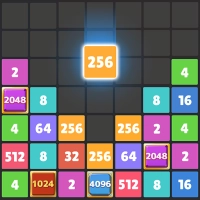
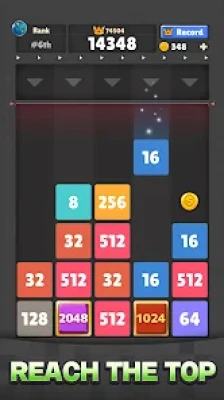
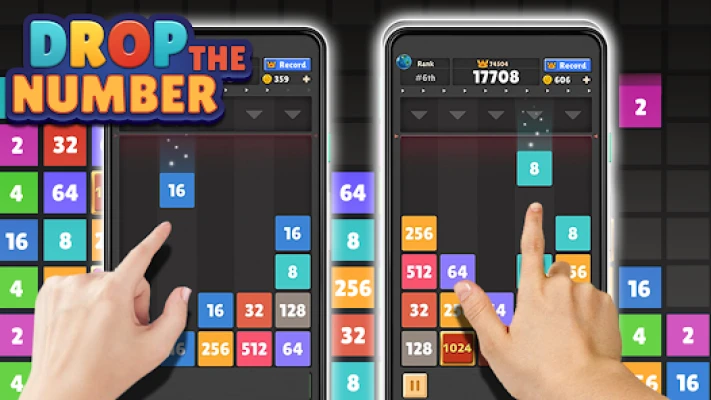
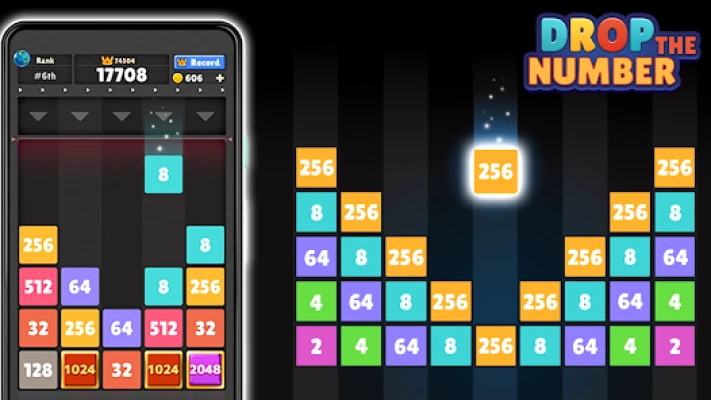
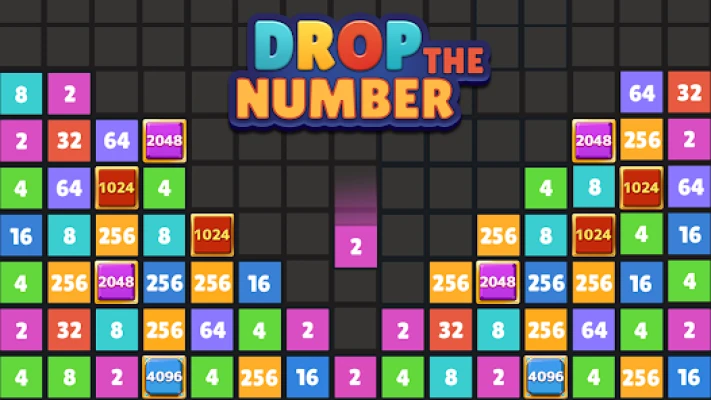
Drop The Number is a casual number-merging puzzle that combines the familiar mechanics of 2048 with a satisfying block-dropping system. Instead of moving numbered tiles around a traditional grid, players drop new blocks onto existing ones to combine matching values and create larger numbers.
The basic progression begins with smaller numbers and gradually moves toward increasingly valuable blocks, including 1024, 2048, 4096, 8192, and beyond.
Although the gameplay is easy to understand, achieving a high score requires careful planning. Players must consider where to place each new block, how to organize matching numbers, and how to prevent the board from becoming overcrowded.
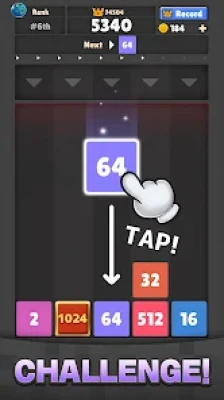
One particularly useful feature is the preview of the next numbered block. This gives players an opportunity to prepare their next move instead of making decisions without knowing what is coming.
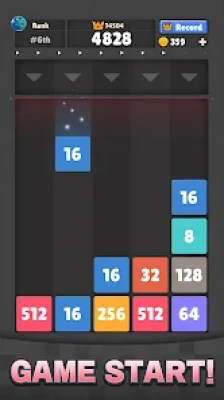
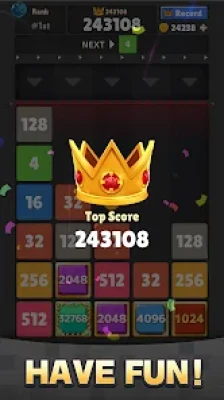
The game also includes a world-ranking system, in-game boosters, vibration effects, and offline support. These features make it suitable for both quick gaming sessions and longer attempts to achieve a personal record.
Main Features of Drop The Number
Simple Number-Merging Gameplay
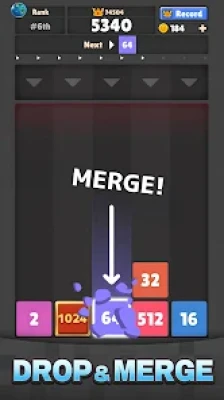
Drop numbered blocks onto matching numbers to combine them and create larger values. The straightforward mechanics make the game accessible to players of different experience levels.
Progressive Number Challenges
Start with smaller blocks and work toward impressive numbers such as 1024, 2048, 4096, 8192, and higher values.
Next Block Preview
Check the upcoming number before dropping your current block. This feature helps you prepare combinations and make more strategic decisions.
Global Leaderboards
Compare your scores with other players and work toward improving your worldwide ranking.
In-Game Boosters
Use available boosters when the board becomes difficult to manage or when you need help continuing your progress.
Offline Gameplay
Enjoy the main puzzle experience without requiring Wi-Fi or mobile data.
Clean and Modern Graphics
The simple visual presentation keeps the attention on the numbered blocks and makes the gameplay easy to follow.
Vibration Feedback
The game includes an optional vibration feature that adds physical feedback when dropping blocks. Players can find this setting through the pause menu.
Tablet Optimization
The game supports tablet devices, providing another way to enjoy its number puzzles.
Multiple Language Support
The game supports more than 16 languages, including English, Arabic, French, German, Spanish, Japanese, Korean, and others.
How to Play Drop The Number
The objective is to create increasingly larger numbered blocks by combining blocks with matching values.
When a new number appears, choose a suitable position and drop it onto another block carrying the same number.
Matching blocks combine to produce a larger number. For example, combining two blocks valued at 2 creates a 4. Combining two 4 blocks creates an 8, and the same progression continues.
The process allows players to build increasingly valuable blocks while earning points.
As the game progresses, the available space becomes more important. Poorly organized blocks can make it difficult to create additional combinations, so players need to think carefully about where each number should go.
The ultimate challenge is to keep the board manageable, create larger combinations, and achieve the highest score possible.
Complete Strategy Guide for Drop The Number
Understand the Number-Merging System
Before attempting to achieve high scores, learn how the merging system works.
Two blocks carrying the same number can combine into a larger block. This means every successful combination creates an opportunity to continue building toward even higher values.
For example:
2 + 2 = 4
4 + 4 = 8
8 + 8 = 16
16 + 16 = 32
32 + 32 = 64
64 + 64 = 128
128 + 128 = 256
256 + 256 = 512
512 + 512 = 1024
1024 + 1024 = 2048
Understanding this progression helps you recognize which combinations are worth preparing.
Instead of focusing only on the next available merge, think about how each combination contributes to your long-term strategy.
Always Check the Next Number
One of the most useful features in Drop The Number is the ability to preview the upcoming block.
Make this information part of every decision.
Before dropping your current number, check what comes next and identify a position that will make the following move easier.
For example, if your current block is an 8 and the next block is also an 8, you can prepare a position that allows both numbers to combine efficiently.
This small habit can significantly improve your ability to build larger numbers.
Keep Similar Numbers Close Together
One of the strongest strategies is organizing blocks according to their numerical values.
Try to position matching numbers near each other whenever possible.
When identical blocks are close together, creating combinations becomes easier and requires fewer complicated placements.
Avoid spreading small numbers across the entire board without a clear reason.
A more organized arrangement gives you better opportunities to merge blocks and maintain control as the puzzle develops.
Build Larger Numbers Gradually
Do not rush to create the biggest possible number immediately.
Instead, focus on developing a reliable sequence of smaller combinations.
For example, creating several 16 blocks can prepare you for future 32 blocks. Those can eventually become 64 blocks and continue toward much larger values.
This gradual approach makes it easier to maintain a balanced board.
Remember that every large number begins with smaller combinations, so managing the early stages correctly is essential.
Avoid Filling the Board Too Quickly
Space management is one of the biggest challenges in Drop The Number.
Every new block occupies space, and an overcrowded board can limit your available merging opportunities.
Try to create combinations regularly instead of allowing too many unrelated numbers to accumulate.
Whenever possible, prioritize moves that reduce unnecessary clutter.
Maintaining open space gives you more flexibility when unexpected numbers appear.
Create a Reliable Merging Area
A useful strategy is to develop a consistent area where you build larger combinations.
Rather than placing numbers randomly throughout the board, try to keep related values organized around a familiar section.
This makes it easier to recognize available matches and plan future drops.
A stable arrangement also reduces the time needed to evaluate each move.
However, remain flexible. If a better merging opportunity appears elsewhere, do not hesitate to adjust your arrangement.
Think Several Moves Ahead
High scores require more than recognizing immediate matches.
Before dropping a block, consider what might happen over the next two or three moves.
Ask yourself whether the placement will create a useful combination, whether it will leave enough space, and whether the next block can be used effectively.
For example, placing a small number beside a matching block may be more valuable than creating a larger number in an inconvenient position.
Good players consider both immediate rewards and future opportunities.
Prioritize Useful Combinations
Not every available merge has the same strategic value.
Sometimes, combining smaller numbers is the best way to clear space and prepare the board.
In other situations, preserving certain blocks may help you create a much larger combination later.
Evaluate each opportunity according to the current condition of the board.
If the board is becoming crowded, focus on useful combinations that improve available space. If the board is under control, consider preparing larger merges.
Understand the Higher-Number Disappearance Mechanic
The game's description highlights a special mechanic involving high-value combinations such as 1024 and 2048, where lower blocks can disappear during merging.
This creates additional opportunities to manage the board and continue building larger numbers.
Pay attention to how these special combinations affect the surrounding blocks.
When you approach these values, think about the possible benefits of the resulting clearances and how they can help you continue your run.
Use Boosters Strategically
Drop The Number includes in-game boosters that can help when ordinary moves become difficult.
Avoid using them immediately whenever the board looks complicated.
First, examine whether a normal merge can solve the problem.
Save boosters for situations where they can make a meaningful difference, particularly when the available space becomes limited or an important combination is difficult to create.
Understanding when to use these resources is an important part of improving your high scores.
Learn from Every Failed Attempt
Not every session will produce a personal record.
Sometimes, a poor placement can create an arrangement that becomes difficult to manage.
Instead of repeating the same decisions, think about what caused the problem.
Perhaps you spread matching numbers too far apart, ignored the upcoming block preview, or allowed too many small numbers to accumulate.
Learning from these situations helps you develop better habits over time.
Focus on Consistency Rather Than Speed
Drop The Number rewards thoughtful decisions more than rushed movements.
There is little benefit in dropping blocks quickly if the resulting arrangement makes future combinations harder.
Take a moment to examine the board and consider your options.
A consistent approach will generally produce better results than relying on random placements.
Advanced Strategies for Reaching 2048 and Beyond
Prepare Combination Chains
A combination chain occurs when one successful merge helps create another.
For example, merging two small blocks may create a number that can immediately combine with another matching block.
These sequences are valuable because they allow you to produce larger numbers while managing the board more efficiently.
Look for opportunities to prepare multiple combinations before making your move.
Maintain Numerical Organization
Try to avoid creating a completely random arrangement.
Keep larger numbers in positions where you can continue developing them, while organizing smaller values to support future combinations.
This makes the board easier to understand and reduces the chance of overlooking useful matches.
Protect Important High-Value Blocks
As your numbers grow, some blocks become increasingly important to your strategy.
Avoid placing them in positions that make future combinations difficult.
Think about how you can connect them with matching values and preserve the opportunities needed to create even larger blocks.
Use the Preview to Control Risk
The upcoming number preview can help you avoid unnecessary risks.
If you know that a particular number is coming next, you can prepare a suitable position before it appears.
This is especially useful when the board contains several different values and available space is limited.
Adjust Your Strategy as the Board Changes
A strategy that works during the early stages may not be effective later.
When the board is relatively empty, focus on developing combinations and organizing smaller numbers.
As space becomes limited, prioritize clearing blocks and creating immediate merging opportunities.
Adapting your approach to the current situation is essential for long sessions.
Beginner Tips and Tricks
Check Every Upcoming Block: Use the preview feature to prepare your next move.
Merge Matching Numbers Quickly: Avoid allowing too many identical blocks to remain separated.
Keep the Board Organized: A clear arrangement makes future combinations easier to recognize.
Save Available Boosters: Use them when they provide meaningful assistance.
Avoid Random Drops: Every placement should support a specific objective.
Build Numbers Gradually: Create smaller combinations before focusing on larger values.
Protect Your Available Space: Prevent unnecessary blocks from accumulating.
Practice Regularly: Experience helps you recognize better combinations and improve your decision-making.
Common Mistakes to Avoid
Ignoring the Next Block: Forgetting to check the upcoming number can result in missed combinations.
Dropping Numbers Randomly: Unplanned placements make the board harder to manage.
Separating Matching Blocks: Keeping identical numbers far apart can complicate future merges.
Using Boosters Too Early: Spending useful resources on minor problems can leave you unprepared for difficult situations.
Ignoring Board Space: Allowing too many blocks to accumulate can limit your options.
Focusing Only on Large Numbers: Smaller combinations are equally important for maintaining a healthy board.
Rushing Through Decisions: Quick movements without proper planning often lead to unnecessary mistakes.
Repeating Failed Strategies: Continuing to make the same mistakes prevents consistent improvement.
How to Achieve a Higher Score
The best way to achieve a higher score in Drop The Number is to combine smart placement with efficient merging.
Start by creating an organized arrangement and keeping matching values close together.
Use the next-block preview to prepare upcoming combinations, and avoid wasting valuable space on placements that do not contribute to your strategy.
As the numbers become larger, focus on creating combinations that can generate additional merges.
Remember that the leaderboard rewards high scores, so consistency and effective board management are more valuable than simply reaching 2048 once.
With regular practice, you will become better at recognizing patterns, planning combinations, and maintaining control of the board.
Offline and Online Gameplay
One advantage of Drop The Number is that its main puzzle gameplay supports offline sessions.
Players can enjoy the number-merging experience without requiring an active internet connection.
When connected to the internet, they can also explore the global ranking system and compare their results with other players.
This combination makes the game convenient for different situations, whether you are relaxing at home, traveling, or taking a short break.
Is Drop The Number Suitable for Beginners?
Yes. Drop The Number is designed with simple mechanics that are easy to understand.
New players only need to learn how matching numbers combine and how to place new blocks effectively.
The challenge develops naturally as larger numbers appear and the board becomes more crowded.
The next-block preview also makes the experience more approachable by giving players additional information before making decisions.
Even people who do not usually enjoy mathematical puzzles can find the gameplay entertaining because the focus is on visual recognition, planning, and pattern matching.
What Makes Drop The Number Different from Traditional 2048?
Traditional 2048 generally uses a grid where players slide numbered tiles in different directions.
Drop The Number takes a different approach by allowing players to drop numbered blocks onto matching blocks.
This changes the way players think about positioning and combination opportunities.
Instead of concentrating mainly on sliding movements, players must consider where each new block should land and how it will affect the existing arrangement.
The next-number preview and the additional mechanics also create a different puzzle experience.
Although both games share the goal of creating increasingly large numbers, Drop The Number offers its own style of strategic block management.
Frequently Asked Questions
What is Drop The Number?
Drop The Number is a free-to-play number-merging puzzle game developed by SUPERBOX Inc. Players drop numbered blocks onto matching values to create larger numbers and earn points.
How do you play Drop The Number?
Drop a numbered block onto another block with the same value. The matching numbers merge into a larger number, allowing you to continue building your score.
What is the main objective?
The main objective is to create increasingly larger numbered blocks, earn as many points as possible, and achieve a high position on the global leaderboard.
Can you reach 2048 in Drop The Number?
Yes. Reaching 2048 is one of the major milestones in the number progression. Players can continue creating higher values, including 4096, 8192, and beyond.
Does Drop The Number show the next block?
Yes. The game provides a preview of the next numbered block, helping players plan their placements and prepare future combinations.
Can you play Drop The Number offline?
Yes. The main gameplay supports offline play without Wi-Fi or mobile data.
Does the game have a leaderboard?
Yes. Players can view worldwide rankings and compare their high scores with other participants.
Are boosters available?
Yes. Drop The Number includes in-game boosters that can help players manage challenging situations.
Is Drop The Number free to play?
The game is free to play and includes advertisements and optional in-app purchases.
Who developed Drop The Number?
Drop The Number was developed and published by SUPERBOX Inc.
Is Drop The Number suitable for casual players?
Yes. Its simple controls, accessible mechanics, and short puzzle sessions make it suitable for casual players and fans of number games.
Final Verdict
Drop The Number®: Merge Game is an enjoyable puzzle experience that combines simple number-matching mechanics with increasingly challenging block-management decisions.
Its biggest strength is the balance between accessibility and strategy. Anyone can learn how to drop and merge numbered blocks, but achieving impressive scores requires patience, organization, and the ability to anticipate upcoming numbers.
The next-block preview, in-game boosters, global leaderboards, and offline gameplay add further value to the experience.
Whether you are a fan of 2048, number puzzles, or casual merging games, Drop The Number offers an entertaining way to challenge your thinking and compete for higher scores. Its straightforward gameplay makes it easy to start, while its progressively larger number combinations provide plenty of reasons to keep playing.
Rate the Game
User Reviews








Popular Games



















 Android
 iOS
 Windows
 Xbox