


Latest Version
October 27, 2026
Rollic Games
Action
iOS
0
Report a Problem
More About :game
Lucky Adventure: A Complete Gameplay Guide
Lucky Adventure combines action, exploration, and resource management in a colorful adventure where your goal is to become a powerful hero and save the land. Developed by Rollic Games, the game challenges you to travel through different areas, face dangerous enemies, collect valuable rewards, and develop your own territory.
The experience blends combat with luck-based systems and long-term progression. You move through an adventure map, encounter enemies and activities, collect resources, and improve your character. You can also build and develop your city, giving your progress a purpose beyond simply defeating the next opponent.
As you advance, equipment, stat upgrades, energy, collectible items, and additional game modes become increasingly important. Some encounters can be difficult if your character is underpowered, so knowing how to spend resources and prepare for battles makes a noticeable difference.
The lucky mechanics add variety to the adventure. Spins and reward-based activities can provide useful bonuses, while mini-games offer alternative ways to collect items and resources. However, luck is only one part of success. Consistent upgrades, sensible resource management, and careful preparation remain essential.
This guide explains the main gameplay systems and provides practical strategies to help you make progress, strengthen your hero, defeat tougher enemies, and get more value from your time in Lucky Adventure.
What Is Lucky Adventure?
Lucky Adventure is a casual action game featuring exploration, combat, character progression, and city-building elements. Its central objective is to save the land by becoming a stronger hero and overcoming the enemies standing in your way.
The game uses a progression map where players advance through different encounters and activities. Battles test the strength of your character, while rewards help you improve your stats, collect equipment, and unlock additional opportunities.
One of the game's distinguishing features is its combination of luck-based activities and traditional progression. Lucky spins and reward systems introduce an element of unpredictability, while upgrades and equipment allow you to improve your character over time.
City building provides another long-term objective. Developing your territory gives you something to work toward between battles and connects resource collection with visible progress in the game world.
The game also features bosses, different worlds, collectible rewards, and mini-games. These systems help keep the experience varied as you move beyond the early stages.
Lucky Adventure is free to download and includes optional in-app purchases. It is designed for players who enjoy casual combat, character upgrades, collection systems, and adventures where steady improvement is just as important as luck.
Main Features of Lucky Adventure
Explore Colorful Worlds
Lucky Adventure takes you through different areas filled with encounters, rewards, and progression opportunities. As you advance, new worlds and challenges give you additional goals to pursue.
Exploration is more rewarding when you pay attention to the available activities instead of focusing only on the next fight. Different map locations may provide opportunities to collect resources, improve your character, or access special rewards.
Fight Enemies and Powerful Bosses
Combat is central to the adventure. You face enemies while progressing through the map, and stronger encounters require a more developed character.
Boss battles provide important tests of your preparation. If your current stats or equipment are insufficient, you may struggle to win even when you have progressed comfortably through earlier encounters.
Building your strength between battles is therefore an important part of the experience.
Upgrade Your Hero's Stats
Character upgrades help you improve your combat performance. Depending on the available upgrade options, you can develop attributes such as attack power and other useful combat statistics.
The key is to understand which improvements address your current weaknesses. If battles take too long, stronger attacks may help. If you are defeated too quickly, improving survivability may be a better priority.
Collect Armor and Equipment
Equipment provides additional ways to strengthen your hero. Armor pieces can contribute bonuses to your character's stats, making equipment collection an important part of progression.
As you acquire better gear, compare its benefits with your current equipment. Focus on upgrades that offer meaningful improvements instead of changing items without considering their effects.
Build and Develop Your City
City building adds a management element to the game. You collect resources and use them to develop your territory, creating a sense of long-term progress alongside the combat adventure.
Building improvements can provide additional goals and help structure your progression. Check the available construction options and consider which ones best support your current objectives.
Enjoy Lucky Spins and Reward Activities
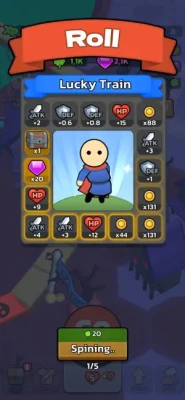
Luck-based activities are part of Lucky Adventure's identity. The game includes mechanics such as Lucky Slots and the Lucky Train, which can provide resources, multipliers, or character bonuses depending on the activity.
These features add variety, but their results are not always predictable. Treat them as opportunities to improve your progress rather than guaranteed sources of a specific reward.
Discover Mini-Games
Mini-games provide a change of pace from the main adventure. Activities may include different challenges and reward systems, giving players more ways to collect useful items.
Check which mini-games are currently available and consider whether their rewards help with your immediate goals.
Collect Items and Rewards
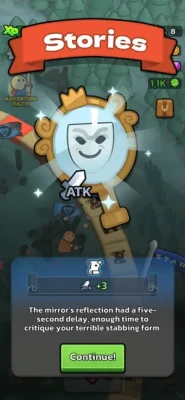
Lucky Adventure includes collection-based progression, with rewards such as cards, tokens, gems, and other items depending on the activity.
Collections can provide additional objectives and make reward systems more engaging. Keep track of what you receive and how those items can contribute to your overall development.
Take Part in Events
Special events and timed activities may offer additional challenges and rewards. Their availability can change with game updates, so check the current event menu for details.
Choose activities that suit your current progression and provide useful benefits rather than trying to complete everything at once.
How to Play Lucky Adventure
Learn the Main Adventure Map
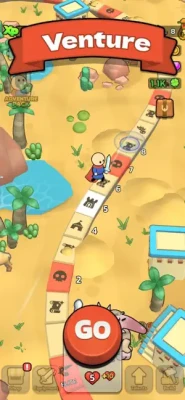
Begin by exploring the map and understanding how movement, encounters, and activities work. The game uses a progression-based adventure structure, with locations and challenges guiding you forward.
Look at the available map icons and objectives before committing to an activity. This helps you understand what each location offers and how it fits into your current goals.
Use the Go Button to Progress
The game uses a central Go control for moving through parts of the adventure. Follow the on-screen instructions and observe how movement interacts with the map, encounters, and available activities.
As you become familiar with the system, pay attention to the rewards and challenges associated with each step. Understanding the progression flow makes it easier to decide when to continue and when to return to upgrading your character.
Fight Enemies
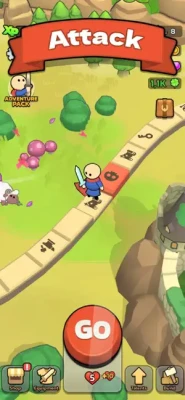
When you encounter an enemy, your character's stats and equipment help determine how effectively you can fight. Continue developing your hero as you face increasingly powerful opponents.
If you win easily, you may be ready to advance. If a battle becomes difficult, review your upgrades and equipment instead of repeatedly attempting the same encounter without making improvements.
Collect Resources and Rewards
Battles, map activities, and reward systems can provide items that support your progression. Collect available rewards and check how they can be used.
Some resources are suited to character improvements, while others may support equipment, collections, or city development. Understanding these differences helps you avoid spending valuable items on the wrong objective.
Upgrade Your Character
Open the relevant upgrade menu and review the available stats. Decide which attribute will make the greatest difference to your current challenge.
Invest in upgrades that solve a real problem, then return to the adventure and see how your performance changes. This approach helps you make better decisions than upgrading randomly.
Equip Armor
Review your armor and other available equipment regularly. Compare the bonuses offered by different pieces and equip items that improve your current build.
If a boss is difficult to defeat, checking your equipment is an important preparation step. Even when your overall level seems adequate, better gear may provide useful additional strength.
Build Your City
Use the resources available to develop your territory. Building progress offers a long-term objective that complements the combat and exploration systems.
Check the cost and benefits of each available improvement. If resources are limited, focus on the construction tasks that best support your current stage of progression.
Explore Lucky Activities
Visit the available lucky and reward-based activities to see what bonuses they offer. Lucky Slots, the Lucky Train, and other features may provide resources or temporary advantages.
Read the instructions for each activity and consider the value of its rewards. Avoid assuming that every spin or mini-game will produce the same result.
Complete Strategy Guide for Lucky Adventure
Build a Strong Foundation Early
The early stages are the best time to learn how the game's systems fit together. Become familiar with combat, map progression, equipment, upgrades, and city development before the challenges become more demanding.
Do not focus exclusively on advancing through battles. Spend time understanding the rewards you receive and how they can improve your hero.
A solid foundation makes it easier to respond when stronger enemies begin to test your character's limits.
Upgrade the Stats That Matter Most
Not every upgrade provides the same practical value at every stage. Your best investment depends on the problem you are trying to solve.
If enemies take too long to defeat, consider prioritizing attack-related improvements. If your character loses too much health during fights, focus on survivability-related options when available.
Review your progress after important upgrades. If an improvement does not solve the problem you expected, reconsider your priorities rather than continuing to invest in the same attribute automatically.
Avoid Spreading Resources Too Thinly
Lucky Adventure offers several progression systems, including stats, equipment, city development, and collectibles. It can be tempting to invest in all of them simultaneously.
However, spreading limited resources across too many goals may delay the improvement you need most. Identify your main objective and direct a larger share of your available resources toward it.
This does not mean ignoring other systems. It means making sure that your most important needs receive attention before optional improvements.
Improve Equipment Before Difficult Battles
Armor and equipment can contribute important bonuses to your character. Before entering a difficult encounter, compare your available gear and equip the strongest combination for your needs.
Pay attention to the actual stats rather than judging equipment only by its appearance or rarity. A piece that provides useful bonuses for your current build may be more valuable than an alternative that does not address your weaknesses.
As you collect more gear, review your equipment periodically so that older pieces do not remain equipped simply because you obtained them earlier.
Understand Permanent and Temporary Upgrades
Some progression systems improve your character over time, while other bonuses may apply only during a particular level or encounter.
This distinction matters when deciding how to spend resources. An upgrade that resets after a stage may be useful for overcoming a difficult encounter, but it does not necessarily improve your permanent character strength.
Before investing heavily in an upgrade, check its description and determine whether the benefit lasts beyond the current run or level.
Understanding this difference helps you make more informed decisions about long-term development.
Prepare Carefully for Boss Fights
Boss battles are useful checkpoints for measuring your progress. If you defeat ordinary enemies easily but struggle against a boss, your current setup may need improvement.
Start by reviewing your attack power, survivability, and equipment. Then consider whether you have unused resources that could provide a meaningful boost.
Avoid entering the same boss fight repeatedly without changing anything when your current strategy is clearly insufficient. Use each attempt to identify a weakness and make a targeted improvement.
Make Smart Use of Lucky Slots
Lucky Slots introduce a chance-based element to progression. Their results can provide useful rewards, but you cannot assume that every attempt will deliver the item or bonus you want.
Treat spins as an additional opportunity rather than the foundation of your strategy. Continue strengthening your character through the upgrade and equipment systems instead of depending entirely on luck.
If an activity consumes a limited resource, check the cost and possible rewards before participating. Preserve valuable resources when the expected benefit does not match your current needs.
Use the Lucky Train Strategically
The Lucky Train offers another way to obtain rewards and potential stat bonuses. Review its available options and understand how the rewards can support your current objectives.
If a bonus helps improve a weak attribute, it may be particularly valuable before a difficult encounter. If the reward is unrelated to your current needs, consider whether another activity would provide better value.
Because the system involves luck, focus on making sensible decisions around participation rather than trying to predict an uncertain result.
Balance Combat With City Development
City building gives you a separate progression path, but it should fit alongside your combat goals.
When you have enough resources for a meaningful building improvement, consider whether it is worth completing immediately or whether your hero needs an upgrade first.
If you are blocked by a difficult enemy, prioritizing combat strength may be more useful. If your character is progressing comfortably, investing in city development can help you make broader progress.
The best balance depends on the resources available and the challenges currently facing you.
Collect Rewards From Multiple Activities
Different activities may provide different types of resources. Battles, mini-games, events, and collection systems can all contribute to your progression.
Check the available reward menus regularly so you do not overlook useful opportunities. However, prioritize the activities that provide the resources you actually need.
Completing every optional activity is not always necessary. A focused approach can be more efficient when your playtime or resources are limited.
Be Patient With Random Rewards
Luck-based systems can produce disappointing results, particularly when you are hoping for a specific item or bonus.
Avoid spending more resources simply because you did not receive the desired reward on an earlier attempt. Each result should be evaluated independently, and there is no guarantee that another attempt will be better.
Set reasonable limits on how much time or currency you want to spend on these activities. Keep your main progression goals in view and rely on upgrades and equipment to build consistent strength.
Manage Energy Efficiently
Energy can limit how much you can do in a session. When the game indicates that an activity requires energy, check your available amount before committing to it.
Prioritize important encounters and activities that provide meaningful rewards. If you are running low, use the time to review your equipment, plan your next upgrades, and check the available events.
Energy management becomes especially useful when you want to make steady progress without spending money to accelerate every activity.
Make the Most of Mini-Games
Mini-games can provide variety and extra rewards, but their value depends on the activity and its current requirements.
Before participating, check the rules and rewards. Learn what the activity asks you to do and whether the available prizes support your current progression.
Approach each mini-game as a separate opportunity rather than assuming that all of them require the same strategy.
Review Your Progress After Each Milestone
After defeating a boss, unlocking a new area, or completing a significant upgrade, take a moment to review your setup.
Check whether new equipment has become available, whether your resources should be invested differently, and whether the next challenge demands a change in strategy.
This regular review prevents your character development from falling behind the difficulty of the adventure.
Advanced Tips and Tricks
Set One Main Goal for Each Session
Before playing, decide what you want to accomplish. Your objective might be defeating a boss, improving a particular stat, collecting equipment, or completing a city upgrade.
A clear goal helps you decide which activities deserve your attention and prevents resources from being wasted on unrelated tasks.
Compare Equipment Rather Than Guessing
When you receive new armor, check its bonuses against the gear you already own. Focus on the improvements that matter for your current build.
If the game provides a detailed stat screen, use it to understand the effects of your equipment and upgrades. This can help you avoid keeping weaker gear simply because it was obtained earlier.
Use Rewards to Address Weaknesses
Treat rewards as tools for improving your character. If your current challenge requires more attack power, direct relevant resources toward that need when possible.
If you are struggling to survive, consider improvements that support durability. A targeted investment is generally more useful than upgrading a random attribute without a clear reason.
Keep Track of Collection Progress
Collection systems can provide additional objectives and rewards. Check your collection menu periodically and see whether you are close to completing any available sets or milestones.
Do not let collection goals distract you from a difficult main-stage encounter, but take advantage of them when their rewards support your broader progression.
Check New Events After Updates
Game updates can introduce additional worlds, challenges, reward systems, or improvements to existing activities. Check the current game menus after updating so you understand what is available.
If a new activity offers useful resources, decide whether it fits your current goals before spending a large amount of time on it.
Avoid Unnecessary Revives
If the game offers revives, consider whether continuing a failed attempt is worthwhile. A revive may be useful when you are close to defeating a boss or completing a difficult encounter.
However, if your character is significantly underpowered, spending resources to continue may only delay the need for better upgrades. Consider the situation before using a limited revive.
Check Your Setup Before Spending Money
Optional purchases may offer items, gems, energy, or other progression benefits. Before buying anything, compare the offer with what you actually need.
A purchase that provides a useful upgrade may be more relevant than a bundle filled with items you rarely use. Do not make a purchase simply because a difficult encounter has become frustrating.
Common Mistakes to Avoid
Upgrading Every Stat at Once
Spreading resources across all attributes can slow the development of your most important strengths. Focus on upgrades that address your current problems, then expand your investment as resources become more available.
Ignoring Equipment Bonuses
Armor can contribute meaningful improvements to your character. Check your available gear regularly and make sure you are not overlooking a stronger combination.
Entering Boss Battles Without Preparation
Bosses can be significantly more challenging than ordinary enemies. Improve your stats, review your equipment, and make sure your character is ready before committing to repeated attempts.
Relying Too Much on Luck
Lucky Slots and similar activities can provide useful rewards, but their results are uncertain. Build your character through consistent progression rather than expecting random rewards to solve every problem.
Confusing Temporary Bonuses With Permanent Progress
Some upgrades may reset after a level or encounter. Read the descriptions before investing resources so you understand how long the benefit will last.
Spending Resources on Unnecessary Activities
Optional activities can be entertaining, but not every reward will help with your current objective. Prioritize resources that improve your character or unlock meaningful progression.
Neglecting City Development
City building is part of the game's long-term experience. If you focus exclusively on combat, you may miss opportunities to develop your territory and collect related rewards.
Ignoring Energy Limits
Using all your energy without considering your priorities can leave you unable to complete important activities. Check your available energy and focus on the encounters and rewards that matter most.
Repeating Failed Battles Without Adjusting
If a boss repeatedly defeats you, change something before trying again. Improve your stats, adjust your gear, or review your available bonuses rather than relying on an identical approach.
Spending Money Impulsively
Optional purchases should be evaluated carefully. Consider whether the benefits are necessary and whether you can achieve the same goal through normal gameplay.
How to Defeat Difficult Bosses in Lucky Adventure
When a boss becomes a roadblock, start by checking your hero's overall strength. Review attack-related stats, survivability, and any other attributes that influence combat performance.
Next, inspect your equipment. Make sure your armor provides useful bonuses and that you have equipped the best available combination for your needs.
Consider whether you have resources that can make a meaningful difference. A targeted upgrade before the battle may be more valuable than spending those resources on several minor improvements.
If you still struggle, pay attention to what happens during the encounter. If you cannot defeat the boss quickly enough, improve your offensive strength where possible. If your character falls too quickly, prioritize survivability-related options.
Use revives only when they offer a reasonable chance of completing the encounter. If your current setup is clearly too weak, improving your character first is usually the more sensible approach.
Finally, remember that not every progression problem can be solved by luck. Lucky rewards may help, but preparation and consistent upgrades give you a more reliable foundation for defeating difficult enemies.
How to Progress Faster Without Spending Money
Lucky Adventure includes optional in-app purchases, but players can still focus on developing their characters through the game's available progression systems.
Start by completing useful encounters and collecting the rewards they provide. Invest resources in meaningful upgrades rather than spreading them across every available option.
Check your equipment frequently and take advantage of activities that provide rewards relevant to your current needs. Mini-games and events can offer additional opportunities, depending on what is available in your version of the game.
Manage energy carefully and avoid spending resources repeatedly on activities that are unlikely to improve your progress.
Most importantly, learn from difficult battles. When an encounter becomes too challenging, identify your weakest attribute and address it before trying again. This methodical approach helps you make steady progress without relying on purchases to overcome every obstacle.
Is Lucky Adventure Free to Play?
Lucky Adventure is free to download and includes optional in-app purchases. Players can explore the adventure, battle enemies, improve their characters, develop their territory, and participate in various reward activities.
Optional purchases may include gems, energy, revives, equipment-related packs, and other offers, depending on what is available in the store.
Purchases can accelerate certain aspects of progression, but they are not a substitute for understanding the game's systems. If you prefer not to spend money, focus on efficient upgrades, useful rewards, and careful energy management.
The game also includes advertisements and loot-box-style reward mechanics, according to its store information. Because some rewards involve chance, it is sensible to set limits on how much time or money you want to devote to those systems.
Frequently Asked Questions
What Is Lucky Adventure About?
Lucky Adventure is a casual action adventure where players battle enemies, collect rewards, upgrade a hero, and build a city while working to save the land. The game combines combat and exploration with luck-based activities and character progression.
Who Developed Lucky Adventure?
Lucky Adventure was developed by Rollic Games. It is available for compatible Apple mobile devices and includes optional in-app purchases.
How Do You Play Lucky Adventure?
Explore the adventure map, use the game's movement controls to progress, fight enemies, and collect resources. Spend your rewards on useful upgrades, improve your equipment, and develop your city as you advance.
How Do You Make Your Hero Stronger?
Use resources to upgrade your stats and improve your equipment. Focus on the attributes that address your current weaknesses and review your setup before difficult encounters.
What Is the Purpose of City Building?
City building provides a long-term progression goal alongside combat. You use available resources to develop your territory and make progress beyond individual battles.
What Are Lucky Slots?
Lucky Slots are a luck-based activity that can provide rewards through spins. Results vary, so it is best to treat the activity as an additional opportunity rather than a guaranteed way to obtain a particular item.
What Is the Lucky Train?
The Lucky Train is another reward-based feature associated with bonuses and resources. Check its current in-game instructions to understand the available rewards and how they can support your progression.
How Do You Defeat Bosses More Easily?
Improve your stats, equip useful armor, and prepare before entering the fight. If you fail, determine whether you need more damage, better survivability, or other upgrades before trying again.
Should You Upgrade Attack or Defense First?
It depends on your current challenge. If battles take too long, attack improvements may help. If your character is defeated too quickly, focus on survivability-related upgrades when available.
Do Upgrades Always Remain After a Level?
Not necessarily. Some progression systems may include temporary bonuses that reset after a level or encounter. Check the description of each upgrade so you understand whether it provides permanent or temporary benefits.
Does Lucky Adventure Have Mini-Games?
Yes. The game includes additional mini-games and reward activities. Their availability and rewards may vary with updates and progression, so check the current in-game menus.
Can You Play Lucky Adventure Without Spending Money?
Yes. The game is free to download and includes optional purchases. You can focus on collecting resources, improving your hero, managing energy, and using available rewards to progress without buying additional items.
What Should You Do if Lucky Adventure Gets Stuck on the Loading Screen?
First, check your internet connection and make sure the game is updated. Try restarting the app and your device. If the problem continues, contact the game's support team before deleting the app or reinstalling it.
If your account progress is not securely backed up, reinstalling may put your progress at risk. Avoid deleting the game as an initial troubleshooting step, particularly if you have invested significant time or money in your account.
Is Lucky Adventure Suitable for Casual Players?
Yes. The game combines accessible controls with gradual progression, making it approachable for casual players. Its combat, upgrades, city-building systems, and optional activities provide additional goals for players who want a longer experience.
Final Thoughts on Lucky Adventure
Lucky Adventure combines casual combat, character development, luck-based rewards, and city building into a colorful progression-focused adventure. Its appeal comes from having several ways to improve your hero while exploring new areas and taking on stronger enemies.
The best strategy is to develop your character steadily, prioritize useful upgrades, and treat equipment as an important part of preparation. Lucky activities can provide helpful bonuses, but consistent progress depends on making sensible decisions with the resources you have.
When a boss becomes difficult, review your stats and gear before attempting the fight again. When energy is limited, focus on activities that support your immediate goals. And when random rewards do not go your way, avoid spending additional resources simply to chase a particular result.
By balancing combat, equipment, city development, and reward activities, you can make your progress more efficient and enjoy more of what the game offers.
For players who enjoy casual action games with upgrades, collectibles, and luck-based mechanics, Lucky Adventure provides a varied experience with plenty of goals to pursue. Plan your improvements carefully, make the most of available rewards, and continue building a stronger hero as you work to save the land.
Rate the Game
User Reviews














Popular Games



















 Android
 iOS
 Windows
 Xbox