




Latest Version
May 21, 2024
CSCMobi Studios
Simulation
45
com.cscmobi.cana.islands
Report a Problem
More About :game
As you progress, you'll discover new farming areas, collect useful materials, unlock additional opportunities, and work toward creating a sustainable island life. Managing energy and planning your activities are important parts of the experience, especially when exploring distant areas or completing demanding tasks.
What Is Kong Island: Farm & Survival?
Kong Island: Farm & Survival blends farming simulation with island exploration and resource management. Instead of simply planting crops and waiting for them to grow, players must balance several activities to keep their progress moving.
The island offers opportunities to collect materials, cultivate crops, develop a family farm, and uncover new locations. Each activity contributes to your overall progress, making it important to decide which tasks deserve attention first.
The game is particularly suited to players who enjoy relaxing farming games with exploration, crafting, and steady progression. Its energy-management mechanics also encourage players to think carefully about how they spend their time and resources.
Main Features of Kong Island: Farm & Survival
1. Farming and Crop Harvesting
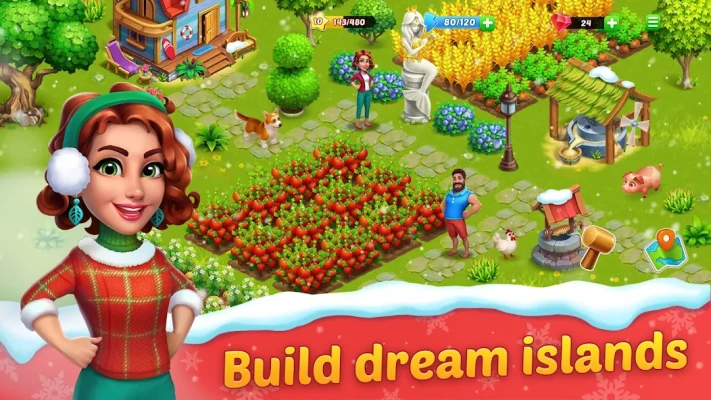
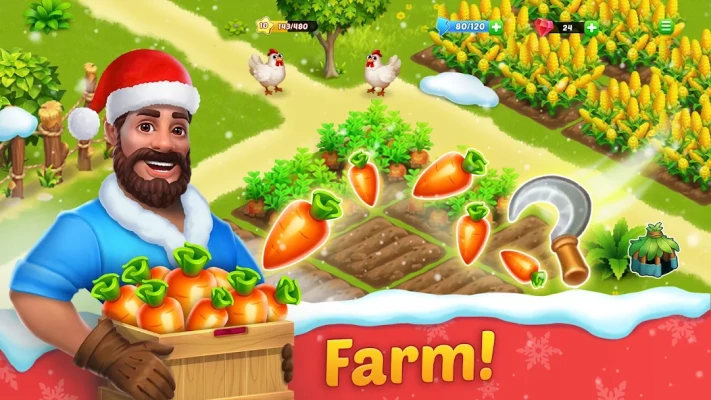
Farming is one of the main activities in Kong Island: Farm & Survival. Plant seeds, grow crops, and harvest useful produce to support your progress. Different farming regions introduce new opportunities and crop varieties.
Helpful farming tips:
Plant crops regularly so you have a steady supply of produce.
Check which crops are required for current missions before using your resources elsewhere.
Harvest available crops before beginning a long exploration session.
Avoid spending all your supplies on optional activities when a mission requires them.
Learn which crops are most useful for your immediate crafting and progression needs.
2. Island Exploration and Discovery
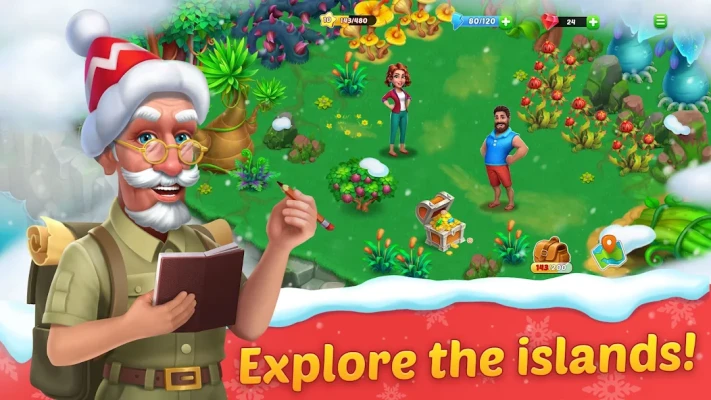
Exploration takes you beyond your starting area and introduces new resources, locations, and farming opportunities. As you progress, you can unlock additional islands and investigate unfamiliar environments.
Exploring every available area can be rewarding, but clearing an entire region immediately is not always the best choice. Focus on the locations that provide materials needed for your next important upgrade or mission.
3. Resource Gathering and Crafting
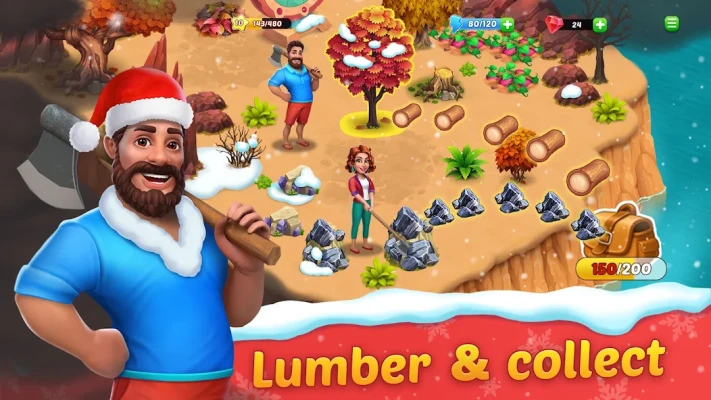
Wood, stone, plants, and other materials help you develop your farm and unlock useful facilities. Gathering these resources requires energy, so every action should serve a purpose.
Crafting turns collected materials into useful items and helps you complete objectives that cannot be finished through farming alone.
4. Energy, Morale, and Fatigue Management
Energy management is particularly important because gathering resources and clearing obstacles can consume energy quickly. The game's survival-inspired systems also include morale and fatigue, making efficient planning an important part of long-term progression.
Build your routine around available energy, recovery opportunities, and the tasks you need to complete. Avoid spending energy on unnecessary obstacles when a more direct route can help you finish your objectives.
5. Farm Development and Progression
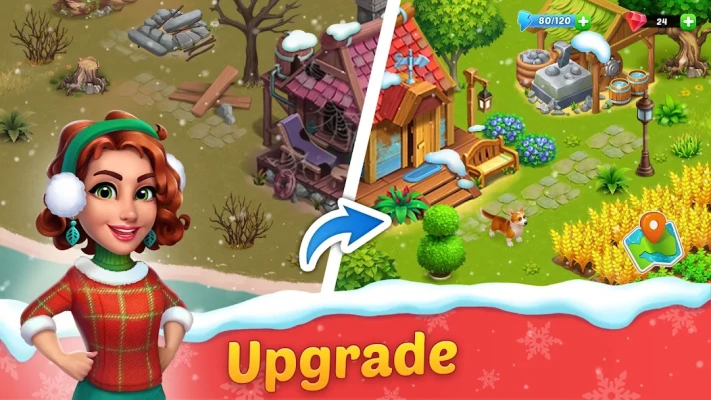
Your farm gradually develops from a basic settlement into a more productive home. New facilities, crops, materials, and locations expand the activities available to you.
Prioritizing useful improvements over purely optional tasks can make the early game considerably smoother.
6. Family Farm and Recovery Benefits
The family-farm system adds another layer to island management. Collecting useful items and developing quality-of-life facilities can support morale and recovery, helping you maintain a more sustainable routine.
Pay attention to improvements that offer lasting benefits rather than focusing exclusively on immediate rewards.
Complete Kong Island: Farm & Survival Strategy Guide
This walkthrough focuses on practical decisions that help you conserve energy, develop your farm, gather resources efficiently, and unlock new areas without wasting valuable supplies.
Beginner's Guide: How to Start Strong
When you first arrive on Kong Island, your main objective is to establish a reliable foundation. You do not need to clear every obstacle or collect everything you see.
Step 1: Follow the introductory missions
Start with the tasks that teach you how to gather materials, cultivate crops, and develop your first facilities. These objectives provide direction and introduce important gameplay systems.
Step 2: Gather only useful materials
Check your current construction requirements before spending energy on trees, rocks, or other obstacles. If a task requires a particular material, concentrate on gathering it rather than collecting everything indiscriminately.
Step 3: Establish a farming routine
Plant available crops, monitor their growth, and harvest them when ready. Maintaining a regular farming cycle helps prevent shortages when new objectives appear.
Step 4: Keep an eye on energy
Energy is one of your most important progression resources. Before starting a demanding task, estimate how much energy it will require and whether you have enough to finish it.
Step 5: Expand when the opportunity makes sense
Unlock new areas when your current objectives point toward expansion. Exploring too early without enough energy or supplies can leave you unable to complete important tasks efficiently.
Best Energy Management Strategy
Energy shortages can slow your progress considerably. A few simple habits can make each session more productive.
Prioritize essential objectives. Complete tasks that unlock new facilities, resources, or areas before optional collection work.
Use free recovery opportunities. Collect energy rewards and use available recovery features when they fit your needs.
Look for special resource objects. Some objects may provide rewards rather than consume energy, so inspect their indicators before interacting.
Avoid unnecessary clearing. Large rocks and trees may require substantial energy. Remove them when the materials or access they provide are worth the cost.
Plan crafting tasks in advance. A mission may require several different materials, so calculate the full requirement before spending energy.
Take breaks when necessary. If your energy is depleted and no useful recovery option remains, return later instead of forcing progress through inefficient actions.
A useful rule is to keep enough energy available to complete your current objective rather than spending it all on random exploration.
How to Gather Resources Efficiently
Resource gathering becomes easier when you know exactly what you need.
First, identify the materials required for your next upgrade or mission. Then locate the nearest available sources and gather only enough to meet that requirement, allowing a small reserve for unexpected costs.
If several resources are needed, collect them in a planned order. This reduces unnecessary movement and helps you avoid returning to previously cleared areas.
Remember that rare or difficult-to-access materials may become important later. Do not automatically spend every valuable item on the first available upgrade.
Best Farming Strategy for Beginners
A productive farm provides a reliable source of crops while leaving enough time and energy for exploration.
Plant available seeds whenever suitable farming space is ready.
Harvest mature crops before starting extended adventures.
Keep track of crops required by active missions.
Avoid consuming or processing all your produce when future tasks may need it.
Use newly unlocked farming regions to discover additional crop opportunities.
Expand your farming activities as your resource supply and progression allow.
The goal is not to grow everything at once. It is to maintain a balanced supply that supports your current needs.
Crafting and Upgrade Priorities
Crafting can unlock new opportunities, but it also creates additional demands for materials. Before beginning an upgrade, make sure you understand its complete requirements.
A sensible priority order is:
Facilities that unlock essential progression.
Improvements that make farming and resource collection more productive.
Upgrades required for active missions.
Developments that improve recovery or support long-term management.
Optional improvements that do not immediately advance your objectives.
The best choice depends on your current stage of the game. An upgrade that is useful early on may become less important once you have access to better facilities.
How to Unlock New Islands Faster
New islands introduce different environments, resources, and farming opportunities. However, unlocking a region is only the beginning; you must also have enough resources to benefit from it.
Before expanding, complete important tasks in your current location, collect readily available rewards, and make sure you understand the requirements for progressing through the next area.
Once a new island becomes accessible:
Explore the immediate surroundings first.
Identify new materials and useful resource sources.
Check mission requirements before clearing obstacles.
Look for farming opportunities specific to the region.
Save difficult or expensive tasks until you have a clear reason to complete them.
This approach makes exploration more purposeful and reduces wasted energy.
How to Manage Salt and Other Important Supplies
Some players report that certain supplies, including salt, can become frustrating bottlenecks because obtaining them may require clearing costly obstacles. This makes supply planning particularly important when meals or crafting tasks depend on specific ingredients.
To avoid unnecessary delays, check your inventory before beginning a mission, identify which ingredients are actually required, and investigate accessible resource sources first.
Do not assume every obstacle needs to be removed immediately. If obtaining a particular ingredient requires considerable energy, compare the cost with other available ways to progress before committing your resources.
Morale and Fatigue: Practical Management Tips
Morale and fatigue add another consideration to the usual farming and energy cycle. A productive settlement should support both immediate tasks and longer-term recovery.
Collect useful items that contribute to recovery or morale.
Develop facilities that offer lasting benefits when available.
Avoid beginning demanding exploration sessions without preparing your supplies.
Balance resource gathering with farming and settlement development.
Check your character's condition before committing to lengthy tasks.
A sustainable routine is more effective than repeatedly exhausting your resources and having to wait before continuing.
Common Mistakes to Avoid
Clearing every obstacle: Many objects require energy, and not all of them provide materials you need immediately.
Ignoring crop requirements: Using all your produce too early may create avoidable delays when a mission requires specific crops.
Expanding without preparation: New locations are more useful when you have enough energy and supplies to explore them properly.
Crafting without checking requirements: Starting an upgrade before collecting all the necessary materials can interrupt your progress.
Ignoring recovery opportunities: Free rewards and useful facilities can help maintain a steady pace.
Spending premium currency impulsively: Save valuable currency for situations where the benefit is meaningful to your progress.
Trying to finish everything in one session: Kong Island is designed around gradual development. Working toward a few clear objectives is often more efficient than attempting to complete every available task at once.
Is Kong Island: Farm & Survival Worth Playing?
Kong Island: Farm & Survival is a good option for players who enjoy farming games, island exploration, crafting, and gradual settlement development. Its appeal comes from turning a basic starting area into a productive farm while discovering new regions and managing limited resources.
The game is not entirely effortless, however. Energy restrictions can slow progress, and certain materials may require substantial work to obtain. Players who prefer uninterrupted exploration may find this system frustrating, while those who enjoy planning and incremental improvements may appreciate the additional challenge.
Advantages
Combines farming with island exploration.
Offers crafting and resource-management activities.
Provides new areas and crop varieties to discover.
Encourages planning and efficient use of energy.
Supports gradual farm development and progression.
Disadvantages
Energy can run out during resource-intensive tasks.
Some materials may be difficult or expensive to obtain.
Progress can slow when missions depend on specific supplies.
Advertisements and optional in-app purchases may affect the experience.
Frequently Asked Questions
What is Kong Island: Farm & Survival?
Kong Island: Farm & Survival is a casual farming and adventure game in which players gather resources, grow crops, develop a family farm, and explore new island regions.
How do you get more energy in Kong Island?
Use available recovery opportunities, collect energy rewards, and check for special objects that provide energy. Plan expensive gathering tasks carefully so that you do not waste energy on unnecessary activities.
How do you progress faster in Kong Island?
Follow important missions, prioritize useful upgrades, maintain a steady crop supply, and gather only the materials needed for your current goals. Efficient energy management is essential.
How do you unlock new islands?
Progress through the game's objectives and satisfy the requirements for opening additional areas. Prepare your resources before expanding so you can make the most of each new location.
What is the best way to manage resources?
Keep track of materials required for construction, crafting, and missions. Maintain a reserve of important supplies and avoid spending rare items on optional activities without considering future requirements.
Is Kong Island: Farm & Survival free to play?
The game is available as a free-to-play mobile title with advertisements and optional in-app purchases. Some players may prefer to progress gradually rather than spend money to accelerate development.
Can you play Kong Island on a PC?
A Google Play Games on PC listing is available in addition to the Android version. Compatibility and availability depend on the device and supported region.
Is Kong Island suitable for casual players?
Yes. Its farming, exploration, and gradual progression suit casual players who enjoy building a settlement over time. However, energy limitations mean that some objectives require patience and planning.
Final Thoughts
Kong Island: Farm & Survival rewards players who combine steady farming with careful exploration and sensible resource management. The most effective strategy is to build a reliable crop supply, preserve energy for important objectives, prioritize useful upgrades, and expand only when you are ready to take advantage of new opportunities.
Whether you are starting your first farm or exploring unfamiliar islands, a little preparation can make each session more productive and help you develop a thriving island settlement at your own pace.
Rate the Game
User Reviews














Popular Games



















 Android
 iOS
iOS Windows
 Xbox
Xbox