

Latest Version
October 09, 2026
HypeHype Inc.
Action
0
com.frogmind.badland
Report a Problem
More About :game
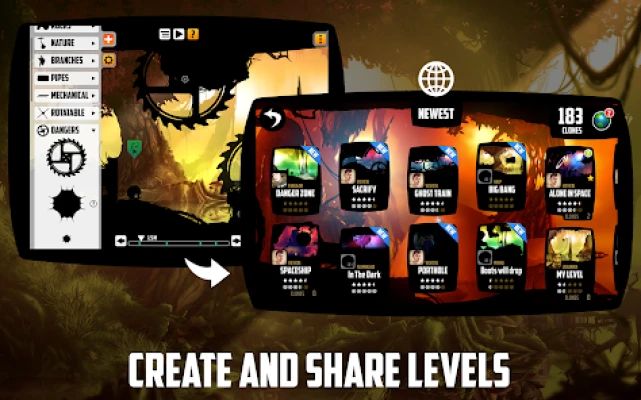
With its distinctive silhouette-based art style, immersive atmosphere, and inventive level design, BADLAND offers an adventure that feels different from a traditional platform game. Players must navigate increasingly complicated environments, survive dangerous encounters, and use special abilities and environmental objects to overcome obstacles.
What Is BADLAND?
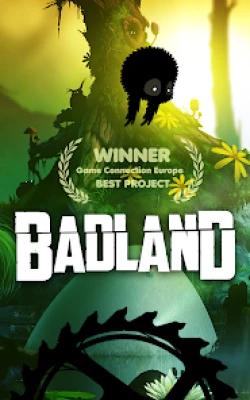
BADLAND is a side-scrolling adventure game developed by Frogmind. Its world combines beautiful forest scenery with a dark, mysterious atmosphere, creating a memorable setting for a physics-driven platforming experience.
Rather than relying on complicated controls, the game focuses on simple flying mechanics and environmental challenges. The main character moves through each stage while the surrounding world presents a series of obstacles that can quickly turn a safe passage into a dangerous situation.
The challenge comes from learning how to control movement, recognize hazards, and react before the environment becomes overwhelming. Some sections require precise timing, while others test the player's ability to adapt to changing conditions.
BADLAND is especially appealing to players who enjoy atmospheric platformers, creative level design, and games that reward patience and experimentation.
Main Features of BADLAND
1. Unique Atmospheric Visuals
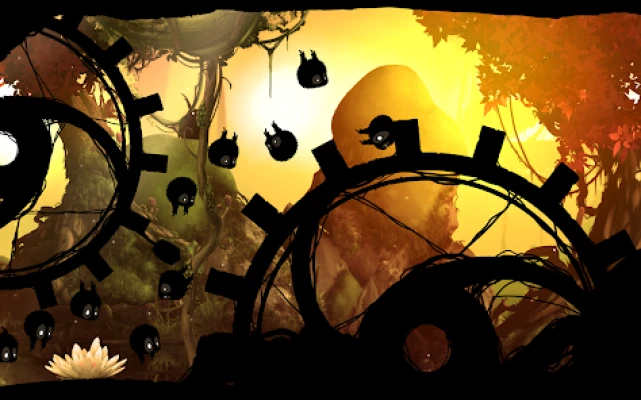
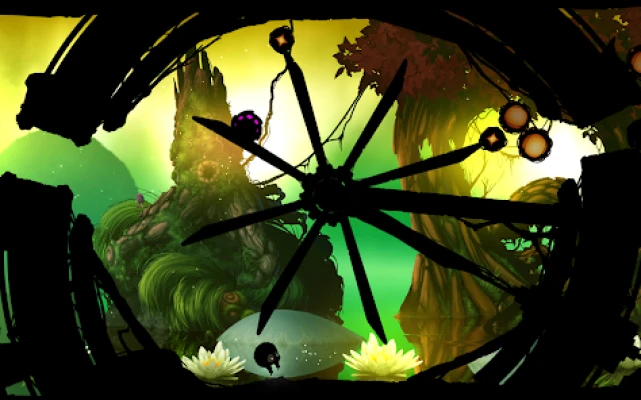
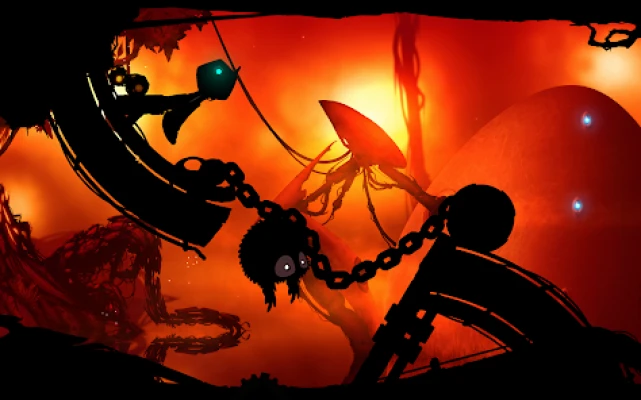
BADLAND features a distinctive visual style built around dark silhouettes, glowing backgrounds, and richly layered environments. The contrast between the foreground and background makes the world instantly recognizable while helping important hazards stand out.
2. Physics-Based Flying Gameplay
Movement is simple to learn but takes practice to master. Players must control their character carefully, balancing upward movement with gravity and adjusting their position to pass through narrow openings.
3. Dangerous Traps and Environmental Obstacles
Levels contain moving machinery, rotating hazards, narrow passages, and other environmental dangers. Each obstacle presents a different challenge, encouraging players to observe patterns and find a safe route.
4. Power-Ups and Character Transformations
Various pickups and environmental effects can change the character's size, movement, or other physical properties. These changes can help solve particular challenges, but they can also introduce new risks if used without planning.
5. Creative Level Design
BADLAND gradually introduces more demanding obstacles and combinations of hazards. The level design encourages experimentation, making progress feel rewarding when a difficult section is finally completed.
6. Multiplayer and Cooperative Fun
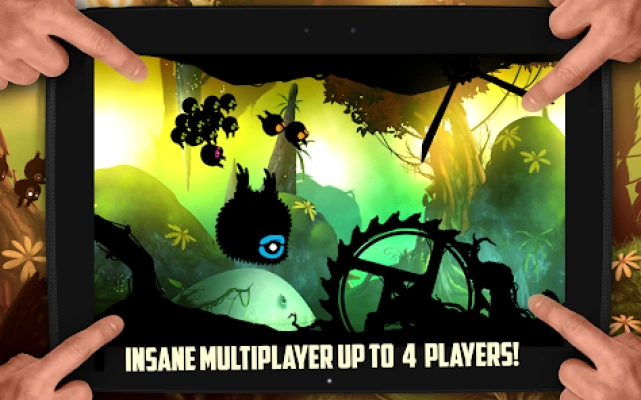
BADLAND is also known for local multiplayer features in versions that support them. Depending on the edition, players can share the experience with friends, competing to survive or working through stages together.
7. A Memorable Soundscape
Atmospheric audio complements the visual presentation. The restrained sound design helps build tension and makes the mysterious forest feel more immersive.
Gameplay Mechanics and Controls
The central objective in BADLAND is to guide your flying creature safely through each level while avoiding hazards and keeping up with the scrolling environment.
Flying and Movement
The basic control system is straightforward: press or tap to make the character rise, then release to allow gravity to pull it downward. Small adjustments are usually more effective than holding the control continuously.
Timing and Positioning
Many obstacles require the character to enter a narrow passage at exactly the right moment. Moving too early or too late can result in a collision, so observe the movement of machinery before attempting to pass.
Cloning and Character Multiplication
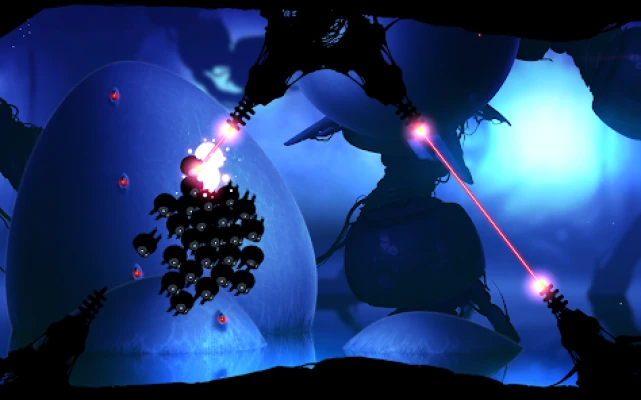
Certain gameplay effects can create additional copies of the character. Depending on the situation and level design, these copies may provide extra opportunities to progress or help you survive dangerous sections. However, more characters do not automatically mean a safer run.
Environmental Changes
Objects, switches, and special effects can alter how the character interacts with the world. Pay attention to changes in size, movement, and the surrounding environment, as these may reveal a way through an otherwise difficult obstacle.
Full BADLAND Strategy Guide
Beginner Strategy: Learn to Control Your Flight
The first important skill is learning how quickly your character rises and falls. Spend time understanding the relationship between tapping, holding, and releasing the control.
Use short, controlled inputs instead of constantly pressing the screen. This helps you maintain a stable position and makes it easier to pass through narrow spaces.
Beginner tips:
Practice controlling your height before attempting difficult passages.
Avoid making sudden movements near walls or moving machinery.
Watch the environment ahead instead of focusing only on the character.
Learn from failed attempts rather than repeating the same movement.
Keep your movements smooth when approaching small openings.
Intermediate Strategy: Read Obstacles Before Moving
As levels become more complicated, quick reactions alone may not be enough. Many hazards follow recognizable movement patterns, and understanding those patterns gives you a major advantage.
Before entering a dangerous area, identify where the obstacle moves, how much space remains open, and whether the safe route changes over time.
Intermediate tips:
Wait for moving barriers to create a suitable opening.
Approach rotating hazards slowly and adjust your position before passing.
Avoid unnecessary changes in direction during tight sequences.
Pay attention to the spacing between consecutive obstacles.
Learn which sections require immediate movement and which allow a brief pause.
Advanced Strategy: Manage Momentum and Position
Advanced sections often combine several hazards, leaving little room for mistakes. The key is to prepare for the next obstacle before leaving the current one.
Try to enter each passage at a useful height and avoid overcorrecting when you emerge. A large movement can solve one problem but leave you poorly positioned for the next.
Advanced tips:
Plan your exit position as carefully as your entry.
Use minimal adjustments when navigating narrow corridors.
Avoid rising too high when a low passage follows immediately.
Study repeated obstacle patterns and develop a consistent approach.
When a section feels impossible, experiment with a different timing or flight path.
How to Handle Narrow Passages
Narrow passages are among the most important tests of control in BADLAND. A small error can cause a collision, especially when the opening is surrounded by moving objects.
First, identify the center of the available space. Then use brief taps to align the character before moving forward. Avoid making a large correction at the last moment unless the obstacle leaves no alternative.
If the passage includes moving parts, wait until the opening is wide enough to provide a comfortable margin.
How to Survive Moving Traps
Moving traps reward observation. Watch at least one complete movement cycle when possible, then identify the safest moment to cross.
Do not assume that an opening will remain safe simply because it is clear when you approach. Some hazards close quickly, while others require you to move through several changing gaps.
The best strategy is to combine timing with controlled movement rather than relying on speed alone.
How to Use Power-Ups Effectively
Power-ups can change the way your character behaves, making some obstacles easier and others more dangerous.
Before collecting an item, consider the type of challenge immediately ahead. A change that helps with a large opening may become a disadvantage in a narrow corridor.
Size changes: Consider whether the character will still fit through upcoming gaps.
Movement changes: Adjust your timing when an effect alters flight behavior.
Cloning effects: Consider the space available for multiple characters and avoid assuming every copy will follow a safe path.
Environmental objects: Observe how nearby objects interact with your character before committing to a difficult maneuver.
Experimentation is useful, but learning how each effect influences movement will help you make better decisions on later attempts.
How to Recover After a Mistake
Not every difficult section requires a completely different strategy. Sometimes a small adjustment is enough.
If you repeatedly collide with the same obstacle, change one part of your approach at a time. Try entering slightly earlier, approaching from a different height, or using shorter control inputs.
This method makes it easier to identify what went wrong and prevents random movements from becoming a habit.
How to Improve Your Completion Rate
Consistent progress depends on combining observation, precision, and patience.
Study the level: Identify the next few hazards before entering a dangerous area.
Control your height: Make small adjustments instead of holding the control constantly.
Learn obstacle patterns: Watch moving hazards and recognize safe windows.
Use power-ups thoughtfully: Consider how each effect changes the next section.
Practice difficult sequences: Repeat challenging sections until your movements become consistent.
Avoid panic: Rushed movements often create additional problems.
Review mistakes: Change your timing or position based on what actually caused the failure.
Common BADLAND Mistakes to Avoid
Holding the Control for Too Long
Continuous input can send the character into a ceiling or another obstacle. Use controlled taps and allow gravity to help regulate your position.
Moving Without Observing the Environment
Some traps require careful timing rather than speed. Watch how the obstacle behaves before entering its path.
Ignoring the Next Obstacle
Passing one hazard does not mean the area is safe. Look ahead and prepare for the next challenge before making a large movement.
Collecting Every Power-Up Automatically
An item may be helpful in one situation and inconvenient in another. Consider the upcoming environment before collecting it whenever the game allows a choice.
Repeating the Same Failed Attempt
If the same movement keeps causing a collision, change your approach. Adjust the timing, entry height, or amount of input rather than simply trying again without a plan.
Is BADLAND Difficult?
BADLAND is easy to understand at first, but its later challenges can demand considerable precision. The controls are accessible, while the combination of physics, environmental hazards, and changing obstacles creates a meaningful learning curve.
New players may need several attempts to master particular sections. More experienced platforming fans will likely appreciate the way the game rewards careful movement and familiarity with its mechanics.
The difficulty comes primarily from environmental navigation and timing rather than complicated button combinations.
Graphics, Sound, and Atmosphere
One of BADLAND's strongest qualities is its visual identity. The dark foreground silhouettes contrast with colorful and atmospheric backgrounds, creating a world that feels both beautiful and threatening.
The forest setting is filled with strange shapes, mechanical hazards, and unusual structures. This presentation helps create a sense of discovery without relying on lengthy dialogue or conventional storytelling.
The audio reinforces the mood, allowing players to focus on movement while maintaining the feeling of exploring an unfamiliar world.
Together, the graphics, sound, and level design make BADLAND more than a basic flying platformer. Its atmosphere is an essential part of the experience.
Pros and Cons
Pros
Distinctive silhouette-based art style.
Simple controls with room for skillful play.
Creative physics-based obstacles.
Memorable atmosphere and sound design.
Challenging levels that reward practice.
Multiplayer options in supported editions.
Cons
Some obstacle sequences can require repeated attempts.
Precise movement may take time to master.
The scrolling environment can punish hesitation.
Multiplayer availability and features can vary by version.
Who Should Play BADLAND?
BADLAND is a strong choice for players who enjoy side-scrolling adventures, physics-based platformers, atmospheric worlds, and games that reward experimentation.
It may appeal especially to fans of minimalist visual design and environmental puzzles. Players looking for fast action without complicated controls may also appreciate its accessible mechanics, although the more challenging stages require patience.
If you enjoy learning obstacle patterns and improving through repeated attempts, BADLAND offers a satisfying challenge.
Frequently Asked Questions
What type of game is BADLAND?
BADLAND is a side-scrolling action-adventure platformer featuring physics-based flying, environmental hazards, and puzzle-like obstacle sequences.
Who developed BADLAND?
BADLAND was developed by Frogmind, the studio behind its distinctive atmospheric presentation and inventive level design.
How do you control the character in BADLAND?
The basic flying mechanic uses touch or button input to move the character upward, while releasing the control allows gravity to pull it down. Exact controls depend on the platform and edition.
What is the best beginner tip for BADLAND?
Use short, controlled inputs and learn how your character responds before entering narrow passages. Observing obstacles before moving is often more effective than rushing forward.
Does BADLAND have multiplayer?
BADLAND is known for multiplayer modes in supported versions. Check the specific edition to confirm which local multiplayer features are available.
Is BADLAND suitable for casual players?
Yes. The basic controls are easy to understand, so players can begin quickly. However, some stages require careful timing and repeated practice.
Why do players fail in BADLAND?
Common causes include poor flight control, mistimed movements, collisions with environmental hazards, and failing to prepare for the next obstacle.
Is BADLAND worth playing?
Players who enjoy atmospheric platforming, creative obstacle design, and skill-based progression may find BADLAND a rewarding experience.
Final Verdict
BADLAND combines simple flying controls with creative level design, challenging hazards, and an unforgettable visual atmosphere. Its greatest strength is the way it turns basic movement into a series of increasingly demanding survival challenges.
With patience, careful observation, and precise control, players can gradually overcome its trickiest sections. Whether you are discovering the game for the first time or returning to improve your performance, BADLAND offers a distinctive platforming adventure that rewards persistence and thoughtful play.
Rate the Game
User Reviews











Popular Games

















 Android
 iOS
iOS Windows
 Xbox
Xbox