

Latest Version
October 04, 2026
Nazara Publishing
Action
0
com.zeptolab.thieves.google
Report a Problem
More About :game
King of Thieves is a distinctive combination of arcade platforming, dungeon defense and asynchronous multiplayer competition.
The basic idea is simple:
Steal from other players while protecting your own treasure.
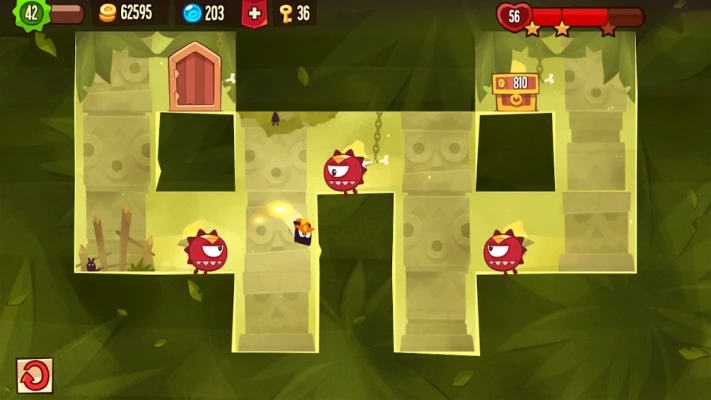
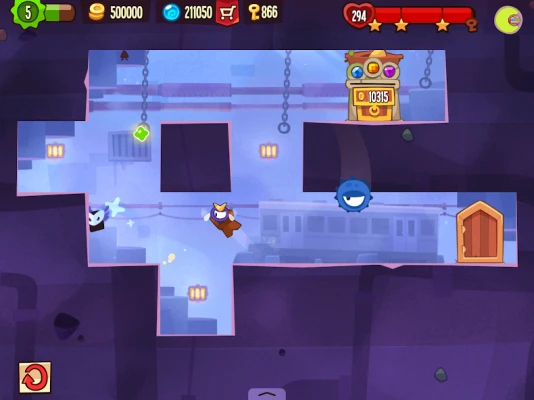
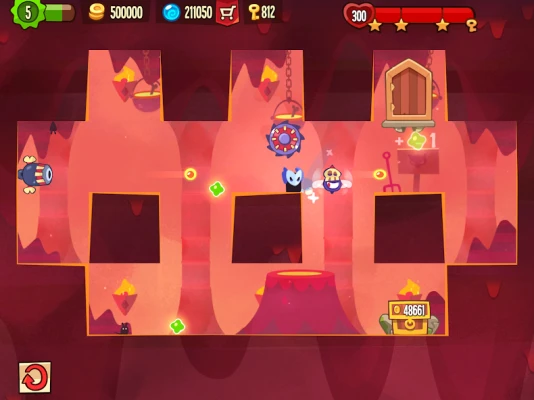
When raiding another dungeon, you need to navigate platforms, avoid traps and reach the treasure. When you're defending your own dungeon, you reverse the process by creating a difficult route filled with traps and obstacles.
That creates a clever gameplay loop:
Raid → collect treasure → improve your thief → build defenses → protect your loot → raid again.
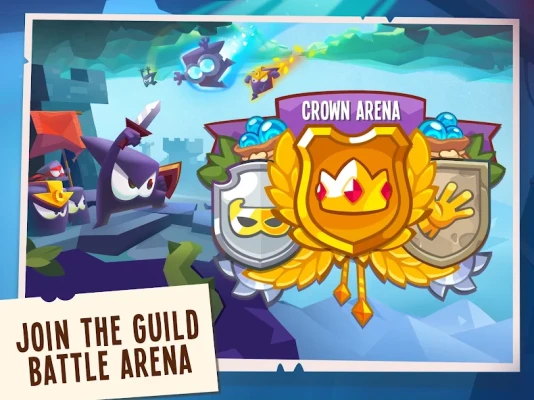
The current Google Play listing describes the game as a multiplayer PvP experience with guilds, Arenas, spells, dungeon construction, a Throne progression system and user-generated content.
How King of Thieves Gameplay Works
The thief automatically moves through the dungeon, while your main job is controlling jumps and movement.
This sounds simple, but the difficulty comes from timing.
A single mistake can send your thief into a trap.
You therefore need to learn:
Jump timing
Wall movement
Trap patterns
Platform positioning
Gravity changes
Momentum
Enemy dungeon layouts
Safe landing locations
The controls are intentionally simple, but mastering difficult dungeons requires considerably more precision.
The Most Important Skill: Timing
Don't rush every jump.
Before moving, take a moment to understand what is happening around your character.
Look for:
Rotating traps
Moving obstacles
Spikes
Platforms
Gravity-changing objects
Narrow landing zones
The next safe position
A successful run often comes from waiting for the correct moment rather than moving as quickly as possible.
How to Navigate Enemy Dungeons
When you enter another player's dungeon, your objective is to reach the treasure without losing your attempt.
Don't assume that the obvious route is safe.
Player-created dungeons are designed specifically to catch other players.
Before Each Difficult Section
Ask yourself:
Where will I land?
What happens immediately after I land?
Can I safely change direction?
Is the trap triggered by movement or timing?
Thinking one step ahead prevents many unnecessary failures.
Learn the Wall Jump
Wall movement is one of the most important techniques in King of Thieves.
When your thief reaches a wall, you can use the wall to redirect movement and continue through the dungeon.
Mastering this gives you much more control over difficult sections.
Practice Wall Movement
Start with simple dungeons.
Focus on:
Approaching the wall.
Timing your jump.
Understanding the rebound.
Controlling your next landing.
Repeating the movement without hesitation.
Once wall movement becomes automatic, more complicated dungeon layouts become much easier.
How to Handle Traps
Traps are the heart of dungeon defense.
A trap isn't necessarily dangerous because it deals a lot of damage.
Sometimes its real purpose is to force you into another trap.
For example:
Trap A → forces movement → Trap B → removes your escape route.
When analyzing a dungeon, don't look at traps individually.
Look at the entire sequence.
Common Trap Patterns
Spikes
Spikes punish poorly timed jumps.
Don't jump simply because you can.
Wait for the correct opening.
Moving Traps
Moving obstacles require patience.
Watch their movement pattern before committing.
Rotating Obstacles
The safe opening may only exist for a brief moment.
Learn the rotation rather than trying to react randomly.
Gravity Mechanics
Gravity-changing elements can completely alter your movement.
Don't treat them like ordinary platforms.
As soon as gravity changes, mentally reset your movement plan.
How to Beat Difficult Dungeons
The biggest mistake is repeatedly attempting the same route without changing your approach.
If you fail at exactly the same location several times, stop and analyze the section.
Ask:
Am I jumping too early?
Am I jumping too late?
Am I entering at the wrong angle?
Am I moving too quickly?
Is there a safer landing position?
Does the previous trap affect the next jump?
Small timing changes can completely change the result.
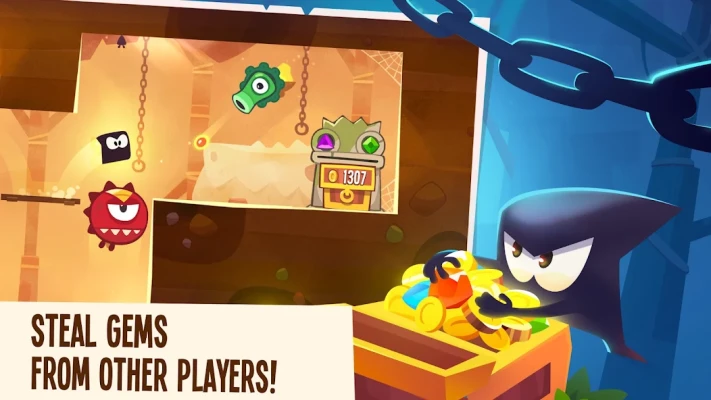
Gem-Stealing Strategy
Gems are one of the central progression resources in King of Thieves.
The game encourages players to raid other dungeons and collect gems and gold to build their wealth.
But don't judge a raid only by the value of the gem.
Consider the risk versus reward.
A very valuable target is not necessarily worthwhile if the dungeon is extremely difficult.
Choosing Which Dungeon to Raid
When several targets are available, consider:
Gem Value
How much can you gain?
Dungeon Difficulty
How likely are you to complete it?
Your Current Skill
Can your current abilities handle the layout?
Potential Reattempts
A difficult dungeon may consume more attempts and time.
The best target is often the dungeon offering a strong balance between reward and reliability.
Don't Become Obsessed With One Gem
A common mistake is repeatedly attempting an extremely difficult dungeon simply because its gem is valuable.
If the layout clearly counters your current skill level, move on.
Efficient progression is about accumulating rewards consistently.
Building Your Own Dungeon
Defending your treasure is just as important as stealing from others.
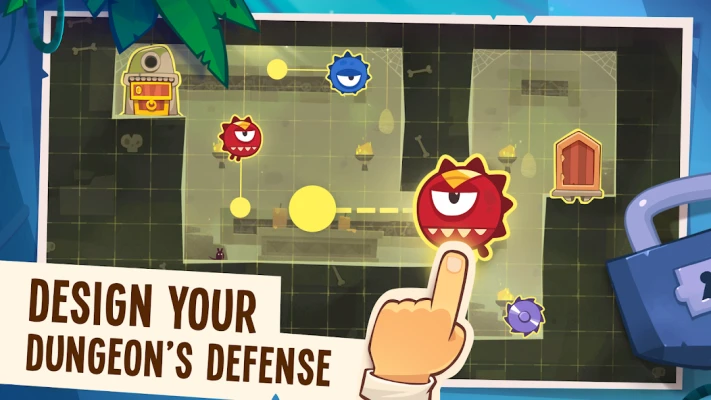
The current game lets players design dungeon defenses by placing traps and platforms to make their treasure difficult to reach.
A strong dungeon should not simply contain random traps.
It should create a chain of decisions.
How to Design a Better Dungeon
1. Create Rhythm
Don't put every trap in the same location.
Vary the timing.
2. Force Movement
A good trap can push the thief toward a dangerous area.
3. Hide the Real Threat
Make the player concentrate on one obstacle while another threat approaches.
4. Control Landing Zones
Landing exactly where you want the attacker to land is a powerful defensive principle.
5. Avoid Obvious Patterns
If the route becomes predictable, experienced players will learn it.
The Best Dungeon Defense Principle
Think like an attacker.
After creating your dungeon, ask:
If I had never seen this before, where would I expect to land?
Then place your defenses around that expectation.
The strongest dungeon layouts often exploit natural player instincts.
Test Your Own Dungeon
Never assume a dungeon is difficult just because it looks complicated.
Try completing it yourself.
If you can repeatedly pass it with little effort, it may not be strong enough against experienced players.
At the same time, making a dungeon nearly impossible isn't necessarily better.
The objective is to create an effective defense that takes advantage of timing and mistakes.
Ancient Spells
Spells add another strategic layer to progression.
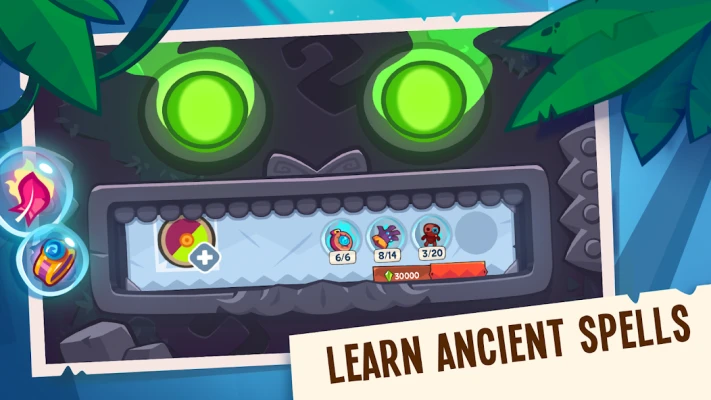
The game allows players to collect unique gems from magical spheres, learn ancient spells and use the power of the Ancient Totem.
Instead of thinking of spells as simple bonuses, think about how they fit your overall progression.
A spell can become particularly useful when it addresses a weakness in your current playstyle.
How to Use Spells Wisely
Don't spend valuable resources immediately just because you unlock something new.
First consider:
What does the spell improve?
Does it help your preferred playstyle?
Will it make difficult raids easier?
Does it improve your long-term progression?
Is another upgrade more valuable right now?
Prioritize improvements that solve actual problems you're experiencing.
The Throne System
The Throne is an important part of long-term progression.
The game allows players to upgrade their Throne to improve their thief skills and compete for higher positions on the leaderboards.
This makes the Throne more than a cosmetic feature.
It contributes directly to your overall development.
General Throne Strategy
Don't neglect your Throne while focusing exclusively on dungeon raids.
Your long-term progression depends on steadily improving your thief.
Guilds and Guild Wars
Guilds add a major multiplayer layer to King of Thieves.
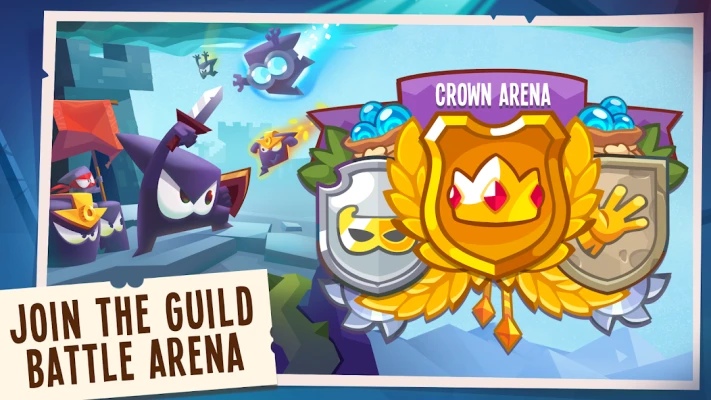
You can join other thieves and compete against rival guilds in Arenas and guild wars.
A good guild can make the game much more enjoyable because progression becomes a team activity.
What Makes a Good Guild?
Look for players who:
Participate regularly
Understand dungeon mechanics
Contribute to guild activities
Communicate
Help newer members
Take Arena competition seriously
Arena Strategy
Arena battles require a different mindset from normal dungeon raiding.
Instead of concentrating exclusively on your own progression, consider the performance of your guild.
A successful guild should coordinate its strongest players and maximize participation.
Don't waste valuable attempts simply because you want to play immediately.
How to Help Your Guild
Even if you're not the strongest thief, you can contribute by being consistent.
Focus on:
Completing available activities
Improving your dungeon
Developing your thief
Participating in guild events
Learning difficult layouts
Sharing useful strategies with guildmates
Consistency is extremely valuable in team-based progression.
Single-Player Levels
King of Thieves also includes 112 single-mode levels, providing a structured way to practice your movement and platforming skills.
These levels are useful because they let you practice without relying entirely on unpredictable player-created dungeons.
Use them to improve:
Jump timing
Wall movement
Reaction speed
Trap recognition
Movement precision
User-Generated Dungeons
After becoming comfortable with the standard gameplay, user-created dungeons provide a much bigger challenge.
The layouts can be significantly more creative because they are built by other players.
This is also where learning to analyze dungeon design becomes especially important.
You aren't simply learning game mechanics anymore.
You're learning how other players think.
Advanced Dungeon-Reading Technique
When entering a new dungeon, don't immediately focus on the treasure.
Instead, identify the movement sequence.
For example:
Jump → wall → redirect → platform → trap → gravity change → final jump
Once you recognize the sequence, the dungeon becomes a series of smaller problems rather than one overwhelming challenge.
How to Improve Your Reaction Time
Reaction speed helps, but anticipation is even more important.
Experienced players don't necessarily react faster to every trap.
They often recognize what is about to happen.
You can improve this by:
Watching trap movement
Learning repeated patterns
Studying failed attempts
Predicting landing positions
Practicing the same difficult section
Eventually, many movements become automatic.
Don't Panic After a Mistake
A small mistake doesn't always mean the run is over.
Sometimes you can recover by changing your next movement.
Avoid immediately making another jump simply because your previous one went wrong.
Take control of the situation.
Best Beginner Progression Strategy
If you're starting King of Thieves today, use this progression path.
Stage 1 — Learn Movement
Practice jumps and wall movement.
Stage 2 — Complete Single-Player Content
Use the 112 single-mode levels to improve your fundamentals.
Stage 3 — Start Raiding
Choose manageable dungeons rather than immediately targeting the most valuable treasure.
Stage 4 — Build Your Defense
Create a dungeon that uses traps intelligently.
Stage 5 — Develop Your Thief
Improve your Throne and learn spells.
Stage 6 — Join a Guild
Start participating in Arena and guild activities.
Stage 7 — Master Player-Created Dungeons
Learn to recognize patterns and predict trap sequences.
Common Mistakes New Players Make
Trying to Move Too Fast
Speed doesn't help if you repeatedly fall into traps.
Ignoring the Landing
The jump itself isn't the important part.
Where you land is.
Repeating the Same Failed Attempt
Change your timing or approach.
Building Random Defenses
A dungeon needs a coherent trap sequence.
Ignoring Progression
Raiding alone isn't enough. Develop your thief and Throne.
Joining a Guild Without Participating
Guild progression works best when members contribute.
Chasing Every Valuable Gem
Choose targets based on both reward and difficulty.
Advanced Strategy: Think Like a Thief
The best raiders learn to predict the dungeon designer.
Ask:
Why was this platform placed here?
Why is there an unusually large gap?
Why does this trap appear before that platform?
Often, the answer reveals the intended danger.
A suspiciously convenient platform may be exactly where the dungeon designer expects you to land.
Advanced Strategy: Think Like a Dungeon Designer
When defending your own treasure, ask:
What will the attacker expect?
If the obvious route appears safe, create a reason for the player to commit to it before revealing the real danger.
This psychological layer is what makes the dungeon-building system much deeper than simply placing obstacles everywhere.
Progression and Resource Management
King of Thieves is a long-term progression game.
You'll constantly have choices about where to invest your resources.
Avoid upgrading everything simultaneously.
Instead, identify your biggest weakness.
If you frequently fail raids:
Improve your thief and movement skills.
If your dungeon is constantly being defeated:
Redesign your defensive layout.
If your progression feels slow:
Focus on efficient treasure targets and regular activities.
Current Events and Seasonal Content
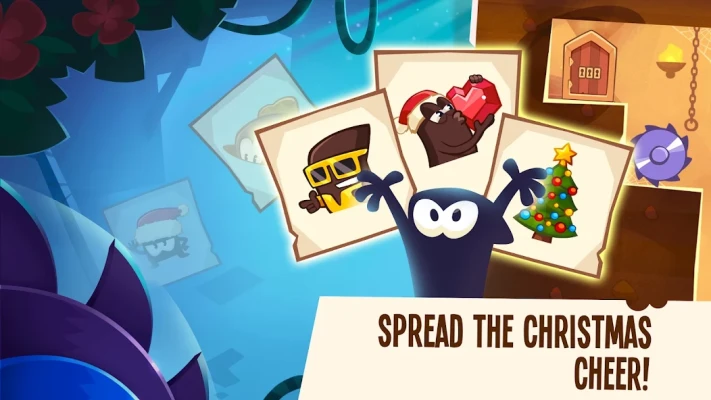
The current Google Play listing continues to show rotating events and offers, including Mystic Realm, a new Thief Pass season and Catacombs-related activities.
Because these events rotate, their exact rewards and availability can change.
For that reason, treat the in-game event screen as the final authority when planning your current progression.
Ads and In-App Purchases
King of Thieves is free to play but currently contains advertisements and in-app purchases. Google Play also labels its purchases as potentially including random items.
Recent player feedback includes criticism about the increased presence of advertising and purchase prompts compared with earlier versions of the game.
This is worth mentioning for returning players who remember an older version of the game.
Game Information
| Feature | Details |
|---|---|
| Game | King of Thieves |
| Developer/Publisher | Nazara Publishing |
| Original Developer | ZeptoLab |
| Genre | Action / Platformer / Strategy |
| Main Gameplay | Dungeon Raiding & Defense |
| Multiplayer | Yes |
| PvP | Yes |
| Guilds | Yes |
| Guild Wars | Yes |
| Arenas | Yes |
| Single-Player Levels | 112 |
| User-Generated Content | Yes |
| Spells | Yes |
| Throne Progression | Yes |
| Custom Dungeon Defense | Yes |
| Platforms | Android, Windows |
| Ads | Yes |
| In-App Purchases | Yes |
| Downloads | 10M+ |
| Google Play Rating | About 4.2/5 |
| Reviews | About 1.28 million |
The current Google Play listing shows 10M+ downloads and approximately 1.28 million reviews, with a rating around 4.2 stars. It lists Android and Windows availability and categorizes the game as action, platformer, casual and competitive multiplayer.
Pros and Cons
Pros
Original combination of platforming and PvP
Fun dungeon-raiding concept
Player-created dungeon defenses
Large number of single-player levels
Guild wars and Arena competition
Gem collection and progression
Spells add strategic depth
Throne progression
Strong replay value
Easy controls with a high skill ceiling
Cons
Ads can interrupt the experience
In-app purchases are prominent
Some player feedback criticizes monetization
Difficult player-created dungeons can be frustrating
Progression can become grind-heavy
New players may need time to understand advanced dungeon layouts
Frequently Asked Questions
What is King of Thieves?
King of Thieves is a multiplayer platformer where you steal gems from other players' dungeons while designing your own dungeon defenses.
Is King of Thieves multiplayer?
Yes. The game features competitive multiplayer, guilds, Arenas and dungeon raids against other players.
Can I build my own dungeon?
Yes. You can design dungeon defenses using traps and platforms to make your treasure harder for other players to steal.
How many single-player levels are there?
The current listing advertises 112 single-mode levels.
Can I join a guild?
Yes. Guilds allow players to cooperate and compete against rival guilds in Arena-based competition.
What is the Throne?
The Throne is part of the game's progression system. Upgrading it improves thief skills and contributes to competitive progression.
Are there spells?
Yes. Players can collect gems from magical spheres, learn ancient spells and use the Ancient Totem.
Is King of Thieves free?
Yes. The game is free to play, but it contains advertisements and optional in-app purchases.
Can I play King of Thieves on PC?
Yes. The current Google Play listing indicates availability on Android and Windows, including Google Play Games on PC.
What is the best strategy for stealing gems?
Learn the dungeon before rushing, study trap timing, control your jumps carefully and choose targets that offer a reasonable balance between gem value and difficulty.
How do I make a good dungeon defense?
Create a route that controls where the attacker lands and combine traps so that one obstacle creates the setup for another. Test your own dungeon before publishing it.
Final Verdict
King of Thieves remains one of the more unusual multiplayer mobile games because it combines three ideas that don't normally appear together: precision platforming, dungeon defense and competitive treasure stealing.
The game's strongest feature is the interaction between offense and defense. Every time you learn how to beat another player's trap layout, you also learn something about how your own dungeon could be improved.
The best players don't simply jump faster. They read the dungeon, predict the next movement, understand trap combinations and learn from failed attempts.
If you enjoy platform games, PvP competition, dungeon-building, trap mechanics, guild wars and collecting treasure, King of Thieves offers a substantial amount of content and replayability.
For beginners, the best approach is to master movement first, use the 112 single-player levels for practice, raid manageable dungeons, gradually improve your Throne and then move into guild and Arena competition.
Rate the Game
User Reviews












Popular Games



















 Android
 iOS
iOS Windows
 Xbox
Xbox