



Latest Version
October 22, 2026
Lion Studios
Racing
0
com.whitesquare.animaltransform
Report a Problem
More About :game
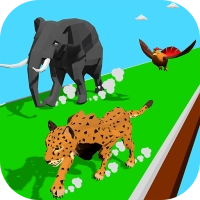
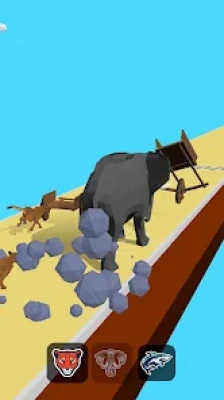
Animal Transform: Epic Race 3D puts a creative twist on traditional racing games by making animal transformation the central gameplay mechanic. Instead of relying exclusively on speed, players must identify upcoming obstacles and select the animal best equipped to handle them.
The race takes place across obstacle-filled tracks that can include land sections, water passages, climbable walls, and barriers that require special strength or movement abilities. Choosing the wrong animal can slow your progress and allow opponents to move ahead, while a well-timed transformation helps you maintain momentum.
The game is designed for quick, accessible sessions. Its straightforward controls make it easy for beginners to understand, but winning consistently requires observation, anticipation, and an understanding of each animal's strengths.
Main Features of Animal Transform: Epic Race 3D
Fast-Paced Animal Racing
Every race challenges you to move quickly and make decisions under pressure. You must pay attention to the track, recognize changes in the environment, and select the appropriate animal before reaching an obstacle.
Multiple Animals With Unique Abilities
The game features several animal forms, each designed for a particular type of terrain or challenge. Learning how these abilities work is essential for completing courses efficiently.
Varied Obstacles and Environments
Different sections of the track demand different movement styles. You may need to run across solid ground, break through barriers, climb vertical surfaces, swim through water, or fly across open spaces.
Simple and Accessible Controls
The controls are easy to learn, allowing players to concentrate on animal selection and obstacle timing rather than complicated movement combinations.
Colorful 3D Graphics
The game uses animated 3D characters and environments to make transformations and racing challenges visually engaging.
Progressive Racing Challenges
As you advance, new obstacle combinations and track layouts test your ability to switch animals quickly and adapt your strategy.
Understanding Every Animal and Its Abilities
Knowing which animal to choose is the foundation of success in Animal Transform: Epic Race 3D. Each form has a specific purpose, and understanding those differences helps you avoid unnecessary delays.
Cheetah – The Best Choice for Land Racing
The cheetah is built for speed on land. It is the preferred choice for open running sections where you need to cover distance quickly and maintain an advantage over your opponents.
Use the cheetah when the track provides a clear land route without obstacles that require another animal's special ability. Switch to it as soon as you leave a section that demands swimming, climbing, flying, or breaking through a barrier.
The most common mistake is staying in a slower or unsuitable animal form after the terrain has changed. Returning to the cheetah promptly helps you recover lost ground.
Elephant – The Strongest Option for Heavy Obstacles
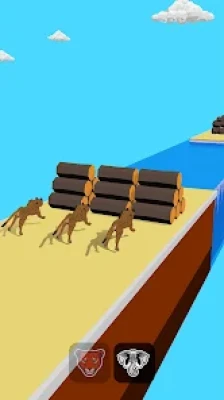
The elephant is useful when the course contains barriers that need to be smashed or pushed through. Its strength allows it to handle obstacles that would slow down an animal designed mainly for speed.
Transform into the elephant before reaching a heavy barrier. Switching too late may cost valuable time, especially when an opponent is approaching the same obstacle.
Once the barrier has been cleared, check the terrain ahead. If the next section is open ground, switch back to the cheetah rather than continuing with an animal that is less suited to rapid running.
Shark – The Essential Animal for Water Sections
The shark is the ideal choice for underwater or water-based sections of the race. It moves efficiently through water, helping you maintain speed where land animals are unsuitable.
Watch for water entrances and prepare to transform before reaching the transition point. Waiting until you are already struggling in the water can give competitors a significant advantage.
After passing through the water, switch to the animal required by the next section. The shark's usefulness depends on the environment, so avoid using it on ordinary land stretches when the cheetah is available.
Monkey – The Best Animal for Climbing Walls
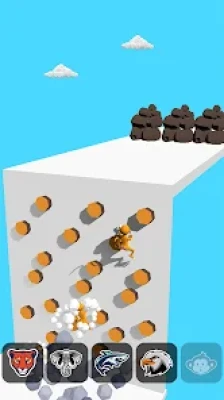
The monkey is designed to handle climbable walls and vertical sections. Its climbing ability helps you overcome obstacles that cannot be crossed efficiently through ordinary running.
Choose the monkey when you see a wall or climbing route ahead. Anticipating the obstacle is particularly important because a late transformation can interrupt your momentum.
After reaching the top, immediately assess the next part of the track. Return to a faster animal for open ground or choose another specialized form if a new obstacle is approaching.
Eagle – The Right Choice for Aerial Sections
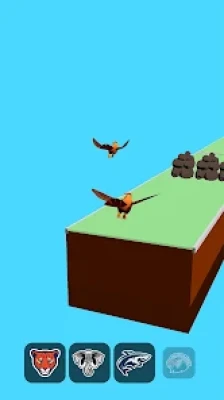
The eagle is suited to flying through the air and crossing sections that require aerial movement. It is especially useful when the track includes gaps or airborne routes that cannot be handled effectively by a ground-based animal.
Switch to the eagle before entering an aerial section. Look beyond the immediate obstacle so you can prepare for the landing and the next terrain change.
Once you return to the track, select the animal that matches the surface ahead. A quick transition after landing helps you preserve speed and avoid unnecessary delays.
Complete Beginner's Guide to Playing Animal Transform: Epic Race 3D
Learn the Basic Controls
Start by understanding how the game presents animal choices and how you switch between them. The exact interface can vary by version, but the main objective remains the same: select the correct animal for the upcoming obstacle.
During your first few races, focus on identifying terrain changes rather than trying to beat every opponent immediately. Learning the relationship between animals and obstacles makes later races easier.
Study the Track Before Making Decisions
Pay attention to the shape and type of the next obstacle. Water suggests the shark, climbing walls call for the monkey, heavy barriers favor the elephant, open land suits the cheetah, and aerial sections require the eagle.
You do not need to memorize every course. Instead, develop the habit of looking ahead and matching each obstacle with the appropriate ability.
Transform Before Reaching the Obstacle
One of the most useful skills is changing animals before the current terrain ends. Early transformations allow you to enter the next section ready to move at full efficiency.
Avoid waiting until your character is directly in front of a barrier or already entering the water. Anticipation gives you more time to react and reduces the chance of selecting the wrong animal under pressure.
Focus on Consistent Progress
Beginners sometimes change animals too frequently without considering whether the terrain actually requires it. Every transformation should have a clear purpose.
Use the cheetah for suitable land stretches and switch to a specialized animal when the environment demands it. A simple, deliberate approach is often more effective than making hurried changes.
Learn From Every Race
If you lose a race, identify where your progress slowed down. Consider whether you selected the wrong animal, transformed too late, or failed to prepare for a terrain change.
Use that information in the next attempt. Small improvements in timing and recognition can make a noticeable difference over repeated races.
Advanced Strategies for Winning More Races
Anticipate Obstacles Instead of Reacting at the Last Second
The strongest players do not wait until an obstacle becomes unavoidable. They observe the upcoming section and prepare the required animal in advance.
For example, if an open running section leads directly into water, prepare to switch from the cheetah to the shark before entering the water. This approach reduces hesitation and helps maintain a smooth pace.
Prioritize the Correct Animal Over Temporary Speed
Choosing the fastest animal does not always produce the fastest result. A cheetah may be excellent on land, but it cannot replace the elephant when a barrier needs to be destroyed or the monkey when a wall must be climbed.
Think of every transformation as a response to the environment. The best choice is the animal that can handle the next challenge efficiently, not necessarily the one with the highest running speed.
Use the Terrain to Plan Your Next Move
Do not focus exclusively on the obstacle directly in front of you. Whenever possible, inspect the following section as well.
If a wall is followed by open land, prepare to switch from the monkey to the cheetah immediately after climbing. If a water section leads into another specialized obstacle, anticipate the next transformation before leaving the water.
Planning one step ahead makes your movements more deliberate and reduces unnecessary delays.
Avoid Unnecessary Transformations
Changing animals without a clear reason can make it harder to react to genuine obstacles. Keep your current form when it remains suitable for the terrain, and transform when the environment requires a different ability.
This strategy is particularly useful during longer sequences in which several obstacles appear close together.
Maintain a Steady Rhythm
Rushing every decision can lead to mistakes, while hesitating too long can cost you the race. Aim for a consistent rhythm: observe the next obstacle, select the appropriate animal, cross the section, and prepare for what follows.
With practice, this sequence becomes more natural and allows you to respond faster without making random choices.
Recover Quickly After a Mistake
If you select the wrong animal, concentrate on correcting the choice as soon as possible. Avoid making several hurried transformations in a row without checking the terrain.
A single mistake does not necessarily mean the race is lost. Correcting it promptly and handling the remaining obstacles efficiently can help you regain your position.
Best Animal Transformation Strategies for Different Obstacles
Open Roads and Flat Ground
Use the cheetah whenever the course offers a clear running path. Its land speed makes it the natural choice for covering distance quickly.
Keep an eye on the next obstacle so you can leave the cheetah behind before entering a section that requires another ability.
Heavy Barriers and Destructible Objects
Choose the elephant before reaching barriers that require strength. Allow it to perform the task for which it is suited, then return to a faster animal when the track opens up.
Do not assume that every obstacle can be handled by brute force. Look at the route and select the animal that matches the specific challenge.
Rivers, Pools, and Underwater Routes
Switch to the shark when the track enters water. Prepare before the transition and remain alert for the exit, where a different animal may be needed.
The most effective approach is to treat the water section as a temporary specialized stage rather than staying in the shark form for the entire race.
Climbing Walls and Vertical Obstacles
Select the monkey before reaching climbable surfaces. Watch the top of the wall and be ready for the next section as soon as the climb is complete.
Switching back to a land animal after the obstacle can prevent you from losing time on a surface where climbing ability is no longer necessary.
Gaps and Aerial Sections
Use the eagle when the course requires flight. Identify the entry point and prepare for the transition back to the track.
After crossing the aerial section, immediately check the landing area. The correct next animal depends on whether you land on open ground, enter water, encounter a barrier, or approach a climbing section.
Common Mistakes to Avoid
Choosing an Animal Based Only on Speed
Fast movement is useful, but every animal has a specific role. Using the cheetah for an obstacle that requires another form can slow you down more than selecting the appropriate animal from the beginning.
Waiting Too Long to Transform
Late changes are among the easiest mistakes to make. If you wait until you reach an obstacle, you may lose valuable time or fail to cross it efficiently.
Look ahead and prepare for terrain changes before they arrive.
Forgetting to Switch Back After an Obstacle
Specialized animals are valuable for particular tasks, but they are not always the best option for the next section. Return to the cheetah for suitable land stretches and choose another animal when the terrain changes again.
Making Random Transformations
Repeatedly switching animals without considering the track creates unnecessary confusion. Each transformation should correspond to a visible obstacle or an approaching terrain change.
Focusing Only on Your Opponents
Watching the competition can be useful, but the course should remain your main priority. A rival's position matters less than selecting the right animal to cross the next obstacle.
Concentrate on your route and allow efficient transformations to improve your racing performance.
Ignoring Performance Problems
If the game stutters, freezes, or fails to respond to controls, your timing may suffer. Closing unnecessary background applications and restarting the game can help with some performance issues.
If a level appears broken or your character becomes trapped, restarting the level or checking for an available game update may help.
Tips for Progressing Through More Levels
Build Your Skills Gradually
Use early races to become familiar with each animal's role. Once you understand the basic transformations, focus on improving the timing of your decisions.
A strong foundation makes unfamiliar obstacle combinations easier to handle.
Recognize Repeating Patterns
Although individual courses may differ, the same basic animal abilities remain useful across many situations. Learn to recognize common patterns, such as land followed by water or climbing followed by open ground.
Recognizing these combinations helps you prepare the next transformation before it becomes urgent.
Stay Flexible on Unfamiliar Tracks
Do not assume every new level follows the same sequence as the previous one. Watch the actual course and adapt to the obstacles you encounter.
Your knowledge of animal abilities should guide your choices, while the track determines when to use them.
Keep Your Attention on the Next Transition
The moment between two different environments is often where a race is won or lost. Practice noticing these transitions early and changing animals without unnecessary hesitation.
Over time, this habit improves consistency across a wider range of courses.
How to Improve Your Reaction Time
Reaction time improves through practice, but recognizing familiar situations is just as important as moving quickly.
Begin by focusing on one decision at a time. Identify the next obstacle, remember the animal associated with it, and make the transformation before entering the section.
As you become more comfortable, expand your attention to include the obstacle after the next one. This gradually builds your ability to plan ahead without losing track of the current challenge.
It can also help to keep your attention on the center of the racing path instead of repeatedly looking away from the course. Familiarity with the interface and a comfortable playing position can make quick decisions easier.
Is Animal Transform: Epic Race 3D Suitable for Casual Players?
Animal Transform: Epic Race 3D is a good option for players who enjoy short racing challenges, simple controls, and light strategy. Its central mechanic is easy to understand, so newcomers can start playing without learning complicated combinations.
The animal abilities add variety to the racing experience, giving players a reason to pay attention to the environment instead of simply moving forward. The combination of accessible gameplay and quick decisions makes it suitable for brief gaming sessions.
However, players who prefer extensive storylines, detailed vehicle customization, or complex racing simulations may find its straightforward obstacle-racing format relatively simple.
Graphics, Sound, and Overall Gameplay Experience
The game uses colorful 3D environments and animated animal transformations to give each race a distinct visual identity. Seeing the character change to match the terrain is central to the experience and helps communicate the game's main mechanic.
The short races keep the action moving, while the variety of obstacles encourages players to stay alert. The overall experience emphasizes timing and choosing the right animal rather than mastering complicated controls.
As with many free mobile games, advertisements and optional in-app purchases may be present. Their frequency and availability can vary by version and device.
Frequently Asked Questions
What Is Animal Transform: Epic Race 3D?
Animal Transform: Epic Race 3D is a 3D racing game in which players transform into different animals to overcome obstacles and compete against rivals. Success depends on matching each animal's ability to the terrain.
Who Developed Animal Transform: Epic Race 3D?
The game is published by Lion Studios and is available for Android devices through Google Play.
Which Animal Is the Fastest on Land?
The cheetah is the preferred animal for fast movement across suitable land sections.
Which Animal Can Break Through Obstacles?
The elephant is used to smash through barriers that require strength.
Which Animal Should I Use in Water?
The shark is designed for water sections and is the best choice when the track requires swimming.
How Do I Climb Walls?
Switch to the monkey before reaching a climbable wall. Its climbing ability helps you overcome vertical obstacles.
When Should I Use the Eagle?
Choose the eagle for aerial sections where flying is necessary to cross the route.
What Is the Best Strategy for Winning Races?
Look ahead, identify the next obstacle, and transform into the appropriate animal before reaching it. Avoid unnecessary changes and return to the cheetah when the terrain allows fast land movement.
Why Do I Keep Losing Races?
Common reasons include selecting the wrong animal, reacting too late, remaining in a specialized form after an obstacle, or failing to anticipate the next terrain change. Focus on correcting these habits one at a time.
Can Beginners Enjoy Animal Transform: Epic Race 3D?
Yes. The controls are simple, and the main challenge is learning which animal to use in each situation. Beginners can improve steadily by practicing obstacle recognition and transformation timing.
Does Animal Transform: Epic Race 3D Have Many Levels?
The game offers numerous racing challenges, with different obstacle arrangements that test your ability to adapt. The exact level progression can vary by game version.
Is Animal Transform: Epic Race 3D Free to Play?
The Android version is listed as free to download and includes advertisements and optional in-app purchases. Availability and purchase options may vary by region.
Final Thoughts on Animal Transform: Epic Race 3D
Animal Transform: Epic Race 3D delivers an accessible racing experience built around a simple but engaging idea: use the right animal to overcome each obstacle. The cheetah provides speed on land, the elephant handles heavy barriers, the shark navigates water, the monkey climbs walls, and the eagle tackles aerial sections.
The key to winning is not simply transforming as quickly as possible. It is recognizing what lies ahead, selecting the correct animal before reaching the obstacle, and preparing for the next terrain change. By learning each animal's strengths, avoiding unnecessary transformations, and practicing consistent timing, players can improve their performance and approach each new race with greater confidence.
Whether you are trying the game for the first time or looking for ways to beat more opponents, a combination of quick reactions and thoughtful animal selection will help you get more out of every race.
Rate the Game
User Reviews









Popular Games



















 Android
 iOS
 Windows
 Xbox