

Latest Version
June 19, 2026
Winchange Limited
Role Playing
iOS
0
Report a Problem
More About :game
Shelter War: Zombie Survival – Complete Guide, Strategies and Walkthrough
What Is Shelter War: Zombie Survival?
Shelter War: Zombie Survival is a survival strategy game that blends city-building, resource management, hero progression, and tactical combat into a single experience.
Instead of controlling one character, you become an Overseer responsible for an entire underground civilization.
Your objectives include:
- Building a massive bunker
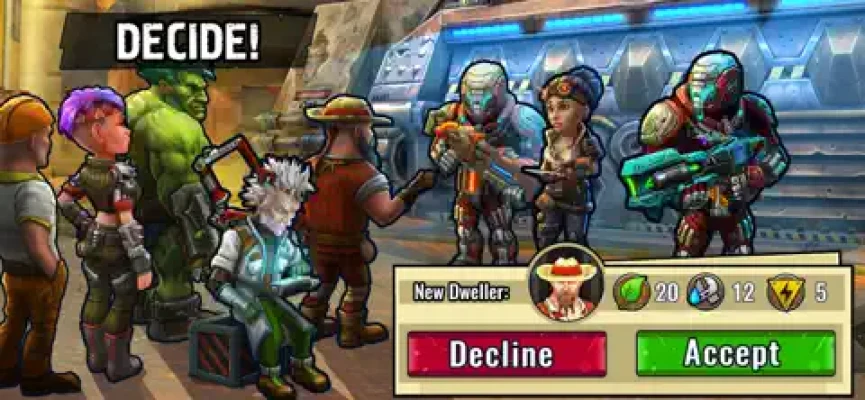
- Recruiting survivors
- Training heroes
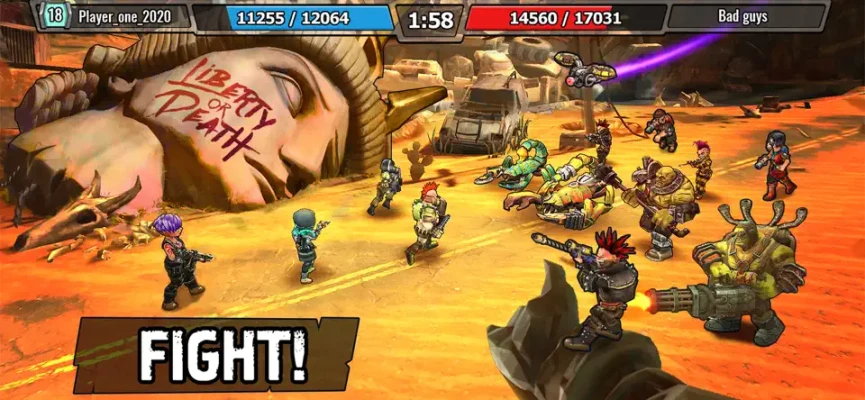
- Exploring dangerous wastelands
- Crafting equipment
- Fighting enemies
- Joining clans
- Expanding your underground city
Every decision directly affects your long-term survival.
Main Gameplay Features
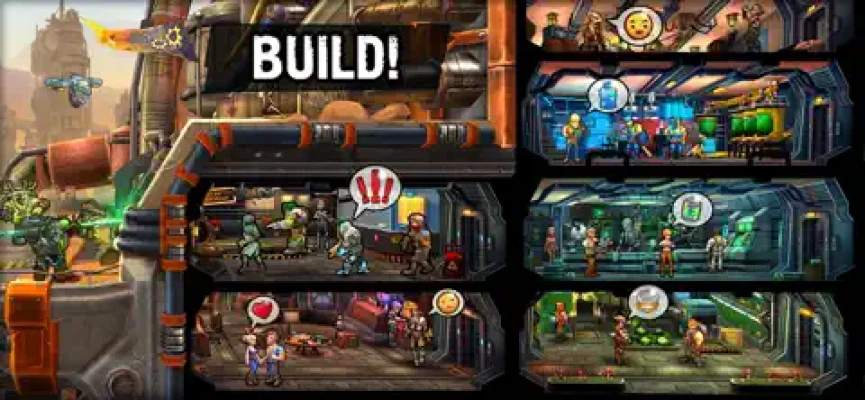
Underground Shelter Construction
Your bunker serves as your headquarters.
You'll build:
- Living quarters
- Food production rooms
- Crafting stations
- Research facilities
- Training rooms
- Storage facilities
Efficient layouts dramatically improve progression.
Hero Collection System
Players can recruit multiple heroes and survivors.
Each hero has unique strengths.
Build balanced squads instead of relying on a single powerful character.
Wasteland Exploration
Explore dangerous environments filled with:
- Zombies
- Mutants
- Raiders
- Cyborgs
- Boss enemies
Exploration rewards include valuable resources and rare equipment.
Clan Features
Players can:
- Join clans
- Participate in Clan Wars
- Fight raid bosses
- Earn exclusive rewards
- Work with teammates
Clans significantly accelerate progression.
Complete Beginner Walkthrough
Day 1: Build Your Foundation
Prioritize these rooms first:
- Power generation
- Food production
- Storage rooms
- Training facilities
Avoid expanding too quickly.
Focus on sustainability.
Day 2: Recruit and Train Survivors
Your shelter is only as strong as its residents.
Assign survivors based on specialization.
Examples:
- Fighters → Combat
- Workers → Production
- Specialists → Crafting
Never leave survivors idle.
Day 3: Begin Wasteland Exploration
Before sending squads outside:
- Upgrade equipment
- Train fighters
- Heal injured survivors
- Stock resources
Preparation prevents unnecessary losses.
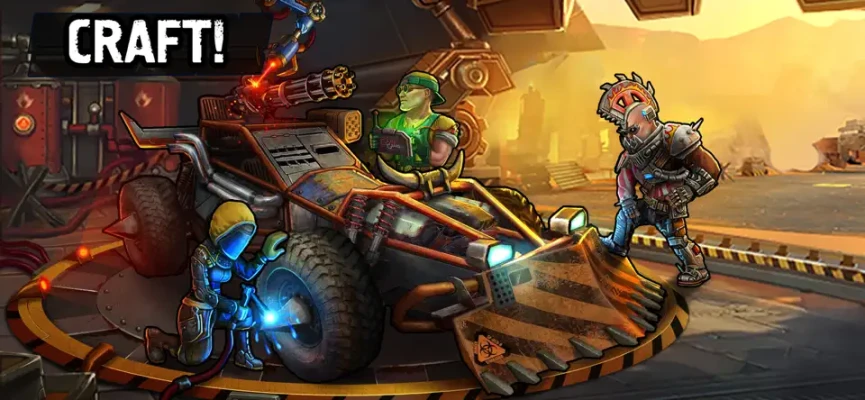
Day 4: Start Crafting Equipment
Crafting becomes one of the most important systems.
Focus on:
- Weapons
- Armor
- Medical supplies
- Upgrade materials
Crafting provides long-term advantages.
Unique Progression Roadmap
Early Game (Days 1-7)
Primary goals:
- Build infrastructure
- Train survivors
- Learn mechanics
- Gather resources
Avoid:
- Over-expansion
- Resource waste
- Upgrading everything
Mid Game (Days 8-20)
Primary goals:
- Build advanced rooms
- Unlock heroes
- Join a clan
- Improve equipment
Begin participating in events.
Late Game (20+ Days)
Primary goals:
- Optimize bunker layouts
- Build elite squads
- Participate in Clan Wars
- Farm high-level resources
- Upgrade heroes
Efficiency becomes more important than expansion.
Best Resource Priorities
Always prioritize:
Tier 1 Resources
- Food
- Energy
- Water
Tier 2 Resources
- Crafting materials
- Upgrade parts
- Hero resources
Tier 3 Resources
- Rare items
- Event currencies
Never spend rare resources immediately.
Save them for advanced upgrades.
Ultimate Bunker Layout Strategy
Use the Layer Method.
Upper Floors
Utility rooms
- Power
- Water
- Storage
Middle Floors
Production rooms
- Food
- Workshops
- Research
Lower Floors
Combat areas
- Training
- Hero management
- Defense systems
This organization improves efficiency.
Hero Squad Building Guide
A balanced squad should include:
1 Tank
Absorbs damage.
2 Damage Dealers
Eliminate enemies quickly.
1 Support Character
Provides healing and buffs.
1 Flexible Hero
Adapts to different battles.
Avoid building teams with only attackers.
Best Daily Routine
Complete these tasks every day:
- Collect resources.
- Upgrade one room.
- Train survivors.
- Complete quests.
- Explore wastelands.
- Participate in events.
- Check clan activities.
- Craft equipment.
Consistency is the key to progression.
15 Pro Tips To Progress Faster
- Upgrade only essential rooms first.
- Join a clan early.
- Never let resources reach maximum capacity.
- Build balanced hero squads.
- Participate in events daily.
- Upgrade one hero at a time.
- Save premium currency.
- Avoid unnecessary crafting.
- Train survivors constantly.
- Learn enemy weaknesses.
- Prioritize resource production.
- Build efficient bunker layouts.
- Complete story missions.
- Farm repeatable raids.
- Stay active daily.
Common Mistakes New Players Make
Expanding Too Quickly
Large shelters become difficult to manage.
Ignoring Hero Progression
Heroes become essential later.
Spending Premium Currency Immediately
Save it for advanced progression.
Joining Weak Clans
Strong clans offer substantial benefits.
Building Random Room Layouts
Organization matters.
User Feedback Insights
Players frequently praise:
What Players Like
- Fallout-inspired atmosphere
- Deep progression systems
- Hero collection mechanics
- Base-building gameplay
- Clan activities
- Long-term replay value
Some players have mentioned:
- Progression can become slow later.
- Resource management requires patience.
- Events reward active players.
The game is appreciated by players who enjoy long-term strategy rather than fast action gameplay.
Major Features Added Over Time
Recent updates introduced:
- New heroes
- Repeatable raids
- Redesigned Clan Wars
- Daily quests
- Hero Genome Crates
- Improved crafting systems
- Conquest of the Wasteland
- Hero Arena
- Enhanced player profiles
Who Should Play Shelter War?
This game is ideal for:
- Post-apocalyptic game fans
- Base-building enthusiasts
- RPG players
- Resource management gamers
- Strategy fans
- Long-term progression players
Frequently Asked Questions
Is Shelter War a city-building game?
Partially. It combines city-building, RPG, and survival mechanics.
Does the game have clans?
Yes. Clan Wars, raid bosses, and team activities are available.
Is Shelter War difficult?
The learning curve is moderate, but complexity increases later.
What is the best beginner strategy?
Focus on resource production before expansion.
Does the game receive content updates?
Yes. New heroes, events, raids, and gameplay systems have been added over time.
Final Thoughts
Shelter War: Zombie Survival offers a deep post-apocalyptic experience that rewards planning, efficiency, and long-term decision-making.
Players who build balanced squads, optimize their shelters, and actively participate in clan activities will progress much faster and unlock the game's full potential.
If you enjoy survival strategy games with RPG progression and large-scale base management, Shelter War provides hundreds of hours of engaging gameplay.
Rate the Game
User Reviews















Popular Games



















 Android
 iOS
iOS Windows
 Xbox
Xbox