
Latest Version
September 12, 2024
Candy Mobile
Action
0
com.chris.seasurvival
Report a Problem
More About :game
What Is Ocean Survival?
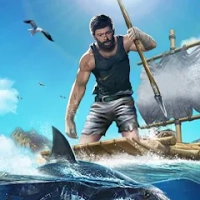
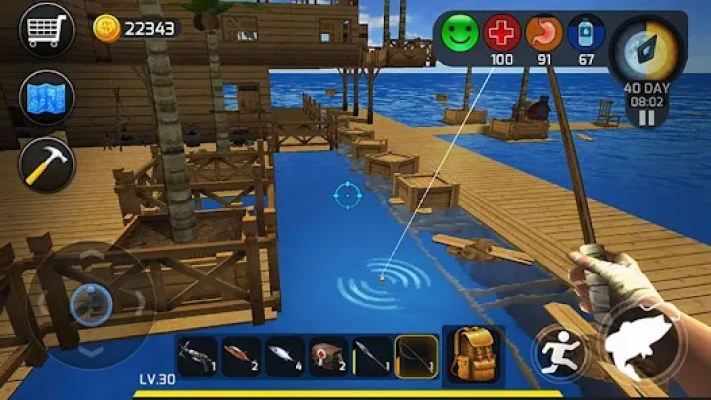
Ocean Survival is a mobile survival game developed by Candy Mobile. It places players in the role of the sole survivor of a shipwreck. After a violent storm sinks their ship, the character wakes up in a small lifeboat surrounded by an enormous ocean.
With no established base, reliable supplies, or immediate rescue, survival depends on making the best use of limited resources. Players must collect materials, find food, maintain their hunger and thirst levels, and create the equipment needed to survive.
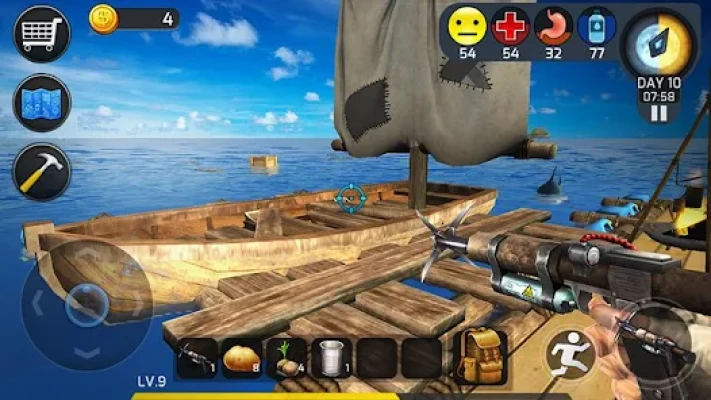
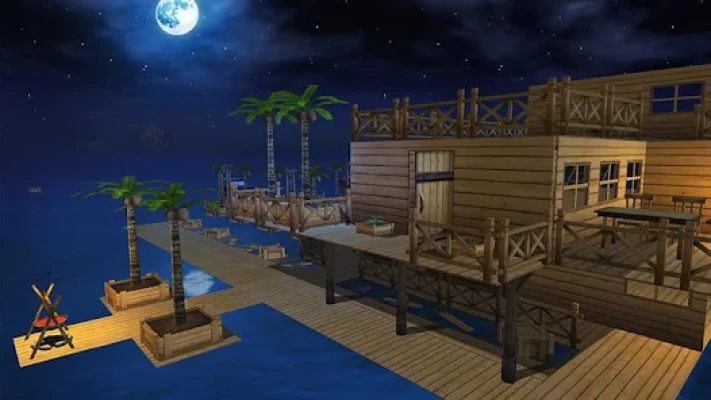
The lifeboat is more than a temporary escape from the water. It becomes the foundation of a growing survival base. By gathering materials and crafting useful objects, players can expand the boat and build a larger shelter.
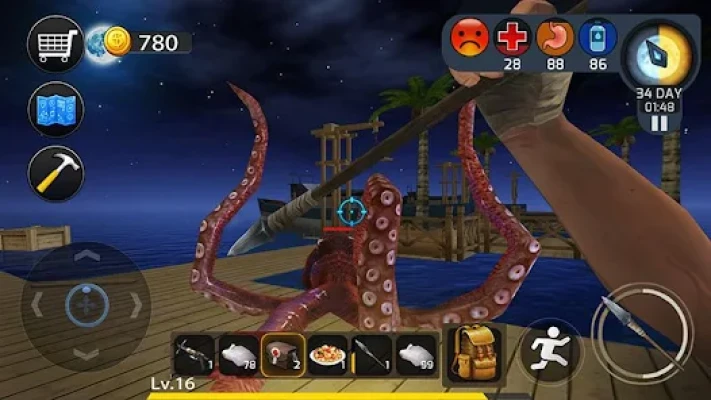
The ocean is also filled with potential dangers. Sea creatures and other intruders can threaten the player's floating home, making weapons and defensive preparation important parts of the experience.
Ocean Survival combines resource gathering, crafting, exploration, base construction, hunting, and survival management in a single-player adventure.
The Story Behind Ocean Survival
The adventure begins with a disaster at sea. A powerful storm causes a ship to sink, leaving only one survivor. When the character regains consciousness, they find themselves in a lifeboat with the endless ocean stretching in every direction.
The immediate challenge is staying alive. Food and drinking water are limited, and the small boat offers little protection from the dangers surrounding it.
There is no established settlement to provide supplies or safety. Players must create their own opportunities by collecting materials, crafting equipment, and expanding their shelter.
As the adventure continues, survival becomes more demanding. The player must balance basic needs with long-term construction projects while remaining prepared for attacks from creatures approaching the boat.
The story is built around one central objective: survive in the ocean for as long as possible.
Main Game Features
Build a Floating Shelter
The lifeboat is the starting point of the entire adventure. Players can collect resources and use the building system to expand it into a larger shelter.
Construction gives players a way to improve their living space and create a more practical base. Rather than remaining in a small lifeboat throughout the experience, players can gradually develop a floating home that better supports their survival needs.
Extensive Crafting System
Crafting is one of the most important systems in Ocean Survival. The game features a range of recipes that allow players to turn collected materials into useful items.
Crafting helps transform basic resources into tools, weapons, and other equipment needed for survival. Learning which materials are valuable and planning how to use them efficiently can make a significant difference.
Hunger and Thirst Management
Players must monitor important survival statistics, particularly hunger and thirst.
These needs create constant pressure because gathering materials and building a shelter are not enough on their own. The character must also obtain supplies that support basic survival.
Ignoring these statistics can put an otherwise successful run at risk.
Resource Gathering
Collecting resources is essential for nearly every part of the game. Materials are needed for crafting, building, and preparing for dangerous encounters.
Players should pay attention to useful items they find around the ocean and avoid wasting valuable resources on unnecessary projects.
Weapons and Hunting
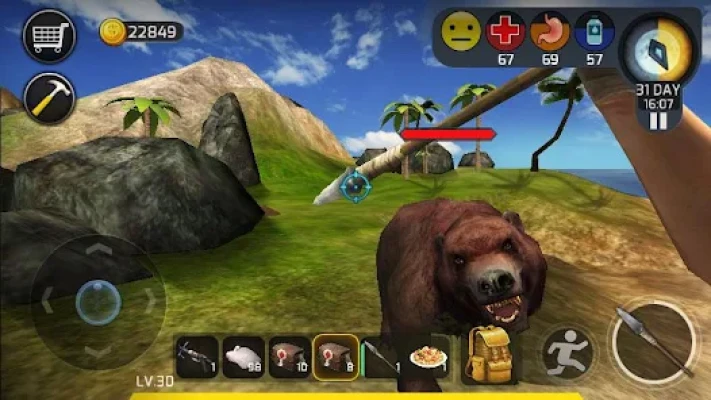
The game allows players to create weapons for hunting and dealing with threats. These weapons provide a way to obtain resources and defend against dangerous creatures.
Choosing when to use equipment and maintaining a supply of useful materials are important parts of long-term survival.
Ocean Exploration
The surrounding ocean provides the setting for the entire adventure. Players can explore a large ocean environment while searching for resources and opportunities to improve their situation.
Exploration is important, but it should be balanced with the need to maintain food, water, and shelter.
Day and Night Survival
The ocean environment includes day and night conditions. Sea intruders can threaten the boat at different times, so players should not assume that their shelter is safe simply because they have completed a building project.
Preparing weapons and maintaining a secure base are important habits throughout the adventure.
Single-Player Survival Experience
Ocean Survival is designed as a single-player game. The experience focuses on personal resource management, crafting, exploration, and defending the floating shelter.
The Google Play listing also identifies offline play as a supported feature.
Understanding the Main Gameplay Systems
Survival Statistics
Hunger and thirst are two essential indicators that players need to monitor.
They represent the character's basic needs and should remain a priority throughout the adventure. Players should avoid allowing these statistics to become critical while concentrating on construction or exploration.
A good survival routine involves checking these indicators regularly and collecting supplies before they become urgent.
Resource Collection
Resources are the foundation of progression. Without enough materials, players cannot craft useful equipment or expand their shelter.
Every gathering opportunity should be considered carefully. Materials that appear ordinary at first may become important when a new crafting recipe or construction project becomes available.
Crafting and Equipment
The crafting system allows players to produce items from collected resources.
Instead of treating crafting as an occasional activity, players should consider it a central part of their survival plan. Useful equipment can improve hunting, construction, and defense.
Shelter Expansion
Building a larger shelter improves the player's floating base and provides more room for survival activities.
However, expansion should be gradual. A large structure is not necessarily useful if the player has neglected food, water, or defensive equipment.
Combat and Defense
Sea intruders can attack the player's boat during the day and night. Weapons are therefore important for more than hunting.
Players should prepare for encounters instead of waiting until a threat reaches the shelter. Maintaining useful equipment and keeping the base manageable can make defensive situations easier to handle.
Complete Ocean Survival Strategy Guide
Start by Understanding Your Survival Needs
When beginning a new adventure, do not immediately concentrate on building a large raft.
First, understand how the hunger and thirst systems work. These indicators influence how long you can remain active without obtaining additional supplies.
Check your survival statistics regularly and make food and water a priority. A well-built shelter cannot compensate for poor survival management.
Collect Resources Whenever Possible
Resource gathering should become part of your regular routine.
Look for useful materials while moving through the ocean environment. Avoid collecting items without considering their purpose, but do not ignore materials that could become valuable later.
The best approach is to maintain a useful supply of common crafting materials while reserving enough space and resources for important equipment.
Prioritize Essential Crafting
Crafting can quickly consume materials, so it is important to choose projects carefully.
Focus on items that support immediate survival before spending resources on optional improvements. Useful tools, hunting equipment, and weapons should take priority over unnecessary construction.
As you learn more about the crafting system, become familiar with the recipes that provide the greatest practical benefit.
Manage Hunger and Thirst Before Exploring
Exploration can distract players from their basic needs.
Before concentrating on a longer gathering session or other activity, check your hunger and thirst levels. Make sure you have enough supplies to continue safely.
Avoid waiting until a survival indicator becomes critical. Planning ahead gives you more freedom to focus on other tasks.
Expand the Boat Gradually
The small lifeboat is not designed to remain your only shelter forever. Expanding it is an important part of progression.
However, construction should follow a clear purpose. Build improvements that support your immediate needs rather than using every available material on a large structure.
A gradual expansion strategy helps maintain a balance between construction and survival.
Prepare Weapons Before Facing Sea Intruders
The ocean contains dangerous creatures that can attack your boat.
Do not treat weapons as optional equipment that can be created only after an attack begins. Prepare suitable equipment whenever your resources allow it.
Having weapons available gives you a better chance of dealing with threats without interrupting every other survival activity.
Use Hunting to Support Progression
Hunting is another important part of the survival experience.
Weapons can help players obtain resources and deal with dangerous creatures. However, hunting should be approached carefully because combat can create additional risks.
Choose suitable moments and avoid unnecessary encounters when your health or equipment is not in good condition.
Keep Your Shelter Practical
A larger boat can provide more room, but excessive construction can consume materials that might be needed elsewhere.
Think about what each building project contributes to your survival. Prioritize useful improvements and avoid expanding simply because additional space is available.
A practical base is often more valuable than a large but poorly planned structure.
Prepare for Nighttime Threats
The day-and-night cycle makes defensive preparation important.
Do not assume that dangerous encounters will happen only while you are actively exploring. Sea intruders can threaten your boat at different times.
Before focusing on other tasks, make sure your equipment and shelter are ready for possible attacks.
Explore With a Clear Objective
Exploration is an important part of discovering the ocean environment and collecting materials.
However, wandering without a purpose can waste time and make it easier to overlook basic survival needs.
Give each exploration session a specific goal, such as collecting crafting materials or searching for useful resources. This makes your activities more organized and productive.
Maintain a Balanced Progression Plan
Long-term survival requires several systems to work together.
Food and water keep the character alive, resources support crafting, weapons provide protection, and construction improves the shelter.
Do not focus on one system while completely ignoring the others. Balanced development is the most reliable way to improve your chances of surviving for longer.
Beginner Tips for Ocean Survival
Check hunger and thirst regularly instead of waiting until they become critical.
Collect useful materials whenever you have a safe opportunity.
Learn the crafting recipes and understand what each item can provide.
Prioritize equipment that supports basic survival.
Avoid spending all your resources on shelter expansion.
Build your floating base gradually.
Prepare weapons for hunting and defense.
Watch for sea intruders that threaten your boat.
Keep your survival needs in mind during exploration.
Give each gathering trip a clear objective.
Make defensive preparation part of your regular routine.
Balance crafting, hunting, exploration, and construction.
Advanced Survival Strategies
Create a Resource Management Routine
A reliable resource routine prevents unnecessary shortages.
Separate your priorities into essential survival supplies, crafting materials, and construction resources. This makes it easier to decide which materials can be used immediately and which should be saved for future projects.
Avoid Unnecessary Crafting
Not every available recipe needs to be completed immediately.
Before crafting an item, consider whether it solves a current problem or improves your ability to survive. Saving materials for essential equipment can prevent shortages later.
Treat Your Raft as Your Main Base
The floating shelter is the center of your survival experience.
Every expansion should make the base more useful. Avoid building without a purpose, and consider how each improvement supports your ability to gather resources, craft items, or defend yourself.
Balance Risk and Reward
Exploring and hunting can provide useful opportunities, but they also require time and resources.
Do not take unnecessary risks when your survival statistics are low or your equipment is inadequate. Prepare first, then pursue activities that can improve your situation.
Prepare for Multiple Threats
Survival is not limited to hunger and thirst. Sea creatures can also threaten your progress.
Maintain a supply of useful weapons and avoid leaving defensive preparation until the last moment. A well-prepared player can respond more effectively when the ocean becomes dangerous.
Make Progression Sustainable
A strong survival strategy is not simply about collecting the largest amount of resources or building the biggest shelter.
The real goal is to create a sustainable routine in which food, water, crafting, construction, and defense support one another.
Common Mistakes to Avoid
Ignoring Hunger and Thirst
Players who concentrate only on collecting resources may forget their basic survival needs. Check these indicators frequently.
Spending Materials Too Quickly
Crafting and construction both require resources. Spending everything on optional projects can leave you without materials for essential equipment.
Expanding the Boat Too Early
A large shelter may look impressive, but expansion should not come at the expense of survival supplies.
Entering Dangerous Situations Without Weapons
Sea intruders can attack your boat. Prepare suitable equipment instead of assuming you can handle every encounter without it.
Exploring Without Preparation
Exploration can become risky when food, water, or equipment supplies are low. Check your condition before beginning longer activities.
Neglecting the Nighttime Threats
The ocean does not become harmless when the day ends. Maintain your defensive preparation and pay attention to threats around your shelter.
Crafting Without a Plan
Producing items simply because recipes are available can waste important materials. Focus on equipment that provides practical value.
Is Ocean Survival Suitable for Casual Players?
Ocean Survival can appeal to players who enjoy gathering resources, crafting useful objects, and gradually improving a personal base.
Its basic objective is easy to understand: survive after a shipwreck. However, managing hunger and thirst while collecting materials, building a shelter, and defending against sea creatures gives the experience a continuous challenge.
The game may be particularly appealing to fans of:
Raft-building survival games.
Crafting and resource management.
Ocean exploration adventures.
Base construction and shelter development.
Hunting and survival combat.
Single-player adventure games.
Games that can be played offline.
Players who prefer fast-paced action or story-driven adventures may find its resource management and gradual progression less appealing. Its main attraction is the ongoing challenge of staying alive and developing a floating home.
Game Information
| Detail | Information |
|---|---|
| Game Title | Ocean Survival |
| Developer | Candy Mobile |
| Package Name | com.chris.seasurvival |
| Platform | Android |
| Category | Action / Survival |
| Game Mode | Single-player |
| Main Setting | Open ocean |
| Main Objective | Survive after a shipwreck |
| Core Gameplay | Gathering, crafting, building, hunting |
| Survival Statistics | Hunger and thirst |
| Construction | Expand the lifeboat into a larger shelter |
| Combat | Weapons and defense against sea intruders |
| Environment | Day-and-night cycle |
| Internet Requirement | Supports offline play |
| Price | Free with ads and in-app purchases |
| Content Rating | Teen |
| Minimum Android Version | Android 5.0 or later |
Frequently Asked Questions
What is Ocean Survival about?
Ocean Survival is a survival adventure in which players become stranded in a lifeboat after a storm sinks their ship. They must gather resources, manage hunger and thirst, craft equipment, build a shelter, and defend themselves against dangerous sea creatures.
Who developed Ocean Survival?
The game was developed by Candy Mobile.
What is the main objective?
The main objective is to survive in a lifeboat drifting through the ocean for as long as possible.
Can you build your own raft or shelter?
Yes. Players can expand their boat and construct a larger floating shelter using collected resources.
Does Ocean Survival have a crafting system?
Yes. The game features an extensive crafting system with numerous recipes for creating useful survival items.
Do players need to manage hunger and thirst?
Yes. Hunger and thirst are important survival statistics that players must monitor throughout the adventure.
Can you fight sea creatures?
Yes. Players can create weapons for hunting and use available equipment to defend their boat against sea intruders.
Does the game include a day-and-night cycle?
Yes. The ocean environment features day and night, and sea intruders can threaten the boat during both periods.
Can Ocean Survival be played offline?
The Google Play listing identifies offline play as a supported feature.
Is Ocean Survival free to download?
Yes. The game is listed as free to download, with advertisements and optional in-app purchases.
Final Verdict
Ocean Survival offers a classic resource-management and raft-building experience built around the challenge of surviving alone in the open ocean. Starting with only a small lifeboat, players must collect materials, manage hunger and thirst, craft useful equipment, and gradually develop a larger floating shelter.
The combination of exploration, construction, hunting, and defensive combat gives players several interconnected survival responsibilities. Every resource has potential value, and every decision can influence how successfully the player handles the next challenge.
Its strongest appeal is the gradual transformation from a stranded survivor with limited supplies into someone capable of maintaining a more developed floating base.
For players who enjoy crafting, ocean exploration, survival challenges, and building games, Ocean Survival provides an engaging adventure focused on one simple but demanding question: how long can you survive at sea?
Rate the Game
User Reviews













Popular Games


















 Android
 iOS
 Windows
 Xbox