
Latest Version
Visit PageMore About :game
Game Overview
Game Title: TheoTown: City Builder
Developer: blueflower
Game Category: Simulation
Game Genre: City Building, Management, Strategy
Platform: Android and Windows
Game Mode: Single Player with Community Features
Internet Connection: Offline gameplay supported; some online features require connectivity
Monetization: Free to play with advertisements and optional in-app purchases
Main Objective: Design, construct, and manage a successful city by developing infrastructure, providing public services, maintaining utilities, and satisfying residents.
What Is TheoTown: City Builder?
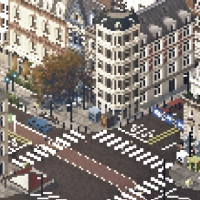
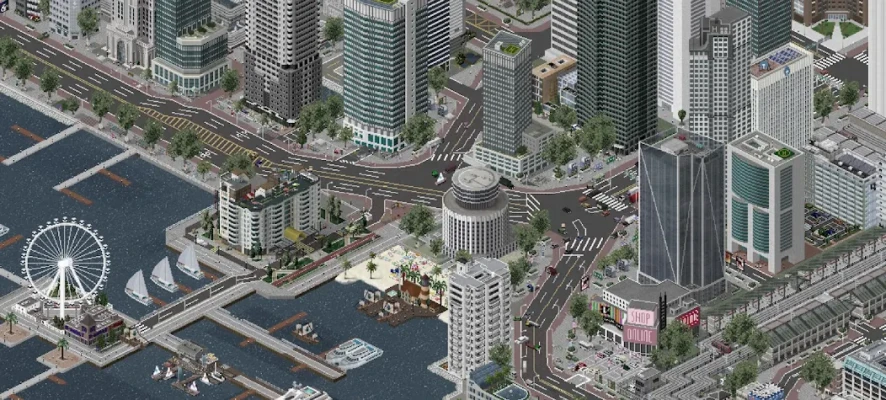
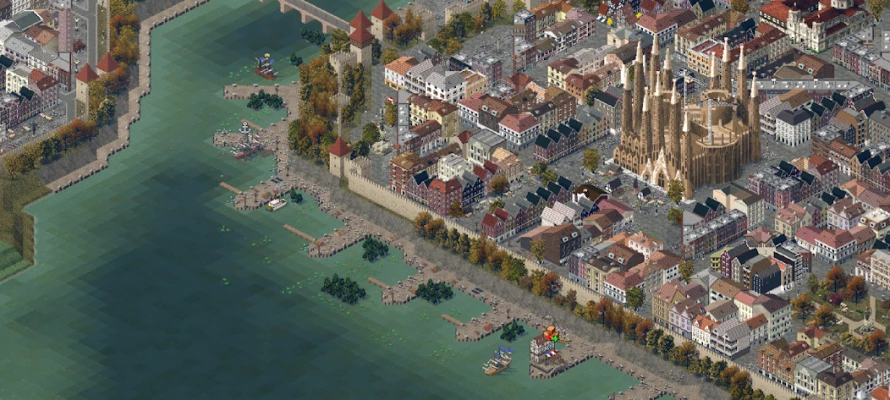
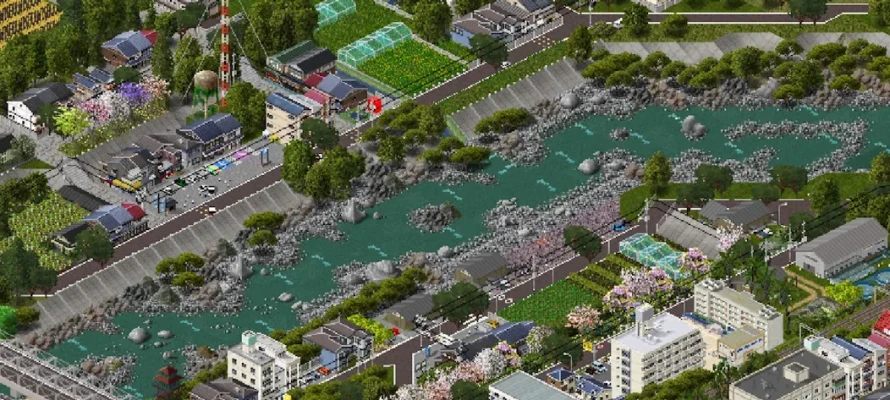
TheoTown: City Builder is an engaging urban development simulation that gives players the freedom to create their own cities from the ground up. Developed by blueflower, the game combines classic city-building mechanics with detailed management systems, transportation planning, public services, and creative customization.
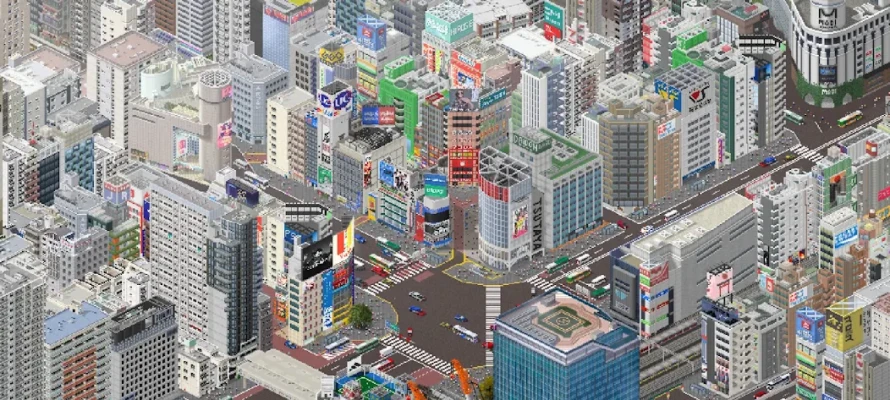
Unlike games that focus mainly on completing construction timers, TheoTown emphasizes freedom, planning, and long-term development. Players can begin with a small settlement and gradually transform it into a large metropolis filled with residential neighborhoods, commercial districts, industrial zones, impressive skyscrapers, and famous landmarks.
The experience revolves around making decisions that influence how your city develops. You must provide suitable residential areas, connect different districts with roads, maintain electricity supplies, establish essential public services, and organize transportation systems.
As the population increases, new challenges appear. Traffic becomes more complicated, public services require additional attention, and the city's infrastructure must expand to support growing demand.
Emergency situations also create additional responsibilities. Fires, crime, and natural disasters can threaten the stability of your city, making police stations, fire departments, and hospitals important parts of successful urban planning.
One of TheoTown's biggest attractions is its creative freedom. You can design realistic urban environments, build compact towns, experiment with unusual layouts, or create enormous metropolitan areas.
The game also supports community-made plugins, allowing players to expand their experience with additional buildings and features.
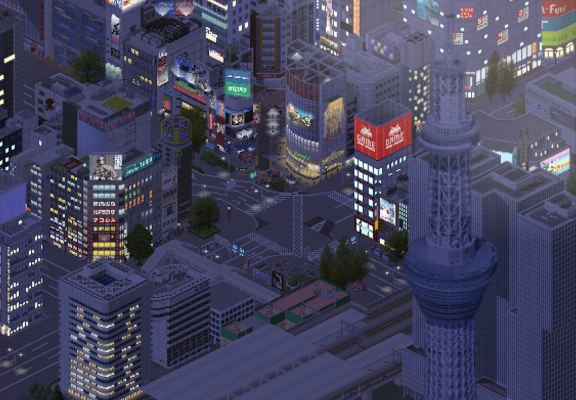
With its recognizable pixel-art presentation, extensive building options, and deep simulation mechanics, TheoTown offers a rewarding experience for fans of classic city-building games.
Main Features of TheoTown: City Builder
Build Cities From Scratch
Start with an empty area and develop it into a growing settlement. Create residential neighborhoods, commercial districts, industrial zones, and impressive metropolitan environments.
Design Custom Neighborhoods
Organize your city according to your preferred layout. Experiment with different building arrangements, district sizes, roads, and public facilities.
Construct Roads and Highways
Create connected transportation networks that allow residents and services to move throughout the city.
Develop Railway Systems
Build railway infrastructure and introduce trains to improve transportation connections.
Establish Airports
Construct airports and develop aviation infrastructure to connect your city with the wider transportation network.
Manage Public Transportation
Introduce buses, trains, and other transportation options to improve mobility and reduce traffic pressure.
Provide Essential Public Services
Build police stations, fire departments, and hospitals to maintain safety and support residents.
Handle Fires and Natural Disasters
Respond to unexpected emergencies, protect buildings, and maintain the stability of your growing city.
Construct Famous Landmarks
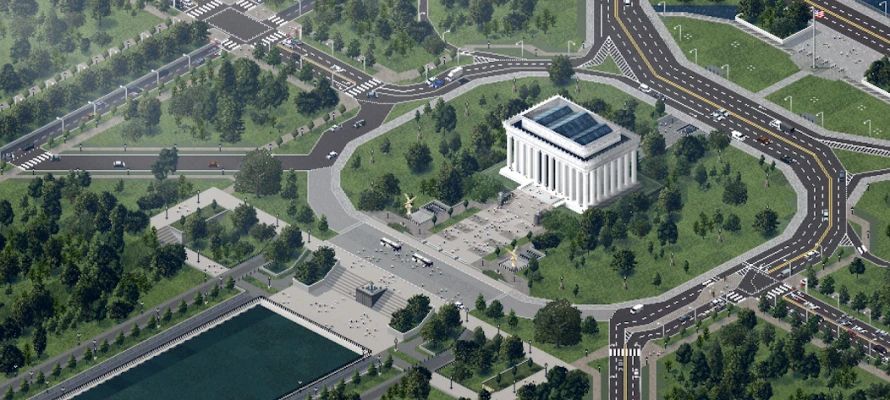
Add recognizable structures such as Big Ben, the Eiffel Tower, and the Statue of Liberty to create an impressive skyline.
Manage Electricity and Energy
Develop power infrastructure using different energy sources to ensure that buildings receive the electricity they need.
Build Sports Facilities
Construct stadiums and other recreational facilities to add variety and character to your city.
Install Community-Made Plugins
Customize your experience with additional content created by the TheoTown community.
Enjoy Open-Ended Gameplay
Build, demolish, redesign, and experiment without being restricted to a single city layout or development strategy.
Share Your City Creations
Take screenshots of your completed cities and explore creative designs made by other players.
Play Offline
Enjoy the main city-building experience without requiring a constant internet connection.
City Planning and Zoning
Zoning is one of the most important systems in TheoTown.
Instead of placing every building individually, players can organize land into different functional areas.
The main zoning categories include residential, commercial, and industrial development.
Residential Zones
Residential areas provide places for citizens to live. These districts are essential for population growth and should be connected to important services and transportation routes.
Commercial Zones
Commercial areas provide spaces for businesses and economic activities. They should be positioned where residents can access them conveniently.
Industrial Zones
Industrial districts support production and employment. They should be planned carefully to reduce their negative impact on nearby residential neighborhoods.
Successful zoning requires balancing these three categories.
A city with too many residential buildings but insufficient commercial and industrial development may struggle to maintain a healthy economy.
Likewise, excessive industrial development can create problems for residential districts.
The best approach is to develop each zone gradually according to the needs of your population.
Transportation and Traffic Management
Transportation plays a major role in the success of a growing city.
As the population increases, more citizens need to travel between their homes, workplaces, businesses, and public facilities.
TheoTown provides several transportation options, including:
Local roads.
Main roads and highways.
Railway networks.
Train stations.
Airports.
Bus transportation.
Metro systems and additional transport options through available content.
Building roads is only the beginning. You must also consider how different routes connect and whether your network can handle increasing traffic.
Poorly designed road systems can create congestion and make transportation inefficient.
A carefully planned network with multiple connections can improve the movement of citizens and emergency services.
Railways and airports provide additional opportunities to develop a more advanced transportation system.
Public Services and City Safety
A successful city needs more than houses and commercial buildings.
Residents depend on essential public services to maintain a safe and comfortable environment.
Police Stations
Police facilities help maintain public safety and respond to criminal activity.
Fire Departments
Fire stations are essential for responding to fires and protecting buildings from serious damage.
Hospitals
Healthcare facilities provide medical services and support the well-being of residents.
Emergency Management
Natural disasters and unexpected events can create serious challenges. Players must prepare their cities with appropriate emergency facilities and respond when problems occur.
Placing public services strategically helps ensure that important districts receive adequate coverage.
Electricity and Energy Management
Electricity is one of the fundamental requirements of a functioning city.
Buildings need a reliable power supply to operate properly.
TheoTown allows players to develop different energy sources, including traditional power plants and more advanced solutions.
When expanding your city, monitor electricity availability and ensure that your infrastructure can support additional demand.
Avoid constructing large residential or industrial districts without considering their power requirements.
As your metropolis grows, review your energy network regularly and increase capacity when necessary.
Landmarks and City Customization
One of the most enjoyable aspects of TheoTown is the ability to create a distinctive urban environment.
Players can construct famous landmarks and unique buildings that give their cities a recognizable appearance.
Some well-known examples include:
Big Ben.
Eiffel Tower.
Statue of Liberty.
These structures can become attractive focal points within your city.
You can also experiment with different architectural styles, building arrangements, roads, and decorative elements.
Community-made plugins provide even more customization opportunities, allowing players to introduce additional structures and features.
This flexibility makes TheoTown suitable for both realistic city planners and creative builders who prefer unusual designs.
Community Plugins and Additional Content
TheoTown has an active community that creates additional content for the game.
Plugins can expand the available building selection and introduce new features that make city development more interesting.
Players can use community-created content to customize their environments and explore different architectural possibilities.
However, it is important to choose plugins carefully.
Use trusted community resources, check compatibility with your installed game version, and avoid installing unnecessary content that could affect performance.
For the best experience, add plugins gradually and test them before introducing large collections.
Complete TheoTown: City Builder Strategy Guide
How to Start Building Your First City
The beginning of TheoTown is the perfect opportunity to learn the basic mechanics of urban development.
Start by understanding the zoning system and the relationship between residential, commercial, and industrial areas.
Create a small residential district and connect it to roads.
Then introduce commercial and industrial zones to establish the foundations of your city's economy.
Do not expand too quickly.
A small, well-organized city is easier to manage than a large settlement with insufficient electricity, poor transportation, and limited public services.
Pay attention to the information provided by the game and respond to the needs of your citizens.
As your city develops, gradually introduce additional infrastructure and services.
Plan Your City Layout Before Building
Good planning is one of the most important skills in TheoTown.
Before placing roads or zoning large areas, think about how your city should develop in the future.
Create a basic layout that separates different districts while keeping them connected.
For example, residential areas can be placed near parks and essential services, while industrial districts can be located farther away from housing.
Commercial zones should be accessible from residential neighborhoods and major roads.
Reserve some open land for future expansion.
Planning ahead reduces the need to demolish buildings and redesign entire sections later.
Balance Residential, Commercial, and Industrial Zones
A healthy city requires all three major zoning categories.
Residential zones attract citizens and increase the population.
Commercial zones provide business opportunities, while industrial zones support employment and production.
The key is maintaining a suitable balance.
If you create too many residential buildings without enough jobs, your city may struggle to provide opportunities for its growing population.
If industrial districts become too large, they may create undesirable conditions for nearby neighborhoods.
Expand each zone according to the needs of your city rather than building everything at once.
Monitor citizen feedback and make adjustments whenever necessary.
Build an Efficient Road Network
Road planning has a major influence on city development.
A poor transportation layout can create congestion and make different districts difficult to access.
Start with a simple road network that connects your main residential, commercial, and industrial areas.
Use larger roads for important routes and smaller streets for local neighborhoods.
Avoid creating unnecessary intersections, especially in busy districts.
As your population grows, consider adding additional routes to distribute traffic more effectively.
A connected road system also helps emergency vehicles reach important locations.
Provide Electricity Before Expanding
Electricity is essential for a functioning city.
Before constructing large districts, make sure your power infrastructure can support the additional buildings.
Build appropriate power facilities and connect the electricity network to the areas that need it.
Check for disconnected buildings and insufficient energy production.
If your population and industrial activities increase, expand your energy capacity.
Different energy sources offer different development possibilities, so consider your city's needs and available resources before choosing new facilities.
Introduce Public Services at the Right Time
Public services should grow alongside your population.
Fire stations, police departments, and hospitals help maintain the stability of your city.
Do not wait until serious problems appear before thinking about emergency coverage.
Place facilities in locations that allow them to serve several nearby neighborhoods whenever possible.
As your city expands, review service coverage and construct additional buildings when existing facilities are no longer sufficient.
A good mayor plans for emergencies before they happen.
Keep Industrial Districts Away From Residential Areas
Industrial development is necessary, but its location matters.
Try to create separate industrial districts instead of placing factories directly beside residential neighborhoods.
This organization can help reduce the negative effects associated with industrial activity.
Connect industrial areas to major roads and transportation routes so workers and goods can move efficiently.
Also consider the future expansion of your industrial zone.
Leaving enough space for additional facilities prevents problems when production requirements increase.
Manage Traffic Before It Becomes a Serious Problem
Traffic congestion is one of the challenges that can affect larger cities.
As more citizens travel between districts, poorly designed roads may become overloaded.
To prevent this, create alternative routes and avoid depending on a single major road.
Separate busy transportation corridors from local residential streets whenever practical.
Railway systems, buses, and other public transportation options can also help improve mobility.
When designing a new district, consider how residents will reach workplaces and commercial facilities.
Planning transportation early is much easier than rebuilding a crowded city later.
Expand Your City Gradually
It can be tempting to fill every available area with new buildings.
However, rapid expansion can create problems if infrastructure and public services cannot keep up.
Expand one district at a time.
After developing a new residential area, check electricity availability, road connections, and essential services.
Then introduce additional commercial or industrial development according to demand.
This controlled approach keeps your city manageable and allows you to identify problems before they become widespread.
Prepare for Fires and Natural Disasters
Emergencies are an important part of TheoTown's simulation experience.
Fires can damage buildings, while natural disasters may affect large areas of your city.
The best strategy is to maintain adequate emergency infrastructure.
Build fire stations in useful locations and ensure that roads provide access to important districts.
Police departments and hospitals should also be positioned to support the growing population.
When an emergency occurs, respond quickly and focus on protecting essential areas.
Afterward, review your city's infrastructure and improve any weaknesses that contributed to the problem.
Develop an Effective Energy Strategy
As your city grows, energy demand increases.
Instead of waiting until electricity becomes insufficient, monitor consumption regularly.
Develop additional power facilities when needed.
Consider the available energy sources and choose options that fit your development strategy.
Avoid building too much power infrastructure too early, as unnecessary facilities can consume valuable space and resources.
The objective is to maintain a reliable energy supply without overinvesting.
Use Railways and Airports Strategically
Advanced transportation facilities can make your city more impressive and functional.
Railways provide additional transportation connections, while airports introduce aviation infrastructure.
Plan their locations carefully.
Leave sufficient space around railway stations and airport facilities, and consider how they connect to your existing road network.
Do not place major transportation facilities randomly.
Instead, integrate them into the overall city design.
Build Attractive Parks and Landmarks
A successful city should be functional and visually appealing.
Parks, landmarks, and decorative structures help create interesting neighborhoods.
Use green spaces to improve the appearance of residential districts and introduce famous landmarks in suitable locations.
Buildings such as Big Ben, the Eiffel Tower, and the Statue of Liberty can become visual highlights.
Try to create attractive districts rather than concentrating all decorations in one area.
A balanced design makes the city more enjoyable to explore.
Make the Most of Community Plugins
Plugins are an excellent way to expand TheoTown.
However, installing too many additions without considering compatibility can make the game harder to manage.
Start with plugins that match your preferred building style.
If you enjoy realistic cities, choose content that supports realistic architecture and infrastructure.
If you prefer creative environments, experiment with unusual buildings and decorative structures.
Keep your plugins organized and remove content you no longer need.
Always consider compatibility with the current game version.
Advanced City-Building Techniques
Once you understand the basic systems, you can experiment with more advanced urban planning techniques.
Create Specialized Districts
Organize your city into residential, commercial, industrial, recreational, and transportation areas.
This makes the layout easier to understand and manage.
Use Main Roads as Development Corridors
Place important commercial facilities along major roads where they can be easily accessed.
Reserve Space for Future Expansion
Do not use every available tile immediately. Keep open areas for future roads, railways, public services, and larger buildings.
Separate Heavy Traffic From Local Streets
Use a clear road hierarchy to reduce congestion and improve neighborhood organization.
Monitor Citizen Needs
Pay attention to complaints and development indicators. They can help identify problems before they become serious.
Balance Services With Population Growth
Construct additional hospitals, police stations, and fire departments when the city becomes too large for existing coverage.
Experiment With Different Layouts
TheoTown allows you to redesign your city. Try different street patterns, district shapes, and transportation arrangements until you find an effective design.
Save Your Progress Regularly
Keep backups of important city projects when possible. This is particularly useful before major redesigns or when changing devices.
Common Mistakes to Avoid
Expanding Too Quickly
Rapid growth without adequate infrastructure can create problems with electricity, transportation, and public services.
Ignoring Electricity
Buildings need a reliable power supply. Always consider energy requirements before developing new districts.
Mixing Industrial and Residential Areas
Poor zoning decisions can reduce the quality of residential neighborhoods.
Building Roads Without Planning
Random road placement can create complicated intersections and inefficient transportation networks.
Neglecting Public Services
A growing population requires appropriate healthcare, policing, and fire protection.
Ignoring Traffic Congestion
A road network that works for a small town may become inadequate for a large metropolis.
Installing Too Many Plugins
Large collections of incompatible or unnecessary plugins may affect performance and stability.
Forgetting to Save Your City
Regular backups help protect your work, particularly when experimenting with major changes.
Focusing Only on Appearance
A beautiful city still needs functional infrastructure, energy, and public services to remain successful.
Frequently Asked Questions
What is TheoTown: City Builder?
TheoTown is a city-building simulation game developed by blueflower. Players design neighborhoods, construct buildings, manage transportation, provide public services, and develop large cities.
Is TheoTown free to play?
Yes. TheoTown is free to download and play. It includes advertisements and optional in-app purchases.
Can you play TheoTown offline?
Yes. The main city-building experience supports offline gameplay. Certain online community features require an internet connection.
Who developed TheoTown?
TheoTown is developed by blueflower, a game developer based in Germany.
Can you build large cities in TheoTown?
Yes. You can start with a small town and gradually develop it into a large metropolis with residential neighborhoods, commercial districts, industrial areas, and advanced infrastructure.
Does TheoTown have public transportation?
Yes. The game includes transportation systems such as roads, highways, railways, trains, buses, and airports.
Can you build famous landmarks?
Yes. You can construct famous structures such as Big Ben, the Eiffel Tower, and the Statue of Liberty.
Does TheoTown have natural disasters?
Yes. Players may encounter emergencies such as fires and natural disasters that require appropriate preparation and response.
Can you customize TheoTown?
Yes. The game supports community-made plugins that introduce additional buildings and features.
Does TheoTown have multiplayer?
TheoTown primarily focuses on single-player city building, but it also offers community features that let players explore and share city creations.
Can you build an airport in TheoTown?
Yes. Airports are part of the game's transportation system and can be incorporated into your city's infrastructure.
What makes TheoTown different from other city-building games?
Its major strengths include creative freedom, detailed city management, pixel-art graphics, customizable plugins, and the ability to build, demolish, and redesign cities without following a rigid development path.
Is TheoTown suitable for beginners?
Yes. The game provides intuitive building tools and introductory guidance, while its deeper management systems offer long-term challenges for experienced city-building fans.
Is TheoTown: City Builder Worth Playing?
TheoTown: City Builder is an excellent choice for players who enjoy designing cities, organizing infrastructure, and managing complex urban environments.
Its greatest strength is the freedom it provides. Rather than forcing players to follow one specific construction path, the game allows them to experiment with different layouts, architectural styles, and development strategies.
The pixel-art graphics give the game a distinctive visual identity, while its detailed simulation systems create meaningful challenges as cities grow.
Transportation planning, electricity management, public services, emergencies, and zoning all contribute to the overall experience.
The plugin system makes the game even more appealing by allowing players to expand their building options and customize their cities with community-created content.
Another advantage is offline gameplay, which makes it possible to enjoy the main city-building experience without a continuous internet connection.
Although beginners may need some time to understand the different management systems, the freedom to experiment makes learning enjoyable.
Overall, TheoTown is a rewarding city-building game for anyone who enjoys urban planning, creative construction, and long-term simulation challenges.
Final Verdict
TheoTown: City Builder delivers a detailed and flexible city-building experience that combines creativity with strategic management.
From designing small residential neighborhoods to developing massive transportation networks and impressive metropolitan skylines, the game gives players the tools to create cities in their own style.
Its public services, energy systems, emergency management, famous landmarks, and community plugins provide plenty of opportunities for experimentation.
Whether you prefer realistic urban planning or imaginative city designs, TheoTown offers an enjoyable environment where every construction decision helps shape your growing metropolis.
Build your streets, manage your citizens, overcome urban challenges, and create the city of your dreams with TheoTown.
Rate the Game
User Reviews














Popular Games



















 Android
 iOS
 Windows
 Xbox