
Latest Version
December 08, 2024
mobirix
Simulation
Android
0
com.mobirix.busparkingking
Report a Problem
More About :game
What Is Bus Parking King?
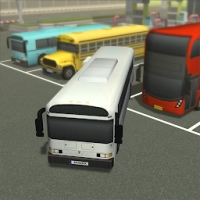
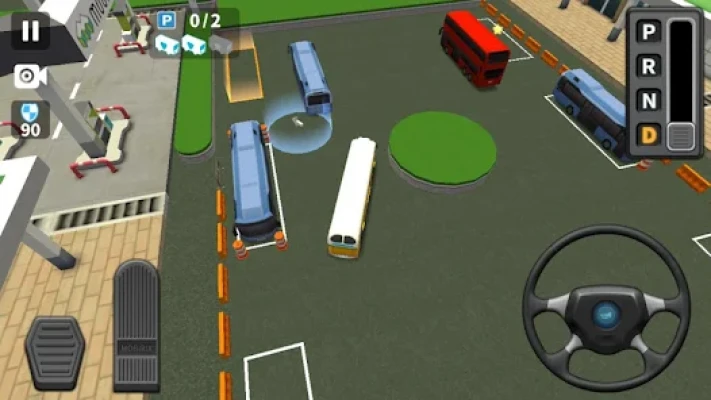
Bus Parking King is a driving simulation game that puts your steering, spatial awareness, and parking skills to the test. Instead of focusing on racing at high speeds, the game challenges you to control larger vehicles through different courses and reach designated parking areas without making careless driving mistakes.
Developed by MOBIRIX, the game features several types of vehicles, including school buses, trucks, cranes, and safari vehicles. Each vehicle offers a different driving experience, encouraging you to pay attention to its size, turning space, and position on the course.
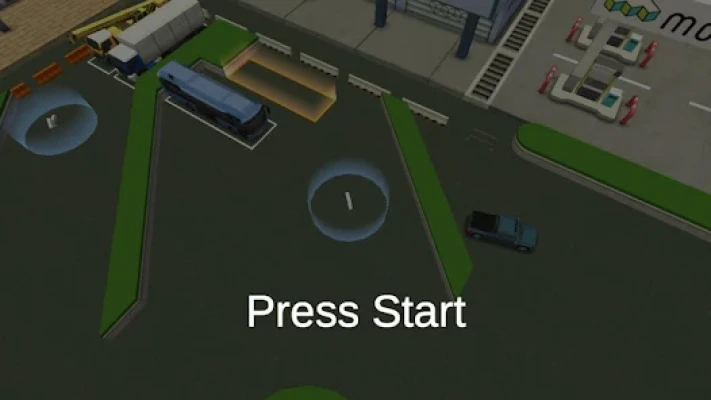
The main objective is to navigate each stage and park successfully. Some routes provide plenty of room, while others require careful steering through narrow passages and around obstacles. Choosing the right camera view and making gradual steering adjustments can help you handle these situations more confidently.
Bus Parking King also includes a Challenge mode for earning gold and a shield item that helps protect your vehicle. These features add variety to the core parking gameplay and give players additional reasons to improve their driving performance.
Main Features of Bus Parking King
Multiple Vehicles to Drive
Bus Parking King offers several vehicle types, including school buses, trucks, cranes, and safari vehicles. These options give players the opportunity to experience different driving challenges rather than using only one vehicle throughout the game.
Different Parking Courses
The game features a variety of courses and stage layouts. Each course presents its own driving requirements, from straightforward parking maneuvers to tighter routes that demand more precise control.
First-Person and Third-Person Cameras
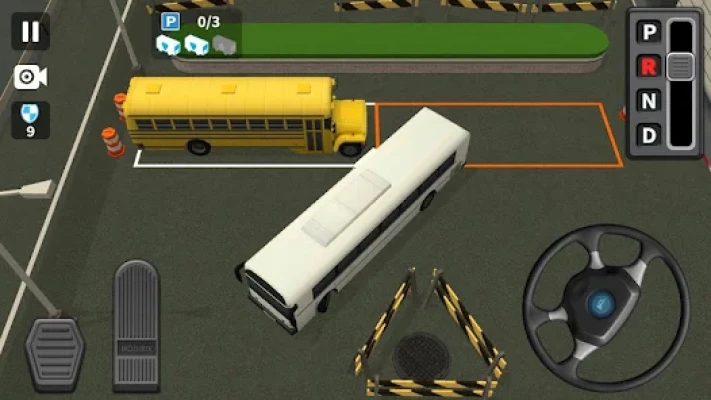
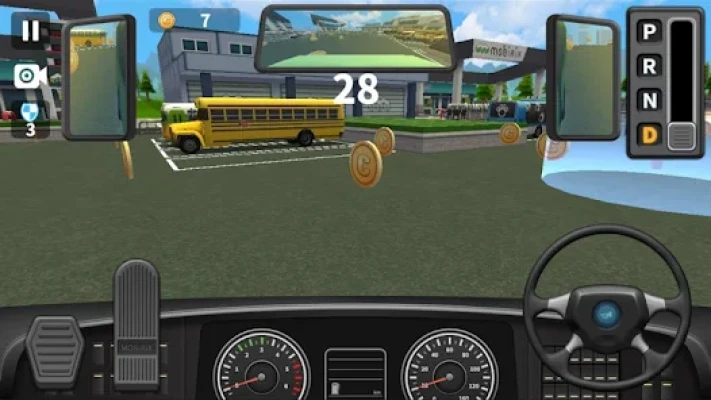
Players can switch between first-person and third-person camera views. First-person mode provides an in-vehicle perspective, while third-person mode helps you observe the vehicle's position relative to nearby obstacles.
Learning to use both views can make difficult parking maneuvers easier to understand.
Protective Shield Item
A shield item is available to help protect the vehicle. Understanding when to use this assistance can be useful when navigating challenging sections.
Challenge Mode and Gold Rewards
Challenge mode gives players another way to test their driving skills and earn gold. Gold adds a progression element to the experience and can support access to available in-game options.
Mobile and Tablet Support
The game supports compatible mobile devices and tablets, allowing players to enjoy the driving challenges on different screen sizes.
Multiple Language Support
Bus Parking King supports 16 languages, making it accessible to a broad range of players.
Offline Gameplay
The game is listed as supporting offline play, making it suitable for playing without a continuous internet connection. Some features may have different requirements depending on the current game version.
How to Play Bus Parking King
Understand the Objective
Each stage challenges you to drive your vehicle through a course and reach the designated parking area. Before moving, take a moment to examine the route, identify tight corners, and locate potential obstacles.
Your objective is to reach the parking space safely while maintaining control of the vehicle. Driving too quickly or turning too sharply can make the course harder to complete.
Learn the Driving Controls
Become familiar with the steering, acceleration, and braking controls before attempting difficult stages. Apply acceleration gradually and make small steering adjustments when navigating narrow spaces.
Use the brakes whenever you need to reduce speed or position the vehicle carefully. Smooth control is particularly important when driving larger vehicles, which require more room to maneuver.
Choose the Right Camera View
Switch between first-person and third-person views depending on the situation. First-person mode can provide an immersive driving perspective, while third-person mode helps you observe the vehicle's overall position.
If you struggle with a corner or parking space, change the camera angle and reassess the available room.
Navigate the Course
Follow the designated route and watch for obstacles, tight turns, and other vehicles. Avoid rushing through unfamiliar sections, especially when the path becomes narrow.
Keep enough distance from walls and objects to allow for steering corrections. If another vehicle blocks your way, wait for a safe opportunity rather than forcing your way through.
Park Carefully
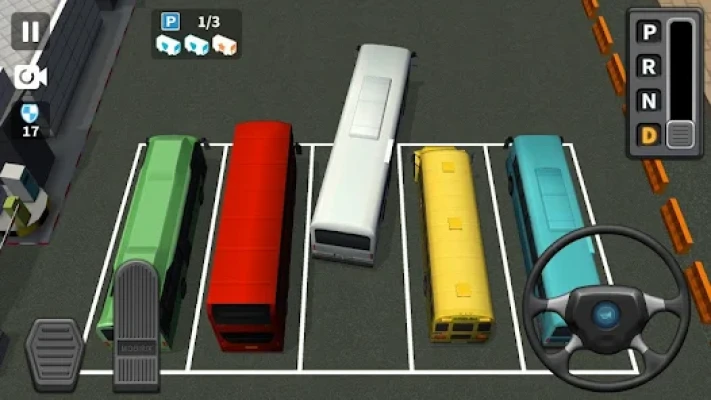
Approach the parking area at a controlled speed. Align the vehicle with the space, make small steering adjustments, and use the brakes to manage your final approach.
Avoid turning sharply at the last moment. A gradual approach usually makes it easier to position a large vehicle accurately.
Earn Gold in Challenge Mode
Try Challenge mode when you want to test your driving ability and earn gold. Focus on completing the available driving tasks consistently instead of taking unnecessary risks.
Complete Strategy Guide for Bus Parking King
Master Steering Before Increasing Speed
Steering is one of the most important skills in Bus Parking King. Large vehicles need more space to turn than smaller cars, so sharp movements can cause you to collide with nearby objects.
Start by driving slowly through the course and observing how the vehicle responds to steering input. Practise turning in open areas before attempting narrow corners.
When approaching a turn, reduce speed and begin steering early. Once the vehicle is aligned with the next section, gradually straighten your direction.
This method gives you greater control and reduces the need for sudden corrections.
Understand the Size of Your Vehicle
Different vehicles have different dimensions and turning characteristics. A long bus may require more room to complete a turn, while a truck or crane may have a different shape that affects how you navigate obstacles.
Pay attention to the front, sides, and rear of your vehicle. Clearing an obstacle with the front does not necessarily mean the entire vehicle has passed safely.
Leave enough space around the vehicle and adjust your approach according to its size. This habit becomes particularly valuable in narrow parking areas.
Use Third-Person View for Difficult Maneuvers
Third-person camera mode is particularly useful when you need to see how close your vehicle is to surrounding obstacles.
Use it to check your alignment before entering a narrow passage or turning into a parking space. It can also help you judge the position of the vehicle's rear when reversing or correcting your direction.
Do not rely exclusively on one camera view. Switching perspectives can give you a better understanding of the vehicle's position.
Use First-Person View for an Immersive Experience
First-person mode places you closer to the driver's perspective and can make the experience feel more realistic.
It can be enjoyable when driving through open sections or following a straightforward route. However, nearby obstacles may be harder to judge from this perspective.
If visibility becomes a problem, switch back to third-person mode to inspect the surroundings before continuing.
Control Your Speed Around Corners
One of the most common mistakes is entering a corner too quickly. When a large vehicle approaches a sharp turn at speed, it becomes harder to keep the vehicle aligned with the road.
Reduce acceleration before reaching the corner. Turn gradually and monitor the vehicle's position throughout the maneuver.
Once the turn is complete, straighten the vehicle and accelerate carefully.
Plan Your Route Before Moving
Take advantage of any available course preview or visible route information before starting a stage. Identify narrow passages, difficult corners, and the location of the final parking area.
Think about how you will approach each challenging section. Planning ahead helps you avoid unnecessary movements and reduces the risk of getting stuck in an awkward position.
If a route includes several tight turns, treat each one as a separate maneuver rather than attempting to drive through the entire section without slowing down.
Maintain Safe Clearance From Obstacles
Walls, barriers, other vehicles, and tight corners can make parking difficult. Keep a safe distance from obstacles whenever possible.
Avoid steering too close to a wall simply because the front of the vehicle appears to have enough room. The rear section may follow a different path as you turn.
Make small corrections and check your position frequently. If the available space becomes too narrow, slow down and reconsider your angle.
Approach Parking Spaces Slowly
The final parking maneuver often requires more precision than the rest of the course. Reduce your speed well before reaching the parking area.
Align the vehicle with the space and avoid making large steering movements at the last moment. If you need to correct the angle, do so gradually while maintaining a controlled pace.
A slower approach gives you more time to judge the vehicle's position and make the necessary adjustments.
Learn to Correct Poor Alignment
If the vehicle enters a parking space at the wrong angle, do not immediately apply a large steering correction. First, determine which direction the vehicle needs to move.
Make a small adjustment, observe the result, and continue correcting gradually. If the position is too difficult to recover, use the available movement and steering controls to reposition the vehicle safely.
The goal is to regain a manageable angle rather than forcing the vehicle into the space.
Watch for Other Vehicles
Some courses include moving or obstructing vehicles that can interfere with your progress. Observe their positions before entering a narrow section.
If another vehicle is blocking your route, wait for a clear opportunity whenever possible. Attempting to squeeze past can lead to collisions or force you into a difficult position.
Patience is especially important when a course gives you limited room to maneuver.
Use the Shield Item Wisely
The shield item provides additional protection for your vehicle. Consider using it when you expect a challenging section or when the consequences of a collision could interrupt your progress.
Check the item's availability and in-game description to understand its effect. Do not treat it as a replacement for careful driving, because accurate steering and controlled speed remain essential skills.
Earn Gold Efficiently
Challenge mode offers an additional way to earn gold. Approach its tasks with the same care you use in regular stages.
Prioritize consistent driving, accurate maneuvering, and avoiding unnecessary mistakes. Repeatedly attempting a challenge without adjusting your technique is less useful than identifying the problem and improving your approach.
Use earned gold according to your priorities and the options available in the game.
Practise With Different Vehicles
Once you become comfortable with one vehicle, try another available option. This helps you learn how vehicle size and handling affect parking maneuvers.
Do not assume that a technique that works perfectly for a school bus will work in exactly the same way with a truck or crane.
Spend time learning each vehicle's turning space and visibility before attempting the most difficult courses.
Best Tips and Tricks for Beginners
Drive Slowly at First
Start with controlled movement instead of accelerating immediately. Slow driving makes it easier to understand the route and react to obstacles.
Make Small Steering Adjustments
Large steering movements can cause the vehicle to drift toward walls or barriers. Correct your direction gradually.
Use the Camera Frequently
Switch camera views when you need a clearer picture of the vehicle's position or the space around a corner.
Brake Before Turning
Reduce speed before entering a sharp corner rather than waiting until the vehicle is already turning.
Watch the Rear of the Vehicle
Long vehicles need additional space when turning. Check that the rear clears nearby obstacles before completing the maneuver.
Align Before Parking
Approach the parking space with the vehicle as straight as possible. A good starting angle makes the final maneuver easier.
Avoid Rushing Through Narrow Areas
Take your time when passing barriers or other vehicles. Precision is more important than speed in tight spaces.
Learn From Every Collision
If you hit an obstacle, identify the cause. You may have turned too late, accelerated too quickly, or misjudged the vehicle's dimensions.
Try Both Camera Perspectives
Use first-person view when you enjoy an immersive driving experience and third-person view when you need a broader view of the vehicle.
Practise Challenge Mode
Use Challenge mode to develop more consistent driving habits and earn gold while testing your skills.
Advanced Parking Techniques
Master Wide Turns
When driving a long vehicle, prepare for a turn before reaching the corner. Reduce speed and allow enough room for the front and rear sections to follow the route safely.
Avoid turning too early if it causes the vehicle to approach the inside of the corner too closely.
Use a Controlled Stop-and-Go Method
In particularly narrow areas, it may be easier to move in short, controlled bursts rather than continuously accelerating.
Move forward a little, check the vehicle's alignment, and make another adjustment if necessary. This approach can help you navigate tight spaces with greater precision.
Focus on Vehicle Alignment
Before entering a parking space, compare the vehicle's direction with the direction of the parking area.
If the angle is poor, correct it before moving too far into the space. Small adjustments made early are usually easier than major corrections made at the end.
Use Camera Switching as a Driving Tool
Do not wait until you are already in trouble to change the camera view. Check your surroundings before difficult turns, narrow passages, and final parking maneuvers.
Combining both perspectives can help you make better decisions about steering and clearance.
Adapt to Different Course Layouts
Not every stage can be completed using the same driving pattern. Some courses allow wider turns, while others require slow maneuvering and careful positioning.
Observe the layout and adjust your approach to the space available. Flexible driving is more reliable than repeating a single technique regardless of the situation.
Improve Consistency Before Speed
Once you can complete a stage safely, work on making your driving smoother. Reduce unnecessary stops, avoid repeated steering corrections, and learn the most effective route.
Build speed gradually only when you can maintain control. Consistency provides a stronger foundation for efficient driving than rushing through a course.
Common Mistakes to Avoid
Driving Too Fast
Excessive speed reduces the time available to respond to corners and obstacles. Slow down whenever precise steering is required.
Turning Too Late
Waiting until the vehicle reaches a corner can leave insufficient room to complete the turn. Begin positioning the vehicle earlier.
Ignoring the Vehicle's Rear
A long vehicle may clear an obstacle with its front but collide with it as the rear follows the turn. Monitor the entire vehicle.
Relying on One Camera View
A single perspective may not provide enough information for every maneuver. Switch views when visibility becomes limited.
Accelerating During Tight Parking
Strong acceleration makes it harder to control the vehicle's final position. Use gradual movement when approaching a parking space.
Making Sudden Steering Corrections
Abrupt steering can make the vehicle difficult to align. Adjust gradually and check the result before making another correction.
Ignoring Other Vehicles
Vehicles blocking a narrow route can make an otherwise simple stage more difficult. Observe their positions and wait for a safer opportunity.
Using the Shield Without a Plan
Protection can be helpful, but it should support a sensible driving strategy rather than encourage careless movement.
Repeating the Same Mistake
If a maneuver fails, change your approach. Consider reducing speed, changing the camera view, or adjusting your entry angle.
Is Bus Parking King Difficult?
Bus Parking King is easy to understand but becomes more challenging as the courses require tighter turns and more accurate parking.
Beginners can learn the basic driving controls quickly, although handling large vehicles may take practice. The main difficulty comes from judging distance, maintaining clearance, and positioning the vehicle correctly in limited space.
Players who enjoy driving simulations and precision-based challenges may appreciate the gradual improvement that comes from learning each course.
Is Bus Parking King Worth Playing?
Bus Parking King is a good choice for players who enjoy vehicle simulations, bus driving, and parking challenges. Its variety of vehicles and course layouts provides opportunities to develop steering skills and explore different driving situations.
The first-person and third-person camera options add flexibility, while Challenge mode offers another way to test your ability and earn gold. The shield item also provides additional support during difficult sections.
The game is listed as free to download, with advertisements and optional in-app purchases. It supports offline play, although individual features may have different connectivity requirements.
Overall, Bus Parking King offers a straightforward driving experience for players who prefer careful maneuvering and accurate parking over high-speed racing.
Frequently Asked Questions
What Is Bus Parking King?
Bus Parking King is a vehicle parking simulation game developed by MOBIRIX. Players drive buses and other vehicles through different courses and attempt to reach designated parking spaces safely.
Which Vehicles Can You Drive?
The game features several vehicle types, including school buses, trucks, cranes, and safari vehicles.
How Do You Park Successfully?
Approach the parking area slowly, align the vehicle with the space, and make small steering corrections. Monitor the front and rear of the vehicle to avoid nearby obstacles.
Does Bus Parking King Have Different Camera Views?
Yes. The game supports first-person and third-person camera views. You can switch between them to improve visibility and judge your vehicle's position.
What Is Challenge Mode?
Challenge mode provides additional driving tasks and opportunities to earn gold while testing your parking and maneuvering skills.
What Does the Shield Item Do?
The shield item helps protect your vehicle. Check the in-game description to understand its specific effect and use it when additional protection may be helpful.
Can You Drive Vehicles Other Than Buses?
Yes. In addition to buses, the game includes vehicles such as trucks, cranes, and safari vehicles.
Is Bus Parking King Free to Play?
Yes. Bus Parking King is listed as free to download on Google Play, with advertisements and optional in-app purchases.
Can You Play Bus Parking King Offline?
The game is listed as supporting offline gameplay. However, features that depend on online services may require an internet connection.
Does Bus Parking King Support Tablets?
Yes. The game supports compatible tablet devices as well as mobile devices.
How Can You Improve Your Parking Skills?
Practise slow driving, make gradual steering adjustments, use both camera views, and learn how much space your vehicle needs to turn. Reviewing mistakes after each difficult maneuver can also improve your performance.
What Is the Best Strategy for Narrow Parking Spaces?
Reduce speed before entering, align the vehicle as closely as possible with the parking space, and make small adjustments while monitoring the surrounding obstacles. Avoid sudden turns and excessive acceleration.
Final Thoughts
Bus Parking King offers a practical test of patience, steering control, and spatial awareness through its varied parking courses and selection of vehicles. Its simple controls make it approachable for beginners, while narrow routes and challenging parking areas provide opportunities to improve.
For the best results, control your speed, plan turns early, monitor the entire vehicle, and use camera switching to understand your position. Practise with different vehicles and use Challenge mode to strengthen your driving skills.
Whether you enjoy school buses, trucks, cranes, or careful parking simulations, a calm and methodical approach will help you navigate the courses more confidently and make steady progress in Bus Parking King.
Rate the Game
User Reviews








Popular Games



















 Android
 iOS
 Windows
 Xbox