
Latest Version
November 04, 2026
Four Pixels Games
Simulation
0
com.fourpixels.aircontrol2
Report a Problem
More About :game
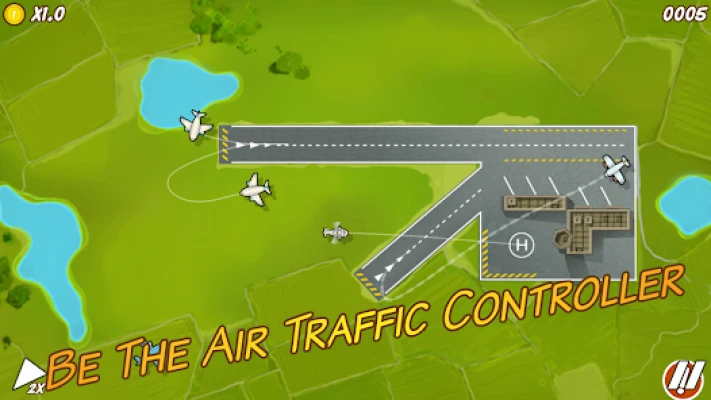
Your main responsibility is to direct aircraft toward suitable runways and landing areas while preventing collisions and managing increasingly complicated air traffic. As more planes arrive, the pressure increases, making quick decisions, careful planning, and good timing essential.
With its accessible controls, challenging levels, and fast-paced gameplay, Air Control 2 offers an entertaining experience for players who enjoy simulation games, aviation challenges, and strategic puzzle gameplay.
Specific Game Titles and Information
Game Title: Air Control 2
Developer: Four Pixels Games
Game Category: Action, Casual, Simulation, Strategy
Game Genre: Airport Traffic Control Simulation
Platform: Android
Gameplay Style: Single-player and local cooperative multiplayer
Game Modes: Airport traffic management and cooperative maps
Content Rating: Everyone
Monetization: Free to play with advertisements and in-app purchases
Internet Connection: Supports offline gameplay
Main Objective: Guide different aircraft safely to their designated landing areas while avoiding collisions.
Main Gameplay Elements: Airplanes, helicopters, zeppelin airships, runways, flight paths, storms, and radio interference.
Special Aircraft: SR-71 Blackbird
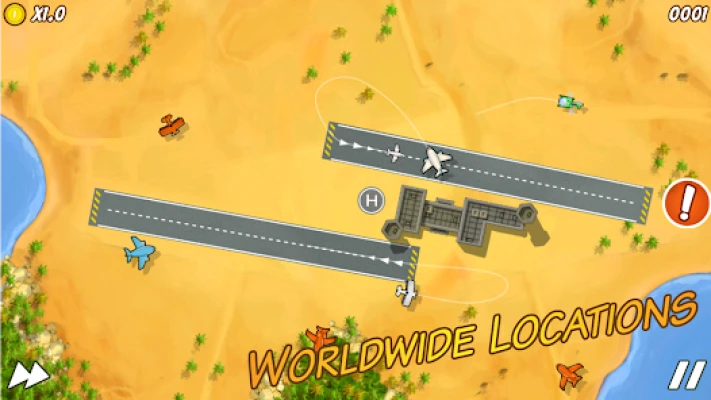
Environments: Worldwide locations, including deserts and snowy mountain regions.
Developer: Four Pixels Games
All About Air Control 2
What Is Air Control 2?
Air Control 2 is the sequel to the popular Air Control game, bringing a more varied and demanding airport management experience to mobile devices. It puts players in the position of an air traffic controller rather than a traditional pilot. Your job is to monitor aircraft movements, organize landing routes, and prevent dangerous situations from developing.
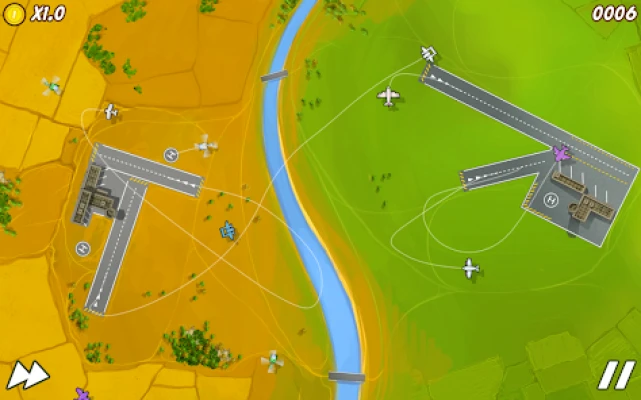
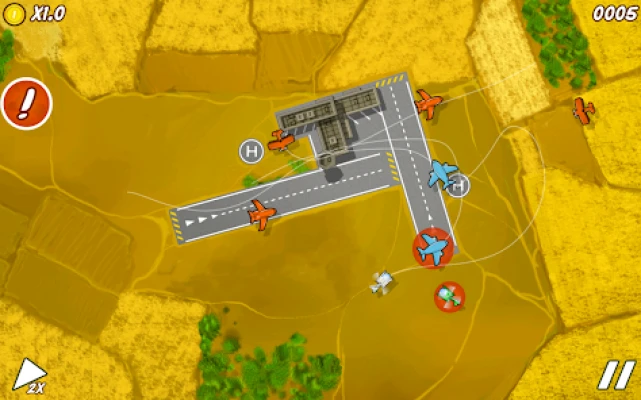
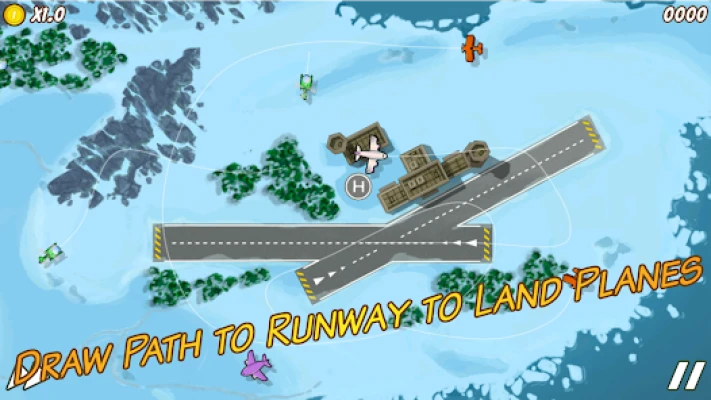
The gameplay revolves around drawing flight paths for incoming aircraft. Each plane or helicopter needs to reach the correct destination, and every movement must be planned carefully. As additional aircraft enter the screen, the airport becomes increasingly crowded, turning a simple task into a challenging test of concentration.
The game introduces different aircraft types, international environments, environmental hazards, and unexpected communication problems. These elements keep the experience interesting and require players to adjust their decisions as situations change.
Aircraft Variety and Airport Management
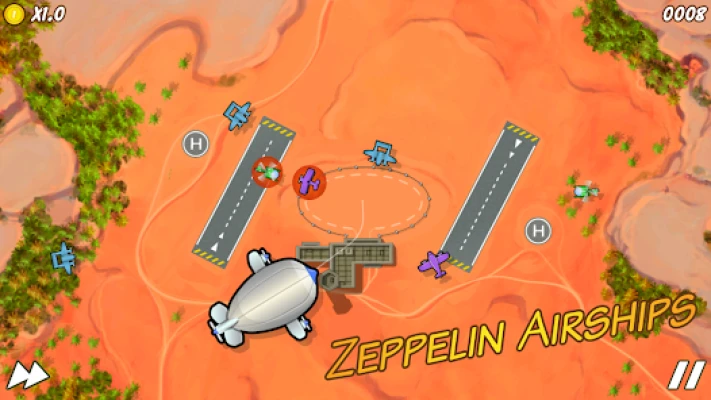
One of the most enjoyable aspects of Air Control 2 is its selection of aircraft. Players encounter different airplanes, helicopters, and even large zeppelin airships.
Each aircraft contributes to the overall challenge because the player must keep track of multiple moving objects and guide them toward suitable landing areas.
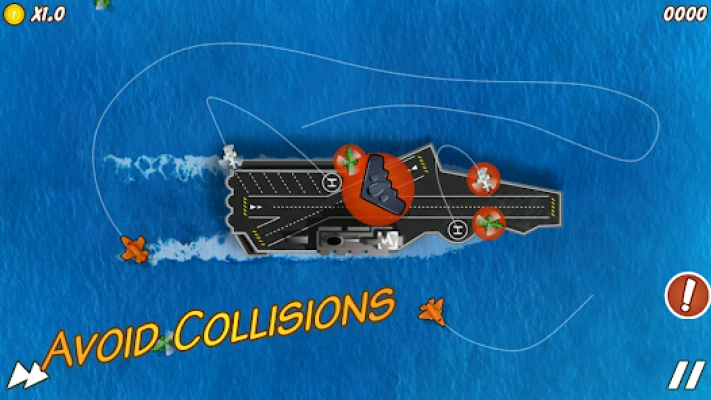
The appearance of the SR-71 Blackbird adds another interesting aviation element. Its presence makes the aircraft selection more exciting and gives players another type of plane to manage.
Different Worldwide Locations
Air Control 2 takes players beyond a single airport environment. Its locations range from scorching desert landscapes to freezing mountain settings.
These different environments give the game visual variety and help create new challenges. Players must remain attentive regardless of the location because the main responsibility never changes: keep aircraft moving safely and avoid collisions.
Challenging Weather Conditions
Weather hazards add another layer of difficulty to airport management. Blazing storms can interfere with normal flight operations and force players to react quickly.
Instead of simply drawing the shortest route, you must pay attention to the situation around each aircraft and consider the safest available path.
Radio Interference
Radio jamming is another special gameplay challenge. When communication problems affect an aircraft, players must make quick decisions rather than relying on a predictable sequence of movements.
This feature makes the experience less repetitive and encourages players to stay alert throughout each session.
Cooperative Multiplayer
Air Control 2 also includes cooperative multiplayer maps that allow two people to play together on the same tablet.
This mode creates an enjoyable shared challenge. Both players can participate in managing airport traffic, making communication and coordination important parts of the experience.
Simple Controls With Increasing Difficulty
The basic controls are straightforward, making the game accessible to newcomers. Players draw routes to guide aircraft toward their designated runways.
However, the simplicity of the controls does not mean the game is easy. The real challenge comes from managing several aircraft simultaneously, recognizing potential collisions, and deciding which plane needs attention first.
Full Air Control 2 Strategy Guide
Understanding the Basic Gameplay
The first thing to understand is that Air Control 2 is about managing several moving aircraft rather than controlling one vehicle.
Your task is to guide planes and other aircraft toward their appropriate landing areas. You need to draw flight paths that allow them to reach their destinations without crossing dangerous routes.
At the beginning, take a moment to understand the airport layout. Identify the available runways and landing areas, observe where aircraft enter the screen, and pay attention to the direction in which they are moving.
Avoid drawing routes immediately without checking the surrounding space. A few seconds of observation can prevent unnecessary mistakes later.
Learn to Read Aircraft Movement
Successful air traffic management begins with understanding how aircraft move.
Watch the direction of each plane and estimate how much time it will take to reach a particular area. Some situations require immediate action, while others give you enough time to plan a safer route.
Do not focus exclusively on the aircraft closest to a runway. A plane approaching from another direction may create a collision risk before the first aircraft reaches its destination.
Develop the habit of looking at the entire screen before making important decisions.
Create Safe and Organized Flight Paths
Drawing routes is the central skill in Air Control 2.
Whenever you assign a destination to an aircraft, think about the complete route rather than just its final landing point.
Try to keep flight paths organized and avoid unnecessary intersections. Routes that cross repeatedly can create dangerous situations, especially when several aircraft are moving at different speeds.
A good route should be direct enough to avoid wasting time but sufficiently separated from other aircraft movements.
Prioritize Aircraft That Are in Immediate Danger
When the airport becomes crowded, you may not have enough time to manage every aircraft in the same order.
The best strategy is to identify the most urgent situation first.
Pay particular attention to aircraft that are approaching one another, moving toward intersecting routes, or getting close to an unsuitable landing area.
An aircraft with plenty of open space around it can usually wait a little longer. A plane approaching a possible collision needs immediate attention.
Learning to recognize these situations is one of the most important skills for improving your performance.
Avoid Drawing Too Many Routes at Once
It may seem efficient to assign routes to every aircraft as quickly as possible. However, making too many decisions without checking their consequences can create additional problems.
Instead, manage the traffic in small groups.
Guide one or two aircraft, check their movement, and then make your next decisions. This approach gives you more control over the airport and makes it easier to recognize potential conflicts.
As your experience improves, you will become more comfortable handling several routes simultaneously.
Manage Different Aircraft Types Carefully
Air Control 2 features more than ordinary passenger airplanes. You will also encounter helicopters and zeppelin airships.
Do not assume that every aircraft should be handled in exactly the same way. Pay attention to the available landing areas and the requirements indicated by the game.
When different aircraft appear together, keep their movements organized and avoid creating unnecessary congestion around shared areas.
The key is to recognize which destination belongs to each aircraft and plan accordingly.
Handle Fast Aircraft With Extra Attention
The SR-71 Blackbird is one of the notable aircraft featured in the game.
Whenever a particularly fast aircraft appears, avoid waiting until it is close to another plane before planning its route.
Think ahead and check whether its intended path could interfere with other aircraft. Fast-moving traffic can reduce the time available for corrections, so early planning is especially valuable.
Survive Storm Challenges
Storms can make an already busy airport more difficult to manage.
When these hazards appear, avoid relying entirely on your usual movement patterns. Watch the affected aircraft and consider how the changing conditions influence the safest available routes.
Do not rush into complicated route changes without understanding the situation. A clear and controlled decision is generally better than several quick adjustments that create additional conflicts.
Deal With Radio Jamming
Radio interference can make certain situations unpredictable.
When a plane experiences radio jamming, pay close attention to its movement and be ready to respond quickly.
The best approach is to maintain awareness of nearby aircraft instead of concentrating exclusively on the affected plane. This helps you prevent one unexpected situation from creating a chain reaction across the airport.
Stay calm, evaluate the available space, and choose a safe route whenever possible.
Keep Runways From Becoming Overcrowded
Runway management is essential for maintaining smooth airport operations.
Sending several aircraft toward the same landing area without considering their arrival timing can create serious problems.
Try to organize incoming traffic so that aircraft have enough separation. If one plane is already approaching a runway, consider the movement of other aircraft before directing them toward the same destination.
Good timing is just as important as choosing the correct runway.
Use the Entire Screen to Your Advantage
A common mistake is focusing on one small section of the airport while ignoring aircraft entering from other directions.
Keep your attention moving across the entire playing area. Regularly check the upper, lower, and side sections of the screen.
This broader view helps you notice incoming aircraft earlier and gives you more time to plan their routes.
It also reduces the possibility of overlooking a plane while concentrating on another landing.
Improve Your Reaction Time
Quick decisions are important, but reaction speed alone will not guarantee success.
The best players combine fast responses with careful observation.
Practice recognizing common traffic situations, such as two planes approaching the same area or multiple aircraft following intersecting paths.
As these situations become familiar, you will spend less time deciding what to do and more time managing traffic efficiently.
Learn From Failed Attempts
Not every airport session will end successfully. A collision or poorly planned route can interrupt an otherwise promising run.
Instead of repeating the same approach, think about what caused the problem.
Did two flight paths overlap? Did you overlook an incoming aircraft? Was a landing area already occupied? Did you wait too long before changing a route?
Understanding the reason behind a mistake is more useful than simply restarting and hoping for a better result.
Master Cooperative Multiplayer
The cooperative maps offer a different way to experience Air Control 2.
When playing with another person, coordination becomes essential. Both players should pay attention to the aircraft they are managing and avoid making conflicting decisions.
A useful approach is to divide responsibilities according to different sections of the airport whenever the map allows it.
Communicate clearly, watch the other player's movements, and avoid changing routes without considering how those changes affect shared traffic.
Working together can make busy airport situations easier to manage and more enjoyable.
Advanced Tips and Tricks for Air Control 2
Think Ahead Instead of Reacting Late
Always consider where an aircraft will be in a few moments. Planning routes before traffic becomes crowded gives you more options.
Avoid Unnecessary Route Changes
Repeatedly changing flight paths can make traffic harder to understand. Make deliberate decisions and adjust routes only when necessary.
Watch for Intersections
Two aircraft following separate routes can still create a collision risk if their paths cross. Check the complete movement of both planes.
Prioritize Safety Over Speed
A shorter route is not always the best route. A slightly longer path may provide better separation and reduce the risk of an accident.
Keep Track of Incoming Aircraft
New aircraft can quickly change the situation. Never assume the airport is under control simply because the current planes are following their assigned paths.
Stay Calm During Difficult Moments
Crowded airports and unexpected hazards can create pressure. Remaining focused helps you make better decisions and avoid careless mistakes.
Practice on Familiar Locations
Spend time learning how different airport layouts work. Understanding the available landing areas makes it easier to organize traffic when the challenge increases.
Use Cooperative Play to Improve Coordination
Playing with another person can help develop better awareness of shared routes, timing, and traffic organization.
Common Mistakes to Avoid
Sending Aircraft Along Crossing Routes
One of the most dangerous mistakes is creating flight paths that intersect without considering aircraft timing. Always check the complete route before assigning a destination.
Ignoring Incoming Traffic
Concentrating too much on aircraft already near the runway can cause you to overlook new arrivals. Keep checking the entire screen.
Making Decisions Without Planning
Quick reactions are useful, but careless decisions can create more problems. Take a brief moment to evaluate the situation before drawing a route.
Overloading One Landing Area
Directing too many aircraft toward the same runway can lead to congestion. Consider arrival timing and available space.
Forgetting About Special Hazards
Storms and radio interference can change how you need to manage traffic. Stay alert when these challenges appear.
Losing Track of Different Aircraft
When several types of aircraft are on the screen, it is easy to confuse their routes. Pay attention to each aircraft's intended destination.
Is Air Control 2 Worth Playing?
Air Control 2 is a good choice for players who enjoy casual strategy games, airport simulations, and challenges that reward quick thinking.
Its biggest strength is its simple but engaging gameplay concept. Drawing flight paths is easy to understand, yet managing a crowded airport requires concentration, planning, and constant awareness.
The variety of aircraft, international locations, storm hazards, radio interference, and cooperative multiplayer maps adds variety to the experience.
It is also suitable for shorter gaming sessions because players can jump into an airport challenge without learning complicated controls.
However, players looking for a realistic aviation simulator with detailed aircraft controls and authentic flight procedures may find the experience more arcade-focused than expected.
Frequently Asked Questions
What is the main objective of Air Control 2?
The main objective is to guide airplanes and other aircraft toward their designated runways and landing areas while preventing collisions.
Who developed Air Control 2?
Air Control 2 was developed by Four Pixels Games.
Can you control different types of aircraft?
Yes. The game includes different airplanes, helicopters, and zeppelin airships.
Does Air Control 2 feature multiplayer?
Yes. It offers cooperative maps where two players can play together on the same tablet.
Does Air Control 2 include weather challenges?
Yes. Players must deal with dangerous storm conditions that make airport traffic management more challenging.
What is the SR-71 Blackbird in Air Control 2?
The SR-71 Blackbird is a special aircraft featured in the game and is described in its store listing as the world's fastest plane.
Can Air Control 2 be played offline?
The Google Play listing identifies offline play as supported, making it suitable for gaming without a constant internet connection.
Is Air Control 2 difficult?
The basic controls are simple, but the difficulty increases as more aircraft, hazards, and traffic situations demand your attention.
Is Air Control 2 suitable for casual players?
Yes. Its straightforward controls and short-session gameplay make it accessible to casual players, while its increasing challenges offer more demanding gameplay for experienced players.
Final Verdict
Air Control 2 turns airport traffic management into an exciting test of strategy, concentration, and quick decision-making. Instead of flying an aircraft yourself, you are responsible for coordinating an entire airport and ensuring that every plane reaches its destination safely.
Its combination of different aircraft, worldwide locations, weather challenges, radio interference, and cooperative gameplay gives it plenty of variety. Although the controls are easy to understand, mastering busy airports requires patience and a good understanding of flight paths.
For fans of aviation-themed games, casual simulations, and strategic puzzle challenges, Air Control 2 offers an entertaining experience that rewards careful planning and fast reactions.
Rate the Game
User Reviews













Popular Games



















 Android
 iOS
 Windows
 Xbox