
Latest Version
November 12, 2026
Ndemic Creations
Strategy
0
com.ndemiccreations.afterinc
Report a Problem
More About :game
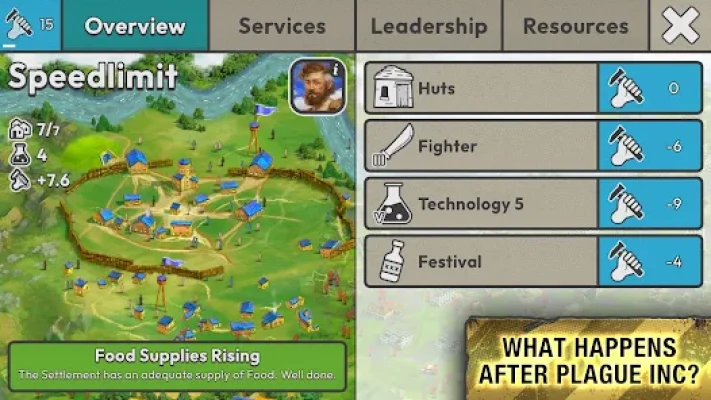
Players must construct essential buildings, manage food and population needs, research technologies, and make difficult decisions that shape the future of their communities. With different leaders, multiple settlement locations, challenging missions, and a persistent campaign, After Inc. offers an engaging combination of survival management, strategic expansion, and civilization building.
What happens after a zombie apocalypse destroys civilization? After Inc. explores this question through an engaging strategy experience where rebuilding humanity becomes the ultimate objective.
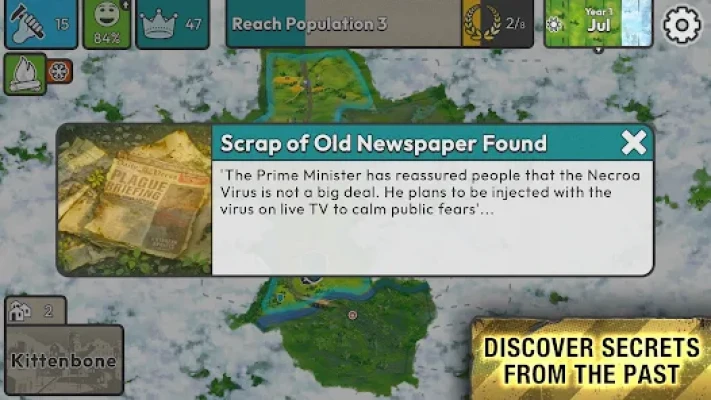
Developed by Ndemic Creations, the studio behind the popular Plague Inc., After Inc. takes place decades after the Necroa Virus devastated the world. The outbreak has passed, but the consequences remain. Small groups of survivors are beginning to rebuild society in a world filled with abandoned settlements, dangerous ruins, and wandering zombies.
Your responsibility is to guide these survivors toward a safer and more prosperous future.
Unlike traditional zombie games that focus primarily on shooting and escaping, After Inc. emphasizes planning, resource management, settlement construction, and difficult leadership decisions.
You must establish housing, secure food supplies, collect materials, research technologies, and expand your territory while maintaining the stability of your population.
Every decision matters because your settlement depends on a careful balance between survival, happiness, security, and economic development.
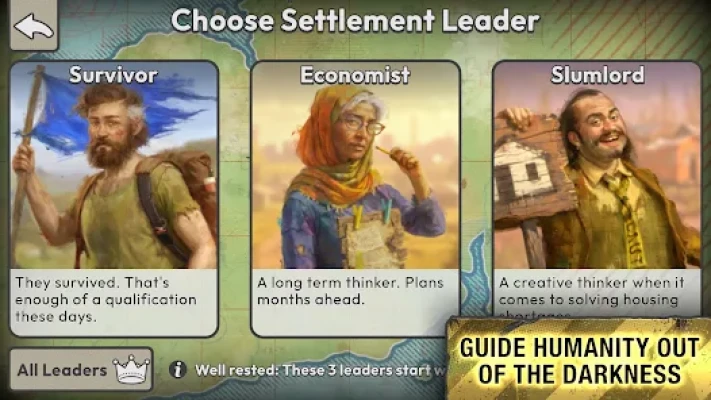
The game also introduces multiple leaders with different abilities, allowing players to experiment with alternative strategies and approaches to rebuilding civilization.
Main Features of After Inc.
Post-Apocalyptic World
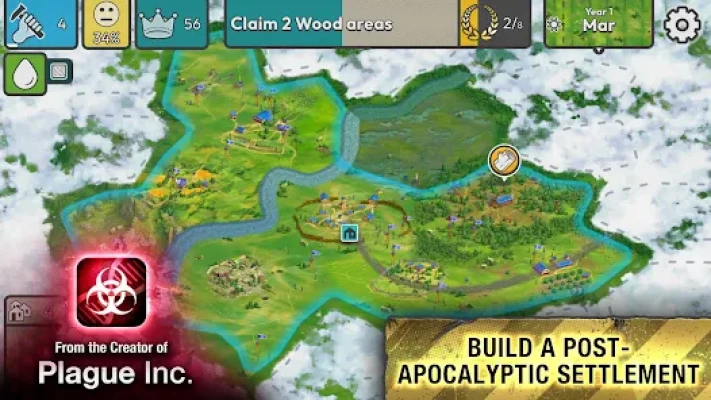
Explore a beautifully designed version of the United Kingdom decades after the zombie apocalypse. Discover abandoned locations, collect valuable materials, and uncover opportunities to expand your settlement.
Settlement Building
Construct essential facilities to support your growing population. Build houses, farms, lumberyards, and other structures that provide resources and improve living conditions.
Zombie Combat and Defense
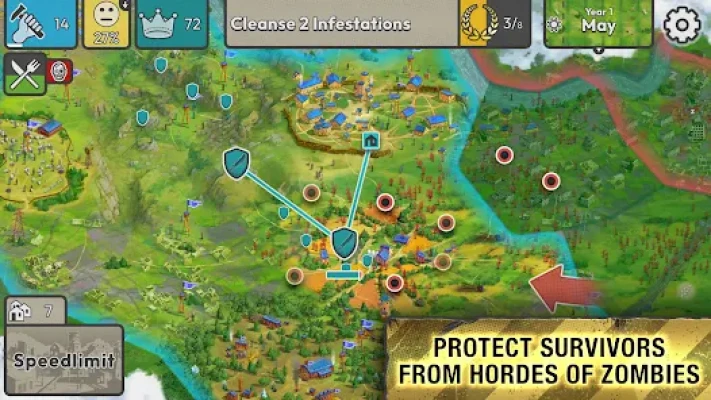
Dangerous zombies remain throughout the world. Clear infected areas, protect your settlement, and prepare your survivors for unexpected attacks.
Resource Collection and Management
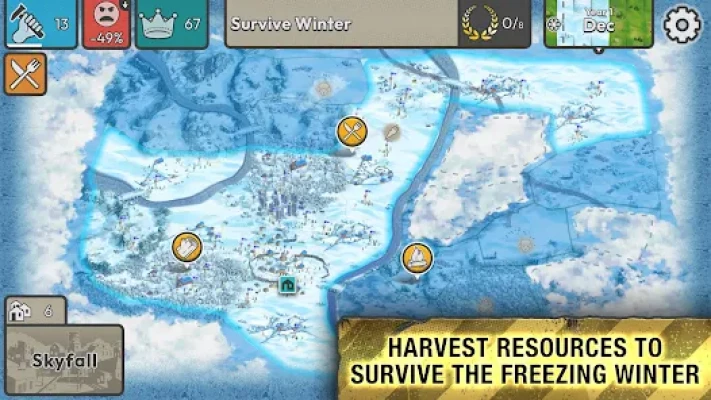
Gather important materials from the environment and abandoned locations. Manage food, wood, and other resources carefully to maintain a stable community.
Research and Technology
Discover old technologies and develop new improvements that help your settlement become more efficient and secure.
Population Management
Your survivors need food, shelter, services, and protection. Keeping people satisfied is essential for maintaining a stable society.
Important Leadership Decisions
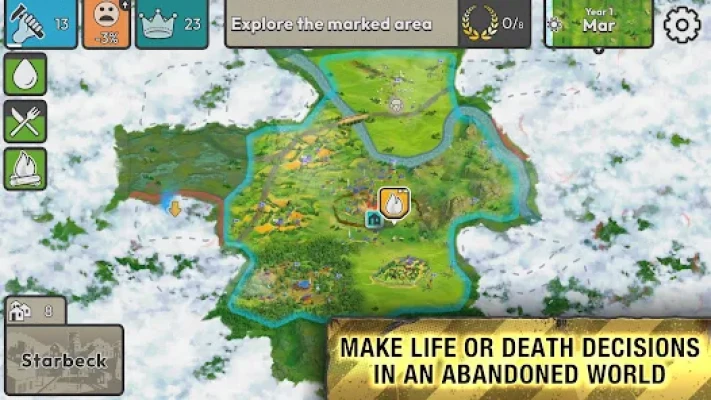
Make difficult choices that influence your community. Decide how to manage social issues, establish policies, and balance the needs of your population.
Multiple Leaders
Choose from different leaders with distinct abilities and strategic advantages. Each leader offers a different approach to settlement development.
Persistent Campaign Progression
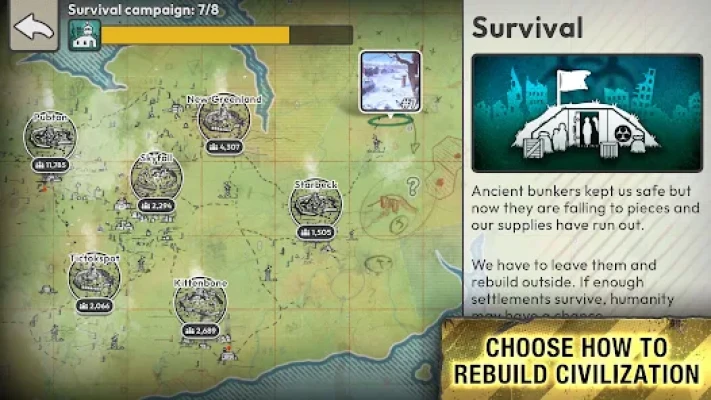
Build multiple settlements and develop abilities that help your future attempts. Your overall campaign gradually expands as you overcome additional challenges.
Expeditions and Additional Challenges
Explore additional maps, discover rewards, and deal with different environmental modifiers through the expedition system.
Custom Scenarios
The game includes community-created scenarios and a scenario creator, offering additional ways to experience the post-apocalyptic world.
Offline Gameplay
After Inc. can be played without an internet connection, making it suitable for players who prefer single-player strategy experiences.
Understanding the Gameplay Mechanics
Settlement Construction
Building a successful settlement is the foundation of your survival strategy.
You begin with a small group of survivors and limited resources. Your first responsibility is to establish the facilities needed to support the community.
Housing provides places for survivors to live, while farms help maintain a reliable food supply. Lumberyards and other production buildings support future construction and expansion.
Every building has a purpose, so you should consider your settlement's immediate needs before investing in additional structures.
Expanding too quickly can create resource shortages, while developing too slowly may prevent you from completing important objectives.
Resource Management
Resources are essential for almost every activity in After Inc.
You need materials to construct buildings, support your population, research improvements, and strengthen your defenses.
Food is especially important because a growing population requires a reliable supply.
Wood and other construction materials are also necessary for expanding your settlement.
The best approach is to maintain a balance between gathering resources and spending them.
Avoid using everything on optional construction when your community still needs essential facilities.
Population and Morale
Your survivors are the most important part of your settlement.
A successful community requires more than enough buildings and resources. People also need appropriate services and living conditions.
Morale influences the stability of your settlement, so ignoring the population's needs can create serious problems.
Pay attention to available services, housing capacity, food supplies, and important social decisions.
A settlement with satisfied survivors is easier to manage and better prepared for future challenges.
Authority and Leadership
Authority is another important part of settlement management.
Your leadership decisions influence how successfully you maintain control and guide your community.
Some situations require difficult choices, particularly when resources are limited or different groups have conflicting needs.
Avoid making decisions without considering their potential consequences.
Maintaining authority while providing for your population is an important part of successful management.
Zombie Threats
Although decades have passed since the original outbreak, zombies remain a serious danger.
Infested areas can prevent expansion and threaten nearby survivors.
You must prepare your settlement before attempting to clear dangerous locations.
Combat and territorial expansion should be coordinated with your available resources and defensive capabilities.
Ignoring nearby zombie threats can make future development considerably more difficult.
Complete After Inc. Strategy Guide
How to Start Strong as a Beginner
The opening stages determine how efficiently your settlement develops.
Start by following the tutorial and understanding the basic systems. Learn how construction, resource collection, population management, and exploration work together.
Prioritize essential buildings rather than immediately expanding in every direction.
Your first objectives should include establishing housing, securing food production, and collecting the materials required for future development.
Pay attention to the goals displayed during each scenario. These objectives provide a clear direction and help you avoid unnecessary spending.
Do not rush into dangerous territory before preparing your survivors.
A stable settlement with reliable resources is a much stronger starting point than a large community struggling with shortages.
Best Settlement Building Strategy
The most effective settlement strategy focuses on essential infrastructure first.
Start with facilities that directly support population growth and survival.
Housing helps accommodate additional survivors, while farms provide the food needed to sustain them.
Production facilities should follow as your material requirements increase.
Before constructing a new building, consider whether your current economy can support it.
Avoid expanding your settlement faster than your resource production can handle.
It is also useful to think about the location of your buildings. Organizing your settlement efficiently makes it easier to identify important facilities and manage development.
How to Manage Food Efficiently
Food management is one of the most important aspects of survival.
Your population requires a consistent supply, and shortages can quickly undermine settlement stability.
Build farms when necessary and monitor food production as your population increases.
Do not assume that your original food supply will remain sufficient throughout the entire scenario.
Before expanding housing, consider whether your existing agricultural facilities can support additional survivors.
If you encounter a temporary shortage, prioritize actions that restore food production rather than spending resources on less important buildings.
Maintaining a healthy food reserve also provides additional security when unexpected situations occur.
Best Resource Collection Strategy
Scavenging and harvesting are essential for expanding your settlement.
Abandoned locations can contain useful materials that support construction and development.
Explore nearby areas strategically and prioritize resources that are required for your next objectives.
Avoid sending your survivors into dangerous locations without considering the potential risks.
A good scavenging strategy balances the value of collected materials against the danger of exploration.
When your settlement needs additional wood or other materials, prioritize locations that can help resolve those shortages.
How to Expand Your Territory
Territorial expansion gives your settlement access to new resources and opportunities.
However, expanding too quickly can expose your community to dangerous zombie infestations and increase your management responsibilities.
Before moving into a new area, evaluate the surrounding threats and your available resources.
Make sure your settlement has sufficient food, construction materials, and defensive capabilities.
Clear dangerous locations when necessary and secure important areas before developing additional infrastructure.
Gradual expansion is usually more manageable than attempting to control a large territory immediately.
Best Zombie Defense Strategy
Zombie threats are a constant concern throughout After Inc.
Your settlement must be prepared to deal with infected areas and dangerous encounters.
Before attacking a zombie-infested location, examine the situation and ensure your available forces are suitable for the challenge.
Avoid unnecessary confrontations when your community is not ready.
Prioritize dangerous areas that threaten important resources, expansion routes, or settlement security.
After clearing a location, take advantage of the opportunities it provides and continue strengthening your defenses.
Remember that protecting your survivors is more important than expanding territory as quickly as possible.
How to Maintain High Morale
Morale is closely connected to the quality of life inside your settlement.
Survivors need more than food and housing. They also depend on services and effective leadership.
Pay attention to the needs highlighted by the game and respond to important problems before they become serious.
Build appropriate services when they are required and avoid allowing basic needs to remain unresolved.
When making difficult decisions, consider how each choice could affect the community.
A stable population makes it easier to focus on construction, exploration, and long-term development.
How to Maintain Authority
Authority is an important factor in successful leadership.
Your settlement depends on effective management, and losing control can threaten the entire community.
Respond to important situations carefully and avoid decisions that create unnecessary instability.
Maintain essential services and ensure that your survivors receive the support they need.
When the game presents difficult political or social choices, consider the immediate consequences as well as the long-term effects.
Do not focus exclusively on short-term gains if they could undermine the stability of your settlement.
Best Research and Technology Strategy
Research allows your community to benefit from knowledge recovered from the old world.
Technological improvements can make construction, production, and survival more efficient.
Whenever research opportunities become available, examine their benefits and consider which improvements support your current objectives.
Prioritize technologies that resolve existing weaknesses.
For example, if resource production is slowing down your expansion, improvements related to production may be more useful than technologies that do not address your immediate needs.
Research is particularly valuable during longer scenarios where its benefits can support several stages of development.
How to Complete Settlement Objectives
Each scenario introduces goals that guide your progress.
Some objectives focus on population growth, while others require resource production, territorial expansion, or eliminating zombie threats.
Read all available objectives before spending your resources.
This helps you understand which facilities and actions are necessary to complete the scenario.
Try to work toward multiple compatible objectives at the same time.
For example, expanding food production may support population growth while also helping you maintain morale.
Avoid investing heavily in buildings that do not contribute to your current goals unless they provide an important long-term advantage.
Best Leader Selection Strategy
After Inc. includes five distinct leaders with different abilities.
Your choice of leader can influence how you approach settlement development.
Some leadership abilities may be better suited to resource management, while others can support expansion, research, or survival.
Before starting a scenario, examine the available leader bonuses.
Choose a leader whose strengths complement the challenges of the map.
If you struggle with a particular scenario, experimenting with another leader can provide a useful alternative strategy.
Do not assume that the same leader is the best choice for every situation.
How to Handle Difficult Decisions
One of the most interesting aspects of After Inc. is its decision-making system.
You may encounter situations involving food shortages, social policies, population needs, and difficult moral choices.
These decisions can affect your settlement in different ways.
For example, questions about whether dogs should be treated as pets or used as a food source demonstrate the difficult compromises survivors may face.
Other decisions involve political systems, family life, and the distribution of limited resources.
Before choosing an option, consider how it affects your immediate survival requirements and the long-term stability of your community.
There is not always one universally correct answer. The best choice depends on your current circumstances.
Best Strategy for Expeditions
Expeditions provide additional challenges beyond the standard settlement experience.
Different maps, rewards, and modifiers can change how you approach development.
Before starting an expedition, review its conditions and identify potential difficulties.
Some modifiers may make resource management more challenging, while others introduce additional threats or restrictions.
Adapt your strategy to the map instead of repeating the same building order every time.
Focus on the expedition's objectives and make sure your settlement has enough resources to support its development.
Sandbox Mode also offers an alternative way to experience expeditions without the usual goals or impatience pressure.
How to Progress Faster in the Campaign
Campaign progression involves completing multiple settlements and developing abilities that support future attempts.
The most effective way to advance is to learn from previous scenarios.
Identify which resource shortages caused problems and which buildings were most useful.
Use those lessons to improve your next settlement.
Pay attention to permanent abilities and available campaign improvements.
These upgrades can help you establish stronger communities and overcome later challenges more efficiently.
Rather than repeating the same mistakes, gradually refine your strategy as the campaign becomes more demanding.
Best Strategy for Custom Scenarios
Custom scenarios add another dimension to the game.
You can explore community-created challenges and use the scenario creator to design your own experiences.
When playing unfamiliar scenarios, carefully review the rules and objectives before beginning.
Some custom challenges may require unusual approaches to construction, defense, or resource management.
Experiment with different leadership styles and settlement layouts.
This is also a useful way to improve your general understanding of the game's mechanics.
Best Tips and Tricks for After Inc.
Prioritize housing, food production, and essential services.
Monitor food supplies as your population grows.
Collect resources before committing to expensive construction projects.
Explore nearby abandoned locations for useful materials.
Avoid expanding into dangerous territory without preparation.
Keep your survivors satisfied by addressing their basic needs.
Maintain authority through careful leadership decisions.
Research technologies that support your current objectives.
Choose leaders according to their individual strengths.
Clear zombie-infested areas that threaten important expansion routes.
Read scenario objectives before spending valuable resources.
Avoid constructing unnecessary buildings during the early stages.
Keep enough materials available for emergency situations.
Experiment with different strategies when a scenario becomes difficult.
Use campaign abilities to improve future settlements.
Adapt your approach to expedition modifiers and map conditions.
Common Mistakes to Avoid
Expanding Too Quickly
Rapid expansion can create resource shortages and expose your settlement to dangerous zombie threats. Develop your infrastructure before claiming too much territory.
Ignoring Food Production
Food is essential for maintaining a growing population. Monitor agricultural output regularly and build additional farms when necessary.
Neglecting Survivor Needs
A settlement can have plenty of buildings and materials but still struggle if its population is unhappy. Pay attention to morale and available services.
Spending Resources Without Planning
Every unnecessary building delays important development. Prioritize construction according to your current objectives.
Ignoring Zombie Infestations
Leaving dangerous areas unchecked can interfere with territorial expansion and threaten nearby settlements.
Making Decisions Without Considering Their Consequences
Important situations can affect authority, morale, and resource availability. Think carefully before selecting an option.
Choosing the Wrong Leader
Different leaders offer different advantages. Select one whose abilities support the challenges of your chosen scenario.
Ignoring Research
Technology can provide valuable improvements. Neglecting research may make later stages more difficult.
Is After Inc. Worth Playing?
After Inc. is an excellent choice for players who enjoy strategy games that combine city building, survival management, exploration, and decision-making.
Its biggest strength is the way it transforms a traditional zombie apocalypse setting into a civilization-building challenge.
Instead of simply fighting endless waves of enemies, players must think about the future of humanity. Building farms, managing resources, protecting survivors, and maintaining social stability are just as important as eliminating zombies.
The different leaders and settlement scenarios provide additional replay value, while expeditions and custom scenarios introduce further challenges.
Players familiar with Plague Inc. may appreciate the connection between the two games, although After Inc. offers a very different gameplay experience.
The game also supports offline play, making it convenient for single-player sessions without a constant internet connection.
Its optional expansion packs provide additional content through separate purchases rather than relying on consumable microtransactions.
For fans of strategic city builders, post-apocalyptic survival games, and resource management simulations, After Inc. is well worth exploring.
Frequently Asked Questions
What is After Inc.?
After Inc. is a post-apocalyptic strategy and city-building game where players rebuild civilization after a devastating zombie outbreak.
Who developed After Inc.?
After Inc. was developed by Ndemic Creations, the studio known for Plague Inc.
Is After Inc. related to Plague Inc.?
Yes. After Inc. takes place decades after the Necroa Virus outbreak featured in Plague Inc. However, its gameplay focuses on rebuilding civilization rather than spreading a disease.
Is After Inc. free to play?
The Android version is free to download and offers optional in-app purchases, including additional content.
Can you play After Inc. offline?
Yes. The game supports offline single-player gameplay.
What is the main objective of After Inc.?
The main objective is to rebuild human civilization by establishing settlements, managing resources, protecting survivors, and completing different scenario goals.
How do you get more food in After Inc.?
Build and improve farms, manage available resources, and ensure your food production keeps pace with population growth.
How do you defeat zombies?
Prepare your settlement, develop suitable defenses, and clear infected areas strategically. Avoid dangerous confrontations when your forces are not ready.
Why is morale important?
Morale reflects the well-being of your survivors. Maintaining suitable living conditions and providing essential services helps keep your community stable.
What are the different leaders in After Inc.?
The game features five leaders with different abilities. Each provides an alternative approach to managing and developing settlements.
What are expeditions in After Inc.?
Expeditions offer additional maps, modifiers, rewards, and challenges beyond the standard settlement scenarios.
Does After Inc. have a sandbox mode?
Yes. Sandbox Mode allows players to experience expeditions without the usual goals or impatience pressure.
Can players create their own scenarios?
Yes. After Inc. includes a scenario creator that allows players to design custom challenges.
Is After Inc. a shooting game?
No. Although fighting zombies is part of the experience, the main gameplay focuses on strategy, settlement construction, resource management, and civilization development.
Final Verdict
After Inc. delivers a refreshing take on zombie survival by focusing on what happens after the apocalypse rather than the outbreak itself. Its combination of city building, resource management, exploration, leadership decisions, and zombie defense creates a strategic experience where every choice can influence the future of humanity.
Success depends on maintaining a healthy balance between economic development, population happiness, authority, and security. Build essential facilities, secure food supplies, explore carefully, and eliminate threats before expanding too aggressively.
With different leaders, multiple settlements, campaign progression, expeditions, and custom scenarios, After Inc. offers plenty of opportunities to develop new strategies and experience different challenges.
For players who enjoy thoughtful strategy games and post-apocalyptic civilization building, After Inc. is a compelling journey about rebuilding the world one settlement at a time.
Rate the Game
User Reviews














Popular Games



















 Android
 iOS
 Windows
 Xbox