


Latest Version
July 27, 2024
IVYGAMES
Strategy
0
com.flamingogames.gok
Report a Problem
More About :game
Abyss of Empires: The Mythology is a mobile strategy game developed by IVYGAMES. It combines city building, resource collection, army development, dragon-based combat, and large-scale multiplayer competition.
You begin as a ruler responsible for developing a settlement into a powerful empire. Your city needs resources, useful buildings, and a growing military force before you can compete effectively against stronger opponents. As your kingdom develops, you can expand your strategic options, participate in battles, and work with allies to challenge rival players.
Unlike a simple city-building game, Abyss of Empires places considerable emphasis on interaction with other players. Alliances can coordinate attacks, compete for valuable locations, and work toward larger objectives. Choosing when to develop your city, when to train troops, and when to enter a conflict becomes an important part of the experience.
The game also introduces a mythology-inspired element through legendary dragons. These creatures have different skills that can support your forces in battle, adding another layer to army preparation and combat decisions.
Players who enjoy empire-building games, real-time strategy, kingdom management, and competitive multiplayer warfare may find plenty to explore.
Main Features of Abyss of Empires: The Mythology
1. Build and Develop Your Own Empire
City development is one of the foundations of the game. You need to construct and improve buildings, gather resources, and create a settlement capable of supporting a growing kingdom.
Your city is more than a visual achievement. Its development supports your military strength and helps prepare you for increasingly demanding strategic challenges.
A balanced city is generally more useful than one focused entirely on a single type of development.
2. Choose Between Different Civilizations
Abyss of Empires advertises multiple civilizations that players can switch between. Different civilizations offer different bonuses, allowing you to adjust your development direction.
These bonuses can influence how you approach the game, so examine the available options and choose one that supports your preferred style. If you are more interested in economic development, consider the benefits that help your progression. If military competition is your priority, look for advantages relevant to your army and battlefield plans.
Check the current in-game descriptions before making a decision, as the exact benefits and available options can change with updates.
3. Gather Resources and Strengthen Your Economy
Resources are essential for building, upgrading, and preparing your military forces. Gathering them regularly helps prevent development from stalling when you want to improve an important structure or expand your army.
Resource management becomes especially important when several upgrades compete for the same materials. Instead of spending everything immediately, prioritize improvements that help your city progress and support your long-term goals.
4. Train Armies and Fight Real-Time Battles
Military development allows you to defend your territory and take part in conflicts with other players. Battles reward preparation, appropriate troop management, and cooperation with allies.
Charging into a fight without understanding the opponent or considering your own strength can waste valuable resources. Build your military steadily and choose engagements that support your wider strategy.
5. Command Legendary Dragons
Dragons are a distinctive feature of Abyss of Empires: The Mythology. The game includes legendary dragons with different skills that can help you overcome enemies.
Learning how each available dragon supports your army is important. Review its abilities and consider how they fit your military approach rather than choosing solely because of appearance or rarity.
A dragon's value depends on how effectively you use its abilities within your broader battle plan.
6. Form Alliances With Other Players
Alliances are central to the multiplayer experience. Working with other players can help you coordinate attacks, defend against threats, and participate in larger conflicts.
An active alliance can also make the game more engaging because success depends on communication and cooperation rather than individual development alone.
Before committing to an alliance, consider whether its members are active and whether their objectives match your own.
7. Compete for Cities and Territory
The game features city occupation, which can provide benefits to the player or group controlling a location. Capturing strategic positions can therefore contribute to your empire's growth and influence.
Territorial competition requires preparation. Consider your available troops, the strength of potential opponents, and the support your allies can provide before committing to an attack.
8. Battle for the Throne
Abyss of Empires includes throne competition, where players and alliances seek to defeat rivals, seize resources, and establish their authority.
These objectives provide a larger purpose for city development and military preparation. Building a strong empire is not only about improving structures; it also prepares you to compete for influence in the wider game world.
9. Global Multiplayer Interaction
The game supports real-time interaction with players around the world and advertises translation features to help players communicate across languages.
This global environment creates opportunities for alliances and coordinated warfare, but it also means that other players may develop at different speeds and pursue different goals.
Understanding the multiplayer environment is an important part of long-term progression.
10. Free Building Placement
The game advertises a flexible construction system that lets players place buildings to create a city layout of their own.
This gives you room to personalize your settlement while developing its capabilities. Consider the overall layout and visual balance of your city, but remember that efficient progression and the buildings' functions should remain your main priorities.
How to Play Abyss of Empires: The Mythology
Step 1: Learn the City Interface
Begin by exploring your settlement and identifying the buildings, resource systems, military options, and available tasks. Understanding the interface helps you avoid wasting time searching for essential functions later.
Read building descriptions before spending resources on upgrades, and check what each structure contributes to your empire.
Step 2: Collect Available Resources
Gather resources regularly and learn which activities provide the materials you need. Your first objective is to establish a reliable economic foundation.
Avoid spending every resource as soon as it becomes available. Keep enough flexibility to respond to new construction requirements or military needs.
Step 3: Develop Essential Buildings
Focus on the buildings that support your overall progression. Upgrade them according to the requirements of the game and your immediate objectives.
A sensible development plan should support both your economy and your military. Avoid investing everything into structures that do not help your current stage of progression.
Step 4: Train and Prepare Your Troops
Develop your military before attempting challenging conflicts. Understand the troops available to you and how their roles contribute to your overall force.
You should also consider how much your army will cost to maintain or replace. Winning a battle is less useful if the losses leave your kingdom unable to defend itself afterward.
Step 5: Explore Your Dragon Options
Review the dragons available to your account and learn about their abilities. Select a dragon that complements your army and the challenges you expect to face.
Do not overlook this system when planning difficult battles. Dragon abilities can add useful support to your military approach.
Step 6: Join an Active Alliance
Once you understand the basic systems, look for an alliance whose members cooperate and participate in the activities that interest you.
Communication can help you learn the multiplayer environment, coordinate attacks, and avoid unnecessary conflicts with stronger opponents.
Step 7: Expand Carefully
As your city and military improve, begin participating in territorial competition and larger battles when appropriate.
Evaluate the risks before attacking another player. Make sure your forces are prepared and consider whether the potential reward justifies the resources you might lose.
Step 8: Keep Improving Your Strategy
As new options become available, revisit your city development, army composition, civilization bonuses, and alliance priorities.
The strongest long-term approach is one that adapts as your empire grows rather than relying on the same decisions throughout the game.
Complete Strategy Guide for Abyss of Empires: The Mythology
Strategy 1: Establish a Strong Economic Foundation
Your economy supports almost every major activity in the game. Without enough resources, construction slows down, upgrades become harder to complete, and military preparation may suffer.
During the early stages, prioritize activities that improve your ability to gather and spend resources efficiently.
Before beginning an expensive upgrade, check what you will need for the next important step. This prevents a situation where one building consumes your entire stockpile and leaves you unable to continue progressing elsewhere.
A strong economy gives you more freedom to respond to opportunities and threats.
Strategy 2: Avoid Upgrading Everything at Once
It can be tempting to improve every building whenever resources become available. However, spreading resources across too many upgrades can delay the improvements that matter most.
Create a simple priority list:
Buildings that unlock essential progression.
Improvements that strengthen your resource supply.
Structures that support military development.
Other upgrades that fit your current objectives.
The exact order will depend on your city and available options. Review the requirements shown in the game and spend resources where they provide the greatest practical benefit.
Strategy 3: Balance Economic Growth With Military Strength
A large stockpile is valuable, but it cannot protect your city by itself. Likewise, a powerful army is difficult to sustain if your economy cannot support continued development.
Try to maintain progress in both areas. Develop the buildings that support resource production while steadily preparing troops for defense and competition.
If you are frequently losing battles, strengthen your military preparation before pursuing additional territory. If you cannot afford upgrades or troop training, redirect some attention toward your economy.
Strategy 4: Choose Your Civilization Carefully
Civilization bonuses can influence your development priorities. Review the available benefits before committing to a particular direction.
Think about your preferred play style. Do you enjoy building an efficient city, developing a powerful military, or cooperating with allies in territorial warfare?
Choose bonuses that complement those goals, and check whether switching civilizations changes your strategy or requires additional preparation.
Strategy 5: Learn Your Dragons' Abilities
Dragons can provide valuable battlefield support, but their effectiveness depends on understanding their skills.
Read the ability descriptions and identify what each dragon does best. Consider whether its skills complement your army or help address a weakness in your current strategy.
Rather than investing blindly in every available option, focus on the dragons that contribute most to your immediate goals. Check the current game version for the exact effects and requirements of each dragon.
Strategy 6: Prepare Before Attacking
Before starting a conflict, consider your target carefully.
Check the opponent's apparent strength, your available troops, the resources at stake, and whether your alliance can provide support. A poorly planned attack can cost more than it gains.
You should also think about what happens after a victory. If your forces are badly weakened, another opponent may take advantage of the situation.
Choose battles that help your empire progress rather than treating every visible opponent as a target.
Strategy 7: Make Alliances Part of Your Strategy
In a multiplayer strategy game, individual strength is only one part of success. Cooperation can influence how effectively you defend territory and compete for major objectives.
Look for an alliance with active members, clear communication, and compatible goals. Learn how members coordinate their activities and follow any agreed rules for attacks or territorial competition.
Contribute when possible instead of relying entirely on other players. A cooperative member is more likely to build useful relationships and participate effectively in alliance objectives.
Strategy 8: Understand the Value of Occupied Cities
The game advertises bonuses associated with city occupation. Controlling a location can therefore provide strategic advantages beyond simply defeating an opponent.
Before pursuing a city, evaluate the forces needed to capture it and the potential cost of defending it afterward. Discuss important targets with your alliance so that your efforts support a wider plan.
Avoid committing to territorial competition without considering your ability to maintain control.
Strategy 9: Save Resources for Important Objectives
Resources may be needed for emergency defense, essential upgrades, troop replacement, or a major alliance operation.
Keeping some resources available gives you more flexibility. If you spend everything on optional improvements, you may struggle to respond when an important opportunity appears.
Before making a large purchase or starting an expensive upgrade, consider what you may need next and whether the investment supports your immediate priorities.
Strategy 10: Adapt to the Multiplayer Environment
Other players will develop at different rates and may follow different strategies. A plan that works against one opponent may not work against another.
Observe how your surroundings change and avoid relying on assumptions about enemy strength. When possible, communicate with allies and reassess your plans before major engagements.
Patience is especially important if you are still developing your city. There is little benefit in challenging opponents whose strength significantly exceeds your current capabilities.
Strategy 11: Protect Your Progress
City development and military growth require time and resources. Avoid unnecessary conflicts that could set your empire back.
Pay attention to the threats around you, coordinate defensive plans with allies when appropriate, and keep your military development aligned with the challenges you are likely to face.
A strong empire is not defined only by how much territory it can capture. It also needs to withstand pressure and recover from setbacks.
Strategy 12: Set Long-Term Goals
It is easier to make consistent progress when you have a clear objective. Your goal might be to strengthen your city, improve your army, develop a preferred dragon, or contribute to your alliance's territorial plans.
Break larger ambitions into manageable steps. Complete the improvements that support your current objective, then reassess what is needed next.
This approach helps prevent wasted resources and gives your development a clearer direction.
Beginner Tips and Tricks
Collect resources regularly so that your development does not stall.
Read building requirements before spending materials on upgrades.
Keep your economy and military development balanced.
Learn the benefits of each civilization before choosing a development path.
Review dragon abilities and consider how they support your army.
Join an alliance that communicates and participates actively.
Avoid attacking stronger opponents without a clear plan.
Consider the cost of replacing troops before entering a risky battle.
Keep some resources available for unexpected needs.
Work toward a small number of meaningful objectives at a time.
Advanced Tips for Experienced Players
Coordinate Attacks With Allies
Large conflicts are easier to manage when members understand the shared objective. Discuss target priorities and make sure your contribution supports the alliance's plan.
Evaluate Risk Before Taking Territory
An attractive target may require more resources to capture and defend than it provides in return. Consider the whole operation, including what happens after the battle.
Refine Your Army Around the Situation
Do not assume that one military setup is best for every opponent. Review your available troops and dragons, then adjust your preparation according to the challenge.
Invest With a Purpose
As your city develops, upgrades may become more expensive. Compare the benefits of competing improvements and prioritize the ones that help you achieve your next objective.
Think Beyond Individual Battles
Winning a fight can be useful, but long-term success depends on economic stability, troop replacement, territory management, and alliance cooperation. Make decisions that strengthen your empire after the battle is over.
Common Mistakes to Avoid
Spending All Your Resources Immediately
Using every available resource can leave you unprepared for essential upgrades or unexpected military needs. Maintain a sensible reserve whenever possible.
Ignoring the Economy
Military power depends on a reliable supply of resources. Neglecting economic development can slow your progress and make it difficult to recover from losses.
Building an Army Without a Plan
More troops do not automatically guarantee victory. Consider the opponent, your available support, and the cost of replacing any forces you lose.
Attacking Without Preparation
An impulsive attack may expose your city or weaken your ability to defend yourself. Evaluate the situation before committing your forces.
Choosing an Inactive Alliance
An alliance is more useful when its members communicate and cooperate. Look for a group whose activity level and objectives match your expectations.
Ignoring Dragon Abilities
Dragons are an important part of the game's mythology-inspired combat system. Learn what your available dragons can do and consider their abilities during preparation.
Pursuing Too Many Goals at Once
Trying to upgrade everything, train a large army, and compete for territory simultaneously can stretch your resources too thin. Focus on the objectives that matter most at your current stage.
Graphics, World Design, and Atmosphere
Abyss of Empires: The Mythology combines empire management with a fantasy-inspired world of cities, armies, dragons, and territorial conflict.
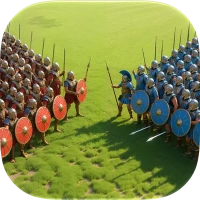
The visual presentation features detailed buildings, military units, and battlefield environments. These elements help create the feeling of ruling a developing kingdom rather than simply managing a collection of menus.
The mythology-inspired dragons give the game a distinctive identity within the strategy genre, while civilization choices and city construction provide opportunities to develop a settlement that reflects your preferences.
The multiplayer setting adds another layer to the atmosphere. Your empire exists within a wider competitive environment, where alliances and rival players influence the decisions you make.
Pros and Cons of Abyss of Empires: The Mythology
Pros
Combines city building with real-time multiplayer strategy.
Offers multiple civilizations with different bonuses.
Includes resource collection and military development.
Features legendary dragons with different skills.
Allows flexible building placement.
Supports alliances and global player interaction.
Includes city occupation and throne competition.
Offers strategic decisions beyond simply training troops.
Available on Android, with Windows availability also listed on Google Play.
Cons
Long-term development requires consistent resource management.
Competitive multiplayer can be challenging for newer or less-developed accounts.
Alliance activities may require coordination with other players.
Large conflicts can consume valuable military resources.
The number of systems may take time for beginners to understand.
Advertisements and optional in-app purchases are part of the listed monetization model.
Players who prefer offline or purely single-player strategy may find the online focus less appealing.
Is Abyss of Empires: The Mythology Worth Playing?
Abyss of Empires: The Mythology is worth considering if you enjoy developing a city, training armies, forming alliances, and competing for control of a shared game world.
Its combination of civilization bonuses, dragon abilities, resource management, and territorial warfare provides several systems to explore. The game is particularly suited to players who enjoy long-term progression and are willing to plan their development rather than focusing only on individual battles.
However, it may be less suitable for people who want a quick, self-contained strategy game with no online competition. Its multiplayer focus means that other players and alliance activity can become important parts of the experience.
Before committing substantial time or money, explore the early gameplay and decide whether its progression pace and competitive structure suit your preferences.
Abyss of Empires: The Mythology Game Information
Full Title: Abyss of Empires: The Mythology
Developer: IVYGAMES
Genre: Real-time strategy, empire building, and multiplayer war
Main Activities: City construction, resource gathering, army training, dragon-based combat, and territorial competition
Civilizations: Multiple civilization choices with different bonuses
Multiplayer: Online, with global interaction and alliance warfare
Special Features: Legendary dragons, flexible building placement, city occupation, and throne competition
Visual Style: Fantasy-inspired, detailed city and military environments
Platform: Android, with Windows availability also listed on Google Play
Monetization: Free to install, with advertisements and in-app purchases
Content Rating: Everyone, according to the current Google Play listing
Specific features, balance, and availability may vary with game updates and regional versions.
Frequently Asked Questions
What is Abyss of Empires: The Mythology?
Abyss of Empires: The Mythology is a real-time strategy game where players develop cities, gather resources, train armies, use dragons, and compete with other players for territory and power.
Who developed Abyss of Empires: The Mythology?
The game was developed by IVYGAMES.
Is Abyss of Empires: The Mythology a multiplayer game?
Yes. The game emphasizes real-time online interaction, global competition, alliances, and coordinated battles against other players.
Can you build your own city?
Yes. City construction is a core feature, and the game advertises flexible building placement so players can create their own settlement layout.
What do dragons do in Abyss of Empires?
Legendary dragons have different skills that can help your forces in battle. Reviewing their abilities and matching them to your strategy can help you prepare for combat.
How do you get stronger in Abyss of Empires?
Develop your city, gather resources, improve essential buildings, train troops, learn your available dragon abilities, and work with an active alliance. Balanced development is generally more useful than focusing exclusively on one system.
What is the best civilization to choose?
The best choice depends on the bonuses available and your preferred play style. Review the current civilization descriptions and choose the option that supports your economic, military, or broader strategic priorities.
Why are alliances important?
Alliances help players coordinate attacks, defend against threats, and participate in larger territorial objectives. Cooperation can be particularly valuable during major multiplayer conflicts.
How does city occupation work?
The game features territorial competition in which controlling certain cities can provide benefits. Check the in-game rules for the exact bonuses and requirements, and consider how you will defend a location after capturing it.
Is Abyss of Empires: The Mythology free to play?
The game is listed as free to install on Google Play, with advertisements and optional in-app purchases. Players should review the available purchase options before spending money.
Can beginners enjoy Abyss of Empires?
Yes, but beginners should take time to understand the different systems. Start with city development and resource gathering, then gradually learn army management, dragons, and alliance warfare.
Is Abyss of Empires available on Windows?
Google Play lists Windows availability alongside Android. Check the current platform requirements and compatibility details for your device before installing.
What is the best beginner strategy?
Focus on your economy, upgrade important buildings, train troops steadily, learn your dragon abilities, and join an active alliance. Avoid unnecessary battles until you understand your military strength and the risks involved.
Final Verdict
Abyss of Empires: The Mythology combines empire management, military strategy, dragons, and global multiplayer competition in a fantasy-inspired setting. Its strongest appeal is the connection between building a successful city and using that development to compete for territory alongside other players.
To make steady progress, prioritize your economy, invest in important upgrades, prepare your army carefully, and use alliances as part of your long-term strategy. Learning how civilizations and dragons fit into your approach can also help you make better decisions as your empire expands.
If you enjoy kingdom-building games that reward planning, cooperation, and competitive warfare, Abyss of Empires: The Mythology is a strategy game worth exploring.
Rate the Game
User Reviews














Popular Games



















 Android
 iOS
 Windows
 Xbox