


Latest Version
February 27, 2024
Scopely
Strategy
Android
0
com.scopely.startrek
Report a Problem
More About :game
Star Trek Fleet Command – Complete Player Guide
Welcome to the Final Frontier
Star Trek Fleet Command is not a traditional action game.
It's a long-term strategy MMO that rewards patience, planning, and efficient resource management.
Players who progress the fastest focus on five systems:
- Base development
- Ship progression
- Officer synergy
- Alliance participation
- Event optimization
Building power too quickly without preparation often slows long-term progression.
Table of Contents
- Game Overview
- Beginner Guide
- Complete Walkthrough
- Best Base Upgrade Strategy
- Ship Progression Guide
- Officer Management Guide
- Alliance Strategy
- Resource Farming Guide
- Advanced PvP Tips
- Common Mistakes
- Daily Progression Routine
- Users Feedback Insights
- Frequently Asked Questions
- Final Verdict
Game Overview
Genre
- 4X Strategy MMO
- Space Exploration
- Base Building
- Resource Management
- Online Multiplayer
Main Objectives
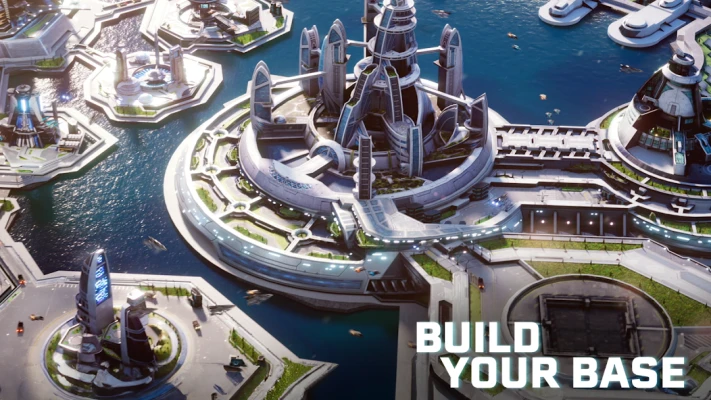
- Build your starbase
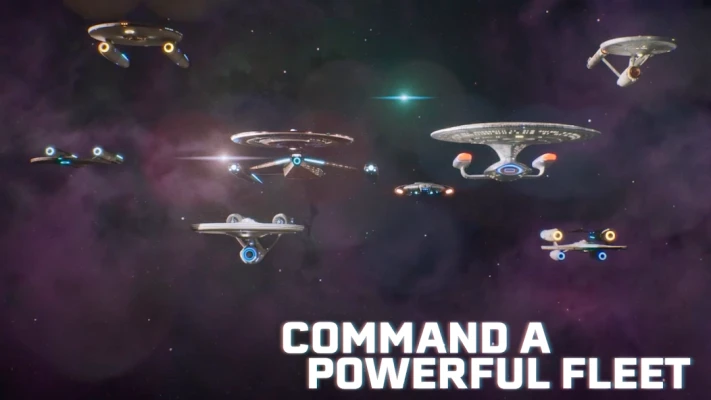
- Expand your fleet
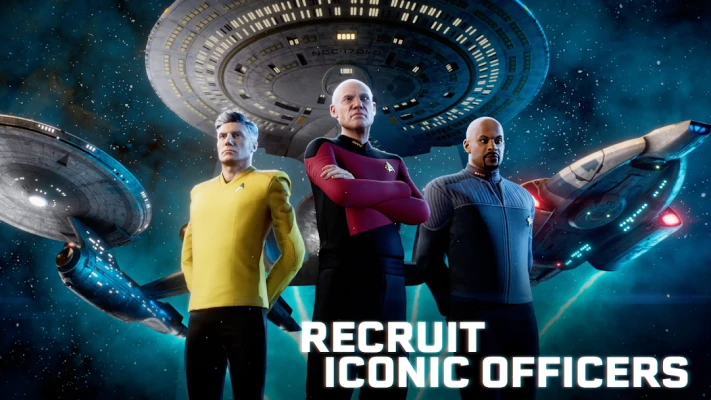
- Recruit officers
- Explore star systems
- Complete story missions
- Join alliances
- Upgrade technologies
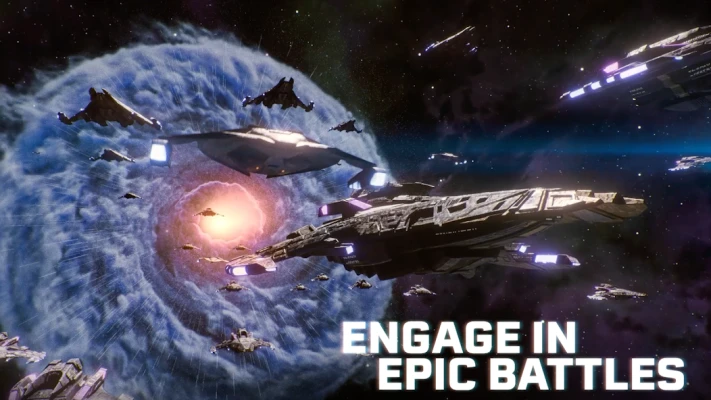
- Battle rival commanders
Beginner's Guide: First 7 Days Strategy
Step 1: Prioritize Your Operations Building
Operations level controls nearly everything.
Never rush upgrades without preparation.
Before upgrading Operations:
✓ Complete research
✓ Upgrade shipyard
✓ Improve defenses
✓ Stockpile resources
Step 2: Focus on One Primary Ship
Many beginners spread resources across multiple ships.
Instead:
Invest heavily into one ship at a time.
Benefits:
- Faster progression
- Stronger combat performance
- Better event participation
Step 3: Complete Story Missions
Story missions provide:
- Resources
- Experience
- Officer shards
- Progression unlocks
The game itself recommends focusing on missions early for efficient growth.
Complete Walkthrough Guide
Early Game (Operations 1-14)
Goals:
- Learn game mechanics
- Build your economy
- Unlock basic officers
Priorities
- Upgrade Operations slowly.
- Join an active alliance.
- Complete daily goals.
- Unlock your second ship.
Avoid rushing beyond Operations 14 without preparation.
Mid Game (Operations 15-29)
This is where strategy becomes important.
You'll encounter:
- PvP threats
- Resource raids
- Stronger enemies
- Competitive events
Mid-Game Priorities
- Improve research.
- Upgrade protected cargo.
- Strengthen officers.
- Participate in alliance events.
Advanced Game (Operations 30+)
At higher levels, progression slows significantly.
Expert players focus on:
- Specialized ships
- Officer combinations
- Territory control
- Event optimization
- Alliance cooperation
Long-term planning becomes essential.
Best Base Upgrade Order
Upgrade in this sequence:
Priority 1
Operations
Priority 2
Research Labs
Priority 3
Shipyard
Priority 4
Defense Platforms
Priority 5
Storage Buildings
Never upgrade everything equally.
Ship Progression Guide
Ships are the backbone of your fleet.
Recommended priorities:
Early Game
Focus on one balanced ship.
Mid Game
Develop:
- Combat ship
- Mining ship
Late Game
Specialize your fleet.
Build ships for:
- PvP
- Mining
- Events
- Exploration
Legendary ships such as the Enterprise, Klingon Bird of Prey, and Romulan Warbird become long-term goals.
Officer Management Guide
Officers are one of the most important systems.
Always build balanced crews.
Captain Slot
Use your strongest leadership officer.
Officer Slots
Focus on synergy instead of rarity.
A weaker team with strong synergy often outperforms random legendary officers.
Alliance Guide
Joining an alliance is one of the biggest progression accelerators.
Benefits include:
- Event rewards
- Alliance missions
- Territory control
- Cooperative gameplay
- Faster progression
Choose Alliances That Are:
✓ Active daily
✓ Beginner friendly
✓ Event focused
✓ Helpful to new players
Resource Farming Guide
Prioritize these resources:
Dilithium
High-level upgrades.
Tritanium
Ship construction.
Parsteel
Base upgrades.
Officer Experience
Crew progression.
Speed-Ups
Most valuable long-term resource.
Advanced Pro Strategies
The 70-20-10 Rule
Allocate resources as follows:
70%
Main progression
20%
Events
10%
Future projects
The Shield Rule
Always activate shields before logging off.
Unprotected bases become easy targets.
The Event Rule
Never ignore events.
Events provide some of the best rewards in the game.
Common Mistakes Players Should Avoid
Mistake 1
Rushing Operations levels.
Mistake 2
Ignoring research.
Mistake 3
Upgrading too many ships.
Mistake 4
Skipping alliance activities.
Mistake 5
Ignoring daily objectives.
Mistake 6
Wasting speed-ups.
Mistake 7
Playing without shields.
Daily 20-Minute Progression Routine
First 5 Minutes
Collect rewards and chests.
Next 5 Minutes
Complete daily objectives.
Next 5 Minutes
Mine resources.
Final 5 Minutes
Participate in alliance activities.
Consistency beats marathon sessions.
Users Feedback Insights
Based on player reviews and community discussions:
What Players Love
- Huge Star Trek universe
- Massive amount of content
- Alliance gameplay
- Legendary ships
- Frequent updates
- Deep progression systems
Common Challenges
Players frequently mention:
- Progression can become very grind-heavy.
- The game requires patience.
- PvP can be difficult for new players.
- Resource management becomes extremely important later in the game.
Community Advice
Experienced players often recommend treating the game as a long-term strategy MMO rather than trying to compete immediately with veteran players. Active alliances dramatically improve the experience.
Frequently Asked Questions
Is Star Trek Fleet Command free to play?
Yes. The game is free to play and includes optional in-app purchases.
Is this a real-time strategy game?
Not exactly. It's a persistent online MMO focused on progression, fleet management, and resource systems rather than traditional RTS gameplay.
Are alliances important?
Yes. Alliances are one of the biggest progression accelerators.
Can I play casually?
Yes, but progression will be slower compared to highly active players.
What's the fastest way to progress?
Focus on missions, join an alliance, and avoid rushing Operations levels.
Why Players Keep Returning to Star Trek Fleet Command
Players enjoy the game because it combines:
- Star Trek nostalgia
- Deep strategy systems
- Fleet customization
- Alliance cooperation
- Long-term progression
- Massive galaxy exploration
- Frequent updates
Final Verdict
Star Trek Fleet Command is a deep, long-term MMO strategy game that rewards patience, smart resource management, and alliance participation.
Players who avoid rushing progression, invest in efficient ship upgrades, and work closely with alliances will enjoy a smoother and more rewarding experience.
Build your fleet, explore the galaxy, and boldly go where no commander has gone before.
Rate the Game
User Reviews








Popular Games

















 Android
 iOS
iOS Windows
 Xbox
Xbox