


Latest Version
November 27, 2026
Not Found Games
Adventure
0
com.rise.of.apocalypse.zombie.survival.games.survivor.last.day.on.earth.action.adventure
Report a Problem
More About :game
Specific Game Information
Game Title: Rise of Apocalypse: Survival
Developer: ARCANUM GAMES
Game Category: Adventure
Game Genre: Zombie Survival, Open-World Adventure, Crafting, Action
Platform: Android
Package Name: com.rise.of.apocalypse.zombie.survival.games.survivor.last.day.on.earth.action.adventure
Game Mode: Single-player survival adventure with survivor interactions and trading elements
Main Objective: Survive the zombie apocalypse, establish a secure shelter, discover new locations, help other survivors, and uncover the truth behind the outbreak.
Main Gameplay Elements: Exploration, resource gathering, shelter construction, crafting, zombie combat, character development, farming, trading, and story progression.
Developer: ARCANUM GAMES
Monetization: Free to play with advertisements and optional in-app purchases.
All About Rise of Apocalypse: Survival
A Dangerous World After the Apocalypse
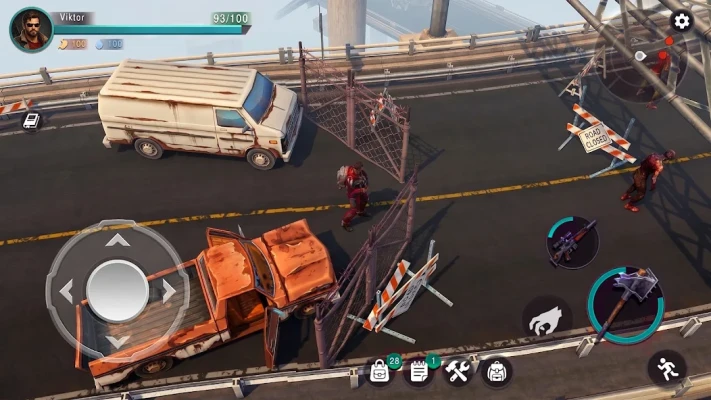
Rise of Apocalypse: Survival takes players into a world where civilization has collapsed and dangerous infected creatures have taken over once-populated territories. The familiar world has become a collection of abandoned buildings, ruined roads, military installations, and forgotten settlements.
The adventure begins with the player waking up alone in a devastated environment. There is no reliable communication, no clear understanding of what happened, and very little information about the surrounding world. Survival becomes the immediate priority.
Everything changes when a radio signal reveals that other people are still alive. These survivors may provide valuable information, supplies, trading opportunities, and clues about the events that caused the disaster.
The central objective is not simply to eliminate zombies. Players must gradually rebuild their lives, explore dangerous territories, establish a reliable shelter, and discover the truth behind the mysterious outbreak.
Explore Abandoned Locations
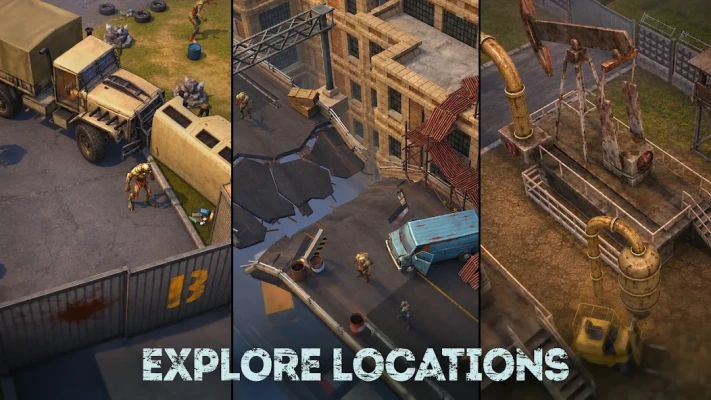
Exploration is one of the most important parts of Rise of Apocalypse: Survival. The post-apocalyptic environment contains different locations that can reward players with useful materials, supplies, equipment, and information.
Military bunkers, abandoned hospitals, ruined highways, and destroyed urban areas are among the environments highlighted in the game's world.
Each location offers opportunities to collect resources and uncover pieces of the larger story. However, exploring unfamiliar areas requires preparation because dangerous enemies and limited supplies can make an expedition difficult.
Players should approach exploration carefully, searching surrounding areas for useful objects before moving deeper into dangerous territories.
The more locations you investigate, the more opportunities you have to improve your equipment and understand the circumstances surrounding the apocalypse.
Build and Upgrade Your Shelter
A secure shelter is essential for long-term survival. Without a dependable base, players must constantly worry about their resources, equipment, and ability to recover between dangerous expeditions.
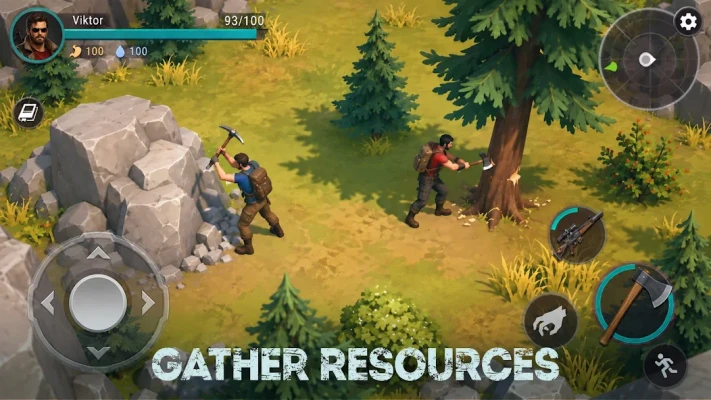
Rise of Apocalypse: Survival allows players to gather construction materials such as wood and stone and use them to develop their own living space.
Shelter construction is an important progression system because it provides a place to organize supplies, establish storage areas, and create a more dependable environment.
As your resources increase, you can expand and improve your base with additional structures and defensive improvements.
Building a shelter should be treated as a long-term investment rather than a secondary activity. A properly developed base makes resource management easier and supports more ambitious exploration.
Craft Weapons, Armor, and Survival Equipment
Finding resources is only part of the survival experience. Players must also learn how to transform collected materials into practical equipment.
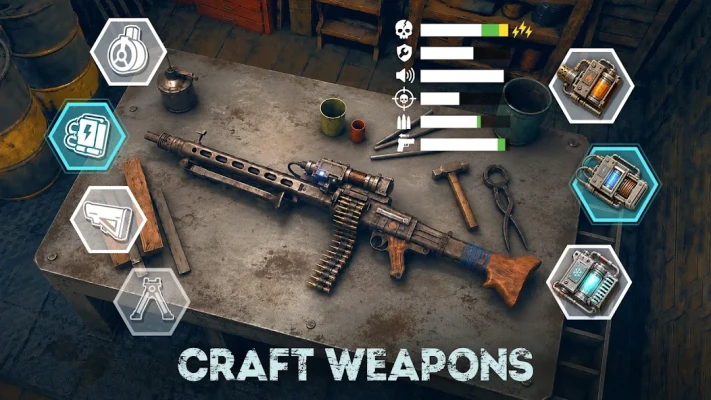
The crafting system allows players to produce weapons, armor, and essential survival items.
Melee weapons are useful when dealing with nearby enemies, while improvised firearms offer another approach to dangerous encounters. Protective equipment also plays an important role in reducing the risks associated with combat.
Crafting requires planning because different items consume different materials. Instead of spending everything on equipment immediately, players should consider which items will provide the greatest benefit.
A balanced inventory containing weapons, protective gear, and basic supplies is particularly valuable when exploring unfamiliar locations.
Develop Your Character and Skills
Character progression gives players opportunities to improve their survival capabilities.
The game focuses on several important areas, including combat, crafting, exploration, and resource management.
Improving these abilities makes it easier to deal with increasingly challenging situations.
Combat development supports more effective encounters with infected enemies. Crafting improvements help players make better use of collected materials. Exploration-related development supports longer adventures, while resource management becomes increasingly important as survival activities grow more demanding.
Choosing how to develop your character can influence your overall experience. Players who prefer direct confrontation may prioritize combat, while those who enjoy building and collecting resources may prefer a more balanced survival-oriented approach.
Meet Survivors and Trade Resources
Although the world appears empty at first, other survivors are still trying to rebuild their lives.
The radio serves as an important communication tool, connecting players with people who may have valuable supplies, information, or opportunities.
Survivors can become potential allies and trading partners. Exchanging resources can help overcome shortages and provide access to items that are difficult to obtain through ordinary exploration.
Communication also contributes to the story. Different survivors may know important details about the outbreak and the events that followed it.
Building relationships and paying attention to available information can therefore be just as important as improving weapons and equipment.
Manage Hunger, Thirst, and Farming
Combat and exploration are not the only challenges players must overcome.
Food and water are essential survival resources. Traveling through dangerous territories without sufficient supplies can quickly become a serious problem.
Players must collect food, locate clean water, and maintain enough supplies to support their activities.
Farming provides another way to maintain food reserves. Establishing and managing a small garden can reduce dependence on supplies collected during dangerous expeditions.
Resource management becomes particularly important during longer adventures. Preparing food and water before leaving the shelter helps prevent unnecessary setbacks.
Discover the Mystery Behind the Zombie Outbreak
The story of Rise of Apocalypse: Survival revolves around the origins of the disaster.
Why did the outbreak happen? What caused civilization to collapse? Why are certain locations filled with evidence of events that nobody fully understands?
These questions create the narrative foundation of the adventure.
Military bunkers, abandoned medical facilities, and other locations contain records and clues that may explain what happened.
Survivors also possess information that can help players understand the situation.
As the adventure progresses, exploration becomes more than a way to collect resources. It becomes an investigation into the origins of the apocalypse.
Full Strategy Guide for Rise of Apocalypse: Survival
How to Start the Game Successfully
The opening stages are important because they establish the foundation for everything that follows.
New players should avoid rushing into dangerous areas without understanding the basic survival systems.
Begin by exploring the immediate surroundings and collecting available resources. Pay attention to materials that can be used for crafting and shelter construction.
Learn how the inventory works and identify the items required for essential survival activities.
Your first objective should be establishing a stable routine that includes collecting materials, maintaining supplies, and gradually improving your equipment.
Do not waste valuable resources on unnecessary items during the opening stages. Early materials are particularly important because they help establish your first shelter and prepare you for more demanding challenges.
Prioritize Essential Resources
Resource collection should be one of your main priorities.
Wood and stone are important for construction, while other materials may be required for crafting equipment and useful supplies.
Food and water should also receive constant attention.
A common mistake among beginners is collecting everything without considering its usefulness. This can create inventory management problems and make it difficult to carry important supplies.
Instead, focus on materials that support your immediate objectives.
Collect construction resources when developing your shelter, gather crafting materials when preparing equipment, and maintain enough food and water for upcoming journeys.
Keeping your inventory organized makes exploration more efficient.
Build a Strong and Practical Base
Your shelter should become the center of your survival strategy.
Rather than expanding randomly, concentrate on creating a practical base that supports your daily activities.
Start with the essential structures and storage facilities available to you. Once your basic needs are covered, work toward expanding and improving the shelter.
Storage is especially important because exploration produces different types of resources. Organizing these materials helps prevent valuable items from being wasted or forgotten.
Defensive improvements should also become a priority as you progress.
A well-developed shelter gives you a reliable place to prepare for expeditions, organize equipment, and manage your growing collection of supplies.
Choose the Right Weapons
Weapon selection has a direct effect on how you approach zombie encounters.
Melee weapons are useful when conserving ammunition and dealing with enemies at close range. However, getting too close to infected creatures can expose you to unnecessary damage.
Firearms provide an alternative for situations where keeping your distance is more important.
The best approach depends on the equipment available and the dangers associated with the location.
Avoid using valuable ammunition against every enemy you encounter. Consider whether fighting is necessary or whether moving around a dangerous area is the better decision.
Maintain your equipment and prepare suitable weapons before entering unfamiliar territories.
Learn When to Fight and When to Avoid Enemies
Not every zombie needs to be eliminated.
Unnecessary combat can consume ammunition, damage equipment, and increase the resources needed to recover afterward.
Before engaging an enemy, consider your current health, weapon condition, available supplies, and the importance of the surrounding location.
If you are simply collecting materials in an area, avoiding unnecessary encounters may be more efficient.
However, when enemies block access to important supplies or mission objectives, combat may become unavoidable.
Developing good judgment is an essential survival skill. Experienced players understand that conserving resources can sometimes be more valuable than winning every fight.
Prepare Carefully Before Exploring
Exploration can provide important rewards, but poor preparation can turn a successful expedition into a costly mistake.
Before leaving your shelter, check your available food and water.
Make sure you have appropriate weapons and protective equipment. Leave enough inventory space for the materials you expect to collect.
It is also useful to establish a clear objective for each expedition.
For example, one trip might focus on gathering construction materials, while another might involve searching for information or collecting crafting components.
Having a specific purpose helps reduce unnecessary travel and makes resource collection more efficient.
Explore Military Bunkers and Abandoned Hospitals
Special locations deserve particular attention because they may contain valuable supplies and important story information.
Military bunkers can provide opportunities to investigate the history of the outbreak and discover evidence about what happened during the collapse.
Abandoned hospitals may also contain useful clues and resources.
These locations should not be approached carelessly. Make sure your equipment is appropriate and that you have sufficient supplies before investigating them.
Take your time exploring the available areas. Important information can be easy to overlook when concentrating exclusively on combat.
Improve Your Character Progression
Character development should support your preferred survival strategy.
Players who frequently engage in combat should prioritize improvements that make encounters more manageable.
Those who prefer gathering materials and developing their shelter should focus on crafting and resource-related abilities.
Exploration is another important area because discovering new territories is necessary for obtaining supplies and advancing the story.
A balanced character development approach is generally useful for beginners because it avoids creating major weaknesses in any single area.
As you become more familiar with the game, you can concentrate on the abilities that best support your preferred playstyle.
Manage Food and Water Efficiently
Hunger and thirst can become serious obstacles during extended adventures.
Always consider how long you expect to remain away from your shelter.
Take sufficient supplies for your journey and avoid consuming everything immediately when you have access to other sources of food and water.
Farming is especially useful because it offers a way to produce food without depending entirely on exploration.
Establish a routine for maintaining your garden and replenishing your reserves.
A dependable food and water supply reduces interruptions and allows you to spend more time exploring and developing your base.
Make Farming Part of Your Daily Routine
Farming should not be treated as an occasional activity.
Developing a small garden creates a more sustainable approach to food management.
Check your available farming resources and maintain production whenever possible.
A consistent farming routine can help you prepare for longer expeditions and reduce the pressure to search for food in dangerous locations.
The most effective approach is to combine farming with exploration. Use your shelter to maintain basic supplies while gathering additional materials during outdoor adventures.
Make Better Use of Trading Opportunities
Survivors can provide opportunities to exchange resources and obtain useful information.
Do not overlook communication through the radio.
Trading can be particularly valuable when you have an excess of one material but lack another item required for crafting or construction.
Before making an exchange, consider whether the items you are offering are essential for your next objective.
Avoid trading away materials needed for important upgrades unless you have a reliable alternative.
Information is also valuable. Pay attention to what survivors reveal because their knowledge may help you understand the story and identify useful objectives.
Maintain a Balanced Inventory
Inventory management becomes increasingly important as your collection of materials grows.
Carrying too many unnecessary items reduces the space available for useful discoveries.
Separate essential supplies from materials that can remain safely stored at your shelter.
A practical expedition inventory should prioritize:
Suitable weapons for the expected dangers.
Protective equipment.
Food and clean water.
Important crafting materials.
Space for newly collected resources.
Review your inventory before every expedition.
If you return with valuable materials, organize them immediately instead of allowing supplies to accumulate without a clear purpose.
Progress Through the Story Efficiently
The mystery of the outbreak is one of the main reasons to explore the world.
Rather than focusing entirely on collecting materials, make steady progress toward discovering new locations and investigating important clues.
Read available records and pay attention to information provided by survivors.
Military installations, medical facilities, and abandoned settlements may contain different pieces of the story.
A good strategy is to combine exploration objectives with resource gathering whenever possible.
This allows you to make progress without repeatedly traveling through dangerous areas for only one purpose.
Avoid Common Beginner Mistakes
Exploring without preparation
Entering dangerous locations without enough food, water, or equipment can create unnecessary problems. Prepare your supplies before leaving the shelter.
Spending resources too quickly
Crafting every available item can leave you without materials for important upgrades. Prioritize equipment that directly supports your current objectives.
Ignoring shelter development
A poorly developed base makes long-term survival more difficult. Invest in construction and storage early.
Fighting every zombie
Unnecessary combat wastes resources. Choose encounters carefully and avoid enemies when possible.
Neglecting farming
Relying entirely on collected food makes survival less predictable. Establish a dependable food production routine.
Ignoring survivor communication
The radio provides access to potential trading opportunities and useful information. Check for available communications regularly.
Carrying unnecessary items
An overloaded inventory makes resource collection less efficient. Keep only what you need for the current expedition.
Advanced Survival Tips and Strategies
Use a Resource-Based Exploration Strategy
One of the most effective ways to improve progression is to organize exploration around specific resource requirements.
If your shelter needs more construction materials, prioritize locations where you can collect them.
If you want to improve your weapons, focus on obtaining the materials required for crafting.
This approach prevents random exploration and helps you make measurable progress toward your objectives.
Upgrade Your Shelter Before Taking Major Risks
A stronger shelter provides a more dependable foundation for future adventures.
Before attempting particularly dangerous expeditions, make sure your basic construction and storage needs are covered.
Having an organized base also makes it easier to prepare replacement equipment and manage resources after returning.
Preserve Valuable Equipment
Do not waste your best equipment on minor encounters.
Use suitable weapons for ordinary situations and preserve more valuable resources for difficult enemies or important locations.
The same principle applies to protective gear and crafting materials.
Efficient equipment management can make a substantial difference during longer survival sessions.
Develop a Sustainable Survival Routine
A dependable routine makes the game easier to manage.
Begin by checking food and water supplies. Review your shelter materials, organize the inventory, and identify the most important objective for the next expedition.
After exploring, return to your base, store collected materials, and work on necessary upgrades.
This cycle of preparation, exploration, collection, and improvement creates a stable progression system.
Balance Combat, Crafting, and Exploration
Focusing entirely on one activity can limit your progress.
Combat without crafting can leave you struggling to replace equipment. Crafting without exploration can create shortages of essential materials. Exploration without resource management can put your character at risk.
The strongest strategy combines all three activities.
Develop your shelter, improve your equipment, explore new territories, and gradually expand your survival capabilities.
Is Rise of Apocalypse: Survival Worth Playing?
Rise of Apocalypse: Survival is an interesting option for players who enjoy zombie-themed adventures with several interconnected survival mechanics.
Its gameplay combines exploration, crafting, shelter construction, resource management, farming, and combat within a post-apocalyptic setting.
The game is particularly appealing to players who prefer more than straightforward zombie shooting. Instead of focusing exclusively on eliminating enemies, it encourages players to build a sustainable living environment and investigate the story behind the disaster.
The survivor communication and trading elements also provide additional reasons to explore and develop your character.
Players who enjoy gathering resources, improving equipment, constructing bases, and gradually discovering new areas will find several familiar survival gameplay elements here.
Frequently Asked Questions
What is Rise of Apocalypse: Survival?
Rise of Apocalypse: Survival is an Android zombie survival adventure developed by ARCANUM GAMES. Players explore a post-apocalyptic world, collect resources, construct shelters, craft weapons, manage basic needs, and investigate the origins of a mysterious outbreak.
Who developed Rise of Apocalypse: Survival?
The game was developed by ARCANUM GAMES.
What is the main objective of the game?
The main objective is to survive in a world overrun by zombies while developing a secure shelter, gathering supplies, discovering new locations, communicating with survivors, and uncovering the mystery behind the outbreak.
Can you build your own shelter?
Yes. Shelter construction is an important gameplay feature. Players collect materials such as wood and stone to construct and expand a base that supports long-term survival.
Can you craft weapons?
Yes. The crafting system allows players to create melee weapons, improvised firearms, armor, and other essential equipment using collected resources.
Does the game include farming?
Yes. Farming is part of the survival experience. Players can grow food to maintain supplies and reduce their dependence on searching dangerous locations.
Can you interact with other survivors?
Yes. The game includes radio communication with other survivors, offering potential trading opportunities, alliances, and information about the apocalypse.
What locations can you explore?
The game features a post-apocalyptic world containing environments such as military bunkers, abandoned hospitals, ruined highways, and destroyed urban districts.
Is combat the only important gameplay element?
No. Combat is only one part of the experience. Resource gathering, shelter development, crafting, farming, exploration, and character progression are also essential.
What is the best beginner strategy?
Start by collecting basic resources, establishing a functional shelter, crafting essential equipment, and maintaining food and water supplies. Avoid unnecessary fights and gradually explore more dangerous locations as your character develops.
Is Rise of Apocalypse: Survival free?
The game is listed as free to play on Google Play, with advertisements and optional in-app purchases.
Final Verdict
Rise of Apocalypse: Survival combines the challenges of a zombie apocalypse with the satisfaction of building, crafting, exploring, and developing a sustainable survival base.
Its greatest appeal comes from the variety of activities players can pursue. You are not simply fighting infected creatures; you are gathering materials, improving your shelter, maintaining food and water supplies, communicating with survivors, and searching for answers about the collapse of civilization.
For fans of open-world zombie adventures and resource-management games, Rise of Apocalypse: Survival offers an engaging post-apocalyptic experience where preparation, patience, and smart decisions are essential.
The key to surviving is simple: build a reliable shelter, protect your resources, prepare before every expedition, and never underestimate the dangers waiting beyond the safety of your base.
Rate the Game
User Reviews















Popular Games



















 Android
 iOS
 Windows
 Xbox