





Latest Version
November 21, 2026
KRAFTON Inc
Action
iOS
0
Report a Problem
More About :game
The game also features solo battle royale experiences, cooperative boss challenges, character progression, and seasonal content. Whether you prefer fighting alongside friends or testing your individual skills, Astro Arena offers a variety of ways to enjoy competitive action.
Specific Game Information
Game Title: Astro Arena: 3vs3 Battle PvP
Developer: KRAFTON Inc.
Game Category: Action / Multiplayer MOBA
Main Gameplay: Real-time 3v3 PvP combat
Match Duration: Approximately five minutes for standard matches
Game Style: Anime-inspired heroes and competitive arena battles
Platforms: iPhone and iPad
Price: Free to download, with optional in-app purchases
Minimum Compatibility: iOS 15.0 or later, according to the App Store listing
Age Rating: 13+
Main Features: Hero collection, team battles, multiple PvP modes, roguelike power-ups, boss encounters, and seasonal rewards
What Is Astro Arena?
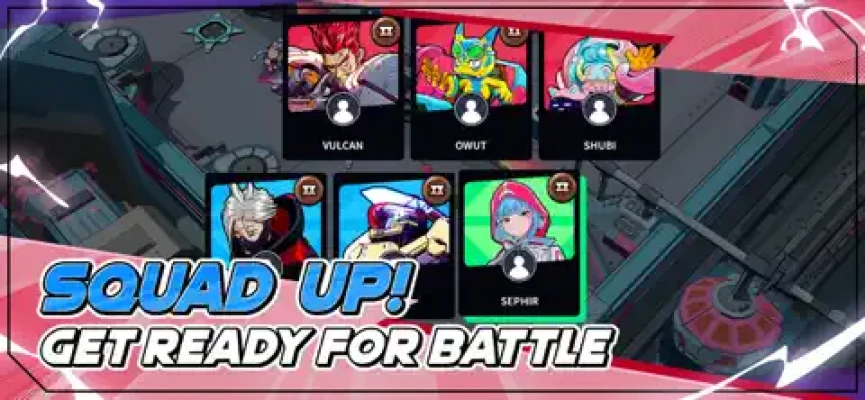
Astro Arena is a mobile multiplayer battle game built around quick matches, team coordination, and hero-based combat. Instead of requiring players to spend a long time in every match, it focuses on short battles where decisions can change the outcome within minutes.
Each player selects a hero with a particular role, set of abilities, and ultimate skill. The objective depends on the selected game mode, but success generally requires more than simply attacking opponents. Players must understand their characters, cooperate with teammates, control important areas, and make good decisions during fights.
One of the game's defining features is its combination of traditional MOBA combat and roguelike ability choices. Players can select power-ups during battles, allowing them to adapt their heroes as a match develops. This creates opportunities to experiment with different builds rather than relying on exactly the same strategy every time.
Astro Arena also includes additional experiences beyond its standard 3v3 battles. Solo Battle Royale provides a different kind of challenge, while Boss Raid gives teams an opportunity to work together against powerful enemies.
Main Features of Astro Arena
Fast Five-Minute 3v3 Battles
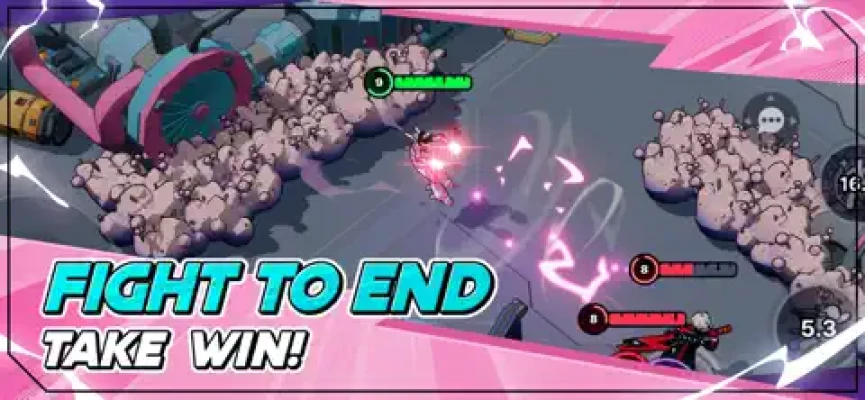
The central experience is built around short, real-time multiplayer matches. Three players compete against another team, making teamwork and individual performance equally important.
Short matches are useful for players who want competitive action without committing to lengthy sessions. However, the limited time also makes every decision important. Wasting time away from objectives or repeatedly engaging in unfavorable fights can quickly put a team behind.
Anime-Style Heroes
Astro Arena features a collection of colorful, anime-inspired characters. Each hero has a distinct identity, combat style, and ability set.
Some characters are better suited to absorbing damage, while others can focus on dealing damage, controlling opponents, or supporting teammates. Learning these differences is essential when choosing a main character.
The game has continued expanding its roster and seasonal character content. Spica, for example, is one of the newer characters highlighted in the Academy season.
Roguelike Power-Ups
Power-up selections add another strategic layer to matches. Rather than following a completely fixed development path, players can make choices during combat that influence their hero's performance.
The best selection depends on the character, the current match situation, and the opposing team. A damage improvement might be useful when a team needs more offensive pressure, while a defensive or utility choice may be more valuable when surviving fights is the priority.
Multiple Game Modes
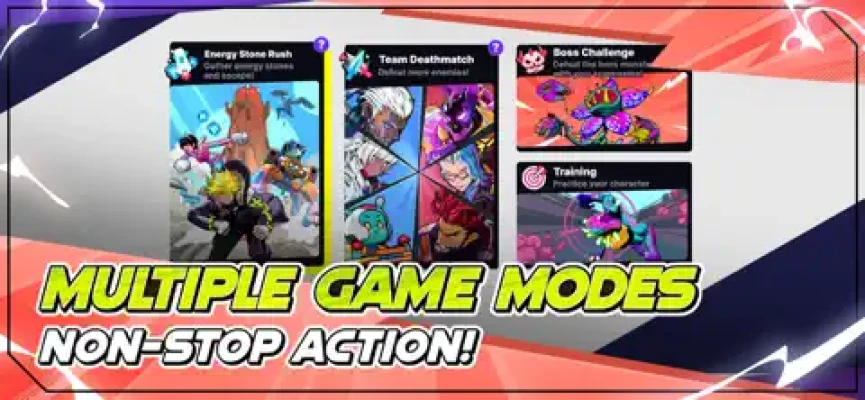
Astro Arena offers several ways to play, including:
Team Deathmatch: A direct combat mode where defeating opponents and coordinating attacks are central to success.
Energy Stone Rush: An objective-focused mode that encourages players to compete for important resources and control the battlefield.
Zone Control: A mode built around controlling designated areas. Team positioning and defending objectives are especially important.
Boss Raid: A cooperative PvE experience in which players work together to defeat powerful enemies.
Solo Battle Royale: A survival challenge where players enter a battlefield individually, collect resources, and attempt to outlast their rivals as the safe zone shrinks.
The available modes and seasonal events may change as the game receives updates.
Flexible Attack Controls
The game offers Auto Attack and Manual attack options. These settings allow players to choose a control style that suits their preferences.
Auto Attack can make combat more accessible, particularly for newcomers who are still learning the battlefield. Manual controls can provide more direct control over targeting and attacks, which may be useful when precise decisions matter.
Seasonal Events and Rewards
Astro Arena includes seasonal content, character collections, passes, and limited-time events. These activities give players additional goals beyond winning individual matches.
Depending on the active season, rewards may include character cosmetics, profile items, icons, frames, and other collectible content. Lucky Spin events and login rewards can also provide opportunities to expand a collection.
Complete Astro Arena Strategy Guide
Winning consistently in Astro Arena requires a combination of character knowledge, smart positioning, objective control, and teamwork. The following strategies can help beginners understand the game while giving experienced players ideas for improving their performance.
Understand Your Hero Before Entering Competitive Battles
The first step toward improving is learning how your chosen hero works. Every character has a different combination of strengths, weaknesses, abilities, and combat responsibilities.
Spend time understanding the following elements:
Basic attack range and damage.
Ability effects and cooldowns.
Ultimate skill and its best uses.
Defensive options and escape potential.
Strengths against different enemy types.
The situations where your hero performs best.
Do not judge a hero only by how much damage the character can deal. A character who protects teammates or controls important areas may be more valuable to the team than one who focuses entirely on eliminating opponents.
Choose a hero whose playstyle feels comfortable, then practice consistently before frequently switching to other characters.
Learn the Different Hero Roles
Team composition can make a major difference in 3v3 matches. A team with three characters that perform exactly the same function may struggle against opponents with a more balanced combination.
Consider the following general roles when selecting characters:
Tank or Frontline Heroes
These characters are generally designed to withstand pressure and create opportunities for teammates. Their job is to enter dangerous areas, absorb incoming attacks, and help the team maintain its position.
Damage Dealers
Damage-focused heroes are responsible for putting pressure on opponents and helping secure eliminations. They often perform best when protected by teammates and given opportunities to attack safely.
Support Heroes
Support-oriented characters help their team through defensive abilities, healing, utility, or other forms of assistance, depending on their individual skill sets.
A balanced lineup usually gives a team more options during different situations. Try to avoid selecting characters without considering how their abilities complement one another.
Build a Balanced 3v3 Team
Team composition should be based on cooperation rather than simply choosing three individually powerful heroes.
Before a match begins, think about what your team needs. Consider whether it has enough defensive strength, enough damage, and sufficient tools for controlling opponents or supporting allies.
A balanced team can:
Survive extended fights.
Pressure enemy characters.
Protect vulnerable teammates.
Contest objectives.
Respond to different enemy strategies.
If your teammates have already selected aggressive damage dealers, choosing a character with defensive or supportive capabilities may improve the lineup.
Master Your Abilities
Abilities are among the most important parts of hero-based combat. Using them at the wrong moment can waste an opportunity, while saving them for the correct situation can change an entire fight.
Avoid activating every available skill immediately after encountering an opponent. Instead, observe the situation and decide which ability offers the greatest advantage.
For example, a control ability may be more valuable when an enemy is trying to escape. A defensive skill may be better saved for an incoming attack, while an ultimate ability may have greater impact when several opponents are grouped together.
Learn the purpose of every skill and understand how the abilities work together.
Choose Roguelike Power-Ups Carefully
Power-up choices can influence how your character performs throughout a match. The best option is not necessarily the one with the largest-looking damage increase.
Think about your current situation before making a selection.
If your team is struggling to defeat opponents, offensive improvements may help increase pressure. If you are frequently eliminated, defensive options may offer more value. If your character relies on abilities, upgrades that improve the effectiveness of those abilities may be worth considering.
Use these principles:
Match power-ups to your hero's role.
Consider your current team composition.
Adapt choices to the opposing lineup.
Avoid selecting upgrades without understanding their effects.
Focus on creating a consistent build rather than choosing unrelated bonuses.
A well-planned build can make your character more effective as the match progresses.
Position Yourself Correctly
Positioning is one of the most important skills in any multiplayer arena game.
Even a powerful character can become ineffective when standing in the wrong location. Moving too far ahead of teammates can leave you surrounded, while remaining too far behind may prevent you from contributing to important fights.
Damage dealers should generally avoid unnecessary exposure. Frontline characters can take more responsibility for entering contested areas, while support characters should try to remain close enough to assist their allies.
Pay attention to the following:
Stay aware of your teammates' positions.
Avoid chasing enemies into dangerous areas.
Watch for opponents approaching from different directions.
Do not abandon important objectives without a reason.
Move together when your team needs to contest an area.
Good positioning allows players to contribute more without taking unnecessary risks.
Prioritize Objectives Over Unnecessary Eliminations
Defeating opponents can create an advantage, but eliminating enemies should not always be your primary objective.
Some game modes reward control of specific areas or successful completion of objectives. In these situations, chasing an opponent away from the objective may be more useful than pursuing a difficult elimination.
For example, in Zone Control, maintaining control of important areas should guide your decisions. In Energy Stone Rush, pay attention to the mode's resource-based objectives rather than focusing only on combat.
Before entering a fight, ask yourself whether winning that fight will actually help your team achieve its goal.
Strategy for Team Deathmatch
Team Deathmatch emphasizes direct combat, making coordination and target selection especially important.
Avoid fighting opponents individually when your teammates are nearby. Coordinated attacks can overwhelm isolated enemies and reduce the risk of losing a fight.
Useful tactics include:
Focus attacks on the same opponent when possible.
Avoid separating from your teammates.
Use abilities to create openings for allied attacks.
Retreat when your team is outnumbered.
Do not repeatedly enter fights with low health.
A coordinated team can often outperform a group of individually skilled players who do not cooperate.
Strategy for Energy Stone Rush
Energy Stone Rush requires players to think about objectives and battlefield control.
Do not spend the entire match chasing opponents. Understand where the important resources are located and pay attention to opportunities to secure them.
Try to keep your team organized. One player may create pressure against opponents while the others focus on controlling the objective, depending on the situation.
Always consider whether an engagement is worth taking. If fighting would leave your team unable to contest an important resource, repositioning may be the smarter choice.
Strategy for Zone Control
Zone Control rewards teams that understand positioning and area management.
Moving into a zone is only part of the challenge. You also need to maintain control while preventing opponents from taking it back.
Use defensive abilities and team coordination to protect important areas. Avoid allowing enemies to separate your team or force individual players into isolated fights.
A strong Zone Control approach includes:
Identify the areas that matter most.
Move with teammates when contesting zones.
Protect vulnerable characters.
Watch for opponents attempting to approach from different directions.
Avoid abandoning a controlled area without a tactical reason.
Remember that the objective is to control the battlefield, not simply to chase eliminations.
Strategy for Boss Raid
Boss Raid changes the focus from competing against another team to working together against a powerful enemy.
The most important factor is cooperation. Players should understand their characters' abilities and avoid making unnecessary mistakes that reduce the team's ability to survive.
To improve your performance:
Learn the boss's attack patterns.
Watch for warning signs before dangerous attacks.
Avoid standing in hazardous areas.
Use defensive abilities when necessary.
Coordinate damage rather than attacking without a plan.
Help teammates when they are under pressure.
As the difficulty increases, careless movement becomes more dangerous. Take time to learn each encounter instead of relying entirely on aggressive attacks.
Strategy for Solo Battle Royale
Solo Battle Royale requires a different mindset from standard 3v3 matches. You cannot depend on teammates to protect you, so survival, awareness, and careful resource management become especially important.
Start by learning the map and identifying areas where you can collect useful equipment without immediately entering unnecessary fights.
During the early stages, focus on preparing for later encounters. Avoid engaging every opponent you encounter, especially when you do not have a clear advantage.
As the safe zone shrinks, movement becomes increasingly important. Plan your route toward the next safe area and avoid waiting until the last moment to reposition.
Important survival tips include:
Explore carefully and collect useful resources.
Avoid unnecessary early fights.
Pay attention to the shrinking safe zone.
Use the environment to reduce exposure.
Do not reveal your position without a clear reason.
Engage opponents when the situation is favorable.
Keep enough time to move toward safety.
The strongest survival strategy is not always the most aggressive one. Knowing when to fight and when to avoid combat can make a significant difference.
Use Auto and Manual Attack Controls Effectively
Astro Arena's attack-control options allow players to adjust how they approach combat.
Auto Attack can be a comfortable starting point for beginners. It allows new players to focus more on movement, positioning, and understanding abilities.
Manual controls may be preferable for players who want more direct involvement in attacking decisions.
Try both settings in different matches. Choose the option that helps you respond accurately without distracting you from the rest of the battlefield.
Regardless of your preferred control style, remember that good movement and ability timing are just as important as attacking.
Improve Your Movement
Movement helps you avoid attacks, reach objectives, and support teammates.
Do not remain stationary when opponents are targeting you. Move carefully while maintaining enough distance to avoid becoming an easy target.
However, constant movement without a purpose can also be a mistake. Your positioning should support your current objective.
Use movement to:
Escape unfavorable fights.
Approach objectives safely.
Stay within a useful distance of teammates.
Avoid predictable attack patterns.
Reposition after using important abilities.
Good movement combines awareness, timing, and a clear understanding of what your team needs.
Learn When to Attack and When to Retreat
One of the most common mistakes in competitive games is continuing to fight after the situation has become unfavorable.
If your health is low, your abilities are unavailable, or your teammates are too far away, continuing to attack may lead to an unnecessary defeat.
Retreating is not a sign of weakness. It can protect your team from losing an important fight and give you another opportunity to contribute.
Before committing to combat, consider:
How many enemies are nearby?
Are your teammates ready to help?
Do you have important abilities available?
Is the objective worth contesting?
Can you safely escape if the fight goes badly?
These questions help prevent impulsive decisions.
Communicate and Coordinate With Teammates
Teamwork is essential in 3v3 matches. Even when players have different hero preferences, they can cooperate by understanding each other's roles and staying organized.
Avoid leaving teammates behind when moving toward important objectives. If one player engages an opponent, check whether the rest of the team can provide support.
A simple coordinated attack can be more effective than three separate attempts to defeat opponents.
When playing with friends, discuss your preferred roles and choose characters that work well together. If you are matched with unfamiliar players, observe their movements and adapt your strategy to the team's overall approach.
Understand the Enemy Team
Do not focus exclusively on your own hero. Watching the opposing team can reveal important opportunities.
Identify which enemies deal the most damage, which characters appear difficult to defeat, and which opponents are vulnerable when separated from their teammates.
If the enemy team has a strong frontline character, attacking without a plan may waste valuable abilities. If an opponent is frequently isolated, coordinated pressure may create a better opportunity.
Adjust your approach as the match develops rather than repeating the same strategy regardless of the situation.
Make Better Decisions During the Final Moments
The final stages of a match often require more careful decisions than the opening moments.
Players may have fewer opportunities to recover from mistakes, and objectives can become increasingly important.
Avoid unnecessary risks when your team has an advantage. If you are behind, look for opportunities to regain control instead of rushing into an unfavorable fight.
In Solo Battle Royale, the shrinking safe zone makes late-game positioning especially important. Prepare to move before the available area becomes too small.
Beginner Tips for Astro Arena
New players can improve much faster by focusing on a few basic habits.
Start With One Main Hero: Learn one character's abilities and strengths before trying to master the entire roster.
Explore Different Modes: Each mode teaches different skills. Team Deathmatch develops combat awareness, Zone Control teaches positioning, and Boss Raid encourages cooperation.
Understand Your Role: Do not expect every character to perform the same function. Learn how your hero contributes to the team.
Use Power-Ups With a Plan: Select improvements that support your character's abilities and current situation.
Stay Near Teammates: Avoid entering dangerous fights alone when your team can provide support.
Watch the Objectives: Winning fights is useful, but completing the mode's objectives is what matters.
Practice Both Attack Settings: Experiment with Auto Attack and Manual controls to find a comfortable approach.
Learn From Defeats: Think about why a fight was lost. Poor positioning, weak coordination, or bad ability timing may be more important than character strength.
Common Mistakes to Avoid
Even experienced players can lose matches because of avoidable decisions.
Chasing Every Opponent: Following an enemy too far can separate you from your team and leave important objectives unprotected.
Ignoring Team Composition: Selecting characters without considering their roles can create weaknesses that opponents can exploit.
Using Abilities Too Early: Activating important skills without a clear purpose may leave you unprepared for a more dangerous encounter.
Ignoring Power-Up Choices: Random selections can create an ineffective build that does not support your hero's strengths.
Fighting Without Teammates: Entering a team battle alone can put you at a major disadvantage.
Forgetting the Objective: Spending too much time pursuing eliminations can allow opponents to control important areas.
Ignoring the Safe Zone: In Solo Battle Royale, delaying movement can leave you with limited options as the safe zone shrinks.
Refusing to Adapt: Repeating the same strategy after it stops working makes it easier for opponents to predict your decisions.
Character Collection and Seasonal Progression
Astro Arena offers character collection and seasonal systems that give players additional reasons to keep playing.
As the game develops, new heroes, skins, events, and progression opportunities can become available. The Academy season, for example, introduces its own character and cosmetic content.
Players should pay attention to available missions and daily rewards. These activities can provide useful progression opportunities without requiring every reward to be purchased.
Lucky Spin events and premium passes may offer additional cosmetic or collectible items. However, players should understand the rewards and costs before spending in-game currency or real money.
Focus first on learning the gameplay. Cosmetic collections can make the experience more enjoyable, but they should not replace the time spent improving combat skills.
How to Progress Faster in Astro Arena
Consistent improvement is more valuable than playing many matches without a clear objective.
A useful progression routine can include:
Complete available missions and daily activities.
Practice with your preferred hero.
Try different game modes to develop broader skills.
Learn which power-ups work best for your character.
Review mistakes after difficult matches.
Participate in seasonal events when their rewards interest you.
Coordinate with other players whenever possible.
Set small goals for each session. For example, you might focus on improving positioning in one match and ability timing in another. This makes practice more productive and helps you identify which areas need attention.
Is Astro Arena Free to Play?
Astro Arena is listed as a free download on the Apple App Store and includes optional in-app purchases.
The store listing includes purchases such as Astro Gems, starter packs, growth packs, and premium passes. Seasonal events and Lucky Spin activities also provide opportunities to obtain collectible content.
Players can begin exploring the game without buying these optional items. Before making a purchase, check what it includes and whether the reward is something you actually want.
Final Verdict
Astro Arena: 3vs3 Battle PvP combines short multiplayer battles, anime-inspired heroes, tactical ability choices, and several competitive and cooperative modes. Its five-minute match format makes it suitable for players who enjoy quick action, while the hero system and roguelike power-ups provide room for strategic experimentation.
The different modes also help keep the experience varied. Players can focus on direct team combat, compete for objectives, challenge bosses with friends, or test their survival skills in Solo Battle Royale.
For the best results, learn your preferred hero, build a balanced team, use abilities thoughtfully, and prioritize objectives over unnecessary fights. With practice and better coordination, each match becomes an opportunity to improve.
Astro Arena is worth exploring for mobile players who enjoy accessible MOBA gameplay with a mix of team strategy and fast-paced PvP action.
Rate the Game
User Reviews





Popular Games



















 Android
 iOS
 Windows
 Xbox