

Latest Version
October 18, 2025
COTTONGAME Network Technology Co., Ltd.
Adventure
iOS
0
Report a Problem
More About :game
Players explore hand-crafted scenes, examine objects, collect useful items, and solve interconnected puzzles to uncover the planet's hidden history. With its distinctive illustrated artwork, atmospheric soundtrack, mysterious storytelling, and carefully designed second playthrough, the game offers an unusual adventure for players who enjoy exploring, observing, and thinking through challenging clues.
What Is ISOLAND 3: Dust of the Universe?
ISOLAND 3: Dust of the Universe is the third main installment in CottonGame's ISOLAND puzzle-adventure series. It follows the events of the previous game, where a rocket finally launches into space. This time, the journey takes players to an uncharted planet that looks both fascinating and unsettling.
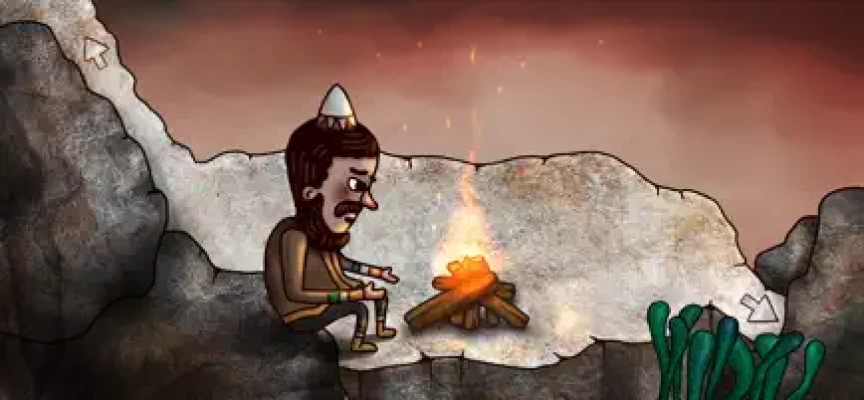
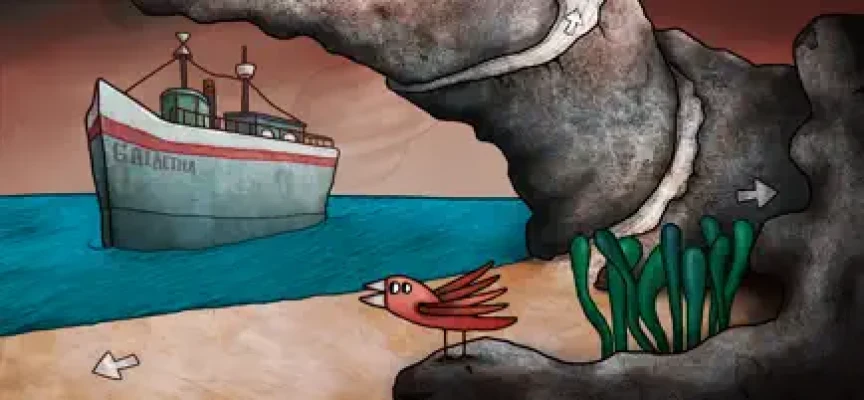
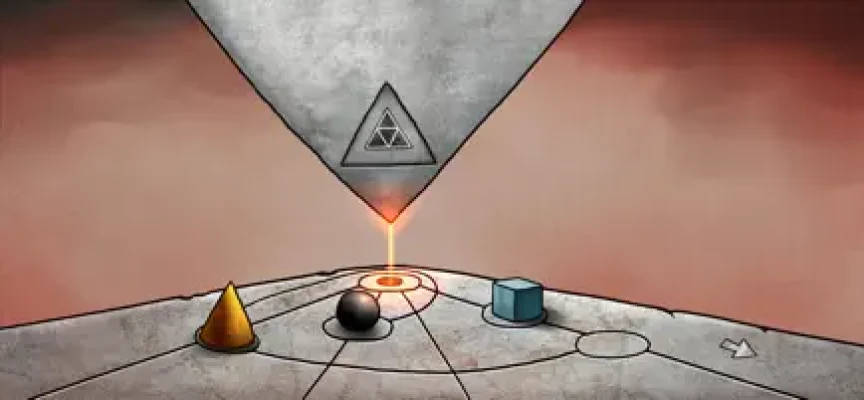
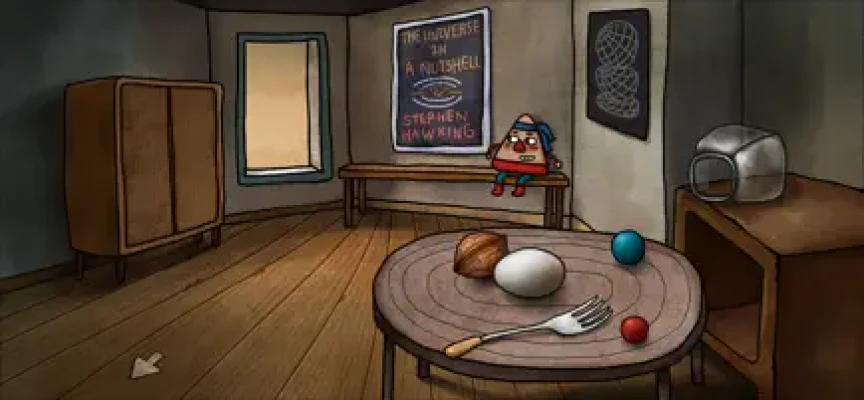
The planet features rocky landscapes, barren vegetation, a blue ocean, and an unusual crimson sky. Although the surroundings may initially appear deserted, the player gradually discovers evidence that other people have visited this place. Ancient structures, mysterious machinery, unusual objects, and a strange spaceship all contribute to the larger mystery.
Rather than relying on fast movement or combat, the game focuses on exploration and logical thinking. Players interact with objects by tapping different parts of the environment. Some discoveries reveal useful items, while others provide symbols, patterns, or information needed to solve puzzles elsewhere.
The story is deliberately mysterious. Important details are not always explained directly, so players must pay attention to environmental clues and connect discoveries as they progress. This approach makes curiosity an essential part of the experience.
Main Features of the Game
A continuation of the ISOLAND story
The game develops the narrative established in the earlier installments. The rocket launch at the end of ISOLAND 2 provides the starting point for a new journey, taking the player into an unfamiliar part of the universe.
A mysterious unexplored planet
The setting is one of the game's defining features. Its rocky terrain, unusual vegetation, blue ocean, and crimson sky create an atmosphere that feels distant from ordinary adventure games.
Hand-crafted illustrated environments
ISOLAND 3 uses the recognizable visual approach of the series. Its scenes combine unusual objects, carefully arranged details, and imaginative backgrounds. Looking closely at the artwork is important because visual elements can contain clues.
Point-and-click exploration
Players investigate the world by tapping objects and examining different areas of each scene. Interactions can reveal items, activate mechanisms, and uncover information that helps solve later challenges.
Varied logic puzzles
The adventure includes puzzles involving visual patterns, symbols, object relationships, observation, and logical deduction. Each discovery can contribute to a larger sequence of challenges.
Interesting collectibles
Collectible objects provide another reason to investigate the surroundings carefully. Some discoveries may be easy to overlook if players focus only on the most obvious puzzle elements.
A specially designed second run
The game includes a second-playthrough mode with additional puzzle variations and details. Returning to the adventure offers another opportunity to explore familiar scenes and discover differences that may not have been apparent during the first journey.
Atmospheric presentation
The artwork, music, and unusual setting work together to create a thoughtful and sometimes surreal experience. The game encourages players to slow down and enjoy the process of discovery.
Free trial with additional content available
The App Store version offers an introductory portion for free, with the remaining chapters available through an in-app purchase. Optional hint purchases are also available for players who need extra assistance.
Story and Setting
The story begins after the events of ISOLAND 2, when the rocket is successfully launched into space. The next chapter of the journey takes place on a previously unexplored planet.
At first glance, this world seems almost empty. Rocky ground and sparse vegetation stretch across an unfamiliar landscape, while a blue ocean sits beneath a strange red sky. However, the discovery of ancient ruins and a mysterious spaceship suggests that the planet has a history far more complicated than its appearance indicates.
The player gradually investigates the environment and searches for evidence of earlier visitors. Every location can reveal something useful, whether it is an object, a symbol, a mechanical device, or a small visual detail.
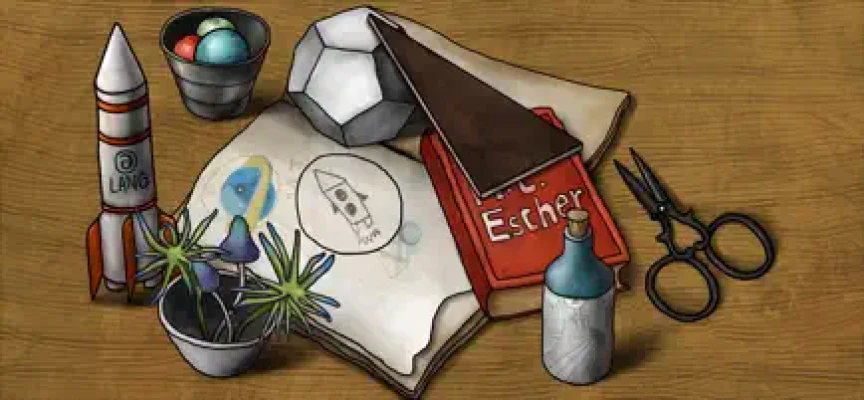
The story also draws inspiration from the artistic ideas of M. C. Escher, particularly the relationship between unusual structures, visual imagination, and the way people interpret the world around them. This influence fits the game's surreal atmosphere and encourages players to question what they see.
ISOLAND 3 does not explain every mystery immediately. Instead, it allows the player to build an understanding through exploration. The experience becomes more rewarding when seemingly unrelated discoveries begin to connect.
Gameplay and Puzzle Mechanics
The gameplay is based on point-and-click interaction. Players move through illustrated scenes, tap objects, inspect suspicious details, and collect items that may become useful later.
There is no need to rush through the environments. A small object in the corner of a scene may be just as important as a large machine in the center. Careful observation is often the difference between making progress and becoming stuck.
Scene exploration
Each area contains objects and details that can be investigated. Players should tap unusual shapes, containers, doors, devices, signs, and other interactive elements. Some objects respond immediately, while others become useful only after the player has collected the correct item or discovered the relevant clue.
Item collection
Useful objects are an important part of progression. An item collected in one location may unlock a mechanism or solve a problem in another. Players should remember where they found important objects and consider how they might relate to previously discovered obstacles.
Environmental clues
Not every clue appears as a written instruction. Patterns, colors, shapes, object positions, and illustrations can communicate information. Players need to study the surroundings instead of relying entirely on dialogue.
Symbol-based challenges
Some puzzles require players to recognize symbols or reproduce a pattern. These challenges are best approached by finding the original clue and carefully recording its details before interacting with the puzzle.
Mechanical interactions
Certain objects and devices require more than a simple tap. Players may need to understand how different components relate to each other or use an item to activate a mechanism.
Logical connections
Progress often depends on connecting information from different scenes. A clue discovered earlier may explain a puzzle that initially seemed impossible. Revisiting locations with new knowledge is therefore an important part of the gameplay.
Complete Strategy Guide
Getting Started
Begin by exploring every available part of the opening area. Do not focus on completing the first visible puzzle immediately. Instead, inspect the environment and identify which objects can be interacted with.
Tap suspicious details, examine unusual structures, and collect any items that become available. Pay attention to the game's visual language because early scenes can introduce patterns or ideas that become important later.
Before leaving an area, make sure you have investigated the obvious interactive objects. Missing a simple item can create unnecessary confusion when you reach a later obstacle.
Search Every Scene Carefully
One of the most important skills in ISOLAND 3 is thorough observation. The game often places useful information inside its artwork, so players should avoid looking only at objects that appear to be part of a puzzle.
Check corners, walls, signs, machinery, containers, and background details. If an object looks unusual, try interacting with it. Even when an interaction does not immediately produce a reward, it may reveal information or indicate that another requirement must be completed first.
A good habit is to inspect each scene from left to right and then from top to bottom. This systematic approach makes it less likely that you will overlook small interactive details.
Collect Items Before Attempting Difficult Puzzles
Whenever the game allows you to collect an object, consider how it might be used elsewhere. Some items are clearly connected to a nearby obstacle, while others may not reveal their purpose until much later.
Do not assume that an object is unimportant simply because it does not have an obvious use. Keep track of collected items and revisit earlier locations when new possibilities become available.
If a puzzle cannot be completed, check whether you are missing an item or an important interaction. Repeatedly tapping the same mechanism is rarely as productive as exploring another area.
Study Visual Patterns and Symbols
Symbol-based puzzles can become challenging when the game provides information through pictures rather than direct instructions.
When you encounter a pattern, look for similar shapes or symbols in nearby scenes. Record their order, orientation, position, and color. Small differences may matter, so avoid relying on memory alone.
If a puzzle contains several symbols, compare them with the clues you have already discovered. Look for repeated elements and relationships rather than guessing randomly.
When an attempted solution fails, return to the original clue and check whether you misunderstood its arrangement. A careful comparison is usually more useful than repeatedly trying different combinations.
Connect Clues From Different Locations
ISOLAND 3 frequently rewards players who think beyond the current screen. A device in one area may depend on information found in another, and a symbol that seems decorative may become meaningful later.
Whenever you discover something unusual, consider whether it relates to another object you have seen. Similar shapes, matching colors, repeated symbols, and connected themes can help reveal relationships between puzzles.
If you become stuck, review your recent discoveries. Ask yourself which objects remain unused, which mechanisms are still inactive, and whether a clue from another location could provide the missing information.
Approach Mechanical Puzzles Systematically
Mechanical challenges can involve multiple interactive components. Instead of tapping everything without a plan, inspect the entire device first.
Look for buttons, movable parts, openings, symbols, and other elements that suggest how the mechanism operates. Determine whether the puzzle requires an item, a particular sequence, or information from another scene.
Try to understand the purpose of each component before experimenting. If the mechanism changes after an interaction, observe exactly what has changed and use that information to guide the next attempt.
Revisit Earlier Areas
Do not assume that a location becomes irrelevant after you leave it. New items and discoveries can change the way earlier scenes work.
If you find an object that does not have an obvious purpose, revisit places containing similar shapes or mechanisms. Likewise, if you solve a major puzzle, check whether it has activated something in a previously explored area.
Revisiting scenes is not wasted time. It is a natural part of the game's interconnected puzzle design.
Use Hints Only When Necessary
The game provides optional hints for players who have difficulty with certain challenges. These can be helpful when you have explored the available scenes and still cannot identify the intended solution.
Before using a hint, make one final attempt to review your clues. Check your inventory, inspect nearby objects, and compare the puzzle with any relevant patterns you have discovered.
Hints are not essential for completing the adventure. The developer's description emphasizes that the information needed to solve the puzzles is already contained within the game. Optional assistance is simply available for players who want extra guidance.
Discover the Collectibles
Collectibles add another layer to exploration. Some may be positioned in less obvious parts of a scene, making careful inspection especially important.
Avoid rushing toward the next main objective. Examine objects that seem unusual or out of place, and revisit scenes when you have gained access to new areas or interactions.
If you are aiming for a more complete playthrough, make exploration a priority rather than treating collectibles as an afterthought.
Complete the First Playthrough
During your first run, concentrate on understanding the main progression and discovering how the planet's different locations connect.
Try to solve puzzles through observation rather than random guessing. Keep track of important clues, collect available objects, and revisit areas whenever new information becomes available.
Do not worry if every detail of the story is not immediately clear. The game is designed to reveal information gradually, and some discoveries become more meaningful as the adventure develops.
Explore the Second Run
One of the notable features of ISOLAND 3 is its specially designed second-run mode. After completing the initial adventure, returning to the game provides an opportunity to encounter puzzle variations and additional details.
The second playthrough is not simply a reason to repeat every action without thinking. Pay attention to familiar scenes and look for differences in the challenges. Previous knowledge can help you recognize clues more quickly, but you should still inspect the environment carefully.
Approach the second run with an open mind. Some details may be familiar, while other elements can encourage you to reconsider how you interpreted the first journey.
Advanced Tips for Solving Puzzles
Take mental or written notes. Record important symbols, sequences, colors, and object positions. This is especially useful when a clue appears in a location far from the puzzle it explains.
Avoid random guessing. Experimentation can occasionally help, but repeated random combinations waste time. Look for a logical connection between the puzzle and the surrounding environment.
Inspect objects from different perspectives. A small visual detail may be easy to miss when you focus only on the center of a scene. Examine the entire illustration.
Keep your inventory in mind. When you encounter an obstacle, consider whether an item you already collected could help. Not every object has an immediate purpose.
Pay attention to repeated imagery. Similar symbols, shapes, and colors can connect different parts of the adventure. Repeated visual elements may be more important than they first appear.
Revisit locations after major discoveries. A newly collected object or solved mechanism may make an earlier scene worth investigating again.
Separate observation from interpretation. First identify exactly what a clue shows. Then decide what it might mean. This prevents small details from being misunderstood.
Be patient with unusual puzzles. The game's surreal presentation can make some challenges feel unfamiliar. Take time to understand the visual information before deciding what to do.
Use hints strategically. Save optional hints for puzzles that remain confusing after you have checked the environment and inventory.
Enjoy the atmosphere. The artwork and music are part of the experience. Taking time to appreciate the scenes can also help you notice details that would otherwise be overlooked.
Common Mistakes to Avoid
Ignoring background details: Some useful clues are integrated into the artwork rather than presented as obvious interactive objects.
Leaving scenes too quickly: An area may contain more than one useful interaction. Inspect it thoroughly before moving on.
Forgetting collected items: An object found earlier may become important much later. Remember what you have collected and where it might be useful.
Trying combinations without evidence: Guessing can occasionally produce progress, but it is not a reliable strategy. Search for the clue that explains the correct arrangement.
Overlooking connections between locations: The answer to a puzzle may be somewhere else on the planet. Think about the entire adventure rather than only the current screen.
Expecting every mystery to be explained immediately: The narrative is intentionally unusual and unfolds through discoveries. Give the story time to develop.
Rushing through the second run: The alternate puzzle experience is one of the game's notable features. Examine familiar areas carefully instead of assuming everything will be identical.
Difficulty and Player Experience
ISOLAND 3 is best suited to players who enjoy thoughtful puzzle adventures rather than action-focused games. Its challenges reward patience, careful observation, and the ability to connect information from different places.
Some puzzles may be straightforward, while others require players to interpret visual clues or remember information discovered earlier. The unusual art direction can make certain details difficult to understand at first, particularly when a clue does not resemble a traditional instruction.
The game also includes a second-playthrough mode, giving players another reason to return after completing the main journey. This adds replay value for people who enjoy discovering alternate puzzle details.
The experience can be particularly enjoyable for players who like discussing clues and solving mysteries together. Its visual puzzles encourage conversation and shared problem-solving, even though the game itself is designed around single-player exploration.
Graphics, Sound, and Atmosphere
The visual identity of ISOLAND 3 is one of its strongest characteristics. Instead of using conventional realistic environments, the game presents an imaginative illustrated world filled with unusual structures, mysterious objects, and surreal scenery.
The contrast between the blue ocean and crimson sky gives the planet a memorable appearance. Ancient ruins and strange machinery make the environment feel as though it has a history waiting to be uncovered.
The soundtrack supports the mysterious mood without turning the adventure into a fast-paced experience. Combined with the artwork and gradual storytelling, the presentation encourages players to explore at their own pace.
The influence of M. C. Escher's artistic ideas also contributes to the game's unusual visual character. The world invites players to look beyond the obvious and consider how different elements might fit together.
Who Should Play ISOLAND 3?
ISOLAND 3: Dust of the Universe is a good choice for players who enjoy:
Point-and-click puzzle adventures.
Mysterious stories with gradual revelations.
Hand-crafted illustrations and surreal environments.
Exploration based on observation and curiosity.
Symbol puzzles and logical challenges.
Collecting objects and connecting clues.
Atmospheric games with a relaxed pace.
Adventures that reward replaying and examining familiar scenes.
The earlier games in the ISOLAND series.
Players who prefer constant action, competitive multiplayer, or fast-paced combat may find its slower approach less appealing. The main attraction is solving mysteries and understanding the world through exploration.
Game Information
Game Title: ISOLAND 3: Dust of the Universe
Developer: COTTONGAME Network Technology Co., Ltd.
Publisher: CottonGame
Genre: Puzzle, Point-and-Click Adventure
Gameplay Style: Single-player exploration and puzzle solving
Main Perspective: Interactive illustrated scenes
Story Setting: An unexplored planet beyond the events of ISOLAND 2
Main Activities: Exploring locations, collecting objects, examining clues, solving puzzles, and discovering hidden details
Special Feature: A second-playthrough mode with puzzle variations
Availability: iPhone, iPad, Mac, and Apple Vision compatibility as listed by the App Store
App Store Category: Puzzle
Age Rating: 4+
Languages: English, French, German, Japanese, Korean, Portuguese, Russian, Simplified Chinese, Spanish, and Traditional Chinese
Download Model: Free introductory trial with in-app purchases to unlock the remaining chapters
Optional Purchases: Full-game access and additional hint-related purchases
Developer: COTTONGAME Network Technology Co., Ltd.
Final Verdict
ISOLAND 3: Dust of the Universe delivers a distinctive puzzle-adventure experience built around curiosity, exploration, and mysterious storytelling. Its journey to an unfamiliar planet creates an imaginative setting, while its illustrated environments encourage players to inspect every detail and search for connections between seemingly unrelated discoveries.
The combination of point-and-click exploration, varied logic puzzles, interesting collectibles, and a specially designed second run gives the adventure more depth than a simple sequence of isolated challenges. Its unusual atmosphere and gradual narrative also make it a memorable continuation of the ISOLAND series.
Players who enjoy solving mysteries at their own pace will find plenty to appreciate. The most effective way to experience the game is to explore carefully, collect everything that might be useful, study visual clues, and remain curious about the world beyond each individual puzzle.
For fans of thoughtful puzzle games and surreal adventure stories, ISOLAND 3: Dust of the Universe is a rewarding journey into the unknown.
Rate the Game
User Reviews












Popular Games



















 Android
 iOS
 Windows
 Xbox