




Latest Version
November 20, 2026
Stormbound Games Sp. z 0.0.
Strategy
iOS
0
Report a Problem
More About :game
Stormbound: PVP Card Battle – Complete Game Guide
Introduction to Stormbound
Stormbound is a collectible card strategy game that brings together tactical battlefield combat, competitive multiplayer battles, and creative deck-building mechanics. Developed by Stormbound Games, the game invites players into a fantasy world where four powerful kingdoms compete for control and dominance.
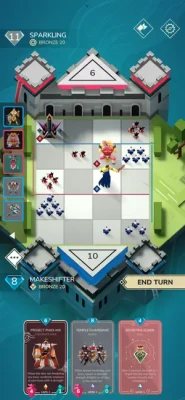
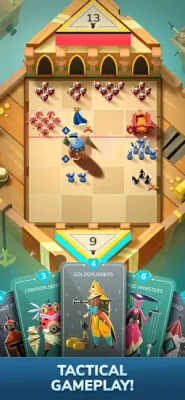
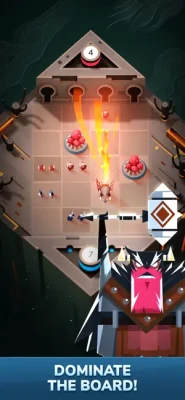
Unlike traditional card games that focus mainly on comparing card values or eliminating opponents through direct attacks, Stormbound introduces a battlefield where units become active forces. Every card you play can influence the position of your army, create opportunities for future attacks, or prevent your opponent from advancing.
The central challenge is to make intelligent decisions with the cards available in your hand. You must consider unit placement, movement, attack opportunities, available resources, and the possible responses of your opponent.
Stormbound is particularly enjoyable for players who appreciate strategy games that reward patience and careful planning. A powerful collection can certainly help, but understanding how to use your cards effectively is equally important.
Understanding the Main Gameplay
The main objective in Stormbound is to defeat your opponent by advancing your forces across the battlefield and attacking their base.
Each player has a deck containing different types of cards. These cards represent units, special abilities, and other tactical effects that can change the direction of a battle.
During your turn, you use your available mana to play cards from your hand. Every card has its own mana cost and abilities, meaning that you must decide which actions provide the greatest advantage.
When units enter the battlefield, their positions become important. They can advance toward the enemy, attack opposing forces, occupy valuable spaces, and create defensive formations.
The battlefield is relatively compact, so even a single placement decision can have a significant effect. An incorrectly positioned unit may leave an important lane exposed, while a carefully planned formation can stop an opponent from reaching your base.
The game combines collectible card mechanics with board-game positioning. Success depends on understanding both systems rather than concentrating exclusively on collecting stronger cards.
The Four Kingdoms of Stormbound
One of the most interesting features of Stormbound is its four distinct kingdoms. Each kingdom offers a different collection of cards, abilities, and strategic possibilities.
Choosing a kingdom that matches your preferred playing style can make deck building much easier.
Swarm
The Swarm kingdom focuses on aggressive tactics and overwhelming opponents with numerous units.
Its general approach revolves around creating pressure, expanding your presence on the battlefield, and forcing the opponent to respond to multiple threats.
Swarm strategies are particularly attractive to players who prefer fast-paced offensive gameplay.
The most important consideration when using this kingdom is maintaining enough battlefield presence to keep your attacks effective. Sending every available unit forward without considering defensive positions can leave your base vulnerable.
A successful Swarm deck should combine offensive pressure with cards that help maintain a consistent presence on the board.
Winter
The Winter kingdom is associated with resource management, control, and strategic advantages that develop over time.
Its cards encourage players to think carefully about the pace of a battle rather than relying entirely on immediate attacks.
Winter strategies can be effective when you want to slow down an opponent, create difficult situations, and establish a stronger position before making decisive moves.
Players using Winter should pay attention to their resources and avoid wasting mana on actions that provide little immediate value.
Patience is particularly important when developing a Winter deck.
Ironclad
Ironclad offers a different approach built around mechanical units, powerful combinations, and tactical battlefield effects.
Its playstyle rewards players who understand how individual cards interact with one another.
A well-organized Ironclad deck can create powerful combinations that make it difficult for opponents to maintain control.
The key is to build around a clear strategy instead of collecting several powerful cards without considering their compatibility.
Ironclad is an appealing choice for players who enjoy experimenting with combinations and discovering unexpected tactical opportunities.
Shadowfen
Shadowfen introduces a more specialized approach involving control effects, unit interactions, and disruptive tactics.
Its strategies can make opponents reconsider their positioning and carefully evaluate which units they should deploy.
Rather than simply attempting to overpower the enemy, Shadowfen decks can create situations that interfere with the opponent's plans.
This kingdom is suitable for players who enjoy unpredictable battles and strategic manipulation of the battlefield.
Understanding the strengths and limitations of its cards is essential for getting the most out of this playstyle.
Understanding Cards and Deck Building
Cards are the foundation of Stormbound. Your collection determines which strategies you can develop, but the way you organize your deck determines how effectively those strategies work.
Every card has specific characteristics, including its mana cost, strength, and special abilities.
Some cards are designed to create immediate pressure, while others provide defensive support or help establish stronger combinations.
Building an effective deck requires more than selecting the cards with the highest strength.
You should consider the following factors:
Mana Cost: Every card requires a certain amount of mana. A deck containing too many expensive cards can become difficult to use during the early stages of a match.
Unit Strength: Strong units can create serious threats, but their value depends on their positioning and the situation on the battlefield.
Special Abilities: Certain cards provide effects that can influence several units or change the opponent's available options.
Card Synergy: Some cards become much more effective when played alongside other cards with compatible abilities.
Deck Balance: A good deck should include a combination of offensive, defensive, and supporting options.
The most effective approach is to create a deck with a recognizable purpose. Once you understand what your deck is designed to accomplish, choosing the right cards becomes considerably easier.
Main Game Features
Competitive Player-versus-Player Battles
Stormbound allows players to compete against opponents from around the world.
Each match presents a different tactical challenge because opponents may use different kingdoms, cards, and deck-building strategies.
Learning to recognize common strategies and respond appropriately is an important part of improving your competitive performance.
Card Collection and Upgrades
Collecting cards is an important part of long-term progression.
As your collection grows, you gain access to more possibilities for deck construction and experimentation.
Card upgrades can improve your collection and help you develop stronger strategies as you advance.
However, upgrading every card without a clear plan can waste valuable resources. It is generally better to concentrate on cards that you regularly use.
Four Unique Kingdoms
The four kingdoms provide different strategic identities and encourage players to experiment with different approaches.
Instead of relying on a single deck forever, you can explore alternative combinations and discover which kingdom best matches your preferences.
Competitive Rankings
Stormbound includes ranked competition where players work toward higher leagues and seasonal rewards.
Improving your ranking requires more than winning individual matches. You must develop consistent strategies and learn from difficult opponents.
Seasonal Events
Seasonal events introduce additional challenges and opportunities to earn rewards.
These activities can encourage players to experiment with different decks and use cards that may not normally appear in their preferred competitive setup.
Profile Customization
Players can personalize their profiles using available avatars and emotes.
These options add personality to multiplayer matches and allow players to express themselves during competitive encounters.
Complete Stormbound Strategy Guide
Winning consistently in Stormbound requires a combination of intelligent deck construction, careful resource management, battlefield awareness, and the ability to anticipate your opponent's decisions.
The following strategies can help beginners understand the fundamentals and give experienced players ideas for improving their performance.
Learn the Battlefield Before Playing Aggressively
One of the first things you should understand is how battlefield positioning works.
Your units are not simply cards with attack values. Their locations influence how they interact with enemy forces and how effectively they can advance.
Before placing a unit, examine the available spaces and consider what might happen during the next turn.
Ask yourself whether the placement will help you move toward the enemy base, protect an important position, or prevent an opposing unit from advancing.
Avoid placing units randomly. A strong card in the wrong position can be less useful than a weaker card placed at the right moment.
Protect Your Base
Attacking the opponent is important, but protecting your own base should never be ignored.
Many inexperienced players concentrate exclusively on advancing their strongest units. This can create opportunities for opponents to approach their base through an exposed lane.
Always check the battlefield before ending your turn.
If an enemy unit is approaching your territory, consider whether removing it or blocking its movement is more important than launching another attack.
A balanced approach allows you to maintain offensive pressure without sacrificing your defense.
Manage Mana Carefully
Mana management is one of the most important skills in Stormbound.
Every turn gives you a limited amount of resources, so you cannot always play every card you want.
Try to use your available mana efficiently.
If you have enough mana to play several useful cards, consider whether combining them will produce a stronger result than using one expensive card.
At the same time, do not spend resources simply because they are available. Sometimes saving a tactical option for the next turn can provide a much greater advantage.
Understanding the mana costs in your deck also helps you avoid situations where your hand contains several cards that you cannot afford to play.
Build a Balanced Deck
A common mistake is creating a deck that focuses too heavily on one type of card.
An entirely aggressive deck may struggle against strong defensive formations. A deck filled with expensive units may have difficulty establishing an early battlefield presence.
A balanced deck should provide several types of tactical options.
Include cards that can establish an early position, units that can maintain pressure, and useful abilities that help you respond to difficult situations.
Your deck should also have a reasonable distribution of mana costs.
The objective is to make sure you have useful plays available throughout the match rather than depending on one particular combination.
Understand Card Synergy
Card synergy refers to the way different cards support one another.
A card that appears average when played alone may become extremely valuable when combined with another card.
For example, one unit might create additional battlefield pressure, while another provides an effect that makes advancing easier.
When experimenting with your collection, pay attention to combinations that produce more value than their individual abilities suggest.
Do not judge cards only by their strength or mana cost. Consider their role within your overall strategy.
Control the Center of the Battlefield
Positioning is essential, and maintaining a useful presence near important battlefield areas can provide several advantages.
Controlling space makes it easier to influence the direction of enemy movement and create opportunities for your own units.
Instead of immediately sending every unit toward the opponent's base, consider whether establishing a stronger formation will help you maintain control.
A stable battlefield position can force the opponent to spend resources responding to your movements.
Once you have created a favorable position, look for opportunities to turn that advantage into direct pressure.
Play According to Your Opponent's Strategy
Every opponent approaches Stormbound differently.
Some players prefer aggressive decks, while others focus on controlling the battlefield or building combinations.
Recognizing these differences can help you make better decisions.
If your opponent is using an aggressive strategy, prioritize protecting vulnerable areas and removing dangerous units.
If they prefer defensive tactics, consider using cards that can create pressure from different positions.
If they rely on combinations, look for opportunities to interrupt their plans before their strongest cards become effective.
Adapting your strategy is usually more valuable than following the same sequence of moves in every match.
Avoid Wasting Powerful Cards
Powerful cards can be tempting to play immediately, but using them at the wrong moment may reduce their effectiveness.
Before playing an important card, examine the current battlefield.
Consider whether the opponent can easily remove it, whether its ability will provide immediate value, and whether waiting for a better opportunity would be more beneficial.
Sometimes a less expensive card is the better choice because it solves the immediate problem without sacrificing an important tactical option.
Learn to distinguish between cards that are useful now and cards that should be saved for a more favorable situation.
Maintain a Consistent Offensive Strategy
Although defense is important, you must eventually create enough pressure to threaten the enemy base.
A passive strategy can allow your opponent to develop a stronger position.
Look for opportunities to advance when the opponent has limited defensive options.
Try to create situations where your opponent must choose between protecting their base and dealing with another battlefield threat.
This forces difficult decisions and can give you more control over the direction of the match.
Learn From Every Defeat
Losing is part of competitive card games.
Instead of immediately changing your entire deck after a defeat, examine what actually happened.
Did you spend too much mana early in the match?
Did you leave an important lane unprotected?
Were your cards difficult to combine?
Did your opponent gain control of the battlefield before you could establish your strategy?
Identifying the reason for a loss makes it easier to improve.
Make small adjustments and test them in future matches. This approach is generally more effective than constantly rebuilding your deck without understanding what needs to change.
Advanced Strategies for Experienced Players
Predict Your Opponent's Next Move
Experienced players do not concentrate exclusively on their own cards.
They also consider what the opponent might do during the next turn.
Examine the enemy formation and think about the most likely responses.
If an opposing unit is positioned to attack your base, prepare a defensive option before committing to another offensive move.
If the opponent appears to be building toward a powerful combination, consider whether you can disrupt that plan.
Thinking one turn ahead can make a major difference in competitive matches.
Create Multiple Threats
Relying on one powerful unit can make your strategy predictable.
Instead, try to establish several threats that require your opponent to divide their attention.
This does not mean placing units randomly across the battlefield. Every move should contribute to your overall plan.
When an opponent must respond to multiple problems, they may have fewer resources available to stop your main offensive push.
Use Defensive Cards at the Right Time
Defensive cards are not necessarily passive options.
Removing an important enemy unit can create an opportunity to advance your own forces.
Likewise, stopping an opponent from occupying a valuable space may prevent a much larger problem later.
The best defensive move is often the one that also improves your offensive position.
Understand the Importance of Timing
A card's effectiveness can depend heavily on when it is played.
An ability that has limited impact early in a match may become extremely useful when several units are occupying the battlefield.
Likewise, playing an expensive unit too early may leave you without enough resources to respond to an unexpected attack.
Pay attention to the current state of the match rather than following a fixed card sequence.
Develop More Than One Deck
Although concentrating on one strong deck is useful when learning the game, experimenting with alternative decks can improve your understanding of different strategies.
Try building decks around different kingdoms and tactical approaches.
This helps you recognize the strengths and weaknesses of various card combinations.
It also makes you better at predicting opponents because you become familiar with more than one playing style.
Best Tips for Beginners
New players should concentrate on understanding the fundamentals before attempting complicated strategies.
Start by completing the available introductory activities and learning what each card does.
Experiment with the different kingdoms to discover which one feels most comfortable.
Avoid spending all your resources on cards that you rarely use.
Pay attention to mana costs when creating a deck.
Protect your base while maintaining enough offensive pressure to threaten your opponent.
Do not play every card as soon as it becomes available.
Examine the battlefield before making important decisions.
Use seasonal events and available challenges to develop your collection.
Most importantly, treat every match as an opportunity to learn something new.
How to Improve Your Card Collection
Developing a strong card collection takes time and consistent participation.
Complete available activities and challenges to earn resources and card rewards.
Pay attention to seasonal events because they can provide additional opportunities for progression.
When you receive new cards, examine their abilities and consider whether they fit into your existing decks.
Avoid upgrading cards simply because they are newly unlocked.
Instead, identify the cards that play an important role in your preferred strategy.
Concentrating upgrades on frequently used cards can make your resources more valuable.
You should also experiment with different combinations before deciding which cards deserve long-term investment.
Common Mistakes to Avoid
Playing Without a Plan: Placing cards without considering future turns can leave your formation disorganized.
Ignoring Defense: Focusing entirely on attacking can expose your base to dangerous enemy advances.
Poor Mana Management: Spending resources inefficiently can prevent you from responding to important situations.
Building Unbalanced Decks: Too many expensive or specialized cards can make your deck inconsistent.
Ignoring Card Abilities: Some cards provide important effects that are more valuable than their basic strength.
Repeating Failed Strategies: Using the same approach against every opponent makes your movements predictable.
Upgrading Too Many Cards: Spending resources on cards you rarely use can slow your overall progression.
Giving Up After Defeats: Every lost match provides an opportunity to understand the game better.
Is Stormbound Worth Playing?
Stormbound is an appealing choice for players who enjoy collectible card games with additional tactical depth.
Its biggest strength is the combination of deck construction and battlefield positioning. Players must think about more than which card has the highest strength. They must consider where units should be placed, how resources should be spent, and how each move influences the opponent's options.
The four kingdoms provide different strategic possibilities, while card collection and upgrades create long-term progression.
Competitive battles and seasonal activities also give players reasons to continue improving their decks.
The game may be less appealing to players who prefer completely casual gameplay without competitive challenges. Some matches require patience, and building an effective collection takes time.
However, players who enjoy planning, experimentation, and strategic decision-making will find plenty to explore.
Final Thoughts
Stormbound offers an enjoyable combination of collectible cards, tactical battlefield combat, and competitive multiplayer strategy. Its distinctive kingdom system gives players several ways to approach battles, while its deck-building mechanics encourage experimentation and thoughtful planning.
The secret to becoming a better player is not simply collecting the strongest cards. It is learning how to combine abilities, manage mana, control battlefield positions, and anticipate your opponent's next move.
Whether you are starting your first matches or trying to climb the competitive rankings, developing a consistent strategy will help you get more out of every battle.
With its elegant fantasy presentation, strategic depth, and variety of card combinations, Stormbound provides a rewarding experience for fans of tactical card games.
Game Information
Category | Details |
|---|---|
Game title | Stormbound |
Full game name | Stormbound: PVP Card Battle |
Developer | Stormbound Games Sp. z o.o. |
Publisher | Stormbound Games |
Platform | iPhone and iPad |
Operating system | iOS 15.0 or later |
Game category | Strategy |
Game type | Collectible card game, tactical strategy, PvP |
Game mode | Online multiplayer |
Kingdoms | Four |
Price | Free to download |
In-app purchases | Yes |
Age rating | 9+ |
Languages | English and 10 additional languages |
Game size | Approximately 549 MB (listed size; may change) |
What Makes Stormbound Interesting?
Strategic card battles: Every move requires consideration of positioning, resources, and potential enemy responses.
Four kingdoms: Explore four different strategic identities and discover your preferred playing style.
Deck customization: Collect cards and develop combinations that match your tactical approach.
Online competition: Challenge players around the world.
Card progression: Upgrade cards and improve your collection.
Seasonal challenges: Participate in special activities and pursue additional rewards.
Competitive rankings: Improve your performance and work toward higher leagues.
Game information is based on the App Store listing and available game descriptions. Individual features, requirements, and purchase options may change with updates.
Rate the Game
User Reviews














Popular Games



















 Android
 iOS
 Windows
 Xbox