
Latest Version
September 18, 2026
H2T GLOBAL PTE. LTD.
Action
0
com.Rivals.Duels.Fps
Report a Problem
More About :game
Instead of relying only on raw firepower, successful players need to understand when to attack, when to reposition, and how to use the environment. Every encounter can change quickly, making awareness just as important as aim.
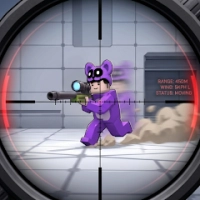
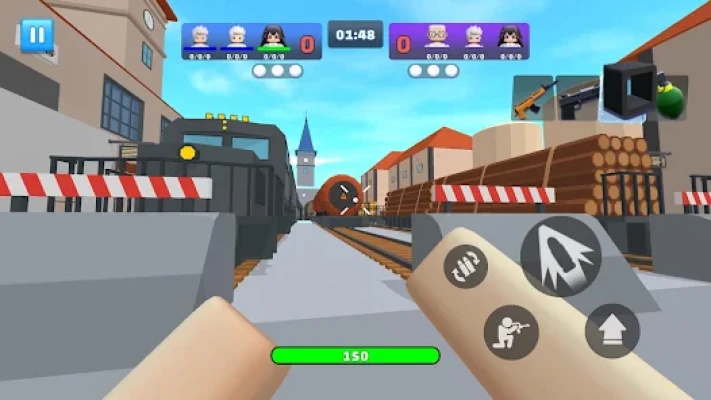
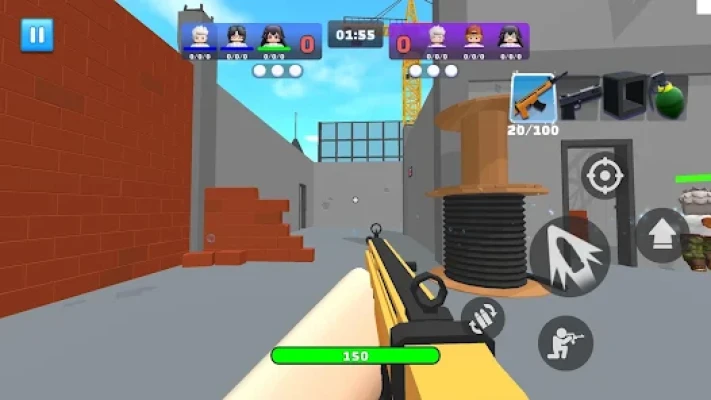
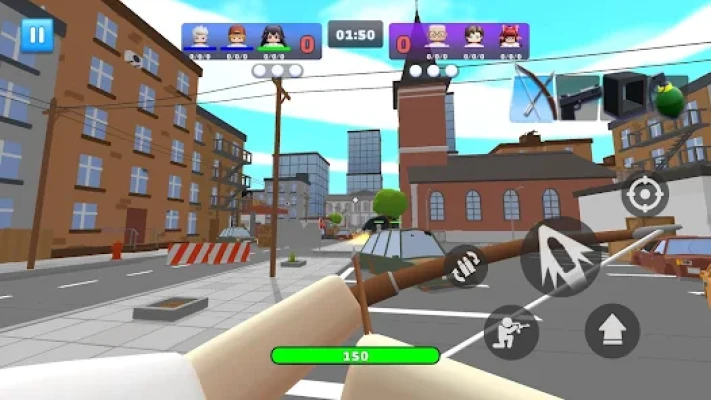
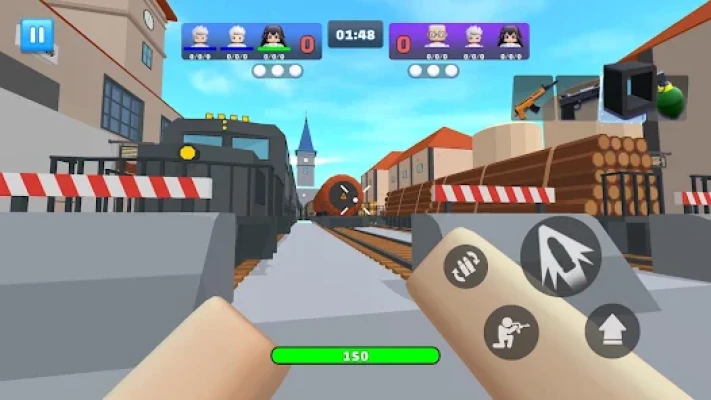
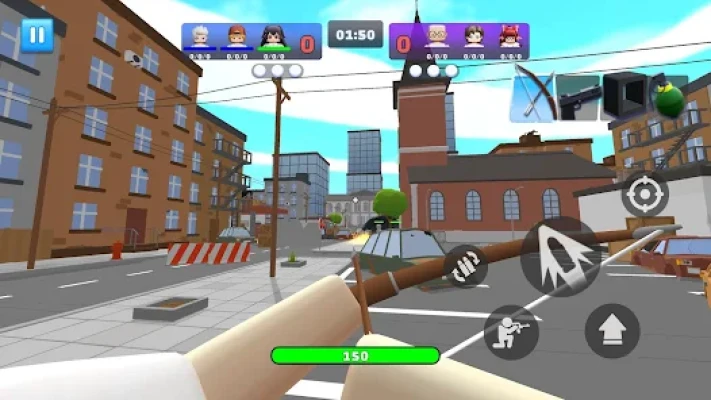
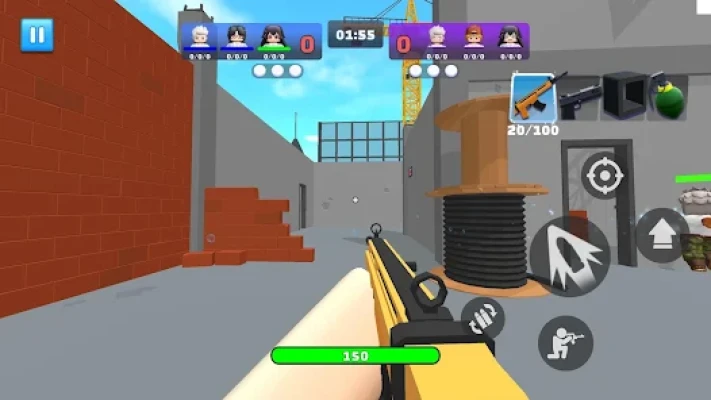
Recent gameplay footage shows the game featuring multiple battle environments, enemy encounters, weapons, traps, and progressively more demanding combat situations.
What Makes RIVALS: Duels FPS Interesting?
The main appeal comes from its straightforward FPS combat. You enter a battle, identify threats, choose the right moment to attack, and attempt to survive increasingly difficult encounters.
The game combines several familiar shooter elements:
- First-person shooting
- Fast enemy encounters
- Weapon-based combat
- Arena-style battles
- Movement and positioning
- Environmental hazards
- Increasing difficulty
- Survival-focused gameplay
The compact structure makes it suitable for players who prefer quick shooting sessions rather than extremely long matches.
RIVALS: Duels FPS Gameplay
The basic gameplay loop is easy to understand:
Enter the battle → locate enemies → aim → attack → reposition → survive → continue fighting.
Your ability to move efficiently is particularly important. Standing in one location for too long can make you an easy target, while constantly moving without a plan can make aiming more difficult.
The strongest approach is to combine controlled movement with accurate attacks.
Combat and Shooting
Keep Your Aim at Enemy Level
One of the simplest ways to improve is to keep your crosshair around the height where enemies are likely to appear.
This reduces the amount of time needed to adjust your aim when an opponent enters your view.
Do Not Waste Every Bullet
Continuous shooting can quickly become inefficient when you are fighting from a distance.
Instead, control your shots whenever possible and concentrate on keeping your crosshair on the target.
Attack From Better Positions
A good position can be more valuable than simply having a powerful weapon.
Look for:
- Walls
- Corners
- Elevated positions
- Objects that block incoming fire
- Narrow approaches
- Areas that give you a clear view of enemies
Use the environment to reduce the number of directions from which you can be attacked.
Full RIVALS: Duels FPS Strategy Guide
1. Learn the Arena Before Playing Aggressively
Your first objective should be understanding the environment.
Pay attention to where enemies appear, where you can take cover, and which routes allow you to move between areas safely.
Knowing the arena reduces reaction time because you already understand where danger is likely to come from.
2. Keep Moving During Combat
Movement makes you harder to hit.
Use short changes of direction instead of running randomly around the arena. Strafing, repositioning, and moving between cover can make a major difference during firefights.
However, movement should not prevent you from maintaining accurate aim.
3. Use Cover Between Attacks
Do not remain exposed after firing.
A useful pattern is:
Peek → Shoot → Move back → Reposition → Peek again.
This prevents enemies from getting a completely predictable target.
4. Watch for Traps and Environmental Hazards
Gameplay footage indicates that battle areas can contain hazards and traps.
Avoid concentrating exclusively on enemies.
While aiming at an opponent, quickly check whether your current position exposes you to another threat.
5. Pick the Right Moment to Attack
Seeing an enemy does not always mean you should immediately rush toward them.
Sometimes it is better to wait for the opponent to move into a more favorable position.
If the enemy is exposed while you are behind cover, you have an opportunity to attack without giving up your defensive position.
6. Do Not Chase Every Enemy
Chasing a retreating opponent can pull you away from a safe position and expose you to another enemy.
Before following someone, check the surrounding area.
A player who escapes may be trying to lure you into a dangerous position.
7. Control Your Reload Timing
Reloading in the middle of an exposed firefight can leave you vulnerable.
Whenever possible, reload after reaching cover or immediately after eliminating a nearby threat.
A few seconds of preparation can prevent an unnecessary defeat.
8. Prioritize the Most Immediate Threat
When multiple enemies are present, do not simply shoot the closest target.
Consider:
- Which enemy is attacking you?
- Which enemy has the clearest line of sight?
- Which opponent is closest to your position?
- Which target can be eliminated quickly?
- Which enemy could flank you?
Eliminating the most dangerous threat first can make the rest of the encounter easier.
9. Improve Accuracy Before Chasing Speed
Fast reactions are useful, but inaccurate shooting wastes opportunities.
Practice keeping your crosshair on moving targets while maintaining controlled movement.
Once accuracy becomes more consistent, gradually increase the speed of your movements and target switching.
10. Adapt Your Strategy to the Environment
Open areas require different tactics from narrow corridors.
In open areas, movement and cover become especially important.
In confined spaces, reaction time becomes shorter, so keeping your weapon ready and anticipating enemy positions matters more.
Beginner Tips for RIVALS: Duels FPS
Keep moving. A stationary player is easier to target.
Use cover. Walls and environmental objects can give you time to recover and reposition.
Watch your surroundings. Enemies are not always directly in front of you.
Aim before firing. Taking a moment to align your crosshair can save ammunition and improve accuracy.
Avoid unnecessary rushing. Charging into an unknown area can turn a manageable fight into a difficult encounter.
Reload safely. Try not to reload while completely exposed.
Learn enemy patterns. If opponents repeatedly use the same route, you can prepare for their next appearance.
Practice movement and aim together. Good FPS performance requires both.
Advanced RIVALS: Duels FPS Tips
Pre-Aim Common Angles
If you know an enemy is likely to appear around a particular corner, position your crosshair toward that area before the opponent enters view.
This reduces the amount of adjustment needed during the actual confrontation.
Use Controlled Strafing
Moving from side to side while maintaining your aim can make you harder to hit.
Avoid excessive movement that causes you to lose control of your crosshair.
Create Distance When Necessary
Not every fight should happen at close range.
If an opponent has an advantage in close combat, moving backward toward a more favorable position can give you additional time to react.
Reposition After an Elimination
Defeating one opponent does not necessarily mean the area is safe.
After an elimination, immediately consider where another enemy could be approaching from.
Changing your position also makes it harder for opponents to predict where you will be next.
Use Audio Information
When playing with sound enabled, pay attention to weapon sounds, movement, and other combat cues.
Audio can sometimes provide information before an enemy becomes visible.
Common Mistakes to Avoid
Standing Still
Remaining stationary makes you an easy target.
Reloading in the Open
A reload at the wrong moment can give an opponent a free opportunity.
Shooting Without a Clear Target
Blindly firing wastes ammunition and can distract you from approaching enemies.
Ignoring the Environment
Focusing only on opponents can cause you to miss traps, hazards, or alternative routes.
Rushing Into Unknown Areas
Entering an unfamiliar area without checking for enemies can quickly end a run.
Tunnel Vision
Do not focus on one opponent so intensely that you forget everything around you.
Repeating the Same Attack
If an enemy repeatedly defeats you from the same position, change your approach instead of repeating the same movement.
How to Improve Quickly
A simple practice routine can make your gameplay more consistent.
Step 1: Practice Aim
Spend time learning how quickly your crosshair moves and how much adjustment is needed to track enemies.
Step 2: Practice Movement
Learn to move while keeping your aim under control.
Step 3: Learn the Maps
Identify useful cover, dangerous areas, enemy approaches, and escape routes.
Step 4: Improve Decision Making
Start asking yourself why you lost each encounter.
Was your aim inaccurate?
Did you rush?
Were you standing in the open?
Did you reload at the wrong time?
Did you ignore another enemy?
Finding the reason behind a mistake is more useful than simply playing another match immediately.
RIVALS: Duels FPS Strategy for Difficult Battles
When the difficulty increases, patience becomes increasingly valuable.
Instead of attempting to defeat every opponent as quickly as possible, divide the battle into smaller decisions:
Find the threat → find cover → establish your aim → attack → reposition → scan again.
This prevents chaotic movement and helps you maintain control when several enemies appear.
RIVALS: Duels FPS Weapons Strategy
Different weapons are naturally suited to different combat situations.
Close Range
At short distances, fast reactions and quick target acquisition are important.
Do not give an opponent unnecessary time to respond.
Medium Range
Medium-range fights reward accurate tracking and controlled shooting.
Maintain enough distance to react while avoiding unnecessary exposure.
Long Range
At longer distances, positioning becomes particularly important.
Find a stable location, minimize unnecessary movement, and concentrate on accurate shots.
Best General Combat Routine
For a reliable approach, use this sequence:
1. Scan the area.
Look for enemies and hazards.
2. Choose cover.
Know where you can retreat if the fight becomes dangerous.
3. Aim first.
Keep your crosshair ready before exposing yourself.
4. Attack.
Fire when you have a clear opportunity.
5. Reposition.
Do not remain in the exact same place after an engagement.
6. Reload safely.
Use cover whenever possible.
7. Scan again.
Assume another threat may be nearby.
This simple routine can make your gameplay much more consistent.
RIVALS: Duels FPS Game Information
Game: RIVALS: Duels FPS
Genre: First-Person Shooter
Platform: Android
Core Gameplay: FPS combat, duels, shooting, movement and survival
Main Skills: Aim, reaction speed, positioning and movement
Gameplay Style: Fast-paced combat
Perspective: First person
Combat Focus: Weapon-based battles and enemy encounters
Recent Android gameplay footage specifically identifies the title as RIVALS: Duels FPS Mobile Shooter and demonstrates its mobile FPS gameplay.
RIVALS: Duels FPS – Honest Gameplay Overview
RIVALS: Duels FPS is built around the fundamentals that make mobile first-person shooters easy to pick up: movement, aiming, shooting, positioning, and quick decisions.
The controls may be straightforward, but becoming consistent requires practice. The biggest improvement usually comes from learning to combine movement with accurate aiming rather than treating them as separate skills.
Players who enjoy short FPS encounters, shooting challenges, and progressively harder combat situations can focus on improving their reaction speed, map awareness, and positioning.
Gameplay footage also shows the variety of battle environments and increasingly demanding encounters that form part of the experience.
RIVALS: Duels FPS FAQ
What type of game is RIVALS: Duels FPS?
RIVALS: Duels FPS is a mobile first-person shooter focused on fast combat, enemy encounters, weapons, movement, and survival.
How can I improve my aim?
Keep your crosshair near likely enemy positions, practice tracking moving targets, and avoid excessive movement that makes your aim unstable.
Should I keep moving during fights?
Yes, controlled movement can make you harder to hit. The key is to combine movement with accurate aiming rather than moving randomly.
Is cover important?
Yes. Cover gives you protection while reloading, repositioning, or preparing your next attack.
What is the best way to survive difficult battles?
Stay aware of your surroundings, prioritize dangerous enemies, use cover, avoid unnecessary rushing, and reposition after engagements.
Should I chase enemies who retreat?
Not automatically. Check your surroundings before chasing because leaving a safe position can expose you to additional threats.
Final RIVALS: Duels FPS Tips
The key to improving in RIVALS: Duels FPS is not simply shooting faster. Strong gameplay comes from combining accurate aim, controlled movement, smart positioning, cover usage, and situational awareness.
Learn the environment, keep your crosshair ready, avoid standing still, reload from safe positions, and think before chasing enemies. As the battles become harder, staying calm and making deliberate decisions can be more valuable than rushing into every encounter.
Rate the Game
User Reviews










Popular Games

















 Android
 iOS
iOS Windows
 Xbox
Xbox