




Latest Version
November 07, 2026
GOMBLE GAMES PTE. LTD.
Action
iOS
0
Report a Problem
More About :game
Loud Runner – Complete Game Guide and Strategy
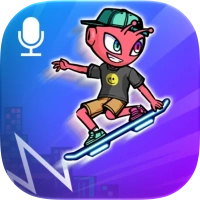
Loud Runner is a unique voice-controlled action game developed by GOMBLE GAMES PTE. LTD. that transforms your voice into the main controller for an exciting running adventure. Instead of relying on traditional touchscreen controls, players use sounds, murmurs, and loud vocal expressions to control their character's movement.
The central challenge is learning how to control your voice intensity. A gentle sound makes the character move forward, while a stronger vocal expression can trigger impressive jumps. However, making sounds that are too intense can bring the character to an unexpected stop.
With its unusual microphone-based controls, endless running challenges, obstacle navigation, and high-score objectives, Loud Runner offers a different experience from conventional mobile arcade games.
Specific Game Titles
Loud Runner – Voice-Controlled Running Game
Loud Runner – Microphone Running Adventure
Loud Runner – Voice Jumping Challenge
Loud Runner – Sound-Controlled Arcade Game
Loud Runner – Run and Jump with Your Voice
Loud Runner – Endless Voice Adventure
Loud Runner – Audio Control Running Challenge
All About Loud Runner!
Game Overview
Loud Runner introduces an unusual approach to mobile running games by allowing players to control their characters through vocal input.
Rather than tapping buttons or swiping across the screen, players use their voices to influence how the character moves. The microphone detects sound intensity and translates vocal expressions into actions during the adventure.
A gentle murmur helps the character move forward, while a powerful roar can make the character perform an impressive jump. However, the relationship between sound intensity and movement requires careful attention because excessive vocal intensity can cause the character to stop.
This creates an entertaining challenge in which players must learn to control their voices as carefully as they control a character in a traditional platform game.
The main objective is to keep moving, overcome obstacles, maintain the required sound input, and reach new milestones.
The longer players can maintain successful movement, the greater their opportunity to establish impressive records.
Main Gameplay Mechanics
Voice-Activated Controls
Voice recognition is the defining feature of Loud Runner.
The game uses microphone input to detect the player's vocal expressions and translate them into character movement.
Instead of relying on conventional buttons, players must experiment with different sound levels to understand how their voices influence the character.
Gentle Sounds for Running
A gentle murmur is used to propel the character forward.
This is an important part of the gameplay because continuous movement is necessary to maintain progress.
Players should learn to produce a steady, controlled sound instead of constantly changing their vocal intensity.
Loud Sounds for Jumping
Stronger vocal expressions allow the character to jump into the air.
Jumping is essential for navigating obstacles and continuing the adventure.
The challenge is producing enough sound to trigger the desired movement without making the sound so intense that the character stops.
Sound Intensity Management
Controlling sound intensity is one of the most important skills in Loud Runner.
Players must understand the difference between a gentle sound, a stronger vocal expression, and an excessively loud scream.
Finding the correct balance makes it easier to maintain movement and perform successful jumps.
Endless Running Challenges
Loud Runner encourages players to discover how far they can travel.
The continuous running experience creates opportunities to improve personal records and reach new milestones.
Each attempt provides another chance to develop better vocal control and improve performance.
Continuous Note Challenge
One of the game's distinctive challenges is keeping a note alive.
Players must maintain their vocal input for as long as possible while navigating the running environment.
This mechanic adds another layer of difficulty because maintaining a consistent sound requires concentration and control.
Score Improvement and Record Challenges
Loud Runner encourages players to beat their previous performances.
The objective is not simply to complete a short running section but to demonstrate how effectively you can control movement through sound.
Improving your records requires patience, practice, and a better understanding of microphone sensitivity.
Sharing Your Achievements
Players can capture exciting moments and share their Loud Runner achievements.
This feature adds a social element to the experience and provides an opportunity to show friends how far they have progressed.
Graphics and Visual Presentation
Loud Runner features a colorful arcade presentation that complements its unusual sound-based gameplay.
The character's movements and jumping animations provide visual feedback that helps players understand how their vocal input affects the game.
The visual experience is designed to work alongside microphone controls rather than replacing them.
This combination makes the gameplay distinctive because players must listen to their own voices while watching the character's movements.
Sound and Audio Experience
Sound is the most important part of Loud Runner.
Unlike traditional mobile games where audio is primarily used for music and sound effects, Loud Runner makes sound the foundation of its control system.
Players must experiment with vocal volume and maintain appropriate sound levels to perform different actions.
The microphone-based mechanics create an interactive experience that feels different from ordinary touchscreen running games.
Developer and Platform Information
Game title: Loud Runner
Developer: GOMBLE GAMES PTE. LTD.
Genre: Action and Casual
Platform: iPhone and iPad
Price: Free to download
Language: English
Age rating: 4+
App size: Approximately 152.3 MB
Minimum operating system: iOS 12.0
Main control method: Microphone and voice input
Main activities: Voice-controlled running, jumping, obstacle navigation, and score challenges.
Complete Loud Runner Strategy Guide
Understanding the Main Objective
The first step toward becoming successful in Loud Runner is understanding that your voice is the primary control mechanism.
Every vocal expression can influence your character's movement.
A gentle murmur helps maintain forward movement, while a stronger sound can trigger a jump. Excessive vocal intensity, however, can interrupt your progress.
Your main objective is to find a comfortable balance between these different sound levels.
Instead of shouting continuously, learn to produce controlled vocal expressions that match the action you want your character to perform.
The more familiar you become with this relationship, the easier it will be to navigate the running challenges.
Learn the Voice Controls
Before attempting to achieve a high score, spend some time understanding the voice-control system.
Start with a gentle vocal sound and observe how the character responds.
Once you understand the basic movement, gradually experiment with stronger sounds to discover the level required for jumping.
Do not immediately use your loudest voice.
The goal is to understand how much vocal intensity is necessary for each action.
Practice using different sound levels until you can produce the desired movement consistently.
Master the Gentle Murmur
A controlled murmur is important for maintaining forward movement.
If your voice becomes inconsistent, your character's movement may become difficult to control.
Try to maintain a steady sound rather than producing several short, unpredictable vocal expressions.
A consistent murmur can help you establish a reliable running rhythm.
Avoid making unnecessary changes to your voice when there is no immediate reason to jump.
Perfect Your Jumping Technique
Jumping requires more vocal intensity than ordinary running.
The challenge is producing a strong enough sound to trigger the jump without creating an excessively loud scream.
Start by observing the distance between your character and approaching obstacles.
When a jump becomes necessary, increase your vocal intensity in a controlled way.
After completing the jump, return to a gentler sound to continue running.
This transition between stronger and softer vocal expressions is one of the most important skills to develop.
Avoid Screaming Too Loudly
One of the biggest beginner mistakes is assuming that louder always means better.
In Loud Runner, excessive sound intensity can bring your character to a stop.
This means that shouting continuously is not an effective strategy.
Instead, use your voice carefully.
Produce gentle sounds for forward movement and reserve stronger expressions for jumping.
Learning to control your vocal intensity is more useful than simply trying to make as much noise as possible.
Maintain a Consistent Vocal Rhythm
A stable rhythm can make the game easier to control.
Try to develop a natural pattern in which gentle vocal sounds maintain movement and stronger sounds are used when jumping becomes necessary.
Avoid switching between different vocal intensities without a clear reason.
Consistency helps you concentrate on upcoming challenges rather than constantly correcting your voice.
Understand Microphone Sensitivity
Microphone sensitivity can influence how your voice is detected.
If the character does not respond as expected, check whether the microphone permission has been granted.
Also consider your surroundings.
Background conversations, television sounds, music, and other environmental noise may interfere with microphone input.
For a more consistent experience, play in a relatively quiet environment and keep your device's microphone unobstructed.
If the game feels unusually sensitive, experiment with a softer voice and observe the character's response.
Choose the Right Playing Environment
Because Loud Runner depends on microphone input, the surrounding environment matters.
A quiet room makes it easier to understand how the game responds to different vocal intensities.
Avoid playing directly beside loud speakers or in environments filled with competing sounds.
It is also helpful to position your device consistently throughout a session.
Changing the distance between your mouth and microphone can affect how strongly your voice is detected.
Improve Your Long-Distance Running Performance
Reaching new milestones requires maintaining successful movement over an extended period.
Do not focus exclusively on the next jump.
Pay attention to your overall rhythm and try to avoid unnecessary vocal changes.
The longer you can maintain controlled input, the more opportunities you have to improve your running distance.
If a particular attempt ends unexpectedly, think about whether your voice became too loud, too quiet, or inconsistent.
Understanding these mistakes will help you improve future attempts.
Keep the Note Alive
The continuous-note challenge requires concentration and vocal consistency.
Rather than producing sudden bursts of sound, try to maintain a comfortable and steady vocal expression.
Pay attention to the character's movement and adjust your sound when necessary.
Do not strain your voice to maintain a long session.
Short practice sessions with breaks are a better approach than forcing yourself to continue when your throat becomes uncomfortable.
Develop Better Obstacle Awareness
Your voice controls the character, but your eyes are equally important.
Watch the running environment and recognize upcoming obstacles before they become immediate threats.
This gives you more time to prepare the appropriate vocal response.
If you wait until an obstacle is directly in front of your character, you may not have enough time to produce the correct sound.
Combining visual awareness with controlled vocal input is the foundation of successful gameplay.
How to Achieve Better Records
Improving your personal records requires consistency rather than random experimentation.
Start by learning how to maintain forward movement.
Then concentrate on producing reliable jumps without using excessive vocal intensity.
Once these actions become familiar, focus on maintaining your performance for longer periods.
After each failed attempt, identify the reason for the mistake.
If you stopped unexpectedly, experiment with reducing your vocal intensity. If you failed to jump, practice producing a stronger but controlled sound.
Small improvements can gradually lead to better records.
Common Beginner Mistakes to Avoid
Shouting continuously
Loud sounds are not always helpful. Excessive intensity can stop your character, so use stronger vocal expressions only when necessary.
Using an inconsistent voice
Sudden changes in vocal intensity can make movement difficult to manage. Practice maintaining a controlled rhythm.
Ignoring microphone permissions
The game relies on microphone input. Make sure the application has permission to access your device's microphone.
Playing in noisy surroundings
Background noise can make voice detection less predictable. Choose a quieter environment when possible.
Reacting too late to obstacles
Look ahead and prepare your vocal response before reaching an obstacle.
Using too little sound for jumping
If your character does not jump, experiment with slightly increasing vocal intensity.
Practicing for too long without breaks
Long sessions can cause vocal fatigue. Take breaks and avoid straining your voice.
Advanced Strategies for Experienced Players
Develop precise vocal control
Focus on producing different sound intensities deliberately. Being able to distinguish between running and jumping sounds makes the game more manageable.
Find your comfortable sound range
Every microphone and playing environment can behave differently. Experiment until you find a comfortable vocal range that produces reliable responses.
Maintain smooth transitions
Move naturally between gentle running sounds and stronger jumping sounds. Avoid unnecessary shouting or abrupt changes.
Combine listening and observation
Pay attention to both your own voice and the character's movement. This makes it easier to recognize when your input is producing the expected result.
Improve your microphone setup
Keep the microphone unobstructed and maintain a consistent device position. A stable setup helps reduce unexpected changes in audio detection.
Focus on sustainable performance
Do not sacrifice vocal comfort to achieve a longer run. Regular practice with reasonable breaks is a better long-term approach.
Best Tips for Playing Loud Runner
Use gentle murmurs to maintain forward movement.
Produce stronger vocal sounds when you need to jump.
Avoid shouting excessively because it can stop your character.
Practice different vocal intensities to understand microphone sensitivity.
Keep your microphone unobstructed.
Play in a relatively quiet environment.
Maintain a consistent distance from your device.
Watch approaching obstacles carefully.
Return to a gentle sound after completing a jump.
Practice maintaining a continuous note without straining your voice.
Take breaks during longer gaming sessions.
Learn from failed attempts and gradually improve your records.
Frequently Asked Questions About Loud Runner
What is Loud Runner?
Loud Runner is a voice-controlled action game where players use their voices to control a character's running and jumping movements.
Who developed Loud Runner?
The game was developed by GOMBLE GAMES PTE. LTD.
How do you control the character in Loud Runner?
Players use microphone input instead of traditional touchscreen movement controls. Different vocal intensities trigger different character actions.
Does Loud Runner use voice recognition?
Yes. The game detects vocal input through the device's microphone and uses sound intensity to control movement.
How do you make the character run?
A gentle murmur helps propel the character forward.
How do you make the character jump?
A stronger vocal expression can trigger a jump, allowing the character to overcome obstacles.
Why does the character stop when I scream too loudly?
Excessive vocal intensity can interrupt movement. The game requires players to balance their sound levels rather than simply shouting as loudly as possible.
Does Loud Runner require microphone permission?
Yes. Since voice input is the main control method, the application needs access to your device's microphone.
Can background noise affect gameplay?
Yes. Other sounds may interfere with microphone input, so playing in a relatively quiet environment can provide a more consistent experience.
Is Loud Runner free to play?
Yes. Loud Runner is listed as a free download on the Apple App Store.
Can you play Loud Runner on iPhone and iPad?
Yes. The game supports both iPhone and iPad devices.
What makes Loud Runner different from traditional running games?
Its microphone-based controls make it distinctive. Instead of tapping or swiping, players use their voices to control running and jumping.
What is the best strategy for beginners?
Start by practicing gentle sounds for running and stronger sounds for jumping. Learn the microphone's sensitivity, avoid excessive shouting, and concentrate on upcoming obstacles.
Final Verdict
Loud Runner offers a creative alternative to traditional mobile running games by turning voice input into an interactive control system. Its microphone-based mechanics make ordinary actions such as running and jumping feel completely different.
The most interesting part of the experience is learning how to manage vocal intensity. Gentle murmurs help maintain movement, while stronger sounds trigger jumps. Finding the correct balance is essential because excessive shouting can bring the character to a stop.
The continuous-note challenge, obstacle navigation, and personal record objectives provide reasons to keep practicing and improving.
For players who enjoy casual action games, experimental controls, endless running challenges, and unusual mobile gaming experiences, Loud Runner is an entertaining option.
The key to success is not shouting louder but learning to control your voice more intelligently.
Rate the Game
User Reviews















Popular Games



















 Android
 iOS
 Windows
 Xbox