






Latest Version
November 27, 2026
Studio WW Games
Simulation
Android
0
com.psv.car.trader.empire
Report a Problem
More About :game
About Car Trader Empire
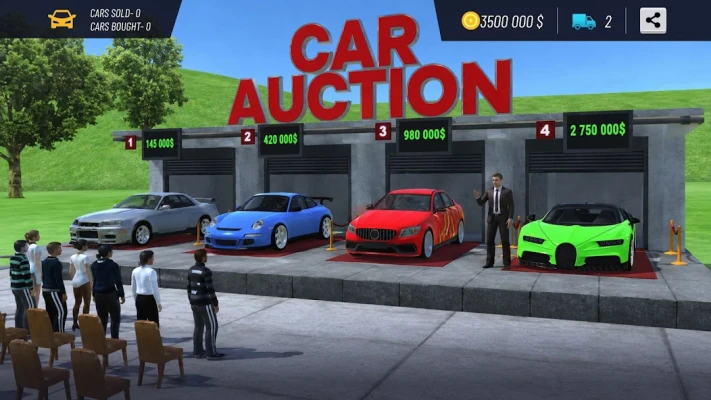
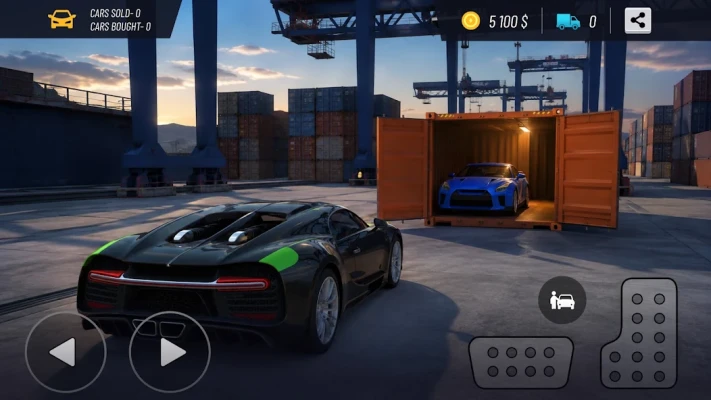
Car Trader Empire takes players into the competitive world of buying and selling cars. Instead of concentrating on racing or driving challenges, the game focuses on the business side of the automotive industry. Your goal is to start small, make smart purchases, attract customers, and gradually build a dealership that generates bigger profits.
Developed by Studio WW Games, the game combines car trading, vehicle improvement, negotiation, and business management. Every vehicle represents a potential investment. Buying at the right price can create a profitable opportunity, while paying too much can reduce your earnings or turn a promising deal into a poor decision.
At the beginning, you have a limited budget and must carefully choose which cars to purchase. Inspect vehicles, compare their estimated values, and negotiate prices before making a decision. After buying a car, you can improve, repair, and prepare it for resale.
Selling is another important part of the experience. You need to consider customer demand and choose suitable prices to attract buyers while protecting your profit margin. As your business grows, you can expand your inventory, trade more valuable vehicles, upgrade dealership facilities, and unlock additional opportunities.
The overall objective is to transform a small car dealership into a powerful business. Success depends on recognizing good deals, managing money carefully, and reinvesting earnings into future growth.
Main Features of Car Trader Empire
Buy and Sell Different Cars
Explore a variety of vehicles and purchase cars that offer promising resale opportunities. Build your inventory and sell vehicles to customers for profit.
Inspect Vehicles
Examine available cars before purchasing them. Vehicle inspection helps you understand their condition and make better decisions about potential investments.
Negotiate Prices
Negotiation is an important part of car trading. Try to secure favorable purchase prices so that you have enough room to make money when selling vehicles.
Repair and Improve Cars
Work on purchased vehicles, repair their problems, and improve their condition before placing them on sale. Better-prepared cars can become more attractive to potential customers.
Set Selling Prices
Choose suitable prices for your inventory. Setting prices requires balancing customer interest with the amount of money you want to earn from each deal.
Follow the Car Market
Pay attention to vehicle values and customer demand. Understanding market opportunities can help you decide which cars are worth purchasing and when to sell them.
Build Your Own Dealership
Start with a small business and gradually expand your dealership. Increase your inventory and create more opportunities for successful trades.
Upgrade Business Facilities
Improve your dealership facilities to support business growth. Upgrades help develop your operation and prepare it for larger trading opportunities.
Manage Money and Profits
Every purchase affects your available budget. Keep track of spending, avoid unnecessary expenses, and reinvest your earnings to strengthen your business.
Become a Car Trading Tycoon
Work your way from a beginner dealer to a successful business owner. As your dealership expands, you can trade more valuable vehicles and pursue bigger opportunities.
Gameplay Overview
The gameplay revolves around a straightforward business cycle: find a car, inspect it, negotiate a purchase price, improve the vehicle, and sell it for a profit.
Your journey begins with a limited amount of money. You must use that starting budget carefully because every purchase affects how much capital remains available for future deals.
Once you find a vehicle, inspect its condition and compare its value with the asking price. If the numbers make sense, negotiate with the seller and try to complete the purchase at a favorable price.
After acquiring the vehicle, focus on preparing it for resale. Repairing and improving cars can make them more appealing to buyers. When the vehicle is ready, choose a selling price that balances competitiveness and profitability.
Successful sales provide money that can be used to purchase additional cars, increase inventory, and improve dealership facilities. As the business develops, the opportunities become larger, and financial decisions become increasingly important.
The most successful strategy is to make consistent, profitable trades rather than spending all your money on expensive vehicles.
How to Play Car Trader Empire
Start by entering the dealership business with your available budget. Explore the cars offered for sale and look for vehicles that could provide a good return.
Inspect each potential purchase before making an offer. Consider the vehicle's condition, estimated value, and possible selling price.
Negotiate with the seller to reduce the purchase cost. Avoid accepting a deal simply because a car looks attractive. The amount you pay determines how much profit you can potentially make later.
After purchasing a vehicle, use the available repair and improvement options to prepare it for customers. Once the work is complete, place the car on sale and select an appropriate price.
When a customer purchases the vehicle, use the earnings to continue trading. You can expand your inventory, purchase more valuable cars, and upgrade your dealership facilities.
Repeat this process while keeping your finances under control. Over time, successful transactions can turn your small operation into a much larger car trading business.
Full Strategy Guide and Tips
Start With Affordable Vehicles
Your starting budget is limited, so avoid spending most of your money on one expensive car. Begin with vehicles that allow you to make manageable investments.
Affordable purchases give you more flexibility and leave some money available for other opportunities. Building your business through several sensible deals is generally safer than depending on one expensive transaction.
Inspect Every Car Before Buying
Inspection should be one of your most important habits. Never assume that a vehicle is a good investment just because its advertised price looks attractive.
Check its condition and compare its value with the seller's asking price. Look for opportunities where the purchase cost leaves enough room for repairs and a profitable resale.
Learn to Negotiate Effectively
The purchase price has a direct impact on your final earnings. Even a small reduction in the buying cost can improve the profitability of a transaction.
Try to negotiate whenever possible. Do not rush into accepting the first offer, especially when the price leaves very little room for profit.
Calculate Potential Profit Before Purchasing
Before buying a vehicle, think about the complete transaction rather than focusing only on the purchase price.
Consider the money required to acquire the car, the cost of improving it, and the amount you could receive when selling it.
A useful general calculation is:
Potential Profit = Selling Price − Purchase Price − Repair Costs
This basic calculation helps you compare opportunities and avoid deals that may not be worthwhile.
Repair Vehicles Before Reselling
Purchased cars may need attention before they are ready for customers. Use the available repair and improvement options to prepare them for sale.
Focus on completing the required work without spending unnecessarily. The purpose of repairs is to improve the vehicle's resale potential while keeping the overall investment reasonable.
Choose Selling Prices Carefully
Setting the right price is just as important as buying at the right price. A very high selling price may make a vehicle less attractive to customers, while an unnecessarily low price can reduce your earnings.
Consider the car's condition, value, and customer demand when deciding how much to charge.
Understand Customer Demand
Not every vehicle offers the same business opportunity. Some cars may attract more interest than others, depending on their value and condition.
Pay attention to the market and avoid assuming that every purchase will be equally profitable. Use available information to make more informed decisions.
Keep Money Available for New Deals
Do not spend your entire budget on purchasing and upgrading vehicles. Keeping some money available gives you flexibility when a promising opportunity appears.
A balanced budget makes it easier to continue trading without being forced to wait for a sale before making your next move.
Reinvest Profits Into the Business
When you complete a profitable transaction, consider using part of the earnings to strengthen your dealership.
You can expand your inventory, purchase more valuable vehicles, and upgrade business facilities. Reinvesting carefully helps your operation grow over time.
Expand Your Dealership Gradually
Dealership expansion should follow your financial progress. Avoid making upgrades simply because they are available.
Focus on improvements that support your current business needs. A gradual expansion strategy helps you maintain financial stability while unlocking more opportunities.
Avoid Risky Purchases
A car with a low asking price is not automatically a good deal. It may require additional work or offer limited resale potential.
Inspect vehicles carefully and consider all the costs involved. If a purchase does not offer a reasonable opportunity for profit, it may be better to wait for another vehicle.
Focus on Consistent Profits
The goal is not necessarily to complete the biggest deal as quickly as possible. A series of smaller profitable transactions can help establish a stronger financial foundation.
Make careful purchases, control repair costs, and choose realistic selling prices. Consistency is an important part of building a successful dealership.
Best Tips for Beginners
Start with affordable vehicles that fit your available budget.
Inspect every car before making a purchase.
Compare the asking price with the vehicle's estimated value.
Negotiate to secure better buying prices.
Consider repair costs before deciding whether a deal is profitable.
Prepare vehicles properly before placing them on sale.
Set selling prices that balance profit and customer demand.
Avoid spending all your money on one purchase.
Reinvest some earnings into dealership improvements.
Expand your inventory as your finances become stronger.
Avoid buying vehicles without considering their resale potential.
Make decisions based on value rather than appearance alone.
Common Mistakes to Avoid
Spending Too Much on One Vehicle
An expensive purchase can use most of your available budget. This reduces your flexibility and limits the number of deals you can make.
Ignoring Vehicle Condition
A car that needs extensive repairs may cost more than expected. Always inspect vehicles before deciding whether to buy them.
Accepting Unfavorable Prices
Paying too much for a vehicle leaves less room for profit. Negotiation should be part of your purchasing strategy.
Setting Unrealistic Selling Prices
A high price does not guarantee a better result. Consider the vehicle's value and customer demand when choosing a selling price.
Forgetting Repair Expenses
Repair and improvement work affects your final earnings. Include these costs when evaluating a potential deal.
Expanding Too Quickly
Upgrading facilities and increasing inventory can support growth, but spending too much too early may weaken your finances.
Failing to Reinvest
Using all your earnings without improving the business can slow down long-term progress. Reserve some profits for future opportunities and dealership development.
What Makes Car Trader Empire Interesting?
Car Trader Empire offers a different experience from traditional driving and racing games. Instead of competing on tracks, players compete in the marketplace by making better financial decisions.
The buying and selling system creates a constant series of choices. You need to decide which cars deserve attention, how much money to offer, whether repairs are worthwhile, and what price will attract customers.
The game also combines vehicle improvement with business progression. Repairing cars gives you something practical to do with your purchases, while dealership upgrades provide a longer-term goal.
Another appealing element is the sense of progression. You begin with limited resources and work toward a larger operation with more inventory and valuable trading opportunities.
For fans of tycoon games, dealership simulators, and car trading experiences, this combination provides an enjoyable alternative to racing-focused gameplay.
Frequently Asked Questions
What is Car Trader Empire?
Car Trader Empire is a car dealership and business simulation game. Players purchase vehicles, negotiate prices, improve cars, sell them, and expand their dealerships.
Who developed Car Trader Empire?
The game was developed by Studio WW Games.
What is the main objective of the game?
The main objective is to build a successful car trading business. You start with a limited budget and gradually grow your dealership through profitable purchases and sales.
Can you buy and sell different cars?
Yes. Buying and selling a variety of vehicles is one of the central activities. Expanding your inventory gives you more opportunities to trade.
Can you repair vehicles?
Yes. The game allows players to repair and improve purchased vehicles before preparing them for resale.
Does Car Trader Empire include price negotiation?
Yes. Players can negotiate purchase prices and try to secure better deals to increase potential profits.
Can you expand your dealership?
Yes. You can build and expand your dealership, increase your inventory, and upgrade business facilities as your operation grows.
Is Car Trader Empire a racing game?
No. Its main focus is business simulation and car trading rather than racing. Players spend their time inspecting, buying, improving, and selling vehicles.
Is Car Trader Empire free to play?
The game is listed as free to download on Google Play. The listing also indicates that it contains advertisements and in-app purchases.
Is Car Trader Empire suitable for beginners?
Yes. Players can begin with a limited budget and learn the basic business cycle of inspecting, purchasing, improving, and selling cars as they progress.
Final Verdict
Car Trader Empire is an appealing simulation for players who enjoy managing businesses, trading vehicles, and making strategic financial decisions. Its central gameplay loop combines car inspection, price negotiation, repairs, resale, and dealership expansion.
The game stands out by focusing on the business side of the automotive world rather than traditional racing. Every purchase is an investment, and every sale creates an opportunity to improve your financial position.
If you enjoy car dealership simulators, tycoon games, and business management experiences, Car Trader Empire offers an engaging challenge. Start with a small budget, learn how to recognize profitable vehicles, and work toward building a successful car trading empire.
Rate the Game
User Reviews















Popular Games



















 Android
 iOS
 Windows
 Xbox