

Latest Version
November 03, 2024
APPWILL COMPANY LTD
Adventure
iOS
0
Report a Problem
More About :game
Nuclear Day Survival takes players into a frightening world where civilization has collapsed following a devastating nuclear attack.
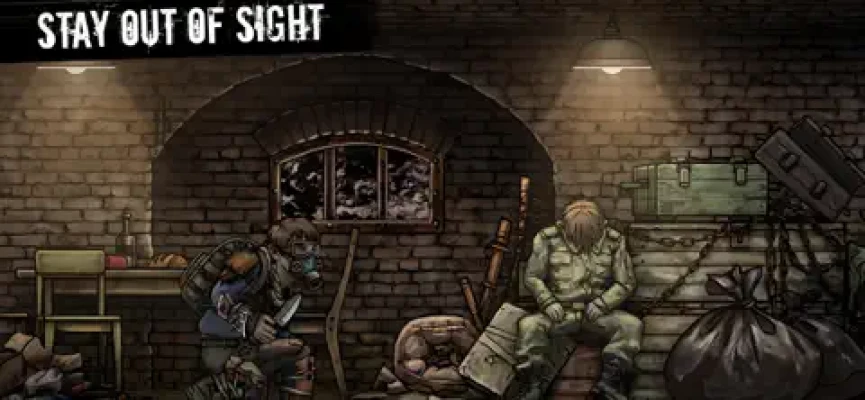
The city is no longer a safe place to live. Buildings have been destroyed, streets are abandoned, resources are scarce, and dangerous survivors compete for everything they need.
Radiation spreads through contaminated areas, food becomes increasingly difficult to find, and the approaching nuclear winter makes survival even more challenging.
Players must navigate this dangerous environment while managing their character's physical condition and searching for a way to escape the dying city.
However, survival is only part of the adventure. The game also features a story-driven campaign filled with mysterious documents, interesting characters, unexpected discoveries, and difficult decisions.
The main objective is to escape the devastated city and find the love of your youth. Along the way, you encounter people who need assistance, dangerous factions, and secrets connected to the catastrophe.
Every mission introduces new challenges, making careful planning and resource management essential.
Game Story and Background
The story of Nuclear Day Survival begins after a nuclear explosion destroys the city and changes the lives of everyone who survives.
The disaster leaves behind a devastated landscape filled with radiation, abandoned buildings, damaged infrastructure, and desperate people.
With ordinary society collapsing, survivors must find food, water, medicine, and shelter wherever possible.
The protagonist begins a dangerous journey through this ruined environment with a personal objective: escaping the city and finding the person he loves.
However, the journey quickly becomes more complicated.
During the adventure, players discover missing documents, investigate unusual events, meet different survivors, and become involved in conflicts between groups struggling to control the remaining resources.
The story also presents important moral decisions. Sometimes players must decide whether to help people in need or prioritize their own survival.
These choices add emotional depth to the experience and make the journey more than a simple search for supplies.
Main Gameplay Features
Post-Apocalyptic Survival
Experience life in a devastated city where food, water, medicine, and safety are difficult to obtain. Every decision can influence your ability to survive.
Radiation Management
Contaminated locations create additional dangers. Players must be careful when exploring areas affected by radiation and prepare appropriate equipment.
Hunger and Thirst Systems
Food and water are essential resources. Monitor your character's condition and collect supplies before hunger and dehydration become serious problems.
Disease and Health Management
Injuries and illnesses create additional survival challenges. Search for medical supplies and manage your health carefully.
Crafting System
Collect materials and use them to create useful items, weapons, equipment, and other survival necessities.
Story-Driven Missions
Follow a narrative filled with different characters, quests, mysterious documents, and important discoveries.
Meaningful Decisions
Some missions allow players to make choices that influence their interactions with other survivors and the direction of particular quests.
Dynamic Game World
Weather conditions and relationships between groups can change, creating new challenges as the adventure progresses.
Abandoned Locations
Explore ruined buildings and dangerous environments to discover resources, important objects, and information about the disaster.
Factions and Conflicts
Interact with different survivor groups and navigate the conflicts between them. The game also allows players to choose a side in certain faction-related situations.
Weapons and Equipment
Collect weapons, ammunition, protective equipment, and other useful items to defend yourself against hostile enemies.
Daily Quests and Mini-Games
Additional activities provide opportunities to earn rewards and experience different parts of the game world.
Survival Mechanics Explained
Survival is the central element of Nuclear Day Survival. Players must constantly monitor their condition and make decisions that protect their health.
Hunger
Food is essential for maintaining your character's condition. Search buildings, containers, and other locations for edible supplies.
Avoid wasting food when your character does not urgently need it.
Thirst
Water is another important survival requirement. Keep enough drinking supplies available, especially before long exploration missions.
Running out of water in a dangerous location can create serious problems.
Radiation
Radiation is one of the most dangerous environmental threats.
Contaminated locations may expose your character to harmful effects, so avoid unnecessary visits to highly irradiated areas.
Prepare appropriate protective equipment and monitor your condition when exploring dangerous zones.
Disease
Illness can make an already difficult situation worse. Medical supplies should be treated as valuable resources rather than ordinary loot.
Search carefully for medicine and avoid unnecessary risks that could damage your health.
Temperature and Nuclear Winter
The changing weather introduces additional survival pressure.
Cold conditions make suitable clothing and preparation important. Before traveling through exposed areas, make sure your character has appropriate protection.
Enemy Threats
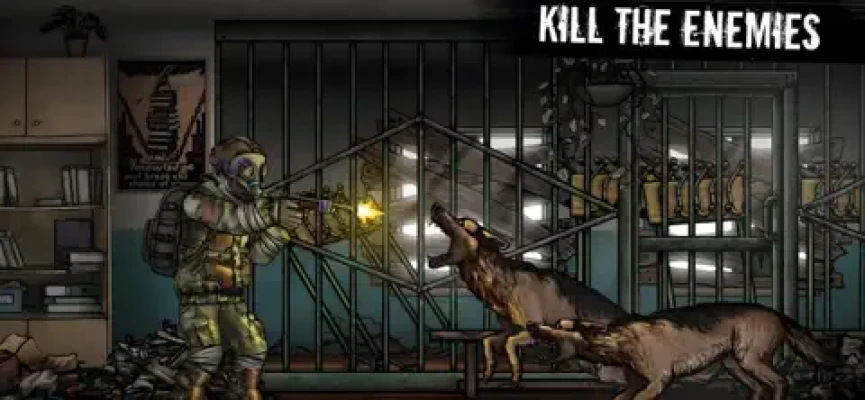
Not everyone you meet in the ruined city is friendly. Hostile survivors, armed deserters, dangerous animals, and other threats can make exploration extremely difficult.
Choose your battles carefully and avoid unnecessary confrontations.
Crafting and Resource Collection
Crafting is one of the most important systems in Nuclear Day Survival.
Players need to collect materials from the environment and use them to produce useful equipment.
Common resource categories include:
Metal components for crafting and repairs.
Wood and other construction materials.
Adhesive and industrial supplies.
Medical materials.
Food and drinking water.
Ammunition and weapon components.
Protective equipment.
Special mission-related objects.
A crafting table helps transform collected materials into useful items.
As your crafting capabilities develop, additional recipes and equipment become available.
The key to successful crafting is collecting materials consistently and avoiding unnecessary spending.
Do not use rare components for low-priority items when they may be needed for more important equipment later.
Weapons and Combat
Combat is an important part of the survival experience.
The ruined city contains hostile individuals and dangerous creatures that can threaten your progress.
Players can discover and use different weapons, including firearms and other defensive equipment.
The available weapon selection and blueprints provide opportunities to improve your combat capabilities as you progress.
A good combat strategy begins before an encounter.
Check your ammunition, prepare your equipment, and make sure your health is in good condition.
Avoid fighting multiple enemies without a clear plan.
When possible, use the surrounding environment to your advantage and avoid unnecessary confrontations.
Preserving ammunition is particularly important because resources are limited.
Factions and Survivor Groups
The world of Nuclear Day Survival is inhabited by different groups struggling to survive.
These factions have their own interests, objectives, and relationships with other survivors.
Two important groups in the story are the Anthill residents and the Deserters.
Their conflict creates additional missions and opportunities for players to become involved in the political situation of the ruined city.
As the story develops, players can make choices about which side to support in certain situations.
These decisions influence some locations, characters, and available activities.
Understanding the relationships between factions can help players navigate missions and avoid unnecessary hostility.
Locations and Exploration
Exploring abandoned environments is essential for collecting supplies and uncovering the story.
The Ruined City
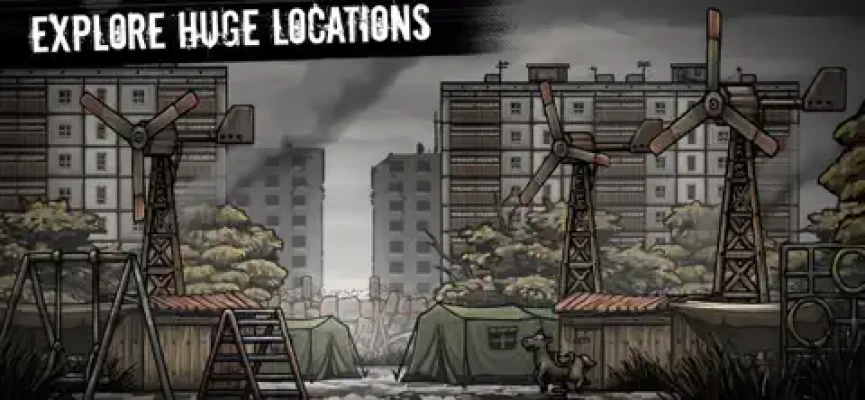
The city is the central setting of the adventure. Its abandoned streets, damaged buildings, and dangerous surroundings reflect the devastation caused by the nuclear attack.
The Hospital
The hospital is an important location for missions involving medical supplies, survivors, and dangerous encounters.
Players should search carefully because useful resources and quest-related objects may be found throughout the building.
The School
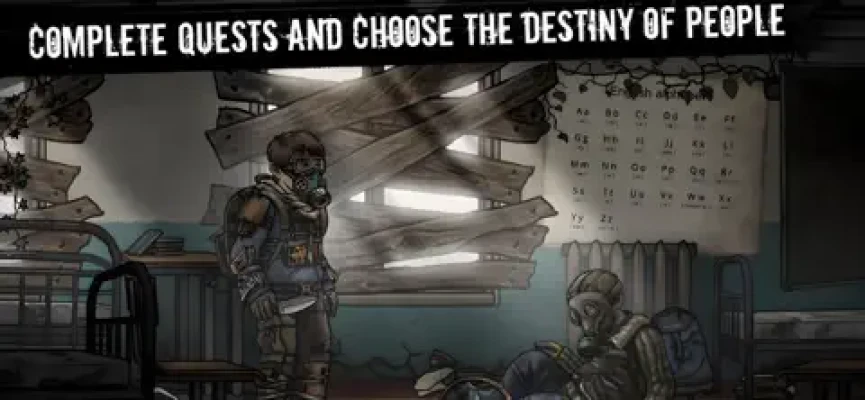
The school contains important mission-related exploration opportunities. Investigating its surroundings and understanding available clues can help players progress through certain quests.
The Forest
The forest offers a different environment from the ruined urban areas. However, traveling through it still requires preparation and awareness of potential threats.
The Bank
The bank is an additional open location featuring quests, a merchant, and mini-games. It also provides new exploration opportunities.
Deserters' Base
This location is connected to the conflict between survivor groups. Players can encounter hostile enemies and participate in activities associated with the Deserters.
The Anthill
The Anthill is an important survivor community where players can interact with characters, complete missions, and discover more about the people attempting to rebuild their lives.
The University
The University expands the exploration experience with additional story content, missions, and equipment-related activities.
Complete Strategy Guide for Nuclear Day Survival
Getting Started: Understanding the Survival Basics
The first priority for beginners is learning how the survival systems work.
Do not treat Nuclear Day Survival like a traditional action game where the only objective is defeating enemies.
Your character must eat, drink, manage health, avoid radiation, and stay prepared for changing weather conditions.
Begin by examining your surroundings and collecting useful supplies.
Learn how to interact with containers, manage your inventory, use equipment, and complete basic crafting activities.
Pay attention to mission instructions because they often introduce important mechanics.
A successful beginner should focus on survival before attempting dangerous exploration.
Food and Water Management
Food and water should always be among your highest priorities.
Search abandoned buildings and available containers for supplies.
Keep track of your character's condition and avoid allowing hunger or thirst to become critical.
It is also important to manage your inventory carefully.
Carrying unnecessary objects can leave less space for valuable resources.
Before starting a long expedition, make sure you have enough food and drinking water to complete your objectives.
Do not consume all your supplies immediately after collecting them. Maintain a reasonable reserve for emergencies.
Radiation Survival Strategy
Radiation creates one of the biggest challenges in the game.
Contaminated areas can expose your character to dangerous conditions, making preparation essential.
Before entering a potentially radioactive location, check your available protective equipment.
Avoid spending more time than necessary in contaminated environments.
Search carefully for important mission objects, but do not explore dangerous areas without a clear objective.
If your condition becomes worse, leave the contaminated location and address your character's health before continuing.
The best strategy is to combine preparation, efficient exploration, and careful resource management.
How to Collect Resources Efficiently
Resource collection should become part of your regular gameplay routine.
Whenever you enter a new building, investigate the available containers and interactive objects.
Look for materials needed for crafting, medical supplies, food, water, and ammunition.
Do not collect everything indiscriminately.
Instead, prioritize items that support your current objectives.
For example, if you are preparing to craft a weapon, focus on gathering the necessary components.
If your character lacks medical supplies, prioritize locations that may contain useful healthcare materials.
A focused collection strategy makes inventory management easier and reduces unnecessary trips.
Crafting Strategy: Build the Right Equipment
Crafting helps players become more independent in a world where supplies are limited.
Your crafting table is an important part of long-term progression.
Invest in developing your crafting capabilities because improved crafting options can make survival much easier.
Before creating an item, check the required materials and consider its usefulness.
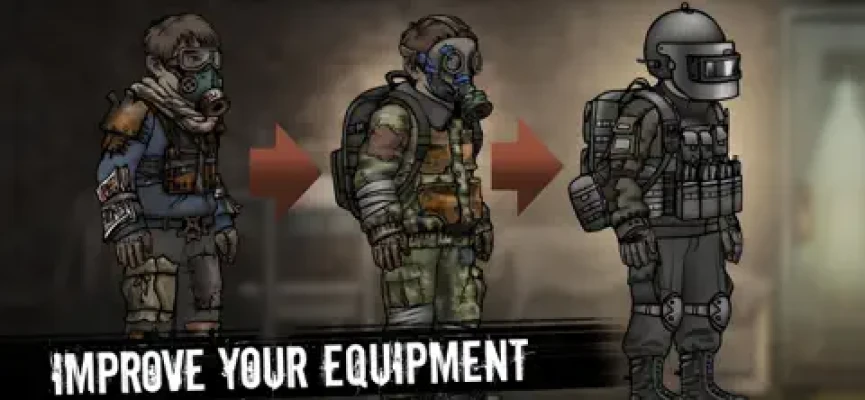
Prioritize equipment that directly improves survival, including weapons, protective items, and essential supplies.
Avoid wasting rare materials on equipment you do not currently need.
As you unlock more recipes, adjust your crafting priorities according to upcoming missions.
Best Weapon Management Strategy
Weapons are essential when dealing with hostile survivors and dangerous enemies.
However, ammunition is limited, so every encounter should be approached carefully.
Use suitable weapons for the situation rather than wasting valuable ammunition.
Keep your preferred combat equipment in good condition and maintain a reasonable ammunition reserve.
Search dangerous locations thoroughly for additional supplies, but do not risk your life for unnecessary loot.
As you discover new weapons and blueprints, consider which options provide the greatest practical benefit.
A reliable weapon combined with careful ammunition management is more useful than carrying several weapons without enough ammunition.
How to Complete Missions Successfully
Missions are the main way to experience the story and unlock additional activities.
Always read the objective carefully before starting a quest.
Some missions require specific materials, while others involve finding characters, investigating locations, or collecting documents.
Prepare the required supplies before leaving your base.
If a mission requires several identical items, pay attention to the quantity and delivery instructions.
When possible, complete related objectives during the same expedition to save resources and travel time.
Do not leave an important location without checking whether all available mission tasks have been completed.
Exploring Abandoned Buildings
Buildings are valuable sources of supplies and information.
Search rooms carefully and inspect available containers.
Look for hidden materials, quest items, documents, and useful equipment.
Some locations may contain hostile survivors, so remain prepared before entering unfamiliar rooms.
Do not rush through large buildings.
A careful exploration strategy helps prevent missed resources and reduces the likelihood of being surprised by enemies.
If a location is particularly dangerous, consider whether the available rewards justify the risk.
Managing Your Health and Medical Supplies
Health management is essential for surviving longer expeditions.
Medical supplies should be used thoughtfully.
Avoid wasting healing items on minor problems when your character can safely continue without immediate treatment.
However, do not wait until your condition becomes critical before addressing serious injuries or illnesses.
Maintain an emergency reserve of medical supplies whenever possible.
Before entering dangerous areas, check your health and make sure you have enough resources to recover from unexpected encounters.
How to Survive Against Hostile Survivors
Human enemies can be especially dangerous because they may carry firearms and attack from a distance.
Before entering an area controlled by hostile survivors, make sure your equipment is ready.
Avoid rushing directly into combat.
Pay attention to enemy positions and use available cover when appropriate.
If you are not sufficiently equipped, consider postponing the encounter until you have improved your weapons and supplies.
Some missions can be approached through preparation and careful decisions rather than unnecessary fighting.
Choosing Between the Anthill and Deserters
Faction decisions are an important part of the game's progression.
The Anthill and Deserters represent different groups with their own objectives.
Before choosing a side, consider the available information and understand the potential consequences.
Your decision can influence certain locations and missions.
Do not make faction choices without reading the relevant dialogue and understanding the situation.
Pay attention to characters who provide information about the conflict.
A thoughtful decision can help you approach the following missions with a better understanding of the world.
Completing Puzzles and Special Missions
Some quests require more than collecting materials or fighting enemies.
Puzzle missions challenge players to investigate their surroundings and identify the correct solution.
Read available documents and search for clues before interacting with complicated objects.
If you encounter a locked container or mechanism, consider whether you have discovered the necessary information elsewhere.
Avoid using valuable tools randomly.
For number-based puzzles, carefully review the available clues and enter the required information accurately.
If a mission appears stuck, revisit its objective and check whether an earlier interaction or item collection was missed.
Daily Quests and Mini-Games
Daily quests and mini-games provide additional activities that support progression.
Check the available objectives whenever you return to the game.
Prioritize missions that reward useful materials, equipment, or other valuable resources.
The bank location also provides additional mini-game activities.
These activities can offer a change of pace from ordinary survival and exploration.
Completing suitable daily tasks is a useful way to make regular play sessions more productive.
How to Prepare for Dangerous Locations
Preparation is one of the most important survival skills.
Before entering a dangerous location, review your inventory and make sure you have the necessary supplies.
Carry sufficient food and water.
Check your ammunition and weapon condition.
Bring appropriate protective equipment when radiation or extreme weather may become a problem.
Make sure you have enough inventory space for valuable materials and quest objects.
A well-prepared expedition is more likely to succeed than an improvised journey.
Advanced Strategy: Efficient Inventory Management
Inventory space becomes increasingly important as you explore more locations.
Avoid carrying unnecessary items that provide little practical value.
Prioritize mission materials, medical supplies, ammunition, food, water, and crafting components.
Before leaving your base, organize your equipment according to your objective.
For example, a resource-gathering expedition may require more carrying capacity for materials, while a dangerous combat mission requires additional ammunition and medical supplies.
Good inventory management saves time and makes difficult missions easier to complete.
Common Beginner Mistakes to Avoid
Ignoring Hunger and Thirst
Food and water are essential. Monitor your character's condition regularly and carry enough supplies for each expedition.
Exploring Radioactive Areas Without Preparation
Radiation can create serious survival problems. Prepare protective equipment before entering contaminated environments.
Wasting Crafting Materials
Rare resources should be saved for important equipment and useful upgrades.
Carrying Too Many Unnecessary Items
An overloaded inventory makes it harder to collect valuable resources.
Starting Difficult Battles Too Early
Improve your equipment before confronting heavily armed opponents.
Ignoring Mission Instructions
Some objectives require specific quantities or particular interactions. Read quest descriptions carefully.
Forgetting to Search Containers
Important supplies can be hidden in ordinary-looking objects. Explore thoroughly.
Making Rushed Faction Decisions
Understand the consequences of supporting different survivor groups before committing to a side.
Advanced Tips for Long-Term Survival
Develop a regular routine that combines resource collection, crafting, and mission progression.
Keep a reserve of essential supplies instead of spending everything immediately.
Prioritize upgrades and equipment that support your current objectives.
Search important locations carefully and pay attention to documents that explain the story.
Avoid unnecessary combat when ammunition and medical supplies are limited.
Prepare for environmental dangers before traveling through contaminated or exposed areas.
Complete daily quests when their rewards are useful.
Most importantly, balance exploration with survival management. A successful survivor is not necessarily the strongest fighter but the person who knows how to prepare, conserve resources, and make intelligent decisions.
Graphics, Sound, and Atmosphere
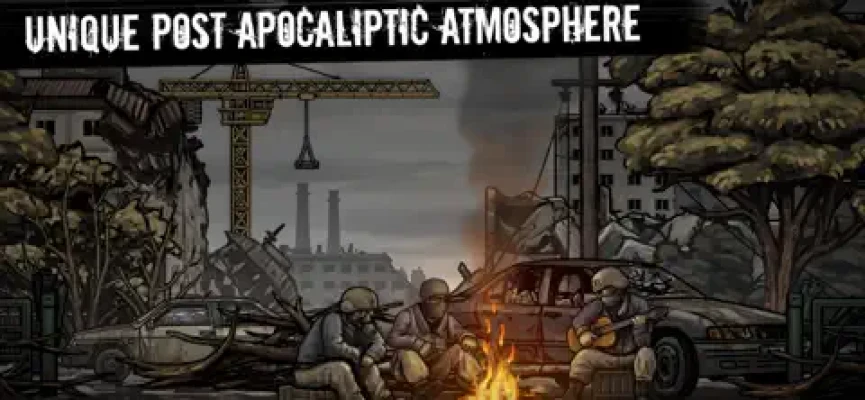
Nuclear Day Survival creates a distinctive post-apocalyptic atmosphere through its ruined environments, abandoned buildings, dangerous locations, and changing weather conditions.
The visual presentation helps communicate the scale of the disaster and the difficulties facing the remaining population.
Exploring destroyed urban areas creates a constant sense of uncertainty because valuable supplies and dangerous enemies may be waiting in unexpected places.
Sound effects and character dialogue help bring the world to life.
The overall atmosphere supports the game's narrative focus, making exploration and interactions with survivors important parts of the experience.
Is Nuclear Day Survival Worth Playing?
Nuclear Day Survival is an appealing choice for players who enjoy challenging survival adventures with a strong narrative component.
Its combination of hunger, thirst, radiation, disease, crafting, and environmental dangers creates a demanding experience.
The story adds another layer of interest through its characters, missing documents, faction conflicts, and meaningful decisions.
Unlike games focused entirely on combat, Nuclear Day Survival requires players to think carefully about their resources and understand the consequences of their actions.
The different locations, additional missions, weapons, and crafting possibilities also provide plenty of activities for players who enjoy gradual progression.
If you enjoy post-apocalyptic adventures where exploration and resource management are just as important as fighting enemies, this game is worth considering.
Who Should Play Nuclear Day Survival?
Nuclear Day Survival is suitable for players who enjoy:
Post-apocalyptic survival games.
Nuclear disaster and wasteland adventures.
Crafting and resource management.
Exploring abandoned cities and buildings.
Survival horror and dangerous environments.
Story-driven mobile adventures.
Zombie and hostile survivor encounters.
Weapons, equipment, and crafting systems.
Puzzle-solving and mission-based gameplay.
Faction conflicts and meaningful decisions.
Challenging single-player survival experiences.
Players who enjoy managing limited resources and gradually uncovering the mysteries of a ruined world will find many interesting elements throughout the adventure.
Final Verdict
Nuclear Day Survival delivers an engaging post-apocalyptic adventure built around survival, exploration, crafting, and storytelling.
The nuclear disaster creates a dangerous environment where every resource matters and every journey carries potential risks.
Players must manage hunger, thirst, radiation, disease, and changing weather while exploring abandoned locations and confronting hostile survivors.
The crafting system, faction conflicts, puzzle quests, and story-driven missions provide additional depth beyond ordinary survival gameplay.
Whether you are searching for valuable supplies, developing better equipment, investigating mysterious documents, or deciding which survivor group to support, every activity contributes to your journey through the devastated city.
For fans of survival simulations and post-apocalyptic adventures, Nuclear Day Survival offers an atmospheric experience filled with difficult decisions, exploration, and the constant challenge of staying alive.
Game Information
Game Title: Nuclear Day Survival
Developer: APPWILL COMPANY LTD
Category: Adventure
Game Genre: Survival, Post-Apocalyptic, Crafting, Exploration, Story-Driven Adventure
Platform: iOS
Supported Devices: iPhone and iPad
Price: Free to Download
In-App Purchases: Available
Age Rating: 9+
Game Size: Approximately 768.5 MB (may vary by version and region)
Main Gameplay Features: Survival Mechanics, Radiation Management, Hunger and Thirst, Disease Management, Crafting, Weapon Collection, Exploration, Story Missions, Faction Choices, Daily Quests, and Mini-Games.
Rate the Game
User Reviews














Popular Games



















 Android
 iOS
 Windows
 Xbox